Components & Metals Choices That Affect Service Life the Most
Author
Date Published
Reading Time
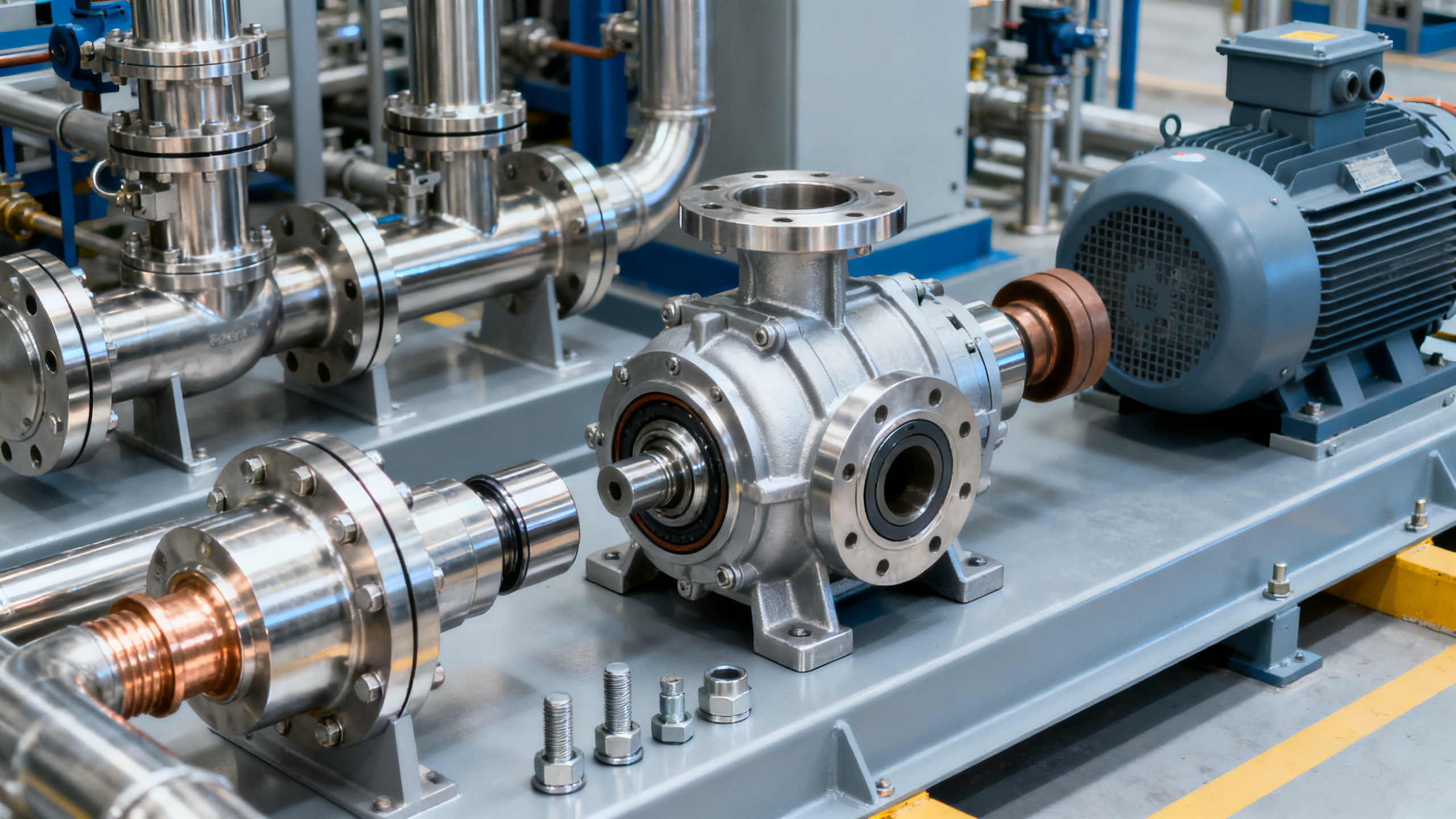
Why Components & Metals Choices Drive Service Life
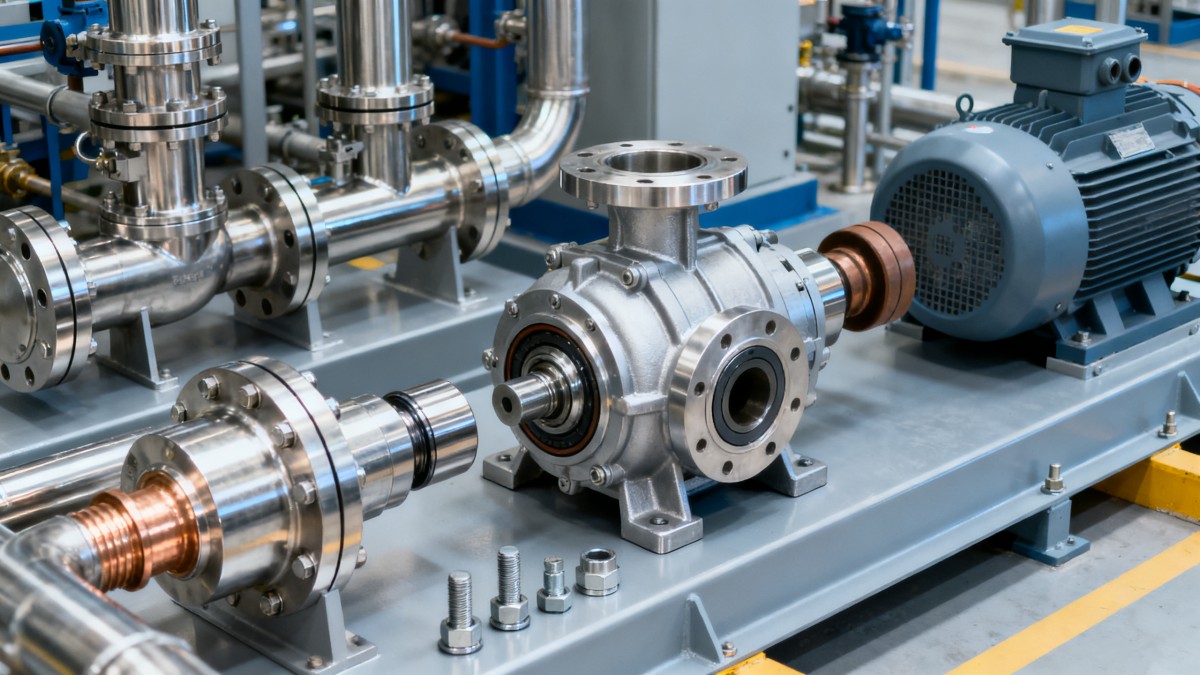
In industrial environments, the service life of critical equipment often depends less on design alone and more on the right Components & Metals choices.
For operators and end users, material strength, corrosion resistance, wear behavior, and compatibility often decide whether assets run reliably or fail early.
A pump casing, valve seat, fastener, bearing, or enclosure can all become the weakest link when the wrong metal meets the wrong duty.
Across processing plants, utilities, water systems, transport hubs, and general manufacturing, better Components & Metals selection reduces downtime, safety incidents, and replacement cost.
This article explains the main service life factors and provides a practical way to evaluate Components & Metals before installation or replacement.
Why a Structured Review Is Necessary
Many failures are not caused by poor manufacturing alone. They begin with incomplete material review during specification, maintenance, or retrofit work.
A structured review helps compare Components & Metals against real operating conditions, not just catalog ratings or initial purchase price.
It also improves compliance with standards, protects adjacent parts, and supports longer maintenance intervals in harsh environments.
Core Points to Check Before Choosing Components & Metals
- Confirm actual temperature range, pressure variation, vibration, and media chemistry, because Components & Metals that perform well in normal duty may degrade rapidly in transient conditions.
- Check corrosion mode in detail, including pitting, crevice attack, galvanic reaction, stress corrosion cracking, and oxidation, instead of relying on one general corrosion rating.
- Review wear mechanisms such as abrasion, adhesion, erosion, and fretting, since metal hardness alone does not guarantee long service life in moving assemblies.
- Verify compatibility between connected Components & Metals, especially at bolts, seals, fittings, and welded joints, where mixed materials often create hidden failure paths.
- Match mechanical strength to real load cycles, impact events, and fatigue exposure, not only to static design values listed in datasheets.
- Assess coating, plating, passivation, or surface treatment quality, because service life often depends on surface condition as much as bulk metal chemistry.
- Confirm manufacturing route, heat treatment, and tolerance control, since two parts with similar alloy names can perform very differently in industrial service.
- Review inspection and certification records for CE, UL, ISO, or project standards when applicable, especially for safety-critical Components & Metals in regulated assets.
- Consider maintainability, replacement lead time, and field repair options, because the best material choice supports lifecycle resilience, not only laboratory performance.
Which Metals Often Influence Service Life the Most
Carbon Steel
Carbon steel remains widely used for structures, housings, and pipelines because it is strong, available, and cost-effective.
Its weakness is corrosion. Without coatings, inhibitors, or controlled environments, service life can shorten quickly in wet or chemical duty.
Stainless Steel
Stainless steel is often selected when Components & Metals need better corrosion resistance and hygiene performance.
However, grade selection matters. 304, 316, duplex, and other alloys behave differently in chlorides, elevated temperatures, and crevice-prone assemblies.
Aluminum Alloys
Aluminum reduces weight and improves handling. It is valuable for enclosures, transport systems, and lightweight mechanical frames.
Yet it can lose strength at higher temperatures and may suffer galvanic corrosion when paired incorrectly with other Components & Metals.
Copper Alloys and Bronze
Bronze and related alloys are common in bearings, marine fittings, and valve internals because of their anti-seizure and corrosion benefits.
They still require careful review of flow velocity, water chemistry, and contact with harder mating parts.
Alloy Steel and Specialty Metals
High-strength alloy steel, nickel alloys, and other specialty options are often justified where heat, pressure, or corrosion exceeds standard material limits.
These Components & Metals usually cost more, but they can lower total lifecycle cost when failure consequences are severe.
How Component Type Changes the Best Choice
Fasteners and Joints
Fasteners fail early when tensile strength, coating integrity, or galvanic compatibility is overlooked.
Check preload stability, environmental exposure, and thread damage risk before selecting joint Components & Metals.
Bearings and Sliding Parts
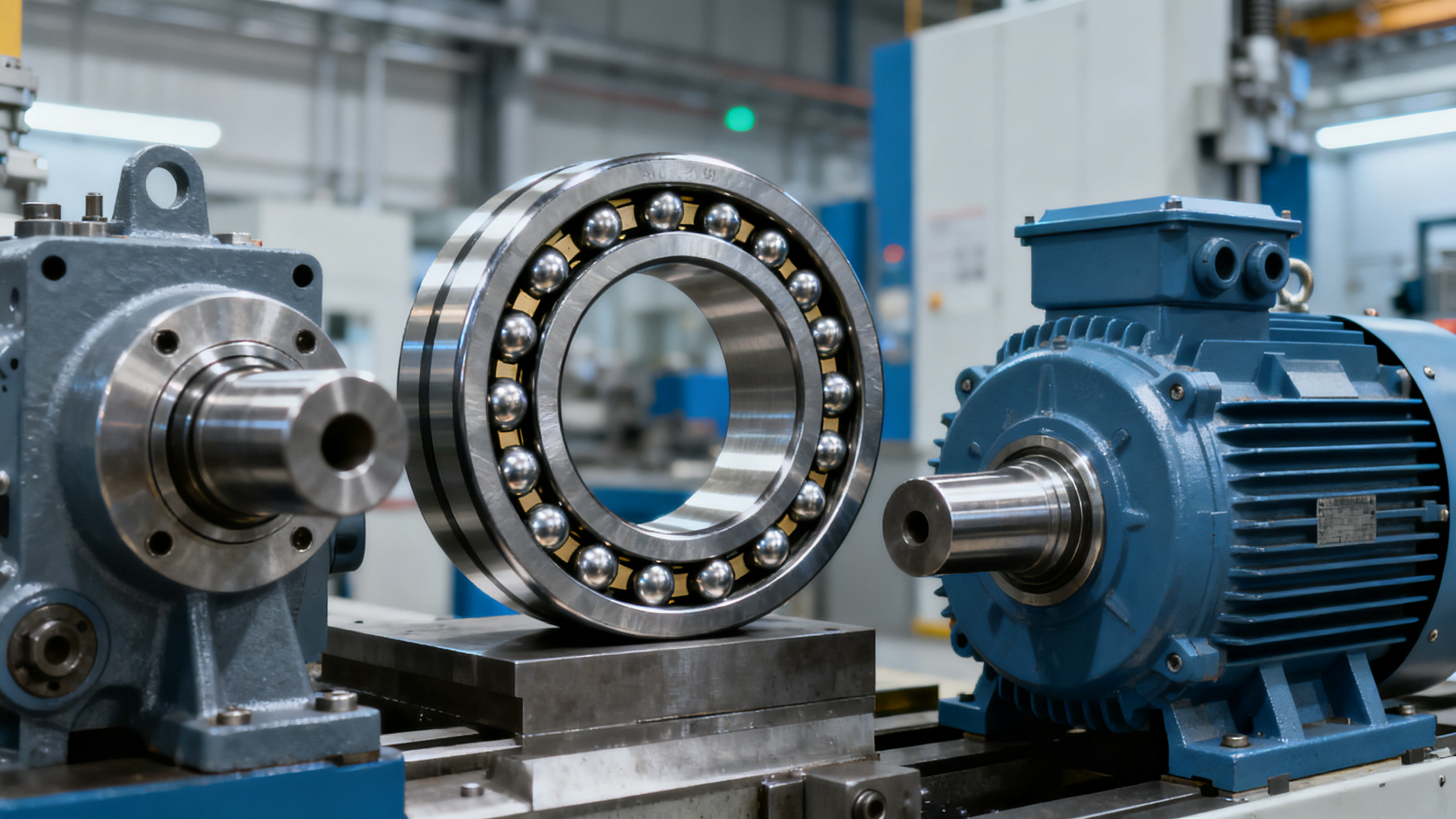
Wear life depends on hardness, lubrication, surface finish, and contamination control.
For these Components & Metals, the contact pair matters as much as the base alloy itself.
Pumps, Valves, and Flow Components
Erosion, cavitation, and chemical attack often limit life in fluid handling systems.
Review metal choice for casings, impellers, shafts, seats, and trim as a complete system, not part by part.
Electrical Enclosures and Supports
These assemblies need corrosion control, mechanical protection, and stable grounding performance.
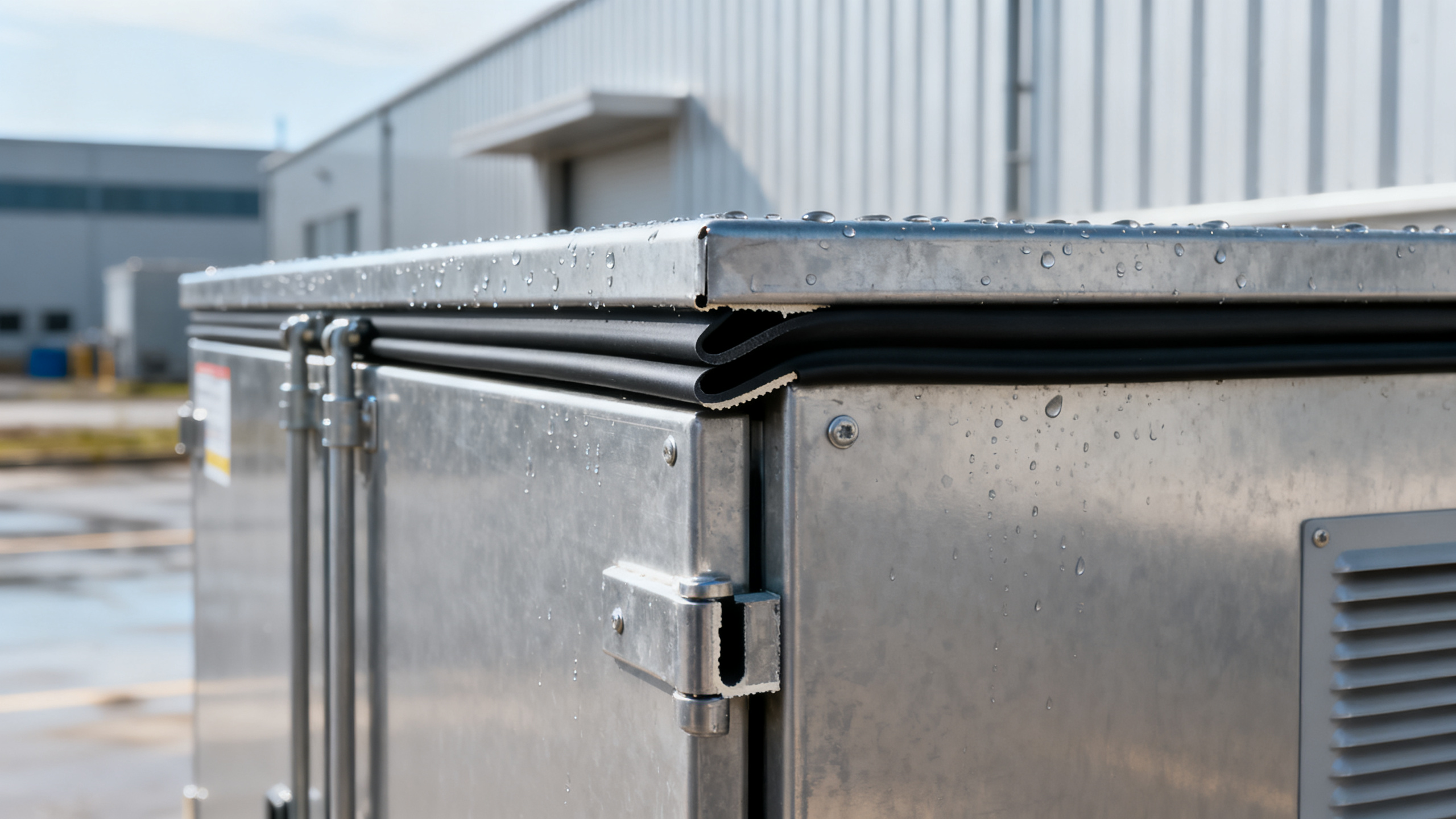
Outdoor service often favors Components & Metals with proven coating systems and reliable seal interfaces.
Application Notes for Different Operating Environments
Wet and Corrosive Facilities
Water treatment plants, coastal sites, and chemical areas demand stronger attention to corrosion, crevices, and mixed-metal contact.
In these settings, Components & Metals should be evaluated with drainage, coating repair access, and cleaning chemistry in mind.
High-Temperature Installations
Boiler rooms, exhaust systems, and thermal process equipment create risks of oxidation, scaling, and creep.
Select Components & Metals based on continuous temperature, not only short-term maximum ratings.
Abrasive or Dusty Operations
Mining, bulk handling, and cement-related systems often destroy parts through abrasion rather than corrosion.
Here, wear liners, hardened alloys, and replaceable sacrificial Components & Metals usually improve service life significantly.
Commonly Missed Risks
One frequent mistake is choosing by alloy name alone. Grade labels do not reveal heat treatment quality, surface condition, or fabrication defects.
Another issue is ignoring the full assembly. Durable Components & Metals can still fail when seals, coatings, or adjacent parts are incompatible.
Short-term savings also create risk. A low-cost substitution may increase maintenance frequency, energy loss, and unplanned outage exposure.
Finally, environmental cleaning agents, washdown routines, and storage conditions are often omitted from selection reviews, even though they directly affect service life.
Practical Execution Steps
- List each critical part and record its real failure mode, not only the part number.
- Map operating media, temperature, load, and maintenance history for those Components & Metals.
- Compare at least two material options using corrosion, wear, strength, and compatibility criteria.
- Check certifications, inspection reports, and traceability before approving replacements.
- Run a review after installation to confirm actual performance and refine future specifications.
Conclusion and Next Actions
The best service life results come from selecting Components & Metals as part of an operating system, not as isolated items.
When corrosion behavior, wear pattern, strength margin, certification, and compatibility are reviewed together, long-term reliability improves measurably.
Use this framework to audit high-risk assets first, especially where failure affects safety, uptime, or environmental compliance.
A disciplined Components & Metals review creates longer asset life, lower total cost, and stronger resilience across modern industrial infrastructure.
Technical Specifications
- How to Select Electronic Hotel Key Card Locks for Guest Rooms and Staff AreasAuthor :Safety Compliance Lead
- How to Select Lab Instruments for Reliable Chemical Analysis WorkflowsAuthor :Precision Metrology Expert
- How to Size a UPS for Server Rooms: Load, Runtime, and Redundancy FactorsAuthor :Grid Infrastructure Analyst
Expert Insights

Chief Security Architect
Dr. Thorne specializes in the intersection of structural engineering and digital resilience. He has advised three G7 governments on industrial infrastructure security.
Related Analysis
- Sep 17, 2026How to Select Electronic Hotel Key Card Locks for Guest Rooms and Staff AreasAuthor :Safety Compliance Lead
- Sep 16, 2026How to Select Lab Instruments for Reliable Chemical Analysis WorkflowsAuthor :Precision Metrology Expert
- Sep 15, 2026How to Size a UPS for Server Rooms: Load, Runtime, and Redundancy FactorsAuthor :Grid Infrastructure Analyst
Core Sector // 01
Security & Safety
- Selecting Low-Friction Pneumatic Seals for High-Cycle, Low-Pressure CylindersAuthor :Heavy Industry Strategist

- Selecting Spherical Roller Bearings for Mining: Load, Contamination, and Service LifeAuthor :Heavy Industry Strategist

- Do Deep Groove Ball Bearings Need Special Seals in Coastal Humidity?Author :Heavy Industry Strategist

- How to Select Anti Vibration Rubber Shock Absorbers for Machinery and EquipmentAuthor :Heavy Industry Strategist

- When to Specify Induction Hardened Slewing Ring Bearings for Heavy-Duty EquipmentAuthor :Heavy Industry Strategist

- How to Evaluate Weather Resistant EPDM Extrusion for Outdoor Sealing ApplicationsAuthor :Heavy Industry Strategist

- Bearing and Seal Lead Times Stretch to 22 WeeksAuthor :Heavy Industry Strategist

- Angular Contact Ball Bearings Explained: Contact Angle, Load Capacity, and Common UsesAuthor :Heavy Industry Strategist