Why wholesale traffic batons get dim after short daily use
Author
Date Published
Reading Time
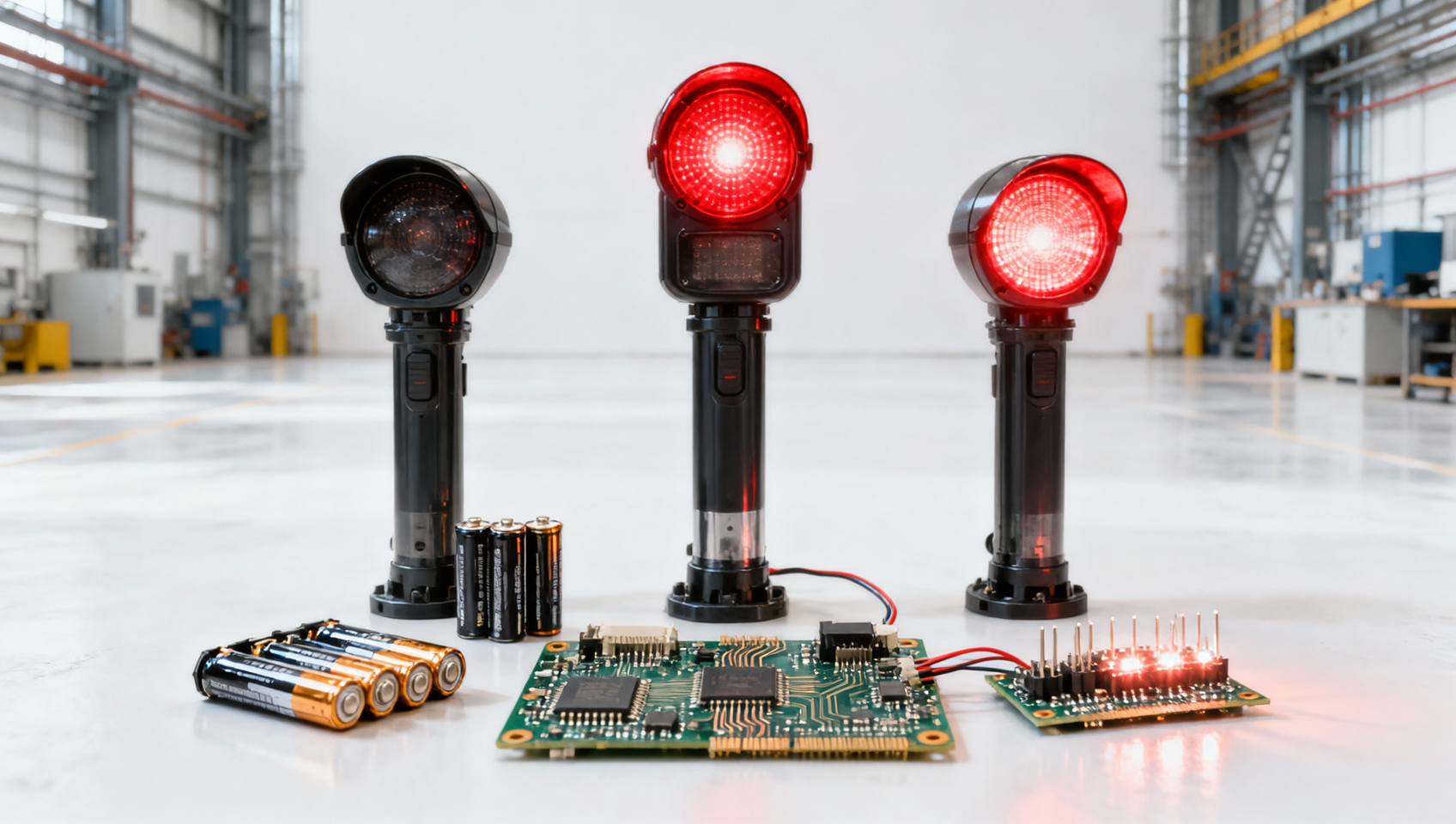
Many buyers of wholesale traffic batons notice the light getting dim after only brief daily use, raising concerns about battery quality, LED efficiency, charging circuits, and product consistency. For procurement teams, operators, and safety managers, understanding why this happens is essential to avoid unreliable signaling tools, reduce replacement costs, and choose batons built for dependable field performance.
Why do wholesale traffic batons get dim so quickly in real work conditions?
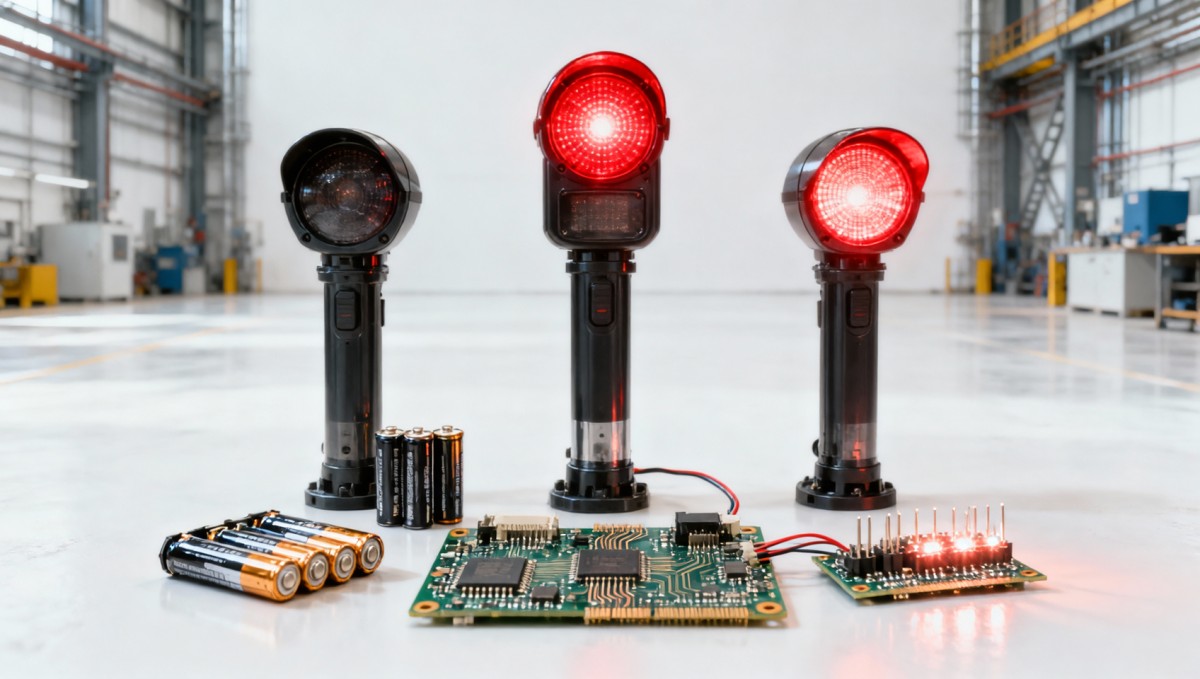
A traffic baton that looks bright during a quick inspection can lose visibility after only 15–30 minutes of daily use if its electrical design is optimized for low-cost sale rather than stable field output. In wholesale traffic baton procurement, this issue often appears in batches used by parking teams, road crews, warehouse marshals, and security staff who depend on consistent signaling across 1–3 shifts.
In most cases, dimming does not come from one single defect. It usually results from an interaction between battery capacity, LED bin quality, current regulation, charging habits, switch durability, and environmental exposure. A baton may still turn on, but reduced lumen output makes it harder to see at 20–50 meters, especially in rain, glare, or mixed urban lighting.
For B2B buyers, the practical question is not only whether the baton lights up, but whether it maintains usable brightness over repeated charging cycles. A low-price wholesale traffic baton may pass an incoming visual check yet fail after 2–6 weeks of short daily operation because the internal battery, resistor layout, or soldering quality cannot support repeated discharge and recharge.
This matters in safety-driven environments. Operators need clear signaling, procurement teams need predictable replacement intervals, and decision-makers need lower total lifecycle cost. Global Industrial Core focuses on this kind of purchasing risk by connecting surface-level product complaints to underlying design, compliance, and sourcing factors that determine real reliability.
The 4 most common technical reasons behind early dimming
- Undersized battery cells: nominal capacity on paper may not match usable runtime, especially when low-grade rechargeable cells degrade after 50–150 charging cycles.
- Poor LED drive control: without stable current regulation, brightness drops rapidly as voltage falls, creating visible dimming before the battery is fully discharged.
- High internal resistance and weak solder joints: these cause voltage loss, heat build-up, and unstable power delivery during repeated use.
- Inconsistent component sourcing across batches: one sample may perform acceptably, while later lots use different cells, LEDs, or charging boards.
Why short daily use can still cause fast performance decline
Many buyers assume brief use should protect the product, but that is not always true. If operators use a baton for 10–20 minutes, recharge it daily, and store it in a vehicle or outdoor booth, the unit experiences repeated shallow charging, temperature swings, and idle drain. Over 30–90 days, these conditions can weaken low-cost batteries faster than longer but less frequent usage.
Another overlooked factor is charging method. Batons with basic charging circuits may continue trickle charging without effective cutoff protection. That can accelerate cell aging, especially in warm environments above common indoor ranges. Once the battery voltage curve becomes unstable, the user sees the result as “the light gets dim,” even though the root cause is battery stress and poor power management.
In field operations, users rarely measure electrical values. They judge product quality by visible brightness, expected runtime, and whether the baton remains dependable over a week, a month, and a season. That is why wholesale traffic baton evaluation must move beyond brochure claims and into application-based testing.
Which components have the biggest impact on brightness retention?
When a traffic baton gets dim after short daily use, the most important components to review are the battery, LED package, driver design, charging board, switch assembly, and housing seal. Procurement teams often compare only unit price and color, but in industrial and public safety environments, these six areas usually determine whether the product remains usable after 1 month, 3 months, or 6 months of duty.
Brightness retention depends on energy delivery, not just energy storage. A battery with acceptable rated capacity can still produce poor real-world performance if the circuit allows sharp current drop, if contact springs oxidize, or if the switch adds resistance after repeated operation. For teams buying wholesale traffic batons in medium or large batches, these small electrical weaknesses often create the highest hidden replacement cost.
The table below summarizes the typical component-level causes of dimming and what buyers should inspect before approving a supplier for recurring orders.
For practical evaluation, buyers should request evidence of runtime stability rather than a single maximum brightness claim. A baton that holds usable output for 60–120 minutes per charge is often more valuable than one that starts brighter but drops sharply within the first 15 minutes. In procurement, stability is usually the safer indicator than peak output.
How housing and environment affect electrical performance
Even when the internal electronics are acceptable, poor sealing can allow moisture, dust, or corrosion to reduce conductivity. This becomes critical for roadside crews, port facilities, construction access control, and night-shift security teams. A baton stored in vehicles, exposed to humidity, or used in light rain may gradually lose brightness because connectors and charging ports deteriorate.
Mechanical shock also matters. Repeated drops from 0.5–1.2 meters can loosen solder points or damage battery tabs in lower-grade assemblies. Buyers serving field operations should consider not only ingress protection and lens quality, but also drop tolerance and contact stability over repeated handling.
Three technical checks worth adding to supplier review
- Ask for runtime behavior over a full discharge cycle, not just initial turn-on brightness.
- Confirm whether the charging circuit includes overcharge cutoff and battery protection logic.
- Review batch-to-batch component consistency for at least 2–3 production lots before larger commitments.
How should procurement teams compare wholesale traffic baton options?
Procurement mistakes usually happen when buyers compare traffic batons only by sample appearance, quoted price, or advertised battery type. A better approach is to build a structured review around 5 key dimensions: brightness retention, charge cycle durability, housing robustness, compliance documentation, and supplier consistency. This is especially important when purchasing for 50 units, 500 units, or recurring quarterly demand.
In industrial sourcing, a lower upfront price can create a higher ownership cost if the replacement rate rises after the first 30–60 days. Batons used in safety and signaling functions should be treated as operational tools, not disposable accessories. The right comparison model helps facility managers and sourcing directors reduce unplanned reorder pressure and operator complaints.
The following comparison framework can help buyers identify whether a wholesale traffic baton is suitable for light-duty, standard-duty, or more demanding field use.
This kind of comparison is useful because it connects product claims to operating consequences. If a supplier cannot describe charge protection, cycle expectations, or component consistency, the buyer is taking on quality risk. For many organizations, especially those working under contractor schedules or facility safety requirements, that risk is more expensive than a modest difference in unit price.
A practical 4-step sourcing method
- Define actual duty cycle: estimate use per shift, charging frequency, storage conditions, and visibility distance requirements.
- Test more than one sample: compare at least 3–5 units from the same lot to detect inconsistency.
- Check documentation: review battery type, charging input, material details, and any relevant CE, UL, or ISO-related production controls where applicable.
- Run a small pilot order: monitor dimming, charging behavior, and switch performance for 2–4 weeks before scale-up.
For teams managing multiple sites, a pilot order is often the most efficient protection against large-batch disappointment. It converts an uncertain quality assumption into a measurable field result.
What standards, testing points, and usage checks matter most?
Traffic batons may appear simple, but they sit at the intersection of signaling reliability, electrical safety, and handling durability. For that reason, buyers should not focus on certification labels alone. They should also review whether the product and supplier can support practical inspection points related to battery charging, material safety, and stable operation in routine field conditions.
Where market access requires it, buyers may encounter references to CE, UL, RoHS, or ISO-managed production processes. These references can support sourcing decisions, but they should not replace product-level evaluation. A wholesale traffic baton can still show dimming problems if the battery pack, board layout, or assembly control is weak, even when general compliance paperwork exists.
A stronger approach is to combine documentation review with a field-ready inspection checklist covering 6 areas: charging stability, runtime behavior, switch response, lens integrity, housing seal, and batch consistency. For organizations with monthly or quarterly replenishment cycles, this method is easier to standardize across suppliers.
Recommended incoming inspection checklist
- Verify charging time range and whether the unit becomes unusually warm during charging.
- Run each sample long enough to observe whether brightness declines sharply in the first 15–30 minutes.
- Check that the switch functions reliably through repeated on/off cycles, such as 20–50 manual actions.
- Inspect the lens and housing for gaps, loose parts, or visible sealing weakness.
- Confirm labeling consistency, accessory fit, and charger compatibility across the lot.
Why operator feedback should be part of quality control
Operators often identify dimming issues before procurement systems do. They notice when a baton becomes less visible during vehicle guidance, gate control, or nighttime pedestrian management. Their feedback should be collected after the first 7–14 days of use, because early field comments often reveal whether the product has a real endurance problem or just a misunderstanding about charging practice.
For enterprise buyers, this creates a more complete decision loop: procurement validates supplier claims, operators validate usability, and management evaluates replacement cost and safety exposure. That is the kind of cross-functional sourcing view encouraged by Global Industrial Core when assessing industrial safety accessories.
FAQ and buying guidance for teams facing repeat dimming problems
Search intent around wholesale traffic baton quality is usually practical: buyers want to know whether the problem comes from misuse, a bad batch, weak batteries, or an unsuitable product tier. The questions below address the most common decision points for researchers, users, and procurement teams.
How can I tell whether dimming is caused by the battery or the LED?
If brightness starts high and then fades progressively within a short runtime window, the battery or current regulation is often the main issue. If brightness is uneven from the start, or some sections look weaker than others, LED quality or assembly is more likely involved. In many low-cost units, both factors can appear together, which is why side-by-side testing of 3–5 pieces is useful.
Are rechargeable traffic batons always better than replaceable-battery versions?
Not always. Rechargeable designs can reduce operating cost when charging control is sound and use is frequent. However, a poor rechargeable system can create faster visible dimming than a simpler replaceable-battery model. The better choice depends on duty cycle, charging discipline, and whether the supplier can demonstrate stable battery performance over repeated use.
What should procurement teams ask before placing a large order?
Ask about 5 points: expected runtime range, charge cycle expectations, protection against overcharge, consistency across production lots, and any relevant compliance or test documentation. Also ask whether sample units come from the same production standard as volume supply. This helps reduce the risk of approving a stronger sample but receiving a weaker batch later.
How long should a pilot test last before approval?
For routine industrial or facility use, a 2–4 week pilot is often enough to reveal early dimming, charging instability, switch wear, and housing weakness. If use conditions include outdoor weather, night work, or multi-shift handling, extending the pilot to 30 days gives a more reliable picture of real operating performance.
Why work with Global Industrial Core for evaluation and sourcing support?
When wholesale traffic baton performance becomes inconsistent, the issue is rarely just about a single product complaint. It reflects a broader sourcing challenge involving safety reliability, electrical design judgment, documentation quality, and supplier screening discipline. Global Industrial Core supports industrial buyers by translating these technical and procurement variables into actionable evaluation criteria.
For EPC contractors, facility managers, procurement leaders, and operational teams, that means help with practical questions: which battery and charging design fits your duty cycle, which test points should be verified before scale-up, what delivery timeline is realistic for sample and batch review, and how to compare supplier claims without relying on marketing language alone.
If your team is reviewing wholesale traffic baton options, you can consult Global Industrial Core on parameter confirmation, brightness-retention evaluation, sample testing priorities, compliance-related documentation, batch consistency concerns, and quotation comparison. This is especially useful when you need to balance budget control, dependable field visibility, and repeat procurement confidence across multiple sites.
Contact us to discuss your required runtime range, charging method, usage environment, sample support needs, expected delivery window, and whether a standard or custom traffic baton configuration is more suitable for your project. Clear early evaluation reduces replacement waste later, and it helps ensure the signaling tools your teams carry remain visible when safety depends on them.
Technical Specifications
Expert Insights

Chief Security Architect
Dr. Thorne specializes in the intersection of structural engineering and digital resilience. He has advised three G7 governments on industrial infrastructure security.
Related Analysis
- Apr 14, 2026How accurate is a true RMS multimeter on VFD signals?Author :Precision Metrology Expert
- Apr 14, 2026When a digital oscilloscope wholesale quote looks cheap at firstAuthor :Precision Metrology Expert
- Apr 14, 2026What changes when an ozone generator goes commercial gradeAuthor :Environmental Engineering Director
Core Sector // 01
Security & Safety
- Automatic hand sanitizers with sensors or pedals?Author :Safety Compliance Lead

- Does a wholesale shoe cover dispenser really reduce contamination?Author :Safety Compliance Lead

- ESD anti static shoes that pass tests but feel unsafe on siteAuthor :Safety Compliance Lead

- Why wholesale cleanroom garments vary so much in durabilityAuthor :Safety Compliance Lead

- Scaffolding tags are simple until weather starts erasing themAuthor :Safety Compliance Lead

- Do wholesale safety nets hold up after months of UV exposure?Author :Safety Compliance Lead

- Wheel chocks wholesale: rubber or polyurethane on sloped ground?Author :Safety Compliance Lead

- Why wholesale traffic batons get dim after short daily useAuthor :Safety Compliance Lead