Does a wholesale shoe cover dispenser really reduce contamination?
Author
Date Published
Reading Time
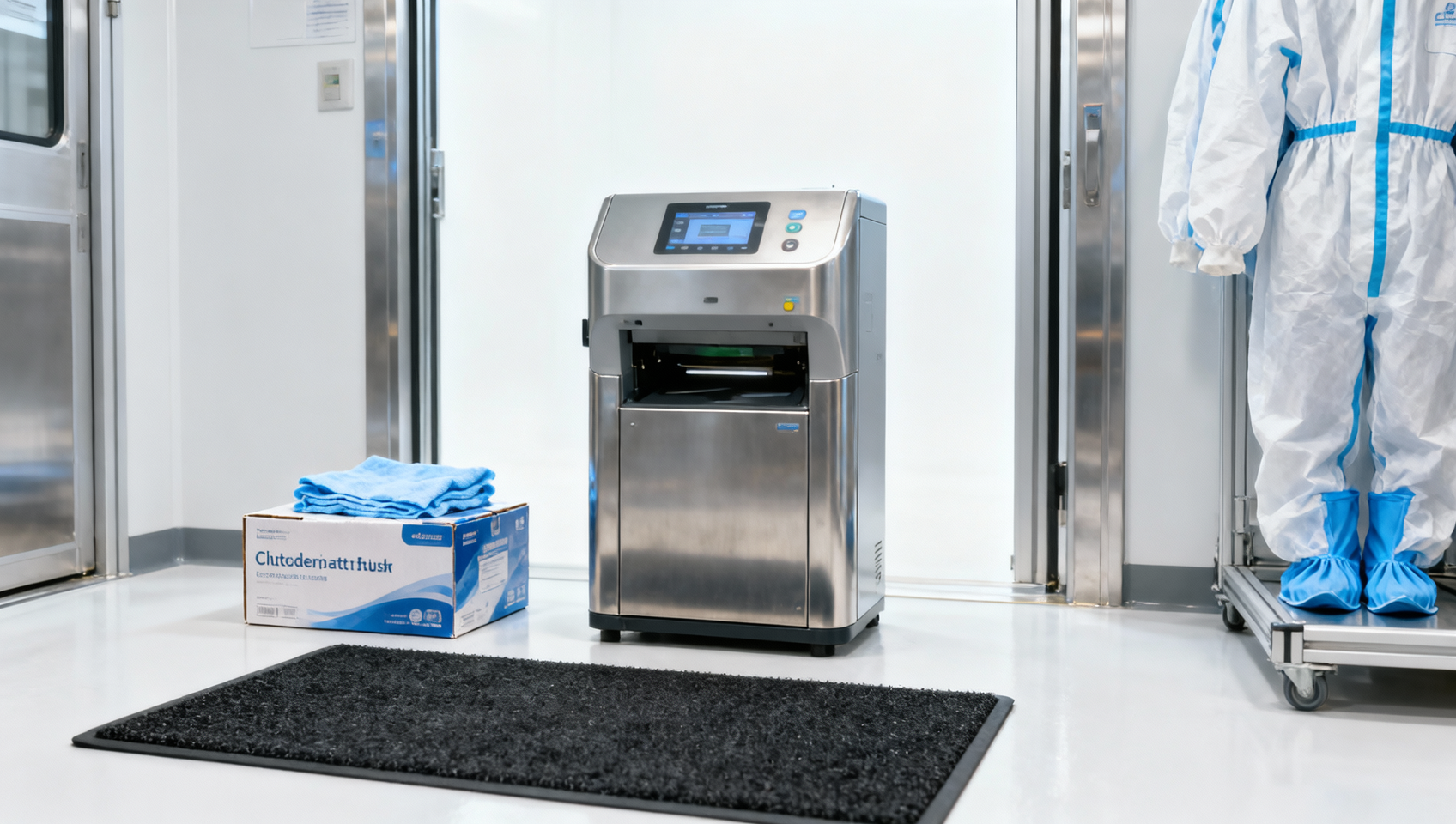
Can a wholesale shoe cover dispenser actually lower contamination risks in demanding environments? For cleanrooms, labs, healthcare sites, and industrial facilities, the answer depends on workflow design, user compliance, and supporting controls such as sticky mats cleanroom systems, lint free wipes bulk, and wholesale cleanroom garments. This article examines where automated shoe covering improves hygiene efficiency, where its limits appear, and what buyers should evaluate before investing.
When does a wholesale shoe cover dispenser reduce contamination in real operations?
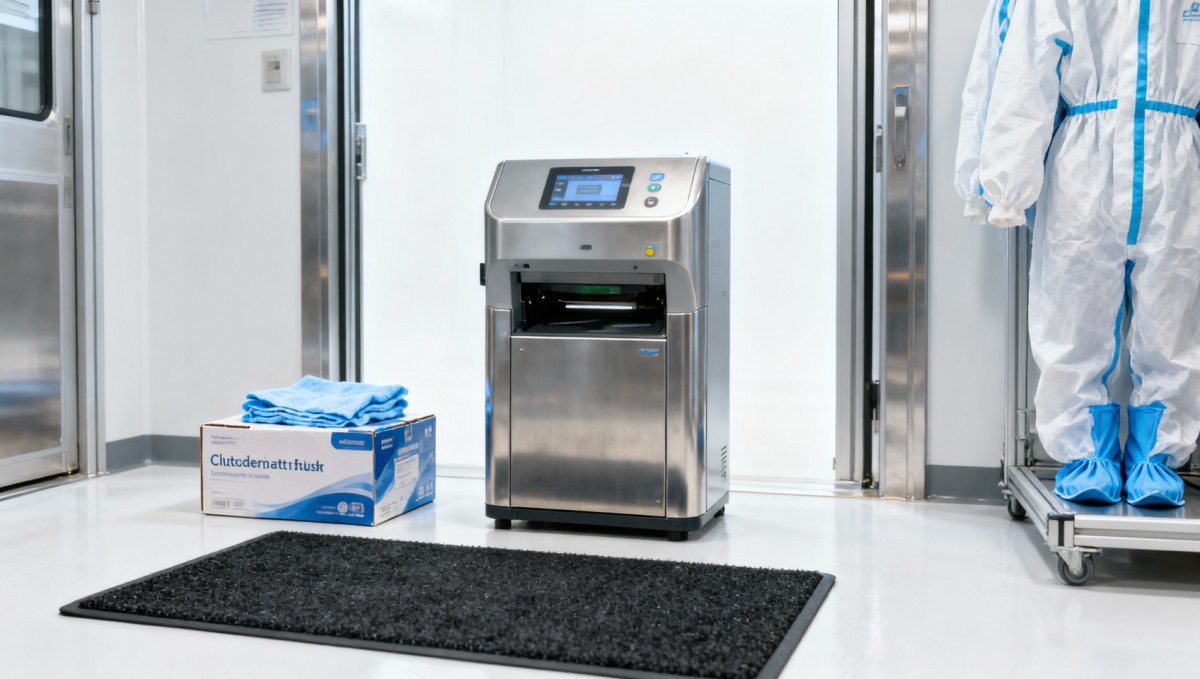
A wholesale shoe cover dispenser can reduce contamination, but only under controlled conditions. In facilities where operators move between low-risk and controlled zones 20–100 times per shift, manual shoe cover application often creates avoidable touch points. Workers handle packaging, bend down near floor-level particles, and sometimes skip replacement when lines are busy. A dispenser shortens the donning process to a few seconds and lowers hand-to-footwear contact, which can improve consistency in daily hygiene routines.
The strongest performance appears in environments with repeatable traffic patterns. Examples include electronics assembly support areas, diagnostic labs, pharmaceutical preparation corridors, food packaging transition points, and visitor entry zones for clean production spaces. In these settings, contamination control depends less on one device alone and more on whether the dispenser is placed at the right threshold, replenished on time, and supported by clear visual instructions within 3–4 operational steps.
It is also important to separate particle control from microbial control. A shoe cover dispenser may help reduce dust, debris carry-in, and floor-borne transfer from common shoes, yet it does not replace full gowning protocols where sterile or tightly classified environments are involved. Buyers should treat it as one layer in a contamination control strategy, not a stand-alone answer for compliance-sensitive production or clinical work.
For procurement teams, the practical question is not whether the dispenser is useful in theory, but whether it fits the site’s traffic volume, footwear types, floor layout, and training discipline. In well-run facilities, it can improve operational hygiene and reduce procedural friction. In poorly designed workflows, it may become one more unattended station that operators bypass.
Why automation helps more than manual shoe cover handling
Manual application often fails for simple reasons: workers rush, gloves become contaminated, and packages are left open in high-traffic zones. A dispenser standardizes the donning motion and can reduce direct handling of the outer shoe cover surface. In facilities with multiple shifts or contractor traffic, that consistency matters because contamination events often result from repeated small deviations rather than a single major failure.
Another advantage is throughput. In visitor management or mixed-use industrial sites, a dispenser can process users more quickly than manual distribution, especially during shift changes. If 15–30 people enter within a 10-minute period, even small time savings per person reduce bottlenecks at the entry point. Less queueing can improve compliance because workers are less tempted to enter without protective covering.
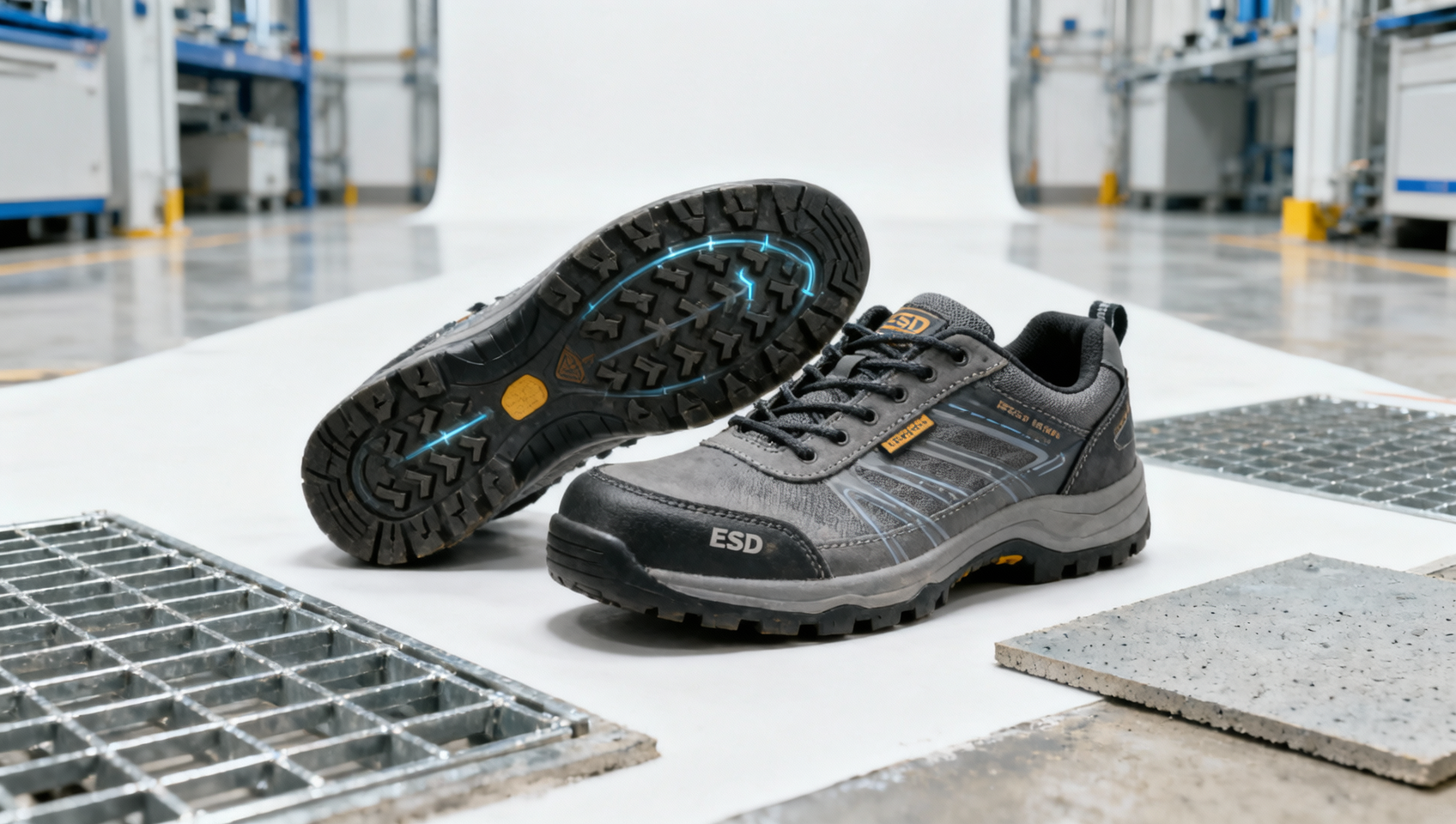
However, automation only helps when the cover material fits the footwear profile. Safety boots, anti-static shoes, bulky winter footwear, and textured soles can affect loading and fit. If the dispenser jams or produces loose covers, operators quickly lose trust. That is why technical fit testing with actual site footwear is more valuable than a generic product brochure.
Three conditions that determine success
- Proper placement at the contamination boundary, not several meters before or after the controlled entry point.
- Reliable replenishment and daily checks, especially in facilities with medium to high foot traffic across 2–3 shifts.
- Integration with adjacent controls such as sticky mats cleanroom systems, garment stations, and disposal bins.
Which environments benefit most, and where are the limits?
Not every site gains the same value from a wholesale shoe cover dispenser. In a general warehouse, the dispenser may add little if contamination risk is low and vehicle traffic dominates floor exposure. In contrast, controlled assembly, sample handling, healthcare support corridors, and renovation zones inside active facilities often benefit because human footwear becomes a frequent source of dust, fibers, and external debris. The risk profile depends on both floor sensitivity and entry frequency.
Clean-adjacent spaces often see the best balance of cost and benefit. These are not always ISO-classified rooms themselves, but they protect a process that can be affected by floor-borne particles. Examples include pre-entry packaging rooms, instrument staging areas, laboratory support spaces, and maintenance access routes near controlled operations. In those areas, shoe cover automation helps protect downstream processes without forcing full gowning at every movement point.
Limits appear in environments with sharp debris, standing liquids, aggressive chemicals, or extreme wear. A dispenser cannot compensate for torn covers, poor floor maintenance, or wet contamination transfer. Facilities with heavy outdoor-to-indoor transitions may still require dedicated sole cleaning, zoned footwear changes, or washable overshoes. That is why contamination control should be designed around the hazard type: dry particulates, moisture, biological material, or mixed industrial residue.
For decision-makers, the most useful approach is segmentation. Divide the site into 3 categories: high-control areas, transitional zones, and low-risk general access. Then assess whether disposable shoe covering reduces measurable exposure, procedural delays, or housekeeping burden in each category. This avoids overspending on dispensers where basic housekeeping would deliver more value.
Application scenarios by contamination sensitivity
The table below helps buyers compare where a wholesale shoe cover dispenser is usually practical, where additional controls are needed, and where alternative methods may be preferable.
The key takeaway is straightforward: the dispenser performs best where entry is frequent, flooring must stay clean, and footwear contamination is mostly dry and manageable. It performs less well where floor hazards physically damage disposable covers or where contamination originates from broader process failures rather than foot traffic.
Where buyers often overestimate impact
Some teams assume a shoe cover dispenser can replace disciplined cleaning or gowning. It cannot. If a site has uncontrolled material transfer, poor door discipline, or inconsistent air pressure management, a footwear control station will only address one part of the problem. Similarly, where staff move between multiple risk zones within 30–60 minutes, shoe covering rules must be tied to route design, not just equipment placement.
There is also a maintenance reality. Dispensers need replenishment, occasional mechanical inspection, and positioning that does not obstruct emergency routes. In procurement reviews, this should be treated as an operating practice issue rather than a one-time equipment purchase. The most successful installations pair the product with ownership rules at site level.
What should procurement teams compare before buying?
For buyers, the main risk is selecting on unit price alone. A low-cost wholesale shoe cover dispenser can become expensive if it jams, tears covers, fails with safety footwear, or requires frequent manual intervention. Procurement should compare at least 5 dimensions: footwear compatibility, replenishment method, throughput, material quality of the covers, and installation suitability. In B2B environments, usability over 12–24 months usually matters more than the opening purchase price.
Site traffic volume is another deciding factor. A facility with fewer than 20 entries per day may manage well with manual distribution, while a site with 100–300 daily entries may justify a dispenser if labor friction, compliance gaps, or housekeeping costs are visible. This does not require a complex statistical model. A simple one-week observation of entry behavior, missed coverings, and queue delays often provides enough decision support.
Material selection should not be ignored. Different shoe covers offer varying resistance to tearing, slipping, and floor abrasion. Some sites prioritize low lint generation; others need stronger anti-slip behavior for smooth sealed floors. Procurement teams should ask for sample evaluation under real footwear and real walking paths, ideally across at least 2 shifts and multiple user groups including operators, visitors, and maintenance staff.
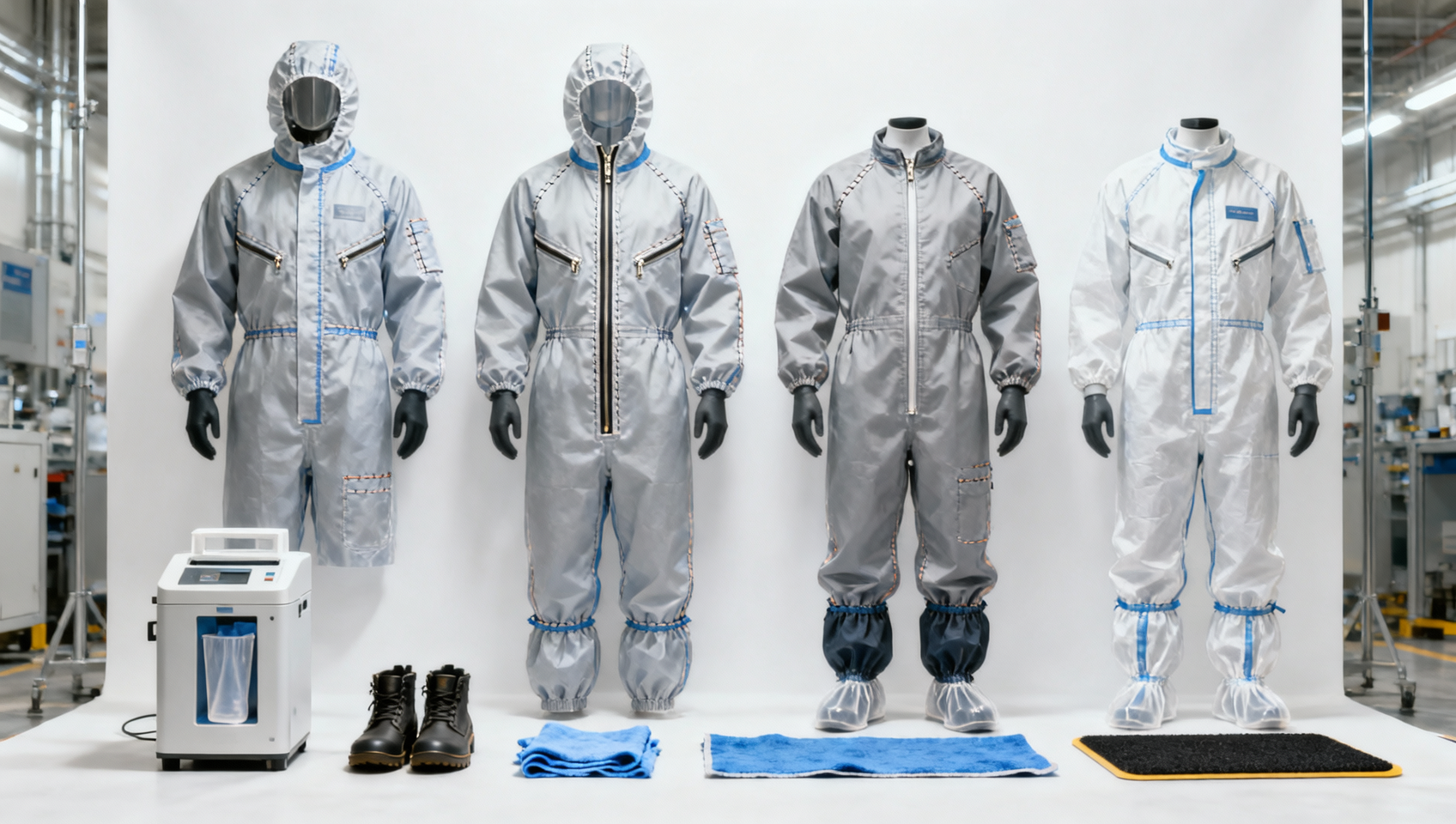
GIC typically advises buyers to evaluate the dispenser as part of an entry-control package rather than as a stand-alone consumable accessory. That package may include wholesale cleanroom garments, sticky mats cleanroom systems, disposal handling, refill logistics, and signage. This broader view helps prevent fragmented purchasing and makes vendor comparison more meaningful.
Selection checklist for industrial and controlled environments
The table below translates purchasing questions into practical criteria that procurement teams, facility managers, and operators can assess together before issuing an order.
A structured evaluation prevents the most common mistake: buying a dispenser that works in demonstrations but underperforms in the actual traffic, footwear, and floor conditions of the plant or facility. For B2B buyers, operational fit should always be validated before scaling from one station to multiple entry points.
Four procurement questions worth asking suppliers
- What footwear size range and shoe types have been practically tested with this dispenser format?
- How many covers can the unit hold before refill, and what is the average refill procedure time?
- Which cover materials are available for different floor conditions, including smooth coatings and light industrial surfaces?
- Can the supplier support sample validation, implementation guidance, and adjacent products such as wholesale cleanroom garments or lint free wipes bulk?
How should facilities implement a dispenser without creating a false sense of control?
Implementation matters as much as product choice. A wholesale shoe cover dispenser should be installed at the exact transition where uncontrolled footwear becomes unacceptable, not in a remote hallway or after the sensitive area has already been entered. In most sites, the best result comes from a 4-step sequence: visual instruction, dispenser station, adhesive floor mat or boundary confirmation, and waste collection on exit. This creates a clear behavioral path that users can follow without supervision.
Training should be brief but specific. Operators do not need a long classroom session. They need to know when to use the station, how to recognize poor cover fit, where to dispose of used covers, and when to escalate stock shortages. In many facilities, a 10-minute induction plus visible signage is enough for regular users, while contractors and visitors may need guided entry during the first few visits.
Monitoring should focus on behavior and housekeeping outcomes, not just product consumption. Useful indicators include empty-station frequency, visible floor debris at the threshold, number of uncovered entries during peak periods, and user feedback on fit or slipping. These are practical operational checks that can be reviewed weekly during the first month and monthly after stabilization.
Facilities with stricter controls should align the dispenser program with existing procedures for PPE, zone segregation, and cleaning verification. If the site already uses sticky mats cleanroom measures, lint control tools, or dedicated garment changes, the shoe cover station should support those systems, not compete with them. Consistency reduces user confusion and helps keep compliance visible.
A practical implementation flow
- Map entry routes and identify 1–3 true contamination boundaries where footwear control makes operational sense.
- Run a pilot for 7–14 days with real users from operations, maintenance, and visitor management.
- Adjust dispenser placement, refill frequency, and signage based on jams, queueing, and skipped usage.
- Scale only after the pilot shows acceptable fit, safe walking behavior, and manageable replenishment effort.
Common mistakes and risk signals
One common mistake is installing the dispenser without a disposal plan. Used covers then collect near doors or are tracked into mixed-use zones, undermining hygiene. Another mistake is assigning no owner for refill control. When responsibility is unclear across cleaning, operations, and EHS teams, the station may remain empty during the busiest periods.
A third issue is poor compatibility with site footwear. If operators wearing anti-static shoes get acceptable results but maintenance staff in safety boots do not, the facility may need separate entry logic or an alternative overshoe solution. A single standardized answer does not always work across an entire plant.
FAQ and buyer guidance for contamination-control planning
The questions below address frequent concerns from researchers, operators, procurement managers, and business decision-makers evaluating a wholesale shoe cover dispenser as part of a wider contamination-control program.
Is a dispenser enough for a cleanroom on its own?
Usually no. In controlled environments, a shoe cover dispenser is one element in a layered system. Depending on the process, you may also need gowning procedures, sticky mats cleanroom controls, hand hygiene, lint free wipes bulk for surface support, and documented cleaning schedules. The stricter the environment, the less appropriate it is to rely on one entry device alone.
How long does evaluation and deployment usually take?
A practical site evaluation can often be completed in 1–2 weeks if sample units and cover materials are available. Broader rollout across multiple doors may take another 2–4 weeks depending on supplier lead time, internal approval, signage preparation, and cross-team training. Facilities with strict procurement procedures or imported consumables may need longer planning windows.
What is the biggest misconception about contamination reduction?
The biggest misconception is assuming that faster donning automatically equals lower contamination. Faster entry helps only when users actually comply, covers remain intact, and the station is positioned at the correct boundary. A poorly located dispenser with weak consumables can create the appearance of control without delivering meaningful reduction in floor-borne transfer.
When should buyers consider alternatives?
Consider alternatives when floors are frequently wet, surfaces are abrasive, or users wear heavy-duty boots that disposable covers cannot accommodate well. In those cases, dedicated change footwear, reusable overshoes, or sole-cleaning systems may be more durable. The decision should follow a risk review of surface condition, contamination type, and traffic pattern rather than habit or appearance.
Why work with GIC when evaluating shoe cover dispensers and related clean-control supplies?
For industrial buyers and facility leaders, the challenge is rarely just finding a wholesale shoe cover dispenser. The real challenge is deciding how that product fits into a broader contamination-control, compliance, and sourcing strategy. GIC supports that decision with a sourcing-oriented view that connects equipment practicality, operational risk, and adjacent supply categories relevant to modern industry.
That means discussions can go beyond a simple catalog request. Buyers can assess parameter confirmation, site-fit evaluation, product selection, cover material suitability, and whether the dispenser should be paired with wholesale cleanroom garments, sticky mats cleanroom systems, or lint free wipes bulk. This integrated approach helps procurement teams avoid isolated purchases that fail during implementation.
If your team is comparing options, GIC can help structure the review around 5 practical decision points: application scenario, footwear compatibility, throughput needs, replenishment workflow, and compliance expectations. This is especially useful for EPC contractors, facility managers, and industrial procurement directors who must balance hygiene requirements, operating continuity, and sourcing efficiency across multiple sites.
Contact GIC to discuss sample support, product selection logic, typical delivery timelines, custom configuration questions, and quotation planning for single-site or multi-site deployment. If you are unsure whether a wholesale shoe cover dispenser will genuinely reduce contamination in your operation, a structured consultation can clarify the answer before budget is committed.
Technical Specifications
Expert Insights

Chief Security Architect
Dr. Thorne specializes in the intersection of structural engineering and digital resilience. He has advised three G7 governments on industrial infrastructure security.
Related Analysis
- Apr 14, 2026How accurate is a true RMS multimeter on VFD signals?Author :Precision Metrology Expert
- Apr 14, 2026When a digital oscilloscope wholesale quote looks cheap at firstAuthor :Precision Metrology Expert
- Apr 14, 2026What changes when an ozone generator goes commercial gradeAuthor :Environmental Engineering Director
Core Sector // 01
Security & Safety
- Automatic hand sanitizers with sensors or pedals?Author :Safety Compliance Lead

- Does a wholesale shoe cover dispenser really reduce contamination?Author :Safety Compliance Lead

- ESD anti static shoes that pass tests but feel unsafe on siteAuthor :Safety Compliance Lead

- Why wholesale cleanroom garments vary so much in durabilityAuthor :Safety Compliance Lead

- Scaffolding tags are simple until weather starts erasing themAuthor :Safety Compliance Lead

- Do wholesale safety nets hold up after months of UV exposure?Author :Safety Compliance Lead

- Wheel chocks wholesale: rubber or polyurethane on sloped ground?Author :Safety Compliance Lead

- Why wholesale traffic batons get dim after short daily useAuthor :Safety Compliance Lead