What changes when an ozone generator goes commercial grade
Author
Date Published
Reading Time
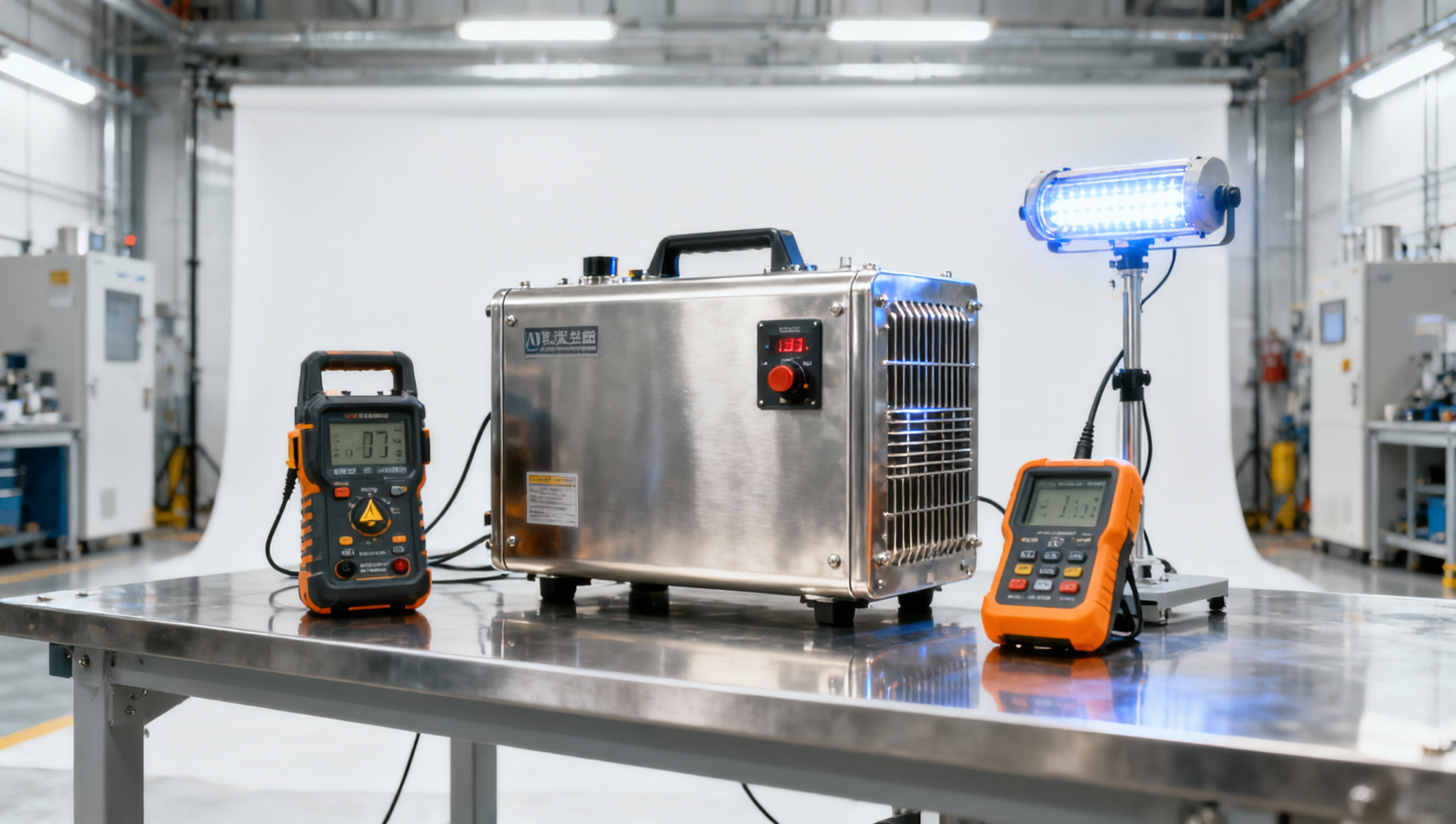
When an ozone generator goes commercial grade, the conversation shifts from simple air treatment to compliance, runtime durability, and application-specific performance. For buyers comparing ozone generator commercial systems alongside wholesale uv sterilization lamps, portable gas monitors, and carbon monoxide alarms, the real difference lies in safety integration, output stability, and total operating value—factors that matter to facility operators, procurement teams, and industrial decision-makers alike.
What actually changes when an ozone generator becomes commercial grade?
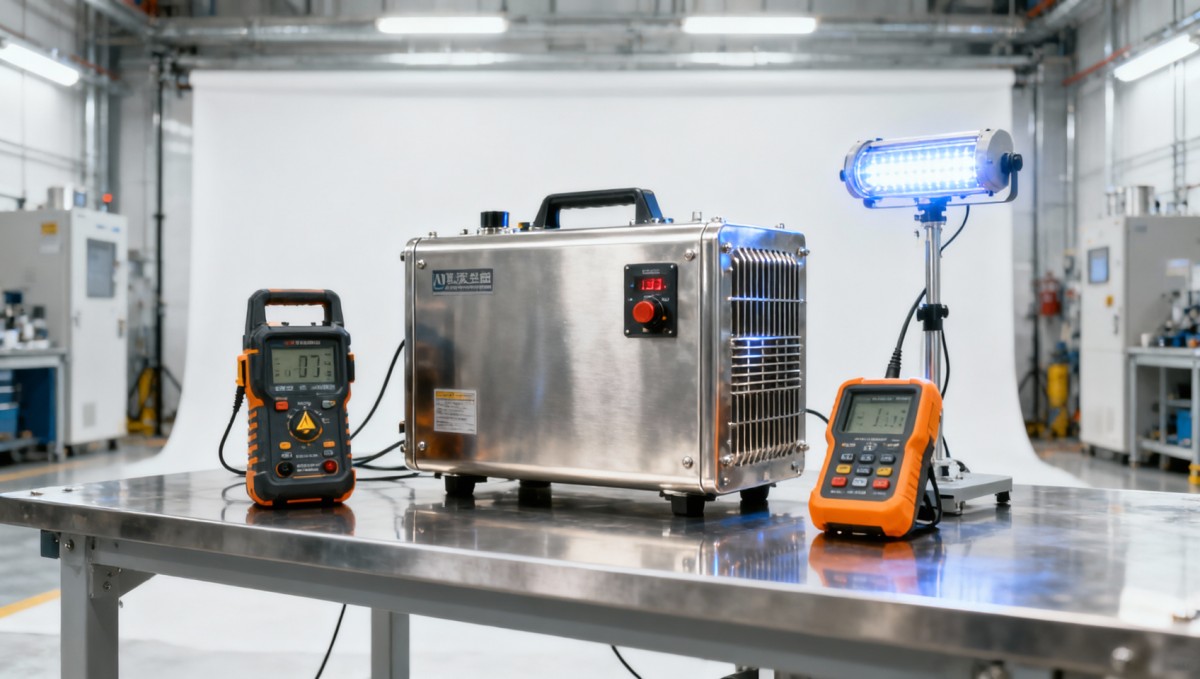
A commercial ozone generator is not simply a larger version of a consumer unit. In industrial and mixed-use facilities, the upgrade usually involves higher ozone output ranges, longer duty cycles, stronger enclosure design, and more deliberate control logic. Instead of occasional odor treatment, these systems are expected to support repeatable disinfection or oxidation tasks over scheduled operating windows such as 2–8 hours per cycle or multiple cycles per week.
The engineering priorities also change. Operators care about startup consistency, alarm behavior, maintenance intervals, and integration with broader environmental safety equipment. Procurement teams care about whether the ozone generator commercial package includes timer control, interlocks, contactor-grade components, replaceable plates or tubes, and documentation that supports CE, UL, or ISO-oriented purchasing workflows where applicable.
For decision-makers in warehouses, food processing support zones, water treatment rooms, hospitality back-of-house spaces, and restoration environments, commercial grade means reduced uncertainty. The unit must perform under longer runtime conditions, tolerate dust or humidity within specified limits, and fit into a risk-managed process rather than a one-off cleaning routine.
This is why professional buyers increasingly compare ozone equipment as part of a broader safety and environment package. A site that evaluates ozone treatment often also reviews wholesale uv sterilization lamps for line-of-sight treatment, portable gas monitors for worker exposure control, and carbon monoxide alarms for combustion-related areas. The purchasing logic is no longer single-device; it is system-level.
Three practical indicators of commercial-grade design
- Continuous or semi-continuous duty design, often with defined operating windows such as 4, 6, or 8 hours rather than short household cycles.
- Serviceable components and predictable maintenance planning, typically involving periodic inspection every month or every quarter depending on dust load and use frequency.
- Control and safety readiness, including timer logic, remote switching, warning labels, room vacancy procedures, and compatibility with gas monitoring or lockout practices.
Where does a commercial ozone generator fit in real operations?
Commercial-grade ozone systems are selected because facilities face odor control, oxidative treatment, and turnaround pressure that lighter equipment cannot handle reliably. In restoration work after smoke or water events, the demand is often short-term but intensive. In storage rooms, vehicle detailing bays, or waste handling zones, the demand may be recurring and tied to weekly or daily schedules.
The most suitable environments are usually unoccupied treatment areas or tightly controlled spaces where personnel access can be restricted. Ozone is effective for oxidation, but it is not a casual, always-on air freshening tool. Commercial users must account for exposure control, post-treatment ventilation, and re-entry timing. In practice, that means operating with a defined process: room preparation, treatment cycle, dwell period, ventilation, and verification.
This distinction matters to operators. A facility manager may not need the highest output unit on the market; they need the right output for room volume, contamination level, and turnaround target. A room requiring overnight treatment has different needs from a service bay that must be returned to use within 2–4 hours. Oversizing can increase risk and under-sizing can waste labor time.
GIC’s value in this stage is helping buyers connect operational conditions with product class. Instead of buying on headline output alone, teams can compare environmental constraints, safety workflow, and support documentation across ozone generators, wholesale uv sterilization lamps, and detection devices used to keep personnel protected before re-entry.
Typical application scenarios and decision points
The table below helps separate where a commercial ozone generator is commonly considered, what operating condition usually matters most, and what complementary equipment may also be required in the same procurement cycle.
The key takeaway is that application fit decides value. In some environments, a commercial ozone generator is the correct oxidation tool. In others, wholesale uv sterilization lamps may be more suitable for exposed surfaces or air-path equipment, while portable gas monitors and alarms remain essential for safe occupancy management around treatment processes.
Which technical specifications matter most during comparison?
Many buyers start with ozone output and stop there. That is a mistake. Output rating matters, but it must be read together with airflow design, enclosure materials, timer range, fan performance, power input, serviceability, and environmental limitations. A unit that looks strong on paper may perform poorly if the fan is undersized, the generator cell degrades quickly, or maintenance access is impractical for the site.
In commercial procurement, three technical layers usually deserve equal attention. First is process performance: output range, treatment time, and room-size fit. Second is electrical and mechanical durability: power stability, cooling, and component life under repeated cycles. Third is operational control: timers, indicators, remote stop capability, and procedures that support worker safety and documentation.
A practical comparison also includes maintenance intervals. Some facilities can support monthly inspection and routine cleaning; others only allow quarterly service windows. If the ozone generator commercial system needs frequent shutdown for cleaning in dusty conditions, labor cost can erase the advantage of lower acquisition price. This is especially relevant for distributed facilities with multiple sites.
Professional sourcing teams often ask for a parameter matrix before requesting quotation. That matrix should not only show output, but also duty cycle, recommended room volume range, operating temperature range where stated, service parts availability, and documentation included at delivery. These details reduce ambiguity before trial deployment.
Parameter checklist for commercial evaluation
The following table summarizes the specifications that most often affect performance, maintenance, and purchasing confidence when reviewing a commercial ozone generator.
This checklist also helps compare alternatives fairly. A lower-price ozone unit without clear duty cycle guidance may create more risk than a better-documented system paired with portable gas monitors and a defined re-entry process. In industrial purchasing, clarity is often more valuable than aggressive headline claims.
Four technical questions buyers should ask suppliers
- What room volume and contamination level was used to derive the recommended treatment cycle?
- What maintenance tasks are expected every month, every quarter, and after heavy-use periods?
- What controls are included for safe operation in unoccupied spaces and documented restart procedures?
- What spare parts or consumables may affect lead times over the next 6–12 months?
How should procurement teams compare ozone, UV, and gas safety devices?
Commercial buyers often group ozone generators with wholesale uv sterilization lamps, portable gas monitors, and carbon monoxide alarms during the same project phase because each addresses environmental safety from a different angle. However, these are not substitutes in a simple one-to-one sense. They solve different process problems and often work best as complementary tools.
An ozone generator commercial system is typically chosen for oxidation-based treatment in controlled, unoccupied spaces. UV sterilization equipment is commonly considered where line-of-sight irradiation or enclosed air-path treatment is more appropriate. Portable gas monitors help verify atmospheric conditions, while carbon monoxide alarms support occupancy safety in areas with combustion equipment or attached service spaces.
From a procurement perspective, the real comparison is about process design, not marketing category. If the facility needs post-event odor remediation, ozone may be the primary device. If the facility wants ongoing treatment inside HVAC or controlled cabinets, UV may be reviewed. If the facility needs personnel safety assurance before entry, monitoring devices become mandatory rather than optional.
This systems view is central in large B2B environments. EPC contractors, facility managers, and sourcing directors rarely buy one item in isolation. They assess equipment interaction, standard operating procedures, installation constraints, and long-term ownership cost over 12–36 months.
Functional comparison for decision-makers
The table below clarifies the role of each equipment type so procurement teams can build a more coherent environmental treatment and safety package.
For many facilities, the best answer is layered purchasing. Ozone performs the treatment task, gas monitors support safe verification, and alarms handle adjacent life-safety requirements. That layered approach reduces compliance gaps and gives operators a clearer procedure to follow shift after shift.
What should buyers check before placing a commercial order?
Before issuing a purchase order, buyers should convert application needs into a short technical brief. A useful brief contains at least 5 items: room size or treatment volume, target use frequency, available power supply, occupancy restrictions, and required delivery timeline. This prevents the common problem of buying a high-output unit that does not fit electrical conditions, maintenance staffing, or site procedures.
It is also wise to align commercial ozone generator procurement with safety documentation. The supplier should be able to explain operating assumptions, maintenance needs, and any installation or usage limitations. If the project also includes wholesale uv sterilization lamps or portable gas monitors, procurement should consolidate documentation review to avoid fragmented commissioning later.
Lead time planning matters. For standard configurations, buyers often expect shipment windows measured in days or a few weeks, but actual timing depends on voltage variation, plug format, enclosure requirements, and spare part inclusion. For larger projects, a 2–4 week planning cycle for technical alignment is common even before final shipping is scheduled.
Finally, think in lifecycle terms. The lowest initial quote may exclude spare parts, omit operating accessories, or lack enough guidance for multi-site training. Commercial-grade purchasing is justified when it reduces unscheduled downtime, improves repeatability, and lowers rework across the next 12 months rather than only the next 12 days.
Pre-order checklist for industrial and commercial buyers
- Confirm the treatment environment: enclosed room, service bay, restoration zone, or utility support space, and note whether the area is fully unoccupied during operation.
- Request operating guidance that links treatment cycle duration to room volume and contamination severity instead of relying only on a single output number.
- Check power input, plug type, and whether the facility needs portable deployment or fixed-position use across multiple locations.
- Review maintenance expectations for every month, every quarter, and after intensive use periods to estimate internal labor demand.
- If worker safety review is part of the project, align the order with portable gas monitors, warning procedures, and any carbon monoxide alarm requirements in nearby spaces.
Common misconceptions that create purchasing risk
One common misconception is that more ozone output automatically means better value. In reality, excess output can complicate room turnaround and ventilation planning. Another is that commercial grade only means a metal case. True commercial performance is a combination of runtime stability, serviceability, and safe process control.
A third misconception is treating ozone as a stand-alone answer. In serious operations, environmental treatment and personnel safety are linked. That is why many professional buyers review ozone equipment together with wholesale uv sterilization lamps, portable gas monitors, and carbon monoxide alarms as part of one site risk strategy.
Why work with GIC when evaluating commercial ozone solutions?
Global Industrial Core supports buyers who cannot afford vague specifications or mismatched sourcing decisions. In sectors where infrastructure, safety, and environmental control intersect, the right purchase depends on more than catalog language. Teams need structured comparison, practical application mapping, and a clear understanding of how ozone treatment interacts with measurement, ventilation, alarms, and maintenance planning.
For information researchers, GIC helps separate marketing claims from operationally useful criteria. For operators, the value is in understanding runtime expectations, room-use restrictions, and maintenance reality. For procurement teams, the benefit is a cleaner vendor evaluation process. For decision-makers, the result is a sourcing path that supports compliance, continuity, and lower avoidable cost.
If you are comparing an ozone generator commercial package with wholesale uv sterilization lamps, portable gas monitors, or carbon monoxide alarms, GIC can help you organize the decision into a few practical layers: application fit, parameter confirmation, safety workflow, and supply readiness. That approach is especially useful when projects involve EPC coordination, facility retrofits, or regional sourcing across multiple standards environments.
Contact GIC to discuss the points that actually determine a successful order: output and room-fit confirmation, duty cycle expectations, delivery window planning, spare part scope, documentation support, certification-related questions, and quotation alignment for multi-item procurement. If needed, you can also request guidance on how to compare ozone treatment with UV options or how to pair treatment devices with monitoring and alarm equipment for safer site implementation.
Questions you can bring to the next discussion
- Which ozone generator commercial configuration matches your room volume, use frequency, and turnaround target?
- Whether wholesale uv sterilization lamps would be a better fit for part of the process or for fixed-installation treatment points.
- What type of portable gas monitors or carbon monoxide alarms should be included to support occupancy safety and operational procedures.
- How delivery timing, spare parts, and documentation can be structured for single-site or multi-site rollout.
Technical Specifications
Expert Insights

Chief Security Architect
Dr. Thorne specializes in the intersection of structural engineering and digital resilience. He has advised three G7 governments on industrial infrastructure security.
Related Analysis
- Apr 14, 2026How accurate is a true RMS multimeter on VFD signals?Author :Precision Metrology Expert
- Apr 14, 2026When a digital oscilloscope wholesale quote looks cheap at firstAuthor :Precision Metrology Expert
- Apr 14, 2026What changes when an ozone generator goes commercial gradeAuthor :Environmental Engineering Director
Core Sector // 01
Security & Safety
- What changes when an ozone generator goes commercial gradeAuthor :Environmental Engineering Director

- Shanghai Heat Pump Expo 2026 Opens as EU Energy Rules Drive China's Tech UpgradeAuthor :Environmental Engineering Director

- Tingyi Showcases Green Innovation at CBST2026, Offering Modular Solutions for Overseas Beverage LinesAuthor :Environmental Engineering Director

- Industrial valves wholesale suppliers rarely disclose actual test pressure duration — how long is ‘tested at 1.5x’ really?Author :Environmental Engineering Director

- Stainless steel ball valves seize after exposure to chlorinated water — cleaning protocols matter more than gradeAuthor :Environmental Engineering Director

- Cast iron gate valves crack during freeze-thaw cycles — ductile iron isn’t always the safer alternativeAuthor :Environmental Engineering Director

- Butterfly valves wafer type vibrate at certain frequencies — resonance risk increases with larger diametersAuthor :Environmental Engineering Director

- Globe valves wholesale models vary widely in seat leakage class — don’t assume Class IV means tight shutoffAuthor :Environmental Engineering Director