Scaffolding tags are simple until weather starts erasing them
Author
Date Published
Reading Time
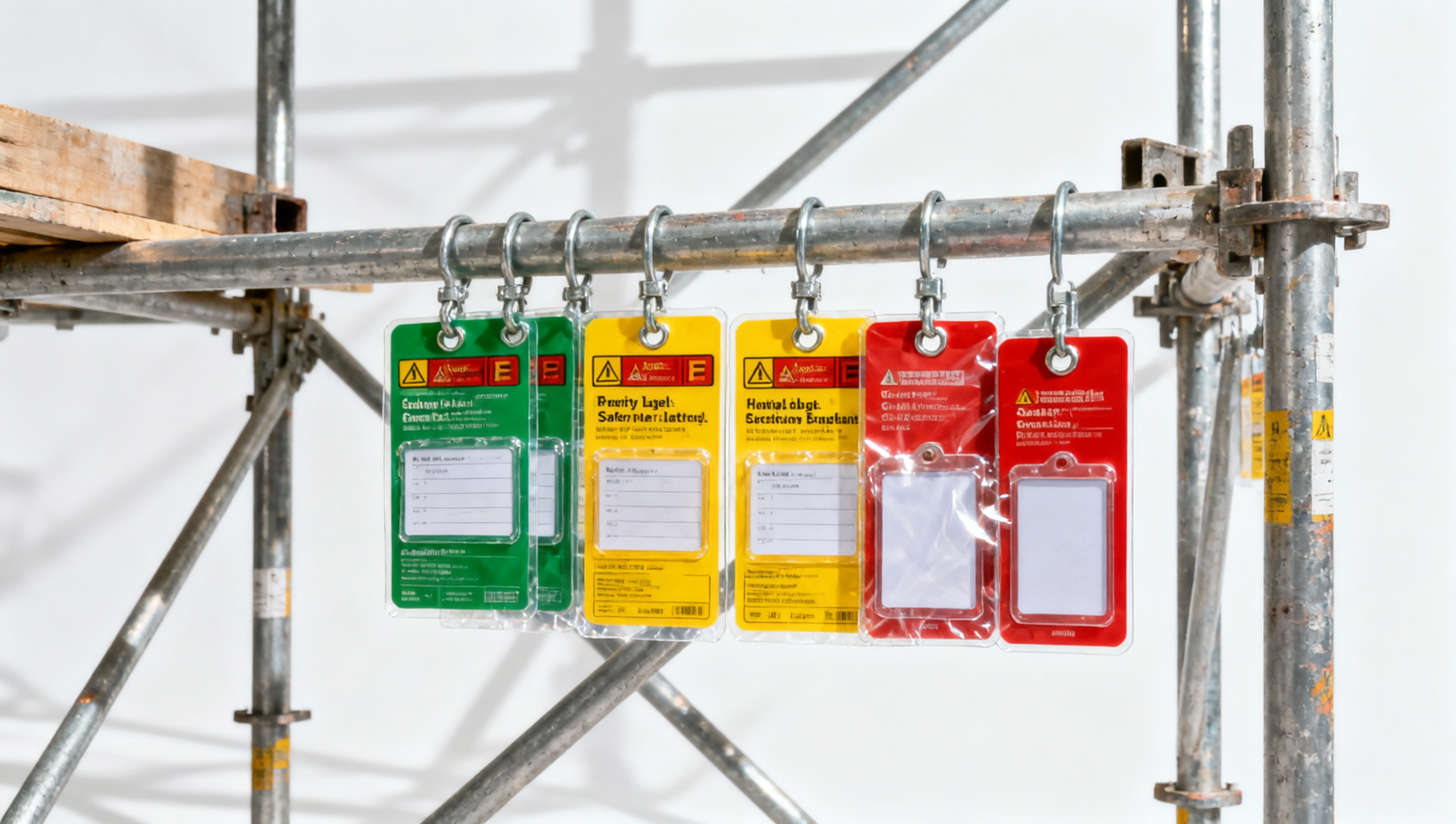
Scaffolding tags look straightforward—until rain, UV exposure, dust, and abrasion fade critical warnings and put crews at risk. For contractors, safety managers, and buyers, choosing durable scaffolding tags is not a minor detail but a frontline decision tied to compliance, visibility, and jobsite accountability. This article explores why weather resistance matters, what materials perform best, and how smarter tagging supports safer, more resilient industrial operations.
Why weather-resistant scaffolding tags matter more than many teams expect
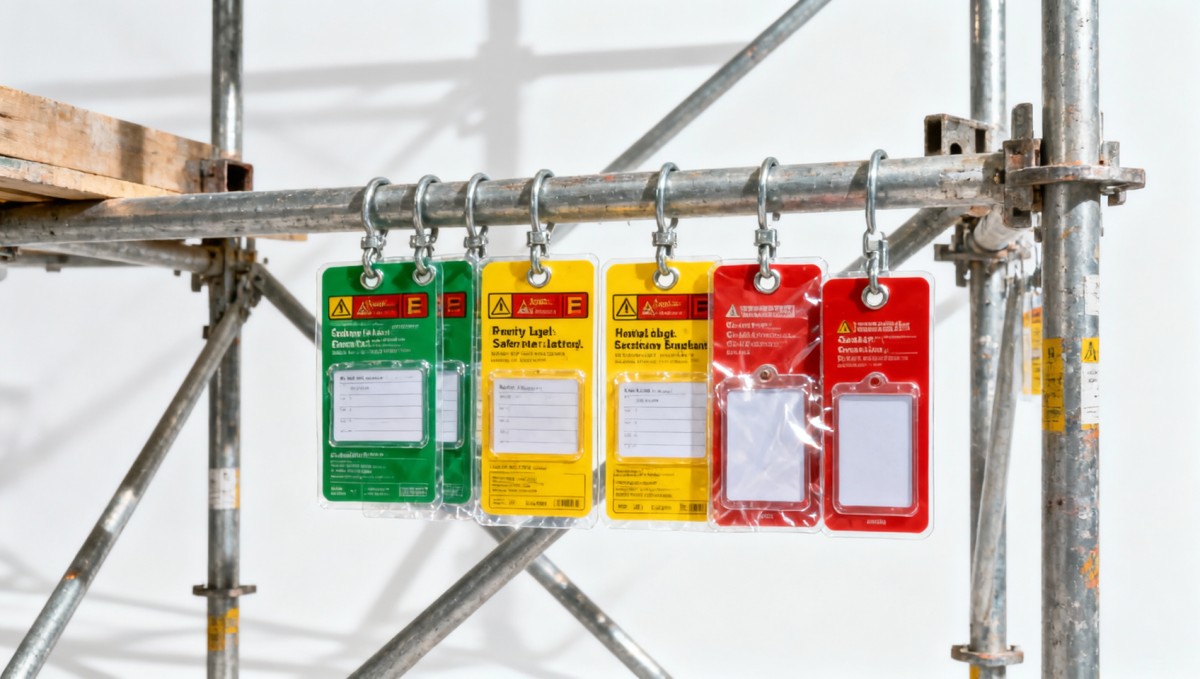
On paper, scaffolding tags are simple visual controls. On site, they carry high-stakes information: inspection status, access limits, load conditions, and restricted use notices. Once that information fades after 2–8 weeks of outdoor exposure, the tag stops functioning as a safety tool and becomes a false signal. That gap affects operators on the platform, supervisors on inspection rounds, and procurement teams responsible for standardizing site safety materials.
In industrial and construction environments, scaffolding tags often face a combined exposure profile rather than a single threat. Rainwater can soften low-grade print surfaces, ultraviolet light can bleach red, yellow, and green status zones, and dust mixed with handling can turn surface abrasion into a daily wear cycle. In coastal, refinery, or power plant environments, salt, mist, and chemical residue add another layer of degradation that buyers should not ignore.
For information researchers, the core question is not only what a scaffolding tag is, but how long it stays legible under field conditions. For users and inspectors, the practical issue is immediate readability from 1–3 meters away during fast checks. For procurement managers, the concern expands to replacement frequency, storage conditions, and the hidden cost of buying low-durability tags in high-turnover projects.
This is where disciplined sourcing matters. A weather-resistant scaffolding tag is not just a tougher label. It is part of a visual safety management system that supports permit control, inspection discipline, and traceable accountability across multi-contractor job sites. In large EPC projects, where scaffold systems may be inspected daily or weekly depending on local rules and task changes, legibility failure can quickly create operational confusion.
What typically causes tag failure in the field?
Most scaffolding tag failures come from four predictable mechanisms rather than a single dramatic event. Teams that understand these mechanisms can write better specifications and reduce rework during active projects.
- UV fading: outdoor sunlight gradually weakens print contrast, especially on low-grade inks and untreated plastics over 30–90 days.
- Moisture damage: rain, condensation, and washdown can blur printed information or weaken adhesive and insert cards.
- Abrasion: gloves, tools, rope contact, and repeated handling scratch the surface and remove key status text.
- Chemical and particulate exposure: cement dust, oil mist, salt spray, and solvents can reduce readability or embrittle the substrate.
If a site experiences even 3 of these 4 factors at the same time, a low-cost indoor-grade scaffold tag usually becomes a short-cycle consumable. That may appear acceptable at unit level, but across medium and large projects the replacement burden adds labor and safety risk far beyond the purchase price.
Which materials and construction details perform better outdoors?
When buyers compare scaffolding tags, the right starting point is material system rather than color alone. The substrate, printing method, attachment point, and write-on area all influence actual service life. In many cases, a tag that looks identical in catalog photos behaves very differently after 60 days on a windy, dusty, wet job site.
Rigid plastic tags are common because they balance durability and handling ease. However, not all plastics offer the same weather resistance. UV-stabilized polymers generally hold color and shape better than lower-grade stock. Laminated or coated surfaces can also improve resistance to moisture and abrasion, especially where inspection data must remain visible during repeated handling cycles.
Printing matters just as much as the base material. Surface-only printing may be vulnerable to wear if the site uses rough gloves, cable contact, or frequent repositioning. Protected print layers, embedded graphics, or more durable industrial printing methods often justify a higher purchase price because they extend readability in active outdoor use. For sites with 3–6 month exposure windows, this difference can be operationally significant.
Attachment design also deserves scrutiny. If the eyelet, hole, or fixing area cracks before the text fades, the tag still fails. Heavy-duty ties, reinforced holes, or holder-based systems can reduce loss and accidental detachment, particularly in elevated or windy scaffold zones where dropped components create secondary hazards.
Material comparison for weather-exposed scaffolding tags
The table below helps procurement teams compare common scaffolding tag material options against real jobsite stress factors, including UV, moisture, abrasion, and service duration.
For most outdoor industrial uses, the middle two options often provide the best balance between durability and replacement control. Holder-based systems become especially attractive where a facility runs repeated turnarounds or maintenance campaigns over 6–12 months and wants consistent tagging logic across multiple zones.
Three technical checks buyers often miss
- Check whether the write-on area remains usable after moisture exposure. Some surfaces repel certain marker types or smear during damp conditions.
- Review hole reinforcement or holder retention design. Mechanical failure at the attachment point is common in windy, high-traffic scaffold zones.
- Confirm whether color coding remains distinct after prolonged sun exposure. Faded red, yellow, and green can undermine immediate decision-making.
How should buyers specify scaffolding tags for different jobsite conditions?
The right scaffolding tag specification depends on environment, task duration, inspection workflow, and workforce behavior. A simple office-led purchase order often misses these field realities. Better results come when safety, operations, and procurement align around 5 key variables: exposure level, expected service period, legibility distance, update frequency, and attachment method.
For example, a short maintenance shutdown lasting 7–15 days may tolerate a simpler tag if exposure is limited and inspections are frequent. A refinery expansion, bridge rehabilitation, or power infrastructure project lasting 3–9 months usually requires a more durable weather-resistant scaffolding tag system. The longer the deployment and the more contractors involved, the more important standardization becomes.
Procurement teams should also assess whether the site needs single-language or multi-language fields, unique ID numbering, inspection date zones, and restriction wording. These details affect print layout and available writing space. If the tag becomes crowded, users may skip critical information, reducing the value of the system even if the material itself is durable.
Global Industrial Core supports this kind of evaluation by connecting sourcing decisions with real operational requirements. Instead of treating scaffolding tags as generic site consumables, GIC frames them as safety-critical components that should be selected with the same discipline applied to compliant electrical markers, lockout devices, and industrial inspection accessories.
A practical selection matrix for procurement and safety teams
Use this matrix to align scaffolding tag selection with project conditions, replacement expectations, and risk tolerance before requesting quotations or samples.
This type of selection matrix helps decision-makers compare total use conditions instead of focusing only on unit price. In many procurement reviews, the most expensive option on paper is not the highest-cost option in practice. Frequent replacement, inspection delays, and mixed tagging formats often create larger indirect costs than a stronger initial specification.
A 4-step specification workflow
- Map the exposure profile: UV, rain, dust, chemicals, and handling frequency across all scaffold zones.
- Define service duration: short-term under 2 weeks, medium-term 1–3 months, or extended use beyond 3 months.
- Set information requirements: inspection date, inspector name, status color, load warning, restricted use, and site ID.
- Request samples for field validation: test readability, marker performance, and attachment stability before bulk order approval.
Even a 3–5 day field sample trial can reveal whether a candidate tag is suitable for local weather and handling conditions. That small step often prevents large-volume waste and reduces the need for mid-project changes.
What compliance, inspection, and risk-control points should not be overlooked?
Scaffolding tags support compliance, but they do not replace formal scaffold inspection and access control procedures. Buyers and site leaders should treat them as one layer within a broader safety system that may also include handover records, competent person inspections, access barriers, and permit controls. If the tag is unclear, missing, or detached, the entire system becomes less reliable for frontline users.
In cross-border projects, teams often work under a mix of company rules, local regulations, and general international safety frameworks. While specific legal obligations vary, buyers can still define consistent baseline requirements: durable status display, legible inspection fields, secure attachment, and traceable update logic. For multi-contractor sites, these basics help avoid confusion when different crews rotate across the same structure.
A common mistake is assuming any visible tag is enough for compliance. In reality, a faded or partially legible scaffolding tag may create a misleading impression of control. Risk rises when workers can see a tag shape but cannot clearly read status wording, date fields, or restrictions. In high-tempo environments, people often make decisions in seconds, not minutes.
Another weak point is inconsistent inspection cadence. If a site checks some scaffold sections daily, others every 7 days, and others only after weather events, the tagging format must support that rhythm. Durable materials help, but disciplined update practice is equally critical. The strongest tag will still fail operationally if no one updates the information after alterations or severe weather.
Common misconceptions that create avoidable risk
- “All outdoor tags are weatherproof.” Outdoor suitability varies widely. “Outdoor” may only mean short exposure, not prolonged UV and abrasion resistance.
- “Low unit cost means better procurement.” If replacement frequency doubles or triples over a 3–6 month project, the cheaper option may cost more overall.
- “Visibility is enough.” Color blocks help, but legible text, date fields, and restriction notes are essential for inspection accountability.
- “One tag type fits every site.” Coastal, dusty, chemical, and high-UV sites often need different material and print protection choices.
Three field checks supervisors can use
Supervisors can strengthen control with 3 simple checks during routine walks. First, confirm readability at normal approach distance, typically around 1–3 meters. Second, verify attachment integrity and look for cracked fixing points. Third, compare the tag status with current scaffold condition after modification, weather events, or restricted access changes. These checks take minutes, but they often reveal problems before a formal audit does.
FAQ and next-step guidance for industrial buyers
For buyers and decision-makers, the most useful questions are rarely theoretical. They concern service life, fit-for-site performance, replacement planning, and how to avoid under-specifying a safety-critical item. The answers below address the issues most likely to influence specification and procurement outcomes.
How long do weather-resistant scaffolding tags typically last outdoors?
There is no single answer because service life depends on UV intensity, moisture, abrasion, and handling frequency. On a mild site with limited contact, durable tags may remain readable for several months. On high-traffic industrial projects with sun, dust, and repeated handling, visible degradation can appear much sooner. The practical buying approach is to match the tag to a realistic 1–3 month or 3–6 month exposure window rather than assume all outdoor tags perform equally.
What should procurement teams request from suppliers before ordering?
Request material details, print construction details, sample units, and confirmation of intended use conditions. Ask whether the tag is designed for temporary covered use, general outdoor use, or harsher industrial environments. Also confirm writing compatibility, attachment design, and expected lead time, which for standard industrial safety items often falls within 7–15 days, while custom layouts or numbering may take 2–4 weeks.
Are reusable holder systems worth the extra cost?
They often are for facilities with repeat shutdowns, staged construction, or multi-zone maintenance programs. Reusable holders can reduce long-term frame replacement and improve visual standardization. However, they work best when the site has disciplined insert control, clear numbering, and consistent inspection ownership. For one-off short projects, a simpler durable tag may still be the better fit.
Why choose us for scaffolding tag sourcing and specification support?
Global Industrial Core helps industrial buyers move beyond generic catalog selection. We support parameter confirmation, material comparison, scenario-based product selection, and sourcing decisions tied to safety visibility, operational reliability, and compliance needs. For EPC contractors, facility managers, and procurement leaders, this means practical guidance on tag durability, inspection usability, customization options, and supplier evaluation criteria.
If you are evaluating weather-resistant scaffolding tags for new construction, shutdown maintenance, or cross-site standardization, you can consult GIC on six concrete areas: material selection, layout and status design, delivery cycle expectations, custom numbering or language requirements, sample validation planning, and quotation comparison. This makes the buying process faster, more defensible, and better aligned with the realities of industrial field use.
Contact us when you need support with specification review, product selection, lead-time planning, certification-related documentation requests, sample coordination, or supplier shortlist assessment. For organizations managing multiple contractors or facilities, early alignment on scaffolding tag performance can reduce replacement churn, improve inspection clarity, and strengthen accountability where weather and work pace leave little room for ambiguity.
Technical Specifications
Expert Insights

Chief Security Architect
Dr. Thorne specializes in the intersection of structural engineering and digital resilience. He has advised three G7 governments on industrial infrastructure security.
Related Analysis
- Apr 14, 2026How accurate is a true RMS multimeter on VFD signals?Author :Precision Metrology Expert
- Apr 14, 2026When a digital oscilloscope wholesale quote looks cheap at firstAuthor :Precision Metrology Expert
- Apr 14, 2026What changes when an ozone generator goes commercial gradeAuthor :Environmental Engineering Director
Core Sector // 01
Security & Safety
- Automatic hand sanitizers with sensors or pedals?Author :Safety Compliance Lead

- Does a wholesale shoe cover dispenser really reduce contamination?Author :Safety Compliance Lead

- ESD anti static shoes that pass tests but feel unsafe on siteAuthor :Safety Compliance Lead

- Why wholesale cleanroom garments vary so much in durabilityAuthor :Safety Compliance Lead

- Scaffolding tags are simple until weather starts erasing themAuthor :Safety Compliance Lead

- Do wholesale safety nets hold up after months of UV exposure?Author :Safety Compliance Lead

- Wheel chocks wholesale: rubber or polyurethane on sloped ground?Author :Safety Compliance Lead

- Why wholesale traffic batons get dim after short daily useAuthor :Safety Compliance Lead