ESD anti static shoes that pass tests but feel unsafe on site
Author
Date Published
Reading Time
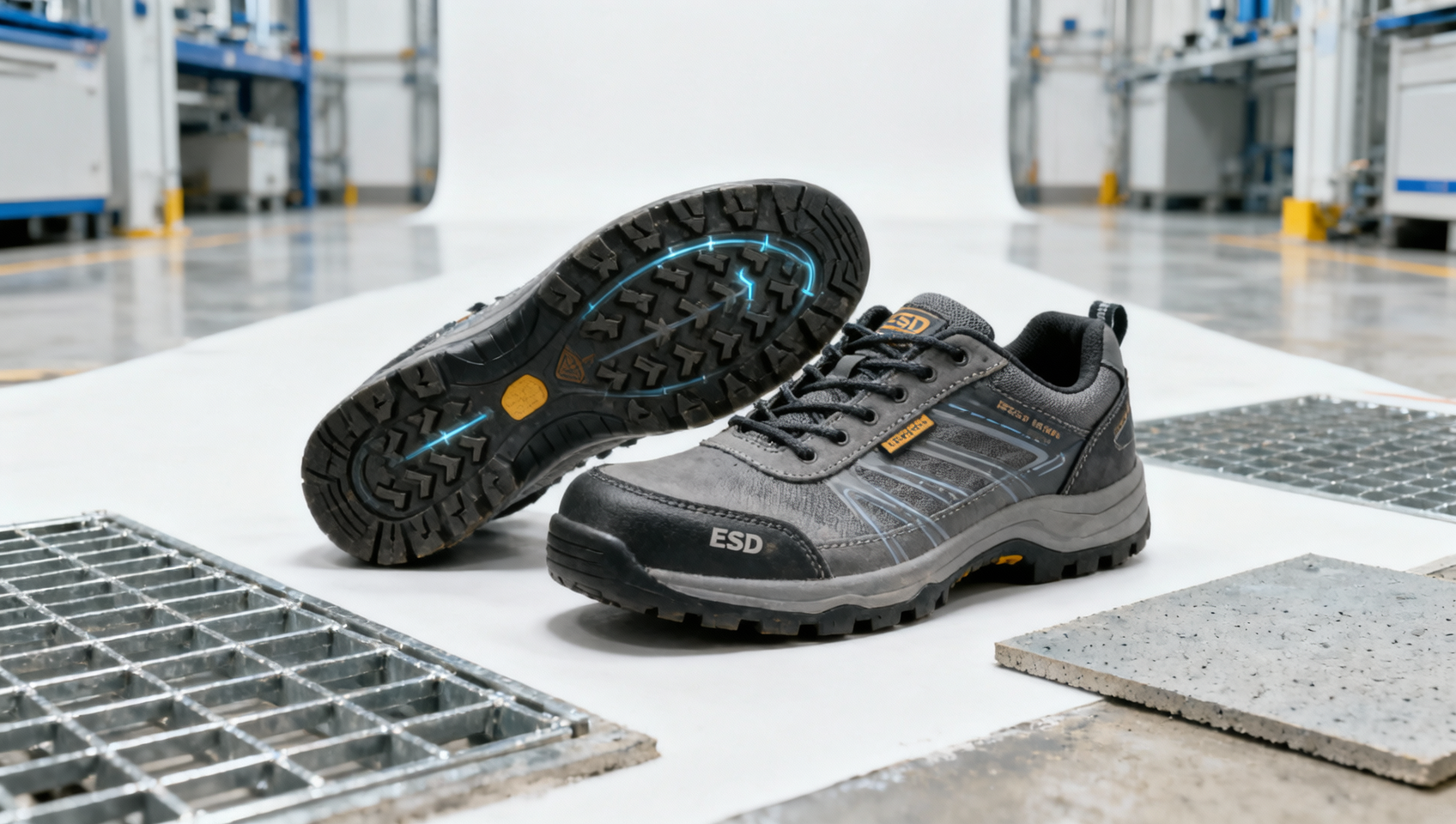
Many teams buy ESD anti static shoes because they pass lab tests, yet workers still report poor grip, weak comfort, or a lack of confidence on real industrial floors. For procurement leaders, operators, and safety managers, this gap between certification and site performance can affect compliance, productivity, and trust. This article examines why approved footwear may still feel unsafe, what field-use factors are often missed, and how to evaluate options more effectively.
Why do ESD anti static shoes pass tests yet still feel unsafe at work?
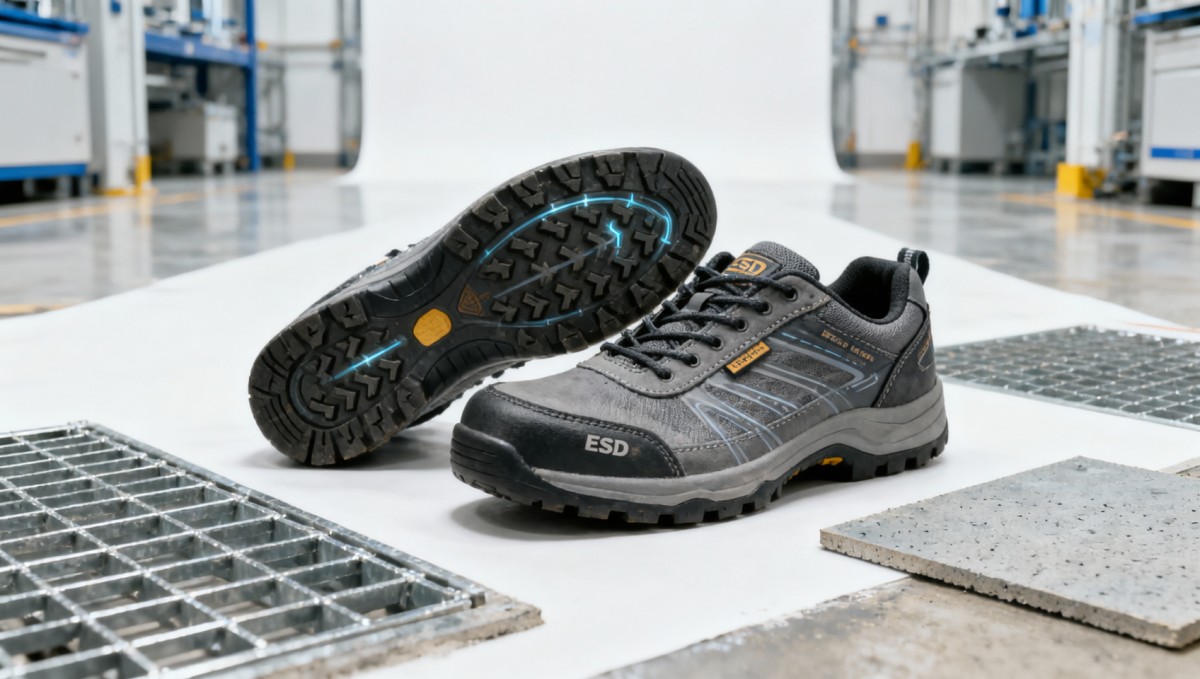
In industrial procurement, a passed test report often becomes the decision shortcut. That is useful, but incomplete. ESD anti static shoes are usually assessed under controlled conditions for electrical resistance, material behavior, and sometimes basic safety features. Real facilities introduce variables that the lab does not fully reproduce: oil film on epoxy floors, dust accumulation, metal grating transitions, temperature shifts, long walking cycles, and worker fatigue after 6–10 hours on shift.
This is why a shoe can be compliant on paper and still feel unsafe on site. Operators do not judge footwear only by whether it dissipates charge. They judge it by grip during turning, heel stability on ramps, cushioning on concrete, toe-room during kneeling, and how predictable the outsole behaves when moving between dry and lightly contaminated zones. A shoe that technically meets ESD criteria but slips, twists, or causes pressure points will quickly lose user confidence.
For buyers and decision makers, the issue is broader than comfort complaints. If workers avoid wearing the assigned shoes, switch to non-approved footwear, or modify insoles without review, the site can face both electrostatic control risk and safety management gaps. In electronics assembly, power equipment rooms, instrumentation workshops, and mixed industrial maintenance zones, that gap can influence product quality, incident probability, and audit readiness.
At GIC, the practical question is not “Did the shoe pass?” but “Did it pass for the floor, task, and shift profile you actually run?” That reframing matters because anti static footwear selection sits at the intersection of compliance, ergonomics, and operational continuity. A better buying process starts by understanding what the tests confirm, what they do not confirm, and where site validation must fill the gap.
What lab approval usually proves
Most approved ESD anti static shoes are evaluated against recognized frameworks such as EN ISO 20345 for protective footwear and electrical resistance requirements used for ESD control programs. In simple terms, the test confirms that the footwear falls within a controlled electrical resistance range under specified conditions. That matters for reducing static buildup, especially in environments where sensitive components or ignition concerns are part of operational risk.
However, certification does not automatically mean the shoe is optimized for every floor chemistry or every motion pattern. A static test may not reflect repeated ladder use, side loading during machine service, or stop-start walking across polished concrete and coated surfaces. Procurement teams should treat certification as the minimum entry requirement, not the final proof of field suitability.
What workers actually experience first
- Slip confidence during the first 2–3 hours, especially on dusty, smooth, or slightly wet floors.
- Pressure and heat buildup after 6–8 hours, which affects gait and concentration.
- Stability when transitioning between concrete, painted steel plate, and grated walkways.
- Fit consistency across different foot shapes, sock thickness, and seasonal conditions.
These user-facing factors are often the earliest signs of whether a certified shoe will be accepted in daily operations. When acceptance fails, enforcement becomes harder and replacement cycles often become more expensive than expected.
Which field conditions are most often missed during footwear evaluation?
In mixed industrial environments, site conditions are rarely uniform. The same operator may walk across dry assembly flooring, pass through a loading interface, climb onto a maintenance platform, and return to an ESD-sensitive area within 20–30 minutes. A shoe that performs well in one segment may feel unreliable in another. That is why site-specific evaluation should include actual walking routes, contamination types, and shift duration rather than relying on catalog language alone.
The outsole compound is a common blind spot. Some ESD anti static shoes maintain acceptable electrical properties but use tread designs or rubber formulations that are less convincing on smooth sealed floors or on fine dust. In practice, the operator notices not the resistance value first, but the moment the foot hesitates during a turn. If traction confidence drops even slightly, workers often interpret the whole shoe as unsafe.
Another missed factor is insole replacement. On many sites, users insert aftermarket insoles to improve cushioning. This can change fit, heel hold, moisture behavior, and potentially the electrostatic path. Procurement and HSE teams should define whether replacement insoles are permitted, what type is approved, and how often footwear should be checked. A review interval of every quarter is common for active-use programs, while high-turnover or harsh-floor sites may need monthly spot checks.
Environmental cycles also matter. Temperature and humidity can influence both user comfort and material feel. A shoe that seems acceptable at 20°C in a trial room may feel rigid in colder logistics edges or overly warm in enclosed production lines. For workers on 8–12 hour shifts, small comfort failures accumulate into stability issues, slower movement, and lower compliance discipline.
Common site variables that change real-world performance
The table below helps buyers separate certification status from field-performance risk. It is especially useful when comparing ESD anti static shoes for electronics plants, utility facilities, control rooms, heavy workshop support areas, and multi-zone industrial campuses.
The key lesson is that unsafe feeling is usually multi-factor, not a single defect. It often comes from the interaction between floor, movement, fit, and fatigue. That is why a site trial, even a limited one with 5–15 users, can reveal issues a certificate alone cannot predict.
A practical field-check sequence
- Map 3 core zones: ESD-sensitive area, transit route, and highest-slip-risk area.
- Run a 7–10 day pilot with operators from different shift patterns and foot profiles.
- Record 4 dimensions: grip, fit, fatigue, and task stability.
- Review whether any insole changes, sizing swaps, or non-compliant substitutions occur.
This process is simple enough for procurement teams to execute yet robust enough to reduce expensive misselection across larger rollouts.
How should procurement teams compare ESD anti static shoes beyond certification?
A stronger sourcing decision uses at least 5 evaluation dimensions: ESD suitability, slip behavior, comfort over time, durability under task conditions, and program control. Program control means whether sizing, replacement parts, documentation, and user feedback can be managed consistently across sites or contractors. This matters for EPC projects, multi-plant operators, and maintenance-heavy facilities where footwear is part of a larger compliance system rather than a standalone purchase.
Price alone is a weak filter because low upfront cost can lead to early replacement, user rejection, or extra issuance. Conversely, a premium model may still fail if its fit profile suits only a narrow user group. The most reliable buying method is to compare options against the real work profile: indoor static-sensitive assembly, utility room patrol, inspection walking, light maintenance, or mixed industrial circulation.
The comparison below is designed for cross-functional teams. It helps procurement, HSE, and operations discuss the same shoe using shared criteria rather than isolated opinions. This is especially useful when shortlisting 2–4 models before sample issuance or site trial.
Using this framework, teams can avoid two common mistakes: buying purely on certificates and buying purely on first-day comfort. The right choice is the model that maintains both electrical suitability and operational confidence through the actual shift pattern.
Three buyer profiles, three different priorities
For researchers and specifiers
Focus on standards alignment, resistance category, construction materials, and sample-test process. Build a shortlist of 3 options maximum to keep field validation manageable and comparable.
For operators and supervisors
Focus on fit, stair and turn stability, forefoot comfort, and heat buildup over one full shift. Their feedback is critical because early rejection often predicts long-term compliance issues.
For procurement and decision makers
Focus on total program value: documentation, lead time, replacement frequency, approved accessories, and whether the supplier can support multi-site consistency. A shoe that requires constant exception handling usually becomes costly, even if its unit price looks attractive.
What standards, trial methods, and implementation steps reduce selection risk?
Standards and certifications remain essential. They establish a baseline for protective footwear and electrostatic control compatibility. But in operational terms, the safest procurement model combines document review, sample validation, and monitored site use. For most industrial buyers, a 3-stage process works better than direct bulk ordering: technical screening, controlled sample trial, then phased rollout.
During technical screening, ask for the exact standard references, material details, sizing information, and any restrictions related to insoles or environmental use. During the sample stage, assign users from at least 2 departments if the site has mixed tasks. During rollout, define replacement rules, issue guidance, and inspection frequency. This is especially important when contractors and permanent staff share the same electrostatic control zones.
Implementation should also include basic user education. Many footwear failures are not product failures alone. They result from poor sizing, unapproved modifications, or wearing damaged shoes beyond their safe condition. A short toolbox talk of 10–15 minutes can explain what anti static footwear does, what it does not do, and when the user must request replacement.
For complex facilities, GIC recommends documenting 6 practical checks during the trial period: size accuracy, heel hold, sole grip in high-risk zones, comfort after mid-shift, compatibility with the site’s ESD procedures, and visible wear after repeated use. This creates a defensible record for procurement and HSE reviews without turning the process into a slow administrative burden.
A realistic selection and rollout checklist
- Confirm required standards and whether the site needs protective toe features, puncture resistance, or only ESD anti static footwear.
- Limit shortlist to 2–4 models and request sample pairs in the relevant size spread.
- Run a 7–14 day wear test across the main route profile, not only in a meeting room or demo area.
- Collect structured feedback from operators, supervisors, and HSE in one form to avoid conflicting interpretations.
- Set replacement review points every quarter or earlier if tread wear, instability, or ESD concerns appear.
This checklist helps convert a subjective complaint like “the shoes feel unsafe” into measurable selection criteria that can support purchasing approval and safer daily use.
FAQ: what buyers and users ask before switching ESD anti static shoes
How do I know whether the issue is ESD performance or slip performance?
Treat them as related but separate questions. ESD performance concerns the electrostatic control path and compliance with your site program. Slip performance concerns traction and walking confidence on actual surfaces. If workers mainly complain during turning, braking, or walking on dusty epoxy, the immediate problem is often traction or fit rather than the anti static function itself. Both should be reviewed before replacement.
Are softer shoes always better for long shifts?
Not always. Excessively soft midsoles can feel good for the first 1–2 hours but reduce stability later, especially on ladders, ramps, or uneven transitions. For 8–12 hour shifts, the better target is balanced cushioning plus secure heel hold and predictable outsole behavior. Site trials matter more than showroom feel.
What is a reasonable procurement timeline for a controlled trial?
A practical cycle is often 2–4 weeks from technical review to sample arrival, followed by a 7–14 day trial and a short decision review. Larger organizations may need longer if multiple departments must sign off, but compressing the wear trial too much usually produces weak decisions.
Can workers replace insoles to improve comfort?
Only under an approved policy. Insoles can alter fit, moisture handling, and potentially the intended electrical pathway. If comfort complaints are common, it is better to evaluate approved insole options or choose a different shoe model than to allow uncontrolled modification.
Why work with GIC when evaluating anti static footwear programs?
Industrial footwear decisions become difficult when multiple objectives collide: compliance requirements, worker acceptance, budget pressure, and urgent delivery schedules. GIC supports procurement leaders, facility managers, EPC teams, and industrial operators with a practical decision framework built around standards, site conditions, and sourcing risk. Instead of treating ESD anti static shoes as a generic catalog item, we help teams assess them as part of a broader operational safety system.
Our value is strongest when the buying environment is complex: mixed-use industrial floors, multiple contractor groups, region-to-region sourcing, or strict documentation needs tied to CE, UL, ISO, and internal compliance procedures. In these cases, the question is not simply which shoe to buy, but how to compare options, validate them efficiently, and reduce downstream exceptions.
You can contact GIC for support on 6 practical topics: parameter confirmation, applicable standards review, shortlist creation, sample and trial planning, typical lead-time discussion, and supplier communication points for quotation review. If your site is struggling with approved shoes that still feel unsafe, we can help structure the evaluation around floor conditions, user feedback, and procurement priorities rather than assumptions.
For organizations preparing a new safety shoe tender or replacing an underperforming model, start with a focused discussion: your floor types, shift length, ESD control requirements, target quantity range, and desired rollout window. That information is usually enough to build a more reliable anti static footwear selection path and reduce the gap between lab approval and real-site confidence.
Technical Specifications
Expert Insights

Chief Security Architect
Dr. Thorne specializes in the intersection of structural engineering and digital resilience. He has advised three G7 governments on industrial infrastructure security.
Related Analysis
- Apr 14, 2026How accurate is a true RMS multimeter on VFD signals?Author :Precision Metrology Expert
- Apr 14, 2026When a digital oscilloscope wholesale quote looks cheap at firstAuthor :Precision Metrology Expert
- Apr 14, 2026What changes when an ozone generator goes commercial gradeAuthor :Environmental Engineering Director
Core Sector // 01
Security & Safety
- Automatic hand sanitizers with sensors or pedals?Author :Safety Compliance Lead

- Does a wholesale shoe cover dispenser really reduce contamination?Author :Safety Compliance Lead

- ESD anti static shoes that pass tests but feel unsafe on siteAuthor :Safety Compliance Lead

- Why wholesale cleanroom garments vary so much in durabilityAuthor :Safety Compliance Lead

- Scaffolding tags are simple until weather starts erasing themAuthor :Safety Compliance Lead

- Do wholesale safety nets hold up after months of UV exposure?Author :Safety Compliance Lead

- Wheel chocks wholesale: rubber or polyurethane on sloped ground?Author :Safety Compliance Lead

- Why wholesale traffic batons get dim after short daily useAuthor :Safety Compliance Lead