How accurate is a true RMS multimeter on VFD signals?
Author
Date Published
Reading Time
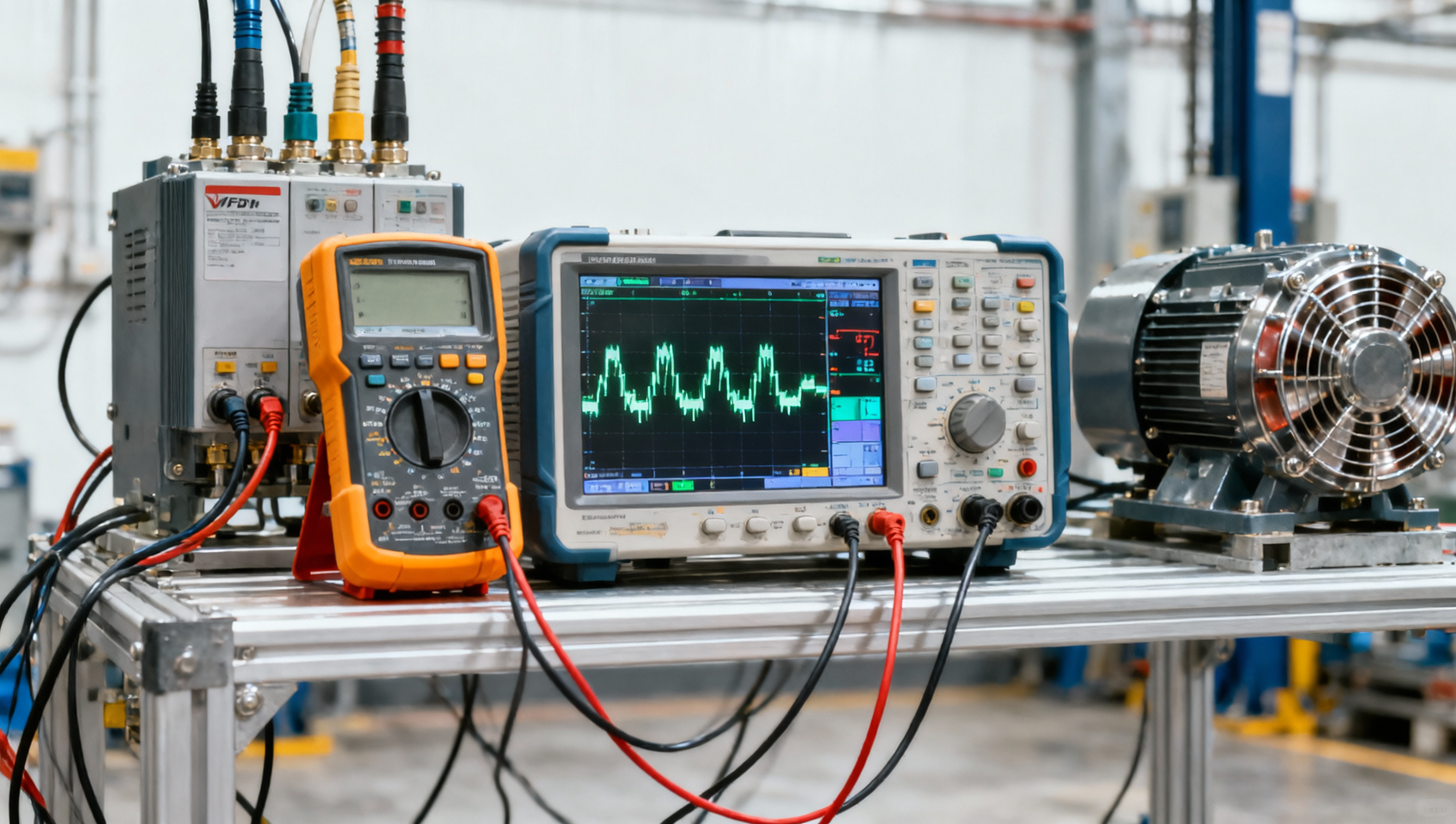
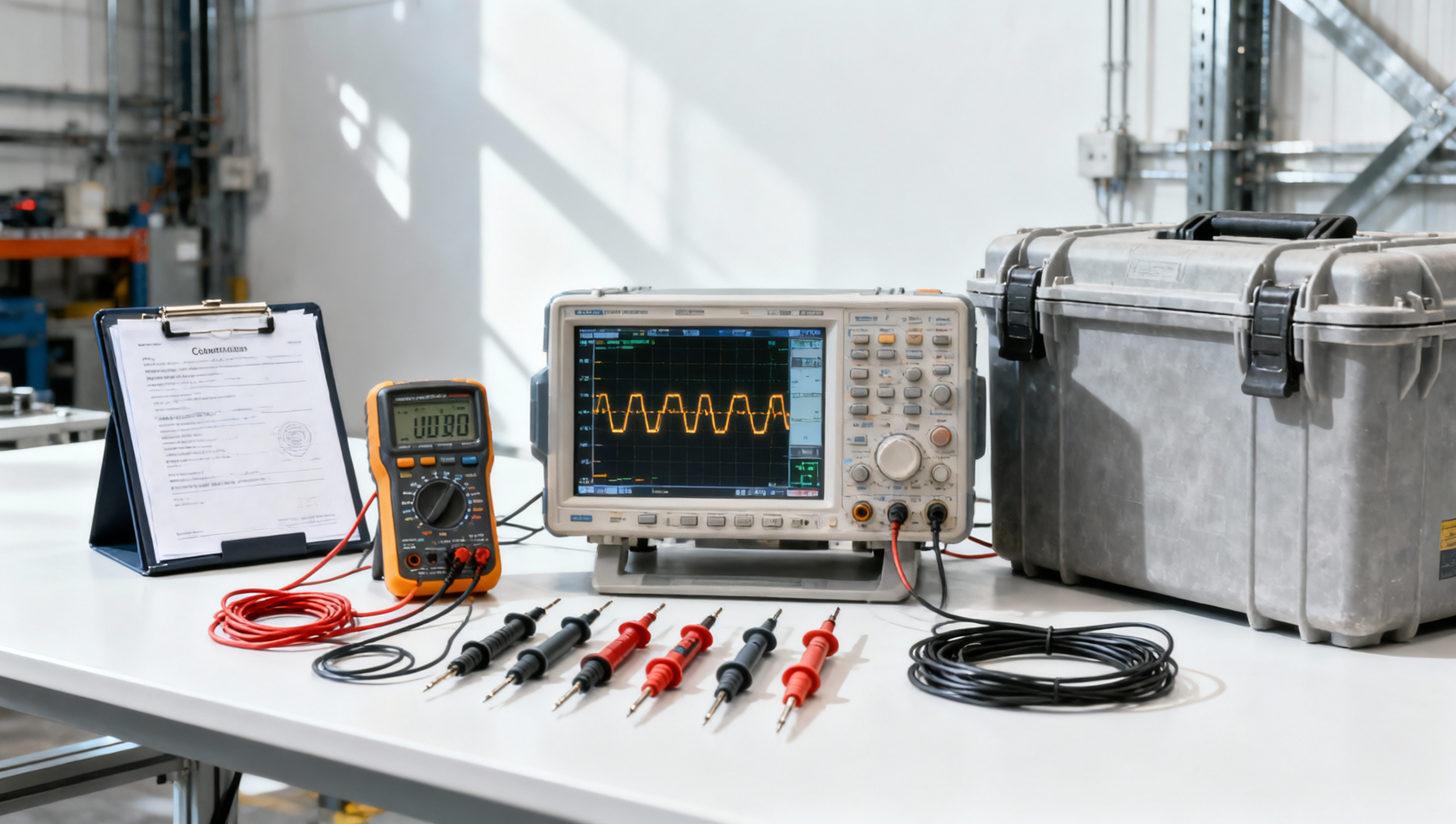
When measuring PWM-rich VFD outputs, many professionals ask: how accurate is a true RMS multimeter compared with a digital oscilloscope wholesale solution? This article explains where true RMS multimeter readings remain reliable, where waveform distortion causes errors, and how industrial users, buyers, and decision-makers can choose the right test method for safer, more precise diagnostics.
Why VFD signals challenge ordinary measurement assumptions
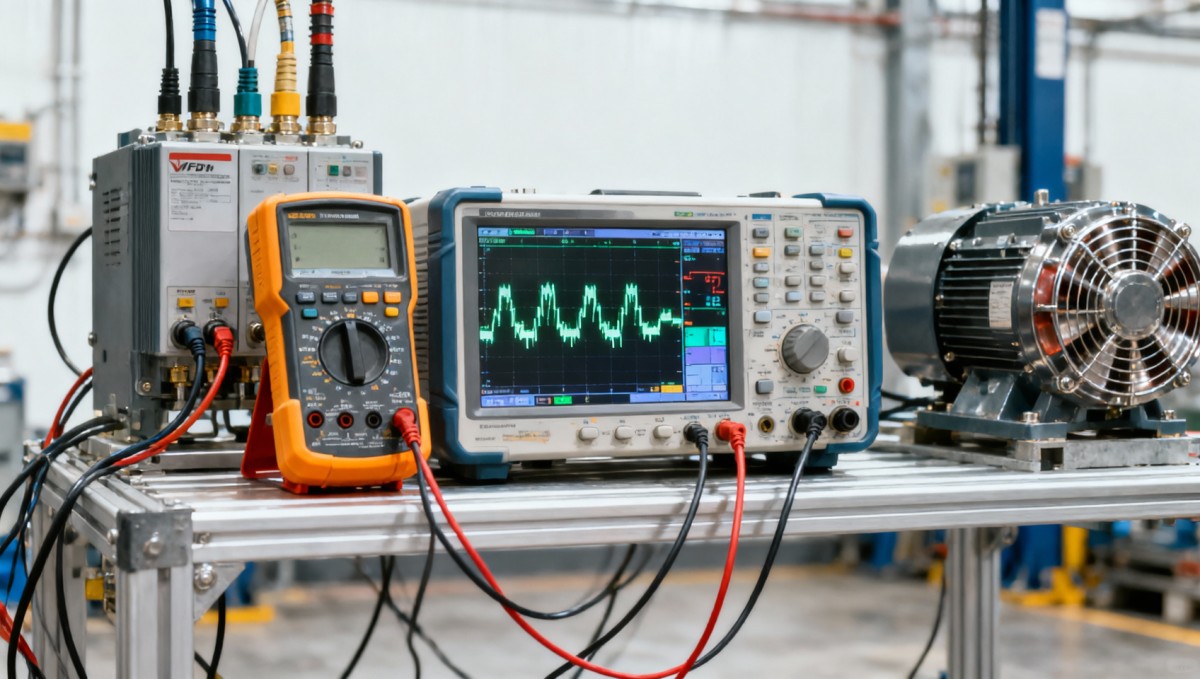
A variable frequency drive does not deliver a smooth sine wave at its output. In most industrial applications, the drive produces a pulse-width modulated waveform made of high-speed switching edges, variable pulse widths, and reflected wave effects influenced by cable length, motor insulation, and load condition. This means the meter is not reading a clean 50 Hz or 60 Hz signal; it is reading a complex composite signal with a fundamental component plus high-frequency content.
That detail matters because a true RMS multimeter is only accurate within its specified crest factor, bandwidth, and waveform assumptions. Many handheld meters are optimized for power distribution and maintenance work in the low-frequency range. Once the signal contains carrier frequencies in the 2 kHz to 16 kHz range, fast rise times, and non-sinusoidal distortion, the displayed voltage can deviate from the motor terminal reality that affects insulation stress, heating, and troubleshooting decisions.
For operators and maintenance teams, the practical risk is simple: a stable reading on the meter may create false confidence. For procurement teams, the risk appears earlier in the buying cycle. A catalog may state “true RMS” without explaining whether the instrument remains accurate on PWM-rich VFD outputs, whether low-pass filtering is built in, or whether a dedicated VFD mode is available. These details often determine whether the tool is useful for commissioning or only for basic verification.
What a meter is actually trying to measure
In a VFD environment, technicians may need at least 3 different answers: the fundamental output voltage related to motor operation, the total RMS content present at the terminals, and the waveform shape that reveals switching behavior or abnormal stress. A single meter reading does not always distinguish among these values. That is why many apparent disagreements between a true RMS multimeter and an oscilloscope are not instrument failures; they are differences in what each tool is designed to capture.
- Fundamental RMS voltage helps assess whether the drive is delivering the expected effective motor voltage at a given speed and load.
- Total RMS voltage includes switching components and may be higher or simply different from the value a motor engineer expects from the fundamental waveform.
- Waveform capture is essential when chasing reflected wave spikes, overvoltage at long cable runs, or suspected insulation stress during repeated starts.
For industrial buyers, this means the right question is not “Is true RMS accurate?” but “Accurate for which VFD measurement objective, under which frequency range, and with what filtering method?”
How accurate is a true RMS multimeter on VFD outputs in real use?
A true RMS multimeter can be reasonably accurate on VFD signals when the instrument is specifically rated for drive output measurement or when the measurement target is limited to lower-frequency content. In many field cases, the meter gives a useful trend value for confirming drive operation, phase balance, or relative voltage changes across 3 phases. However, accuracy drops when the meter bandwidth is too narrow, the crest factor is exceeded, or the meter interprets high-frequency PWM energy in a way that does not match the user’s diagnostic intent.
A standard true RMS handheld meter may perform acceptably on the input side of a VFD, where the waveform is closer to utility power. On the output side, results depend on the presence of a dedicated VFD function, internal filtering, and the manufacturer’s stated accuracy under non-sinusoidal waveforms. In many maintenance programs, a meter without VFD mode is still used because it is faster, safer to deploy, and lower in cost than a full oscilloscope setup. That is practical, but it should not be confused with laboratory-grade waveform accuracy.
As a rule of thumb, once troubleshooting requires analysis of PWM carrier effects, rise times, pulse distortion, or cable-related overshoot, the oscilloscope becomes the better reference tool. The true RMS multimeter remains valuable for fast screening, lockout-verified checks, and periodic inspections, especially when teams need to evaluate dozens of drives in a 1-day maintenance window. In other words, speed and convenience favor the meter; waveform truth favors the scope.
Typical accuracy boundaries users should verify before purchase
Procurement teams should ask for 5 core items before approving any meter for VFD work: AC bandwidth, crest factor, VFD-specific voltage mode, CAT safety rating, and accuracy statement under distorted waveforms. If the vendor only provides a generic RMS specification at 45 Hz to 500 Hz, that does not automatically qualify the instrument for PWM output diagnostics.
The table below summarizes the practical difference between standard true RMS multimeters, VFD-capable meters, and oscilloscopes in industrial measurement workflows.
For buyers comparing a digital oscilloscope wholesale option against field meters, the key takeaway is that accuracy is situational. A VFD-ready multimeter often covers 70% to 80% of routine maintenance questions, while the oscilloscope covers the deeper 20% to 30% where waveform evidence is necessary for root-cause analysis.
Which measurement method fits each industrial scenario?
Different users inside the same plant need different tools. An operator checking whether a pump drive is running within expected parameters does not need the same instrument depth as an electrical engineer investigating repeated motor bearing damage. This is where decision quality improves when measurement tasks are separated into routine, diagnostic, and capital-risk categories.
For routine inspections performed weekly or monthly, a true RMS multimeter with VFD capability is often sufficient. It can confirm line voltage, output balance, and broad anomalies quickly. For startup, retrofits, or unexplained trips after 2 to 4 weeks of operation, a digital oscilloscope is usually the better choice because it can expose transient events invisible to a meter. For procurement directors managing multiple facilities, the most effective strategy is often a mixed instrument policy rather than one universal tool.
Scenario-based instrument selection
The table below maps common industrial scenarios to the most suitable measurement method. This helps information researchers and purchasing teams align technical needs with budget and training reality.
This comparison shows why many industrial organizations buy in tiers. They deploy multiple VFD-capable multimeters for front-line maintenance and retain one or more oscilloscope systems for specialist diagnosis, vendor support, or failure investigation.
A practical 4-step decision path
- Define the task: routine check, commissioning, or fault analysis.
- Confirm signal complexity: basic VFD output, long-cable motor circuit, or intermittent trip event.
- Review user capability: general electrician, instrument technician, or advanced engineer.
- Match tool depth to risk: use a meter for fast screening, but escalate to scope-based analysis when equipment downtime cost is high.
In facilities where a single unplanned stop can disrupt production for 6 to 12 hours, that escalation step is often where the greatest savings occur.
What should procurement teams check before buying test equipment for VFD work?
Buying test equipment for VFD environments is not just a matter of price. Procurement decisions should consider electrical safety, waveform suitability, service support, and the actual tasks performed by the maintenance team. A low-cost meter that cannot interpret drive output correctly may create hidden costs through misdiagnosis, unnecessary part replacement, and repeated site visits.
For B2B buyers, 5 procurement dimensions usually matter most: measurement capability, safety category, usability, documentation, and lifecycle support. Documentation should clearly state whether the unit is suitable for VFD output measurement, what frequency range applies, and whether the stated accuracy changes on non-sinusoidal signals. If those items are vague, comparison becomes difficult and technical approval slows down.
Shortlist criteria for meters and oscilloscopes
Use the checklist below during RFQ review, especially when sourcing across regions or evaluating a digital oscilloscope wholesale package for maintenance departments, OEM support, or EPC commissioning teams.
- Safety first: confirm CAT rating, probe rating, insulation quality, and compatibility with the voltage class used in your facility.
- Signal suitability: verify bandwidth, VFD mode, low-pass filtering, and whether the tool reads fundamental voltage or total RMS content.
- Workflow fit: check battery duration, display readability, recording functions, and whether field staff can deploy it in less than 5 minutes.
- Support expectations: ask about calibration interval, spare probes, lead times, and whether application guidance is available before purchase.
- Total ownership cost: consider training hours, accessory needs, and recertification or recalibration cycles every 12 to 24 months.
In many industrial sourcing programs, the best value does not come from the cheapest device. It comes from the shortest path to a correct decision in the field.
Why technical sourcing support matters
Global Industrial Core supports this process by translating technical measurement needs into sourcing criteria that buyers can compare. For example, an EPC contractor may need 3 delivery checkpoints, CE or UL documentation depending on destination market, and a configuration aligned with startup teams working across power, instrumentation, and motor control. That level of coordination reduces mismatch between purchased tools and actual site conditions.
This is especially important when facilities operate mixed fleets of legacy motors and newer high-switching-frequency drives. The more varied the asset base, the more useful it becomes to source instruments through a structured framework rather than isolated line-item purchasing.
Common mistakes, compliance points, and FAQ for VFD measurement
Even experienced teams make measurement errors around variable frequency drives. The most common mistake is assuming that “true RMS” automatically means “accurate on any waveform.” Another frequent issue is using an oscilloscope without proper probes or grounding practice, which can create unsafe conditions or invalid results. In both cases, the problem is not the instrument label but the mismatch between method and signal.
Compliance also matters. Industrial buyers should review applicable CE, UL, and ISO-related documentation where relevant to market access, internal quality systems, and project documentation. While compliance marking alone does not guarantee VFD measurement suitability, it is an essential screening layer for multinational sourcing and contractor approval workflows.
Frequent misconceptions to avoid
- A stable displayed value does not prove waveform quality. It only proves the meter has settled on a number.
- A higher-bandwidth tool is not always better for routine work if the team needs filtered, repeatable field readings rather than raw pulse detail.
- A digital oscilloscope wholesale purchase is not only for laboratories. In plants with repeated drive issues, one shared scope can pay back quickly through faster root-cause isolation.
FAQ
Is a true RMS multimeter enough for most VFD maintenance tasks?
For routine inspections, phase comparison, and quick output checks, yes, especially if the meter includes a VFD mode or low-pass filtering. For deeper analysis of PWM waveform integrity, overshoot, or transient faults, no. A scope is the more appropriate tool.
When does an oscilloscope become necessary?
It becomes necessary when the fault is intermittent, when motor cable runs are long, when insulation stress is suspected, or when repeated trips remain unresolved after basic voltage checks. These cases often emerge during commissioning or after several weeks of operation under load.
What should buyers ask suppliers before ordering?
Ask whether the instrument is intended for VFD output measurement, what the usable frequency range is, whether probes and leads are included, what calibration interval is recommended, and what delivery window applies. In many projects, a realistic lead time can range from 7 to 15 days for stocked items, but specialized accessories may require longer.
Can one company standardize on a single instrument type?
Usually not. A layered toolkit is more practical: field meters for routine work, plus at least one advanced waveform solution for engineering diagnostics. This reduces both capital waste and maintenance blind spots.
Why work with GIC when evaluating meters, scopes, and sourcing options?
Global Industrial Core helps industrial teams move from generic product browsing to evidence-based sourcing. For VFD measurement projects, that means clarifying whether you need a true RMS multimeter for daily maintenance, a VFD-specific meter for filtered output readings, or a digital oscilloscope wholesale solution for engineering-level analysis across multiple sites. The goal is not to overspecify equipment. It is to match tool capability to operational risk.
Our support is particularly relevant for EPC contractors, facility managers, procurement directors, and industrial buyers who need aligned answers across technical, compliance, and delivery questions. Instead of reviewing isolated data sheets, teams can compare options through a structured framework covering application, safety, documentation, and lifecycle cost.
What you can discuss with us
- Whether your current true RMS multimeter is suitable for VFD output checks or only for input-side verification.
- How to compare a handheld meter, a VFD-capable instrument, and a digital oscilloscope wholesale package for your maintenance model.
- Which parameters to confirm before RFQ release, including signal type, safety category, expected cable length, and calibration planning.
- How to review delivery timing, accessory availability, documentation needs, sample evaluation, and destination-market compliance requirements.
If you are preparing a sourcing decision, we can help you narrow the specification, identify realistic alternatives, and reduce the risk of buying instruments that look comparable on paper but behave very differently on PWM-rich VFD signals. Contact GIC to discuss parameter confirmation, product selection, lead time planning, certification questions, sample support, and quotation alignment for your industrial measurement program.
Technical Specifications
Expert Insights

Chief Security Architect
Dr. Thorne specializes in the intersection of structural engineering and digital resilience. He has advised three G7 governments on industrial infrastructure security.
Related Analysis
- Apr 14, 2026How accurate is a true RMS multimeter on VFD signals?Author :Precision Metrology Expert
- Apr 14, 2026When a digital oscilloscope wholesale quote looks cheap at firstAuthor :Precision Metrology Expert
- Apr 14, 2026What changes when an ozone generator goes commercial gradeAuthor :Environmental Engineering Director
Core Sector // 01
Security & Safety
- How accurate is a true RMS multimeter on VFD signals?Author :Precision Metrology Expert

- When a digital oscilloscope wholesale quote looks cheap at firstAuthor :Precision Metrology Expert

- Wholesale alcohol breathalyzers and the calibration problemAuthor :Precision Metrology Expert

- China Approves Rituximab Biosimilar for All Indications, Offering Global Procurement AlternativeAuthor :Precision Metrology Expert

- Optical profile projector accuracy drops after 2 years—what causes it?Author :Precision Metrology Expert

- Temperature humidity chamber calibration drifts faster in tropical climates—here’s whyAuthor :Precision Metrology Expert

- Salt spray test chamber nozzles clog more often than expected—what’s the real culprit?Author :Precision Metrology Expert

- Environmental test chambers with touchscreen interfaces: do they survive lab dust and spills?Author :Precision Metrology Expert