Wholesale self defense alarms: loud enough on paper, weak in streets
Author
Date Published
Reading Time
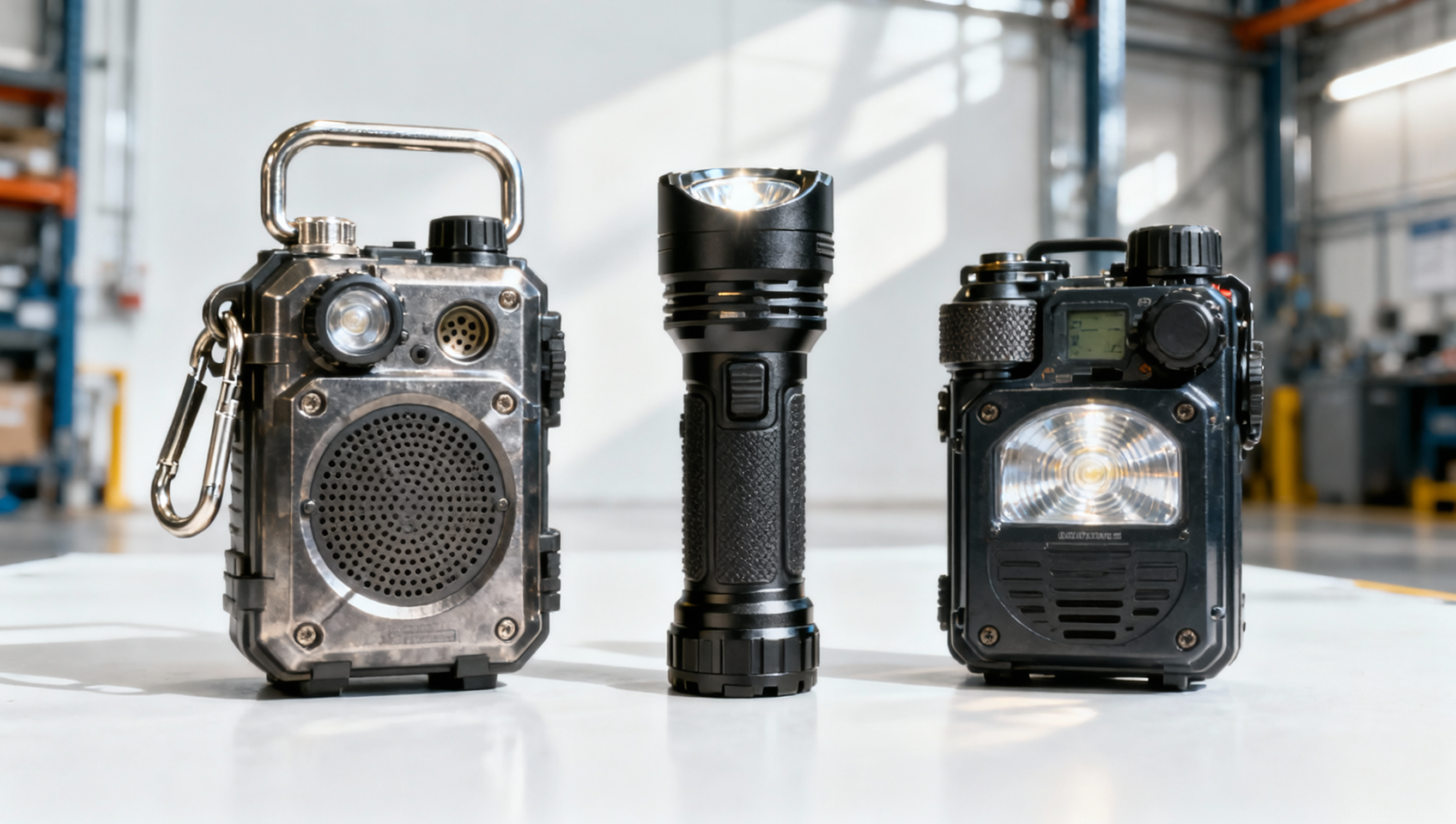
On spec sheets, many wholesale self defense alarms promise high decibel output, but real street performance often tells a different story. For buyers comparing pepper spray manufacturer options, stun guns bulk offers, wholesale tactical flashlights, and carbon monoxide alarms or gas leak detectors wholesale for broader safety portfolios, the real question is reliability under pressure. This guide helps researchers, operators, procurement teams, and decision-makers spot the gap between marketed loudness and field-ready protection.
Why do many wholesale self defense alarms underperform outside the lab?
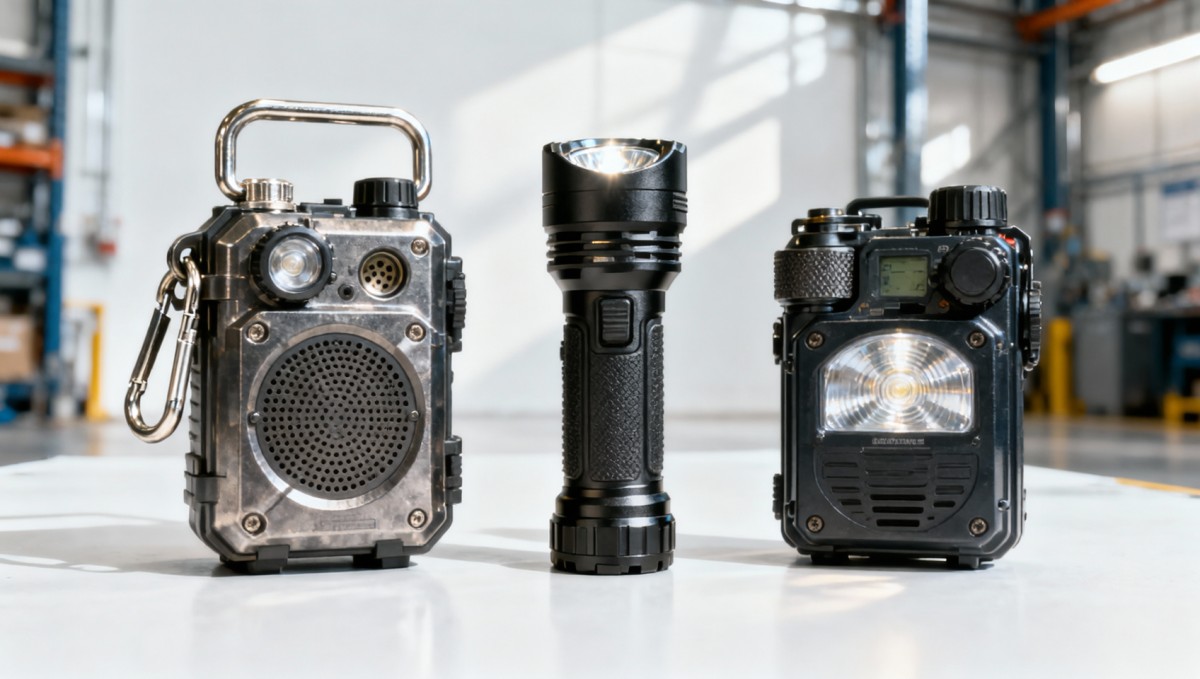
A self defense alarm can look impressive on a product sheet because the headline number is simple: 120 dB, 125 dB, even 130 dB. Yet decibel claims alone do not tell a procurement team how the unit behaves in an open street, a parking structure, a windy transit stop, or after 6–12 months of storage. In real use, sound dispersion, battery condition, switch reliability, and user activation speed often matter more than the advertised peak figure.
For information researchers and enterprise buyers, this matters because personal alarms are rarely purchased in isolation. They are frequently evaluated as part of a larger safety portfolio that may also include tactical flashlights, carbon monoxide alarms, gas leak detectors, or emergency signaling tools. In that broader context, the question is not whether an alarm is loud on paper, but whether it performs consistently under field conditions and aligns with the expected operating risk.
Operators face another problem: a device that is technically loud but hard to trigger under stress can fail its purpose. A pull-pin design may be fast, but weak attachment points can cause accidental activation during transport. A button-trigger design may reduce false alarms, but it may require 2–3 seconds of pressure or a precise grip that users cannot manage during a struggle. Street effectiveness is therefore a combination of acoustics, ergonomics, and durability.
For procurement directors and decision-makers, the practical standard is simple. A wholesale self defense alarm should be assessed as a signaling device within a real human use chain: storage, carry, access, activation, sustained output, and post-event replacement. If one link fails, the decibel number loses purchasing value.
The most common gaps between specification and field use
When Global Industrial Core reviews security and safety categories, the same pattern appears across many low-cost sourcing channels. Suppliers highlight one measurable attribute while leaving out the conditions that determine actual usefulness. In alarms, this usually means emphasizing peak sound output but not clarifying test distance, power source behavior, sound duration, or housing resistance.
- Peak dB may be measured at a very short distance, while perceived effectiveness drops sharply in open air or noisy urban environments.
- Battery drain during storage can reduce siren strength after 3–9 months if packaging, cell quality, or standby design is poor.
- Plastic housings that appear acceptable in samples may crack after repeated drops from roughly 1–1.5 meters.
- Activation hardware such as pull pins, keyrings, or switches can be the first failure point in bulk lots.
That is why buyers should evaluate alarms the way they would evaluate other safety devices: not as a marketing accessory, but as a fit-for-purpose product where operating consistency, handling logic, and supply quality are all procurement variables.
What should buyers compare besides decibel claims?
A serious comparison of wholesale self defense alarms requires at least 5 core dimensions: activation method, sustained sound duration, battery type, body construction, and lot-to-lot consistency. These are more useful than headline loudness alone because they connect directly to user outcomes and post-purchase complaints. A buyer sourcing 500 units for campus, hospitality, retail, or transport use needs fewer returns and fewer activation failures, not just bigger numbers on cartons.
In mixed safety portfolios, comparison also helps separate personal alarms from adjacent products. Pepper spray, stun guns bulk orders, and wholesale tactical flashlights each involve different regulations, user training levels, and deployment assumptions. A personal alarm is often easier to distribute and carries fewer use-of-force concerns, but only if activation is intuitive and the device remains functional after routine carry.
The table below outlines practical comparison criteria that researchers and procurement teams can use during supplier screening, sample review, and pre-order validation. It is designed for B2B assessment rather than consumer advertising language.
This comparison shows why low-price sourcing can become expensive after deployment. If a supplier cannot explain testing conditions, battery shelf expectations, or component tolerances, the buyer is not purchasing a verified safety tool. They are purchasing uncertainty packaged as a loud number.
How self defense alarms compare with adjacent safety products
Because many distributors bundle categories, buyers often compare personal alarms with pepper spray, stun devices, and tactical flashlights. These products serve different threat models. A self defense alarm is primarily a deterrence and attention-drawing tool. It does not incapacitate. That makes it easier to adopt in workplaces, campuses, hotels, and public-facing operations where simpler handling and lower training requirements are priorities.
However, alarms should not be treated as a universal substitute. In a higher-risk field environment, a tactical flashlight may offer illumination plus directional disorientation. In regulated markets, pepper spray may require legal review and user instruction. Stun guns bulk purchases can raise even stricter compliance and policy questions. Decision-makers should therefore map the device to the operating scenario rather than force one category into every use case.
For portfolio builders, the lesson is straightforward. Choose wholesale self defense alarms where fast signaling, low user complexity, and broad distribution matter. Choose adjacent products only when the legal framework, training readiness, and incident model justify them.
Which technical and compliance checks should procurement teams require?
In industrial and institutional sourcing, procurement should never rely only on a factory quotation and a sample photo. The correct approach is a 4-step validation process: document review, sample inspection, functional testing, and shipment control. This is especially important when the supplier is also offering other safety items such as carbon monoxide alarms or gas leak detectors wholesale, because not all factories have equal competence across categories.
Documentation should clarify material description, battery specification, packaging method, user instructions, and any applicable declarations for the target market. Where export markets require CE, UL-related pathways, RoHS, or ISO-based manufacturing controls, the buyer should verify exactly what applies to the product category and destination. A generic mention of “compliant” is not enough. Buyers need document-level clarity.
Sample inspection should include at least 6 checks: trigger consistency, siren continuity, pull-pin retention, housing seam quality, battery accessibility, and keyring or clip strength. If the intended deployment includes field carry, one practical review period is 7–14 days of handling by test users. This often reveals weaknesses that a bench test misses, especially around accidental activation and carry comfort.
Shipment control matters because a strong pre-production sample does not guarantee a stable bulk lot. Procurement managers should define acceptance rules for carton labeling, packaging count, visible defects, and a sample-based functional check before dispatch. In large orders, even a small defect rate becomes operationally expensive.
A practical procurement checklist for wholesale self defense alarms
- Confirm whether the reported sound level is peak or sustained and request the measurement condition in writing.
- Check expected storage interval and battery replacement guidance for 6-month and 12-month inventory cycles.
- Inspect activation parts for looseness, deformation, or weak ring assemblies that can fail during use.
- Review packaging for moisture protection and transport vibration, especially in cross-border shipping lasting 2–6 weeks.
- Separate personal alarm evaluation from gas alarm or detector evaluation, since the compliance path and technical risk profile differ.
This structured approach reflects the way GIC supports industrial buyers: not by promoting a single number, but by helping teams connect specification, field use, compliance, and sourcing risk into one decision framework.
Why adjacent detector categories require stricter verification
Some buyers sourcing self defense alarms also review carbon monoxide alarms and gas leak detectors wholesale from the same vendor for convenience. That can streamline communication, but it should not reduce scrutiny. Personal alarms are signaling devices. Gas and carbon monoxide alarms are hazard detection devices, and their performance expectations, installation assumptions, and compliance implications are more demanding.
As a result, procurement teams should avoid assuming that competence in one safety category proves competence in another. Multi-category suppliers can be valuable, but only when each category is verified on its own technical and documentation basis.
How do application scenarios change the right buying decision?
The right wholesale self defense alarm for a campus welcome pack is not necessarily the right unit for late-shift retail staff, mobile healthcare workers, hotel teams, or parking attendants. Application context changes activation preference, carry method, packaging need, and replacement policy. Buyers who ignore scenario differences often create avoidable complaints within the first 30–90 days of deployment.
For example, a hospitality group may prioritize compact size and discreet carry because staff uniforms have limited storage space. A university program may prioritize low training burden and simple pull-pin activation for thousands of recipients. A transport operator may prefer higher housing durability because devices are clipped, dropped, and handled more aggressively during long shifts.
Scenario planning also affects reorder logic. A low-cost alarm may look attractive in the first quote, but if replacement frequency is high or battery refresh is required too soon, the annual ownership profile changes. That is why procurement should model not just order cost, but deployment behavior over 12 months.
Common deployment scenarios and what to prioritize
The table below helps map operating context to practical product priorities. It is especially useful for teams deciding whether to standardize one alarm or maintain 2–3 different options across departments.
The interpretation is clear: there is no single best personal alarm for every buyer. The right choice comes from matching design logic to operating environment, distribution scale, and user behavior.
What mistakes do buyers and operators make most often?
The first mistake is treating loudness as the whole product. In reality, street-ready performance comes from a chain of factors: access speed, trigger clarity, battery freshness, housing toughness, and enough sustained output to attract attention in a noisy setting. A high-decibel claim does not remove the need for basic usability testing.
The second mistake is combining unrelated categories into one approval shortcut. A supplier offering pepper spray manufacturer services, stun guns bulk catalogs, wholesale tactical flashlights, and gas leak detectors wholesale may be commercially convenient, but each product family should still be screened according to its own technical and regulatory profile. Convenience should not replace category-specific diligence.
The third mistake is ignoring operator feedback. In many programs, 10–20 pilot users can reveal more than a polished data sheet. They can tell you whether the alarm snags on clothing, whether the ring pulls too easily, whether the casing feels fragile, and whether activation is intuitive during stress. This kind of feedback is low-cost and highly practical.
The fourth mistake is failing to plan replacement cycles. Even when unit cost is low, procurement should define battery review intervals, damaged-unit replacement rules, and reorder timing. Without that, the program starts strong but loses reliability over time.
FAQ for researchers, users, and purchasing teams
How should I evaluate a wholesale self defense alarm if the supplier only promotes dB output?
Ask for the test condition, activation method, power source, and expected storage behavior. Then request samples and run a short 7–14 day handling review. A useful alarm should remain easy to trigger, free from accidental activation, and operational after routine carry. If the supplier cannot explain these basics, the dB number alone is not a reliable buying signal.
Are personal alarms enough, or should buyers also consider pepper spray or tactical flashlights?
It depends on the use environment, user policy, and legal framework. Personal alarms are often a practical first layer because they are easy to distribute and require limited training. Tactical flashlights may be useful where low-light work is routine. Pepper spray and stun devices need more careful legal and operational review. The best decision comes from risk mapping, not category popularity.
What order size or lead time should procurement expect?
Lead time varies by stock status, packaging requirements, and whether branding or custom instructions are included. In cross-border B2B trade, sample approval may take 7–15 days, while production and shipment can add 2–6 weeks depending on volume and route. Buyers should confirm packaging counts, labeling, spare parts, and inspection timing before committing to delivery promises.
Can one supplier handle self defense alarms, gas alarms, and other safety items together?
Yes, but only if each category is verified independently. A multi-category supplier may simplify sourcing, yet self defense alarms, carbon monoxide alarms, and gas leak detectors serve different technical functions and may follow different compliance pathways. Procurement should evaluate documentation, test evidence, and production controls per category rather than assume overlap.
Why work with GIC when reviewing safety sourcing options?
Global Industrial Core supports buyers who cannot afford vague product language or category confusion. Our value is not limited to listing suppliers. We help researchers, operators, purchasing teams, and enterprise decision-makers interpret safety products through the lens of actual deployment: compliance, durability, sourcing structure, operating context, and supply-chain credibility.
That matters when a purchasing team is comparing wholesale self defense alarms with adjacent categories like wholesale tactical flashlights, pepper spray manufacturer channels, or gas and carbon monoxide alarm sourcing. Each category has its own documentation needs, handling implications, and procurement risks. A disciplined review process reduces bad-fit orders and short-lived programs.
If you are screening suppliers, preparing a bulk purchase, or building a broader safety portfolio, GIC can help you clarify 5 practical areas before you move forward: parameter confirmation, scenario-based product selection, expected lead time, certification or declaration scope, and sample review priorities. This is especially useful for EPC contractors, facility teams, procurement managers, and distributors who need structured decision support rather than generic sales claims.
Contact us to discuss your target market, required quantity, packaging needs, and risk profile. We can help you narrow suitable product types, identify the questions that matter before quotation approval, compare alternatives across safety categories, and organize a sourcing path around samples, compliance checks, delivery timing, and quote communication.
Technical Specifications
Expert Insights

Chief Security Architect
Dr. Thorne specializes in the intersection of structural engineering and digital resilience. He has advised three G7 governments on industrial infrastructure security.
Related Analysis
- Apr 14, 2026How accurate is a true RMS multimeter on VFD signals?Author :Precision Metrology Expert
- Apr 14, 2026When a digital oscilloscope wholesale quote looks cheap at firstAuthor :Precision Metrology Expert
- Apr 14, 2026What changes when an ozone generator goes commercial gradeAuthor :Environmental Engineering Director
Core Sector // 01
Security & Safety
- Automatic hand sanitizers with sensors or pedals?Author :Safety Compliance Lead

- Does a wholesale shoe cover dispenser really reduce contamination?Author :Safety Compliance Lead

- ESD anti static shoes that pass tests but feel unsafe on siteAuthor :Safety Compliance Lead

- Why wholesale cleanroom garments vary so much in durabilityAuthor :Safety Compliance Lead

- Scaffolding tags are simple until weather starts erasing themAuthor :Safety Compliance Lead

- Do wholesale safety nets hold up after months of UV exposure?Author :Safety Compliance Lead

- Wheel chocks wholesale: rubber or polyurethane on sloped ground?Author :Safety Compliance Lead

- Why wholesale traffic batons get dim after short daily useAuthor :Safety Compliance Lead