Why Hazardous Waste Treatment Costs Vary So Much
Author
Date Published
Reading Time
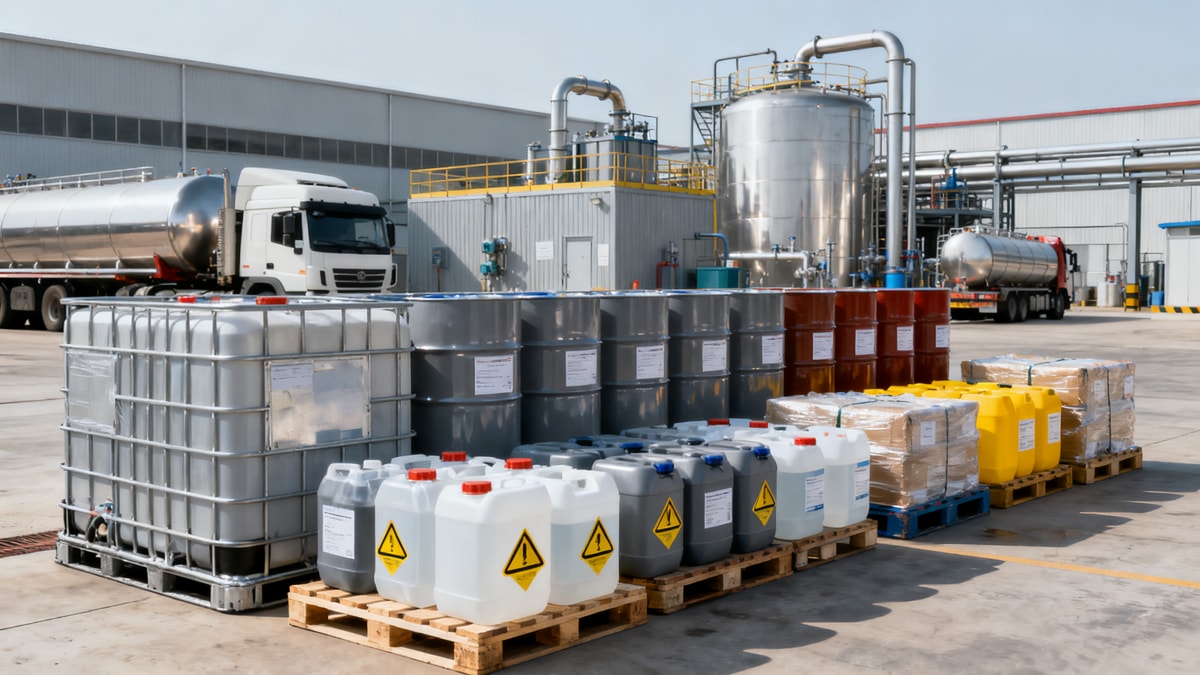
Hazardous waste treatment costs can swing dramatically from one project to another, creating major budgeting challenges for financial decision-makers. The reasons go far beyond disposal fees, often involving waste classification, regulatory compliance, transport distance, treatment technology, and risk management. Understanding what drives these cost differences is essential for approving budgets with confidence and avoiding hidden liabilities.
Understanding the Cost Logic Behind Hazardous Waste Treatment
At a basic level, hazardous waste treatment refers to the handling, processing, neutralization, recycling, or destruction of waste streams that pose chemical, biological, flammable, corrosive, or toxic risks. Yet from a financial perspective, the term covers a far more complex cost structure than many approval teams initially expect. Two waste loads that appear similar by volume can have very different treatment costs because they trigger different legal obligations, packaging rules, transport restrictions, and technology requirements.
For finance approvers, this means hazardous waste treatment should not be treated as a simple line-item disposal expense. It is better understood as a risk-managed compliance service tied to environmental liability, workplace safety, insurance exposure, and operational continuity. In heavy industry, construction, utilities, manufacturing, laboratories, and infrastructure maintenance, the wrong assumption about treatment cost can lead to underbudgeting, project delays, regulatory penalties, or long-tail remediation expenses.
This is why industrial intelligence platforms such as Global Industrial Core emphasize a structured view: cost variation is not random. It reflects measurable differences in hazard level, handling complexity, and the infrastructure needed to keep waste treatment safe, compliant, and auditable.
Why the Industry Pays Close Attention to Cost Variation
Across modern industry, hazardous waste treatment sits at the intersection of environmental stewardship and capital discipline. Regulatory regimes have become stricter, public scrutiny is higher, and cross-border supply chains create more documentation and traceability demands. As a result, treatment pricing now reflects not only physical disposal but also sampling, laboratory analysis, manifesting, certified transport, treatment validation, and final reporting.
For financial decision-makers, the issue is especially relevant because hazardous waste treatment costs influence more than the environmental budget. They can affect maintenance shutdown planning, project cash flow, cost allocation by site, contract negotiation with service providers, and reserve planning for contingent liabilities. A lower quote may look attractive, but if it excludes testing, emergency surcharges, fuel escalation, packaging, or compliance paperwork, the real financial exposure may be much higher.
In sectors supported by EPC contractors and facility managers, the challenge is even sharper. Large projects often generate mixed waste streams from commissioning, cleaning, decontamination, coating removal, solvent use, electrical component replacement, and contaminated soils or water. Each stream may require a separate hazardous waste treatment path, and each path carries its own cost model.
The Main Drivers That Cause Hazardous Waste Treatment Costs to Differ
The biggest reason hazardous waste treatment pricing varies so much is that cost is built from several layered variables rather than one market rate. Understanding these variables helps finance teams review proposals more accurately.
- Waste classification: Toxic, reactive, ignitable, corrosive, infectious, or mixed wastes require different controls and treatment methods.
- Physical and chemical composition: Liquids, sludges, solids, aerosols, heavy-metal residues, and contaminated absorbents rarely share the same treatment route.
- Volume and concentration: Larger volumes can sometimes reduce unit cost, but high contaminant concentration can sharply increase it.
- Packaging and pre-treatment: Overpacking, segregation, stabilization, neutralization, or dewatering add cost before final treatment begins.
- Transport distance and routing: Hazardous materials transport requires licensed carriers, approved containers, and route controls.
- Regulatory jurisdiction: Local, national, and international rules change documentation and treatment obligations.
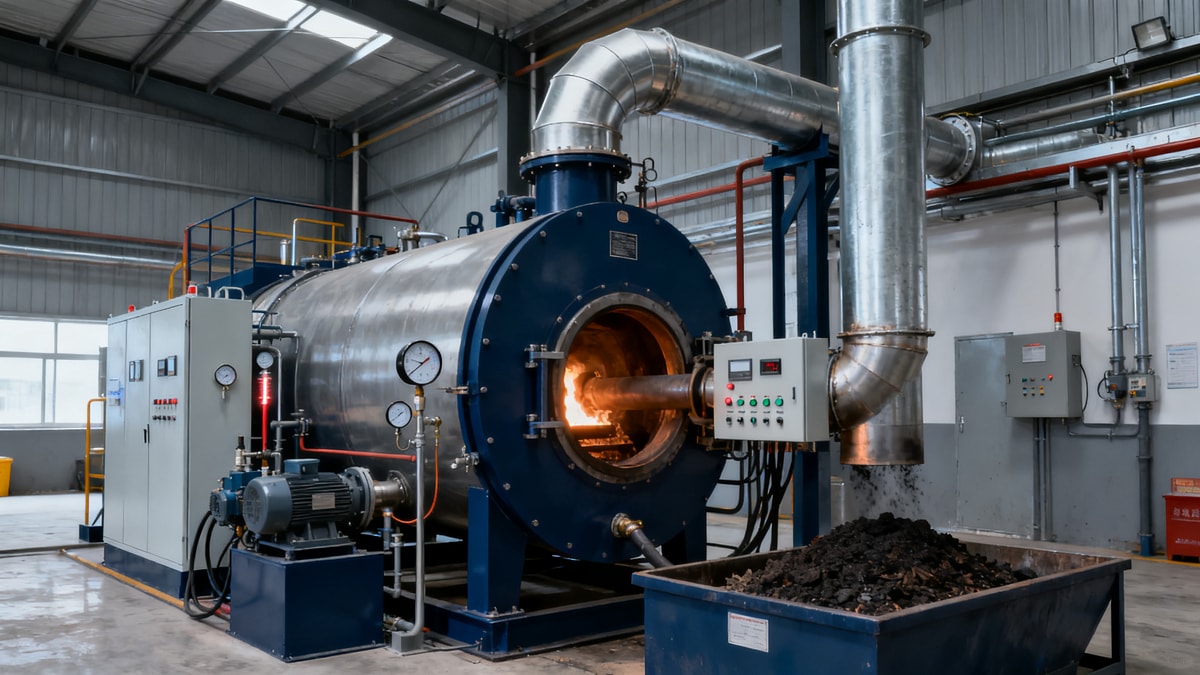
- Facility capability: Specialized incineration, chemical treatment, fuel blending, secure landfill, or recovery systems carry different cost bases.
- Urgency and scheduling: Emergency removal, plant outage work, or after-hours collection often comes with premium charges.
A key insight for approvers is that hazardous waste treatment vendors are not pricing only the waste itself. They are pricing the risk, the legal accountability, the treatment infrastructure, and the probability of operational disruption if anything goes wrong.
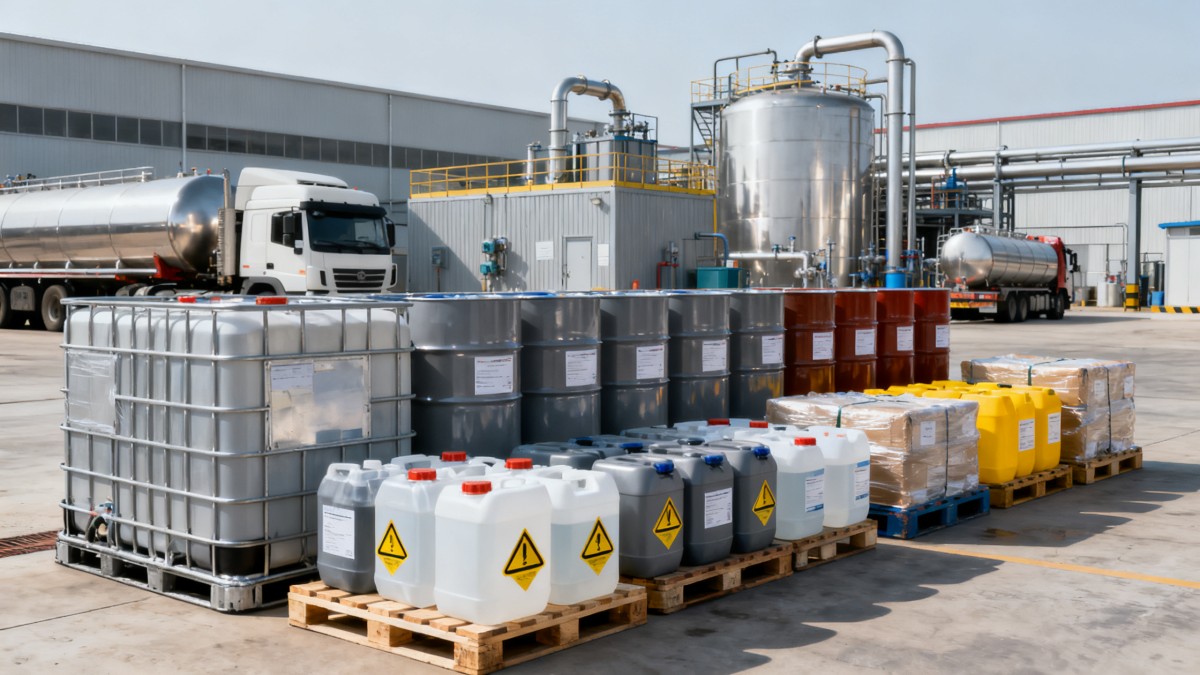
A Practical Industry Overview of Cost Factors
The table below summarizes how common cost variables typically influence hazardous waste treatment budgets in industrial environments.
Typical Waste Categories and Why Their Cost Profiles Differ
Not all hazardous waste treatment scenarios are equally complex. Some waste streams are relatively predictable, while others require extensive characterization and a tightly controlled chain of custody. For budgeting purposes, it helps to group common industrial cases into clear categories.
What This Means for Financial Approvers
For a financial approver, the most important takeaway is that hazardous waste treatment budgets should be reviewed as variable-risk budgets, not commodity service budgets. A quote that seems expensive may actually reflect stronger compliance controls, more accurate profiling, or a safer downstream treatment path. Conversely, a low headline number can hide exclusions that later appear as change orders or liability costs.
This is particularly important in multinational or highly regulated industrial environments, where environmental non-compliance can create secondary impacts: delayed handover, contractor disputes, insurer scrutiny, and reputational damage. Cost control therefore comes from informed scope definition, accurate waste characterization, and disciplined vendor review rather than from selecting the cheapest treatment option alone.
In practical terms, hazardous waste treatment decisions often benefit from joint review by finance, EHS, operations, and procurement. Finance brings cost discipline, but technical and compliance teams clarify whether the proposed treatment path is legally sufficient and operationally realistic.
How Better Planning Can Reduce Cost Volatility
Although some price variation is unavoidable, organizations can make hazardous waste treatment more predictable. The first step is early waste profiling. When waste is sampled and classified before collection, vendors can price more accurately and avoid expensive reclassification during transport or at the treatment facility.
Second, segregation matters. Mixing different waste streams can turn a partially recoverable material into a higher-cost hazardous mixture. Keeping solvents separate from aqueous waste, or isolating metal-bearing residues from general debris, can materially improve treatment economics.
Third, contract structure matters. Multi-site industrial operators often gain better visibility by using standardized coding, recurring pickup schedules, and transparent rate cards that separate transport, packaging, analysis, and treatment. This makes hazardous waste treatment invoices easier to audit and forecast.
Fourth, project timing should be managed proactively. Emergency removals almost always cost more. If waste generation can be mapped to shutdown schedules, construction milestones, or maintenance windows, logistics can be consolidated and surcharges reduced.
Questions Worth Asking Before Approving a Budget
Before signing off on a hazardous waste treatment budget, financial stakeholders should ask a short set of disciplined questions:
- Has the waste been accurately profiled and documented?
- Does the quote include transport, testing, packaging, permits, and reporting?
- What treatment method is proposed, and why is it appropriate for this waste type?
- Are there exclusions, contamination assumptions, or volume thresholds that may alter the final price?
- Is the vendor using licensed facilities with reliable compliance records?
- What is the residual liability if the waste is misclassified or rejected downstream?
These questions do more than protect budget accuracy. They help convert hazardous waste treatment from a reactive cost center into a controlled governance function.
A Sounder Approach to Decision-Making
Hazardous waste treatment costs vary because the service itself sits on top of multiple technical, legal, and logistical layers. Waste type, hazard class, location, treatment technology, and compliance burden all influence final pricing, often significantly. For finance approvers, the right response is not to chase a single benchmark number, but to understand the cost drivers well enough to separate justified expense from avoidable inflation.
Organizations that handle this well usually combine accurate waste characterization, strong vendor due diligence, cross-functional review, and clear documentation standards. In industrial settings where reliability and compliance are non-negotiable, that approach supports both budget confidence and long-term risk reduction. If your business is evaluating hazardous waste treatment across multiple facilities, projects, or contractors, a structured cost review framework will deliver better approvals than price comparison alone.
Technical Specifications
Expert Insights

Chief Security Architect
Dr. Thorne specializes in the intersection of structural engineering and digital resilience. He has advised three G7 governments on industrial infrastructure security.
Related Analysis
- May 02, 2026Chemical Metering Pumps: Which Dosing Errors Cost the Most?Author :Environmental Engineering Director
- May 02, 2026What Sets One Belt Filter Press Manufacturer Apart?Author :Environmental Engineering Director
- May 02, 2026Moving Bed Biofilm Reactor MBBR Retrofit Benefits and LimitsAuthor :Environmental Engineering Director
Core Sector // 01
Security & Safety
- Copper Wire Granulator Output Depends on More Than Blade SpeedAuthor :Environmental Engineering Director

- Medical Waste Incinerator Compliance Risks Often Missed EarlyAuthor :Environmental Engineering Director

- Compost Turner Machine Size: Bigger Is Not Always BetterAuthor :Environmental Engineering Director

- What to Check Before Buying Smokeless Incinerators WholesaleAuthor :Environmental Engineering Director

- Is a Commercial Food Waste Composter Worth the Space?Author :Environmental Engineering Director

- E Waste Recycling Plant Planning Mistakes to AvoidAuthor :Environmental Engineering Director

- How to Judge Trommel Screen Wholesale Quality FastAuthor :Environmental Engineering Director

- Why Hazardous Waste Treatment Costs Vary So MuchAuthor :Environmental Engineering Director