What to Check Before Buying Smokeless Incinerators Wholesale
Author
Date Published
Reading Time
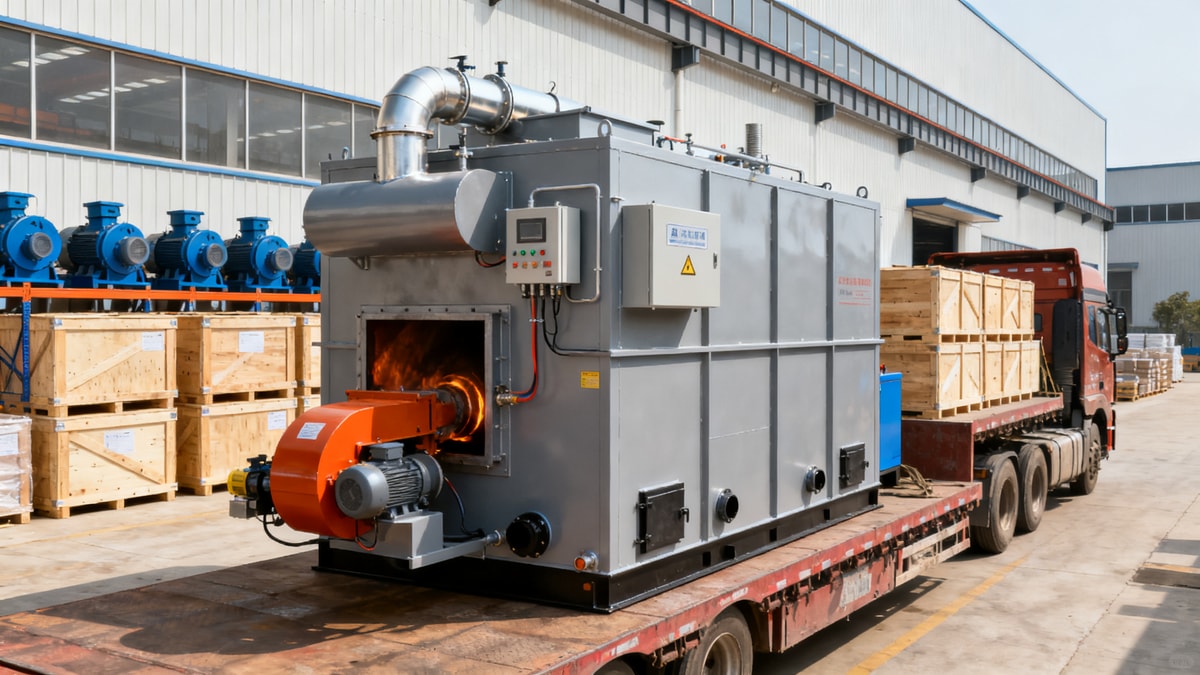
Before committing to smokeless incinerators wholesale, distributors, agents, and regional dealers need to look beyond price and compare compliance, burn efficiency, emission control, build quality, and supplier support. A reliable wholesale partner can reduce risk, protect margins, and strengthen long-term market competitiveness. This guide outlines the essential checks that help buyers make confident, scalable purchasing decisions.
Why the market is changing for smokeless incinerators wholesale
The buying logic behind smokeless incinerators wholesale has changed significantly in recent years. What used to be a relatively straightforward equipment purchase is now shaped by tighter environmental oversight, higher end-user expectations, and growing scrutiny of supplier claims. For distributors and agents, this shift matters because demand is no longer driven only by basic waste disposal needs. Buyers increasingly want cleaner combustion, documented emissions performance, safer operation, and lower lifecycle cost.
This trend is especially visible in sectors such as agriculture, medical support facilities, municipal services, camps, construction sites, and remote industrial operations. In these markets, end users are asking harder questions: Can the unit operate reliably under continuous use? Does it meet local or export compliance standards? How much smoke is produced during ignition, peak burn, and shutdown? Can spare parts be sourced quickly? These questions directly affect wholesale purchasing decisions, because every weak point in the equipment or supplier relationship becomes a future after-sales problem for the channel partner.
As a result, successful smokeless incinerators wholesale strategies now depend on technical validation, compliance due diligence, and supplier risk control. Dealers who still buy only on ex-factory price often discover hidden costs later in warranty claims, delayed shipments, rejected certifications, or damaged market reputation.
The strongest trend signals buyers should not ignore
Several market signals explain why wholesale evaluation has become more demanding. First, environmental enforcement is becoming more practical, even in developing markets. Authorities may not regulate every small installation equally, but once complaints arise about visible smoke, odor, or unsafe disposal, enforcement can become immediate. Second, procurement teams are becoming more professional. They compare technical data sheets, request videos of live burn cycles, and ask for proof of component origin. Third, end users increasingly favor equipment that reduces operator intervention, fuel waste, and maintenance downtime.
For companies active in smokeless incinerators wholesale, these signals point to one conclusion: technical credibility is becoming a commercial advantage. A supplier that can explain how its chamber geometry, insulation, burner support, and secondary combustion system reduce visible smoke will usually be easier to position in serious distribution channels.
What to check first: compliance is now a market filter, not a bonus
One of the biggest changes in this segment is that compliance has moved from a negotiable feature to a front-end filter. In smokeless incinerators wholesale, distributors should confirm not only whether the factory mentions CE, ISO, or other standards, but whether those certifications actually match the model being offered, the production entity, and the target market requirements.
This matters because “smokeless” is not a universal legal definition. In some markets it is a practical marketing term referring to reduced visible emissions; in others, local authorities may focus on specific pollutants, burn temperature, retention time, or application category. If a wholesaler assumes the same model can be sold everywhere without document review, project delays and customer disputes become likely.
At minimum, verify product certificates, quality management credentials, test reports, operation manuals, safety warnings, and nameplate details. Also ask whether the supplier can support pre-shipment inspection, third-party factory audit, and documentation customized for your country or region. A serious supplier should welcome these checks instead of avoiding them.
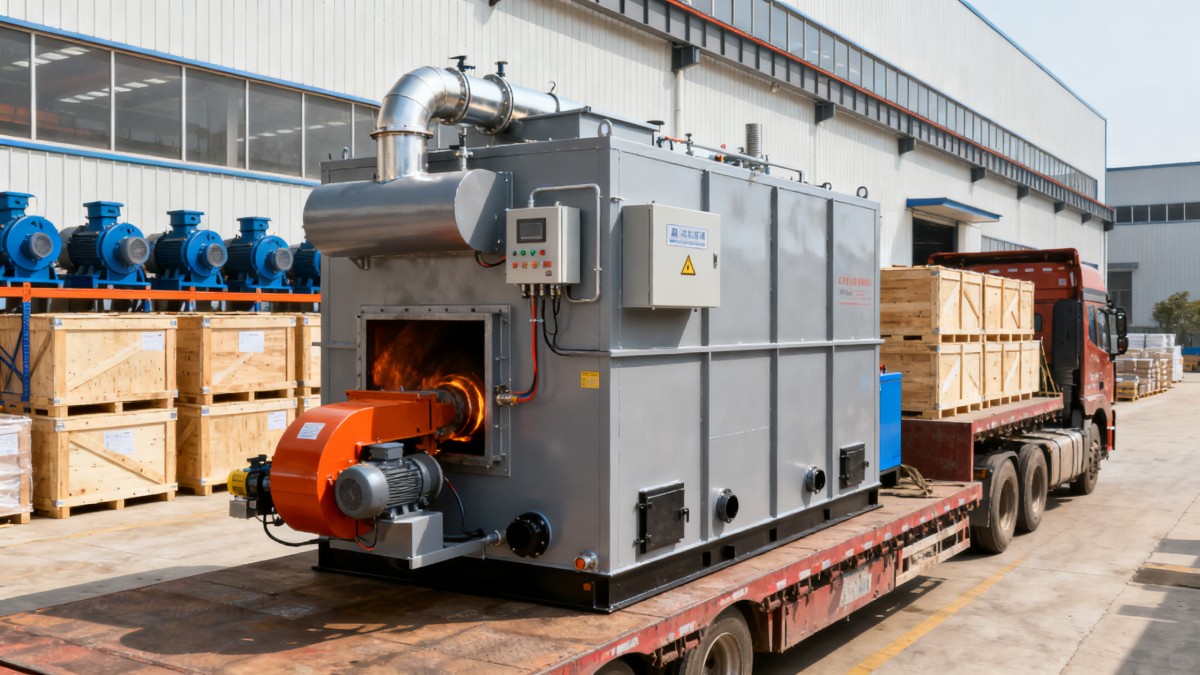
Efficiency claims are evolving, so burn performance must be proven
Another important shift is the move from generic performance claims to measurable operating results. In the past, some buyers accepted broad statements such as “high efficiency” or “smokeless burning.” Today, more professional procurement teams want to know how the unit performs with specific waste streams, moisture levels, loading patterns, and ambient conditions.
For smokeless incinerators wholesale, this means asking practical questions. What is the actual daily capacity under normal conditions rather than ideal lab conditions? How stable is the secondary combustion chamber temperature? How long is the startup period? What fuel is needed during ignition and support burning? How much ash remains after a standard batch? Can the unit maintain consistent performance when handling mixed waste instead of uniform material?
Distributors who understand these details can set better customer expectations and avoid overpromising. A model that looks attractive on paper but struggles with wet waste, frequent loading, or prolonged operation can create recurring complaints. In trend terms, the market is rewarding suppliers that provide real operating data, demonstration videos, and application-specific guidance rather than polished brochures alone.
Build quality now has direct impact on dealer reputation
As competition increases, some manufacturers cut cost through thinner steel, weaker refractory linings, lower-grade burners, or simplified air management. For a distributor, these shortcuts may not be obvious at quotation stage, but they become highly visible after installation. Warped chambers, cracked refractory, unstable doors, poor seals, and unreliable temperature control all damage trust in the dealer as much as in the factory.
That is why smokeless incinerators wholesale should always include a structured build-quality review. Check chamber material thickness, refractory type, external surface finishing, burner brand, fan specifications, control panel protection, thermocouple placement, and door hinge strength. If possible, request manufacturing photos, workshop videos, and references from installed projects with similar duty cycles.
This is also where GIC-style industrial sourcing discipline matters. Equipment intended for harsh operating environments must be assessed for durability, maintainability, and safety under real industrial conditions, not only appearance at the factory gate. Strong build quality supports better pricing power for dealers because it lowers service friction and reduces the need for reactive discounting later.
Supplier support is becoming a decisive wholesale differentiator
A clear market change is that the supplier relationship now matters nearly as much as the machine itself. In smokeless incinerators wholesale, distributors are not only buying a unit; they are buying response speed, documentation discipline, spare parts continuity, and technical communication quality. A factory that disappears after shipment can turn even a decent product into a poor channel investment.
Look closely at how the supplier handles pre-sales and after-sales communication. Do they answer detailed technical questions or only push discounts? Can they provide exploded parts diagrams and troubleshooting guides? Is there remote commissioning support? Are critical consumables and replacement components stocked? How quickly can they react to burner failure, control system issues, or refractory replacement needs?
The trend here is simple: wholesale buyers are favoring suppliers that behave like long-term industrial partners. This is especially important for agents entering new geographies, where local end users may require training, spare parts planning, and more operational guidance during the first installations.
Different channel players face different risks
Not every buyer in smokeless incinerators wholesale faces the same pressure. Regional distributors, project-based traders, and exclusive agents each absorb risk differently. Understanding that difference helps shape a better sourcing checklist.
This impact pattern matters because the best smokeless incinerators wholesale decision is not always the cheapest or even the most technically advanced. It is the option that best matches the buyer’s service model, customer profile, and growth plan.
How technology upgrades are changing buying priorities
Technology is also changing what “good enough” means in this category. Features once seen as premium are increasingly becoming expected in competitive channels. Examples include more stable secondary combustion, improved insulation for thermal retention, safer feeding and ash removal layouts, digital temperature monitoring, and better airflow design to reduce visible smoke during difficult burn cycles.
For distributors, the key insight is that technology upgrades should be judged by business value, not brochure complexity. A more advanced control system only helps if it improves reliability and simplifies operator use. A stronger refractory system matters if it extends service intervals. Better airflow management matters if it reduces smoke complaints and supports cleaner combustion across varying waste conditions.
In practical smokeless incinerators wholesale evaluation, ask the supplier to explain which design updates are recent, why they were introduced, and what problems they solve in the field. Factories that continuously refine their equipment based on real installation feedback are often better long-term partners than those selling outdated designs through aggressive pricing.
What smart buyers should do before scaling orders
Because the market is becoming more selective, prudent buyers are staging their commitments. Instead of jumping directly into large-volume smokeless incinerators wholesale orders, they validate step by step. This may include sample orders, factory audits, pilot installations, video verification of burn cycles, document review by local compliance consultants, and structured collection of end-user feedback.
A strong pre-scaling checklist typically includes these points: confirm the target waste applications; match capacity to realistic usage; verify emissions and safety documentation; review packaging and shipping protection; test supplier response speed; lock spare parts terms; clarify warranty exclusions; and define who handles commissioning, training, and service escalation. These are not administrative details. They are early indicators of whether wholesale cooperation can expand smoothly.
Just as important, compare supplier stability. A low quote from a factory with weak process control can destroy channel profitability through rework and field complaints. In contrast, a supplier with clear engineering support and stable quality may enable higher conversion rates, lower service cost, and stronger repeat business.
FAQ: market-driven questions about smokeless incinerators wholesale
Is the lowest wholesale price still a competitive advantage?
Only in limited cases. In most channels, the lowest price becomes less attractive if it leads to smoke complaints, premature failure, weak documentation, or expensive service calls. Buyers increasingly compare total commercial risk, not just unit cost.
How can a distributor tell whether “smokeless” claims are credible?
Ask for burn videos, test reports, chamber design explanation, operating temperature ranges, and references from comparable installations. Credible suppliers can usually show how the unit manages primary and secondary combustion under real conditions.
What matters more in smokeless incinerators wholesale: certification or field performance?
Both matter, and the market is increasingly unforgiving when one is missing. Certification supports market access and buyer confidence, while field performance protects brand reputation and repeat sales.
When should buyers switch suppliers?
Warning signs include inconsistent documentation, unexplained design changes, poor communication, repeated shipping delays, unstable parts supply, and reluctance to support inspections or application-specific testing.
The next decision signal: judge readiness, not just availability
The future of smokeless incinerators wholesale will be shaped by buyers who evaluate readiness rather than simple product availability. Readiness means the supplier can meet technical scrutiny, adapt to evolving compliance expectations, support channel growth, and maintain quality across repeated orders. It also means the distributor is ready to sell on evidence, not just on price.
If your business is planning to expand in this category, focus on a few decisive questions. Has the market you serve become more sensitive to smoke, odor, and environmental complaints? Are your customers asking for better documentation or safer operating features? Can your current supplier support scaling without weakening quality or response speed? Are you equipped to verify burn efficiency and emissions claims before committing to larger orders?
Those questions will reveal more than any catalog. In a market where compliance, performance, and trust increasingly shape buying outcomes, the best smokeless incinerators wholesale decision is the one that aligns technical proof, channel economics, and long-term service capability.
Technical Specifications
Expert Insights

Chief Security Architect
Dr. Thorne specializes in the intersection of structural engineering and digital resilience. He has advised three G7 governments on industrial infrastructure security.
Related Analysis
- May 02, 2026Chemical Metering Pumps: Which Dosing Errors Cost the Most?Author :Environmental Engineering Director
- May 02, 2026What Sets One Belt Filter Press Manufacturer Apart?Author :Environmental Engineering Director
- May 02, 2026Moving Bed Biofilm Reactor MBBR Retrofit Benefits and LimitsAuthor :Environmental Engineering Director
Core Sector // 01
Security & Safety
- Copper Wire Granulator Output Depends on More Than Blade SpeedAuthor :Environmental Engineering Director

- Medical Waste Incinerator Compliance Risks Often Missed EarlyAuthor :Environmental Engineering Director

- Compost Turner Machine Size: Bigger Is Not Always BetterAuthor :Environmental Engineering Director

- What to Check Before Buying Smokeless Incinerators WholesaleAuthor :Environmental Engineering Director

- Is a Commercial Food Waste Composter Worth the Space?Author :Environmental Engineering Director

- E Waste Recycling Plant Planning Mistakes to AvoidAuthor :Environmental Engineering Director

- How to Judge Trommel Screen Wholesale Quality FastAuthor :Environmental Engineering Director

- Why Hazardous Waste Treatment Costs Vary So MuchAuthor :Environmental Engineering Director