Medical Waste Incinerator Compliance Risks Often Missed Early
Author
Date Published
Reading Time
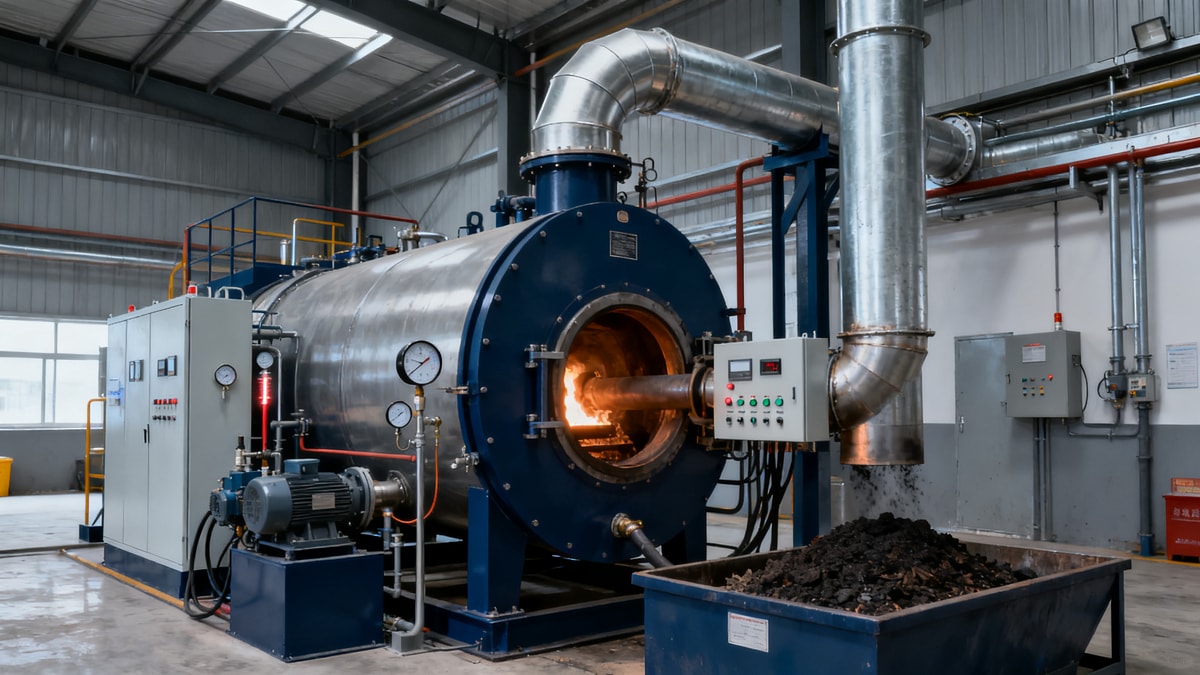
Early-stage compliance gaps in a medical waste incinerator can trigger costly shutdowns, failed audits, and serious safety liabilities long before emissions data reveals a problem. For quality control and safety management teams, understanding these often-overlooked risks is essential to maintaining regulatory readiness, protecting workers, and ensuring reliable waste treatment performance across high-stakes industrial and healthcare environments.
Why do early compliance failures in a medical waste incinerator get missed so often?
Many teams assume compliance starts and ends with stack emissions, ash handling, or final inspection reports. In reality, the highest-risk failures in a medical waste incinerator often begin much earlier: design assumptions, waste characterization, operating logic, documentation control, interlock validation, burner performance, and operator competency. These issues can remain invisible during routine production periods, then surface abruptly during an audit, incident investigation, insurance review, or permit renewal.
For quality control personnel, the problem is usually traceability. Equipment may meet stated specifications, but records do not prove that combustion temperature, residence time, feed rate, and air supply were validated under realistic waste loads. For safety managers, the gap is often procedural. Emergency shutdown steps, PPE selection, exposure controls, and lockout-tagout procedures may exist on paper yet fail to match the actual workflow around loading, maintenance, ash removal, and refractory inspection.
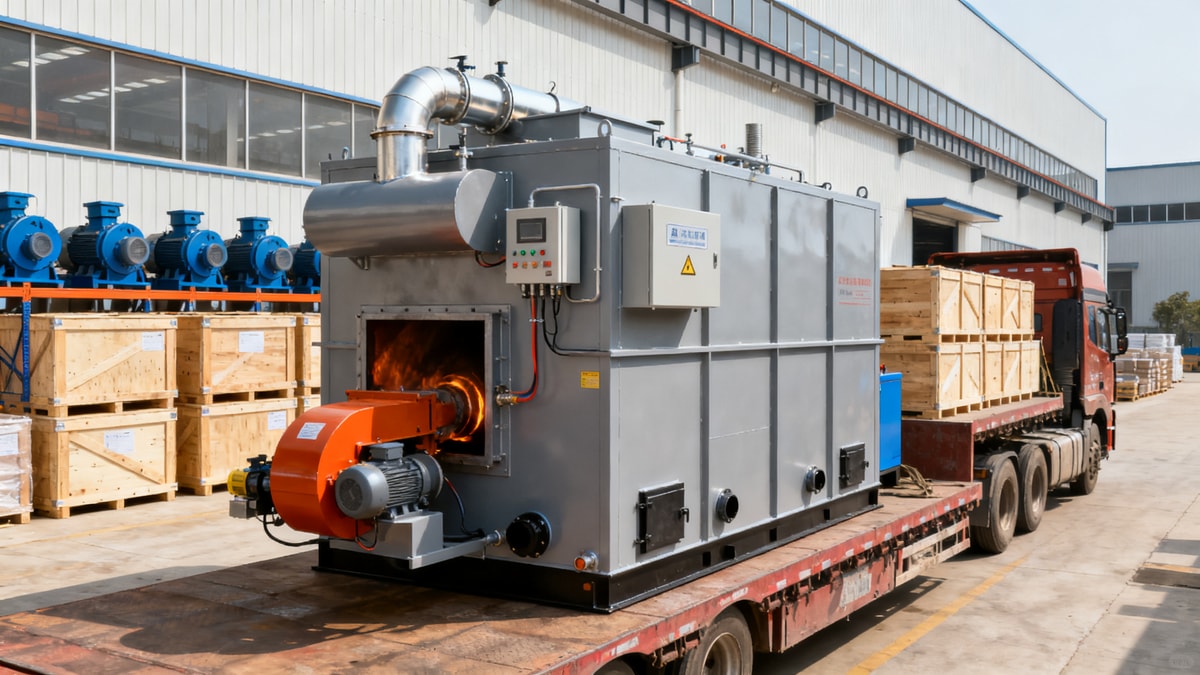
A compliant medical waste incinerator is not just a machine; it is a controlled system involving waste segregation, combustion stability, emissions control, preventive maintenance, and trained human response. When organizations treat it as a stand-alone asset rather than a regulated process chain, early compliance risks become easy to overlook.
What are the most commonly overlooked early-stage compliance risks?
The most missed risks are rarely dramatic at first. They are subtle control weaknesses that accumulate. In a medical waste incinerator project or operating environment, quality and safety teams should pay close attention to the following areas:
- Incorrect waste profile assumptions: Infectious waste, pharmaceutical residues, sharps, plastics, moisture-heavy loads, and pathological waste do not behave the same in combustion.
- Weak commissioning evidence: Startup tests may show basic function, but not sustained compliant performance across variable load conditions.
- Incomplete interlock verification: Burner cutoffs, door safety switches, induced draft responses, and alarm logic are sometimes accepted without full fail-safe testing.
- Poor calibration discipline: Temperature sensors, pressure transmitters, flow instruments, and emissions monitors can drift before anyone notices.
- Documentation mismatch: SOPs, maintenance records, and operator logs may not align with permit conditions or OEM instructions.
- Residue handling gaps: Ash classification, containment, storage, and transport controls are often reviewed too late.
- Insufficient operator training: Teams may know normal operation but not upset-condition response, cold start restrictions, or abnormal feed rejection criteria.
These are early warning categories because they influence compliance before a visible breakdown occurs. A medical waste incinerator may continue running while hidden deviations undermine permit confidence, worker safety, and downstream environmental obligations.
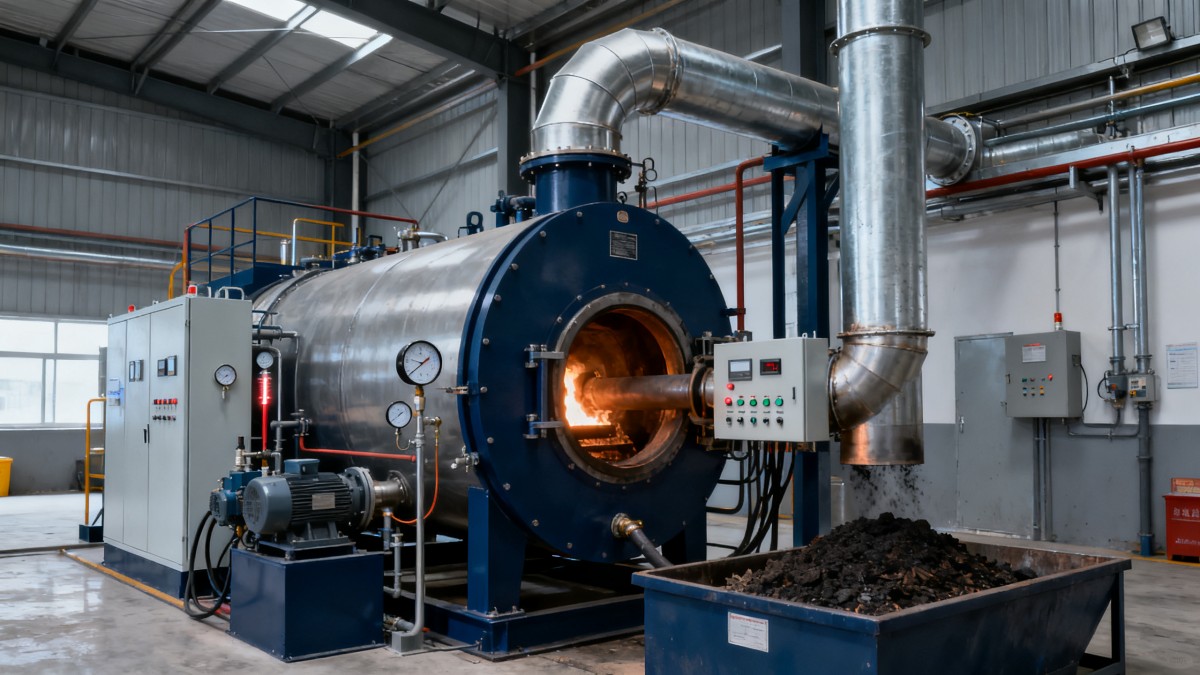
How can quality control teams tell whether a medical waste incinerator is audit-ready?
Audit readiness is not proven by one successful site visit or a clean emissions snapshot. QC teams should verify whether the medical waste incinerator can demonstrate repeatable control, documented evidence, and change management discipline. A strong review asks not only “Is it working?” but also “Can we prove it was designed, tested, operated, and maintained within defined limits?”
Start with document integrity. Permits, operating procedures, calibration certificates, training records, maintenance logs, and deviation reports should be current, signed, version-controlled, and easy to trace. Then examine whether operating records actually support the declared compliance model. If the permit requires minimum combustion temperature or secondary chamber residence conditions, data capture must be continuous and defensible, not reconstructed after the fact.
QC should also verify that acceptance criteria reflect realistic conditions. A medical waste incinerator that passed factory or site tests with uniform surrogate loads may still fail under wet, mixed, or irregular feed. Audit resilience depends on evidence from actual use patterns, not idealized startup scenarios.
Quick compliance review table
Which safety management mistakes create the highest hidden liability?
The biggest liabilities usually come from treating safety as a general facility issue instead of a process-specific hazard set. A medical waste incinerator combines biological risk, thermal risk, mechanical handling risk, combustion gas exposure, confined-space concerns, and maintenance isolation challenges. If safety controls are generic, they leave dangerous blind spots.
One common mistake is underestimating pre-combustion hazards. Waste receiving, temporary storage, and loading points expose workers to sharps, leakage, aerosols, and incompatible materials before incineration even begins. Another mistake is relying on normal-operation PPE while neglecting maintenance scenarios such as chamber cleaning, refractory repair, fan servicing, or baghouse work, where exposure conditions change sharply.
A third hidden liability involves emergency logic. Safety managers may focus on evacuation procedures but overlook technical response sequences: what happens if combustion temperature drops, draft collapses, a burner misfires, power is interrupted, or feed continues during an upset? In a medical waste incinerator, delay between alarm and correct action can affect emissions, operator exposure, and equipment damage simultaneously.
The strongest programs link hazard assessments directly to equipment states: startup, steady operation, upset, shutdown, maintenance, and residue removal. That approach gives safety teams a more realistic control map than a single broad risk register.
How do design, procurement, and commissioning decisions affect future compliance?
Long before a medical waste incinerator enters service, procurement choices shape the future compliance burden. If buyer evaluation focuses mainly on throughput and price, important controls may be missed: refractory durability, combustion chamber geometry, burner redundancy, instrument quality, access for inspection, controls architecture, and compatibility with local standards or permit frameworks.
For cross-border sourcing and industrial projects, teams should verify whether supplier claims are backed by recognized certifications, material traceability, testing records, and reference installations in comparable duty conditions. A medical waste incinerator designed for one waste stream or regulatory environment may require substantial adaptation elsewhere. The same nominal capacity does not guarantee the same compliance margin.
Commissioning is equally critical. Too many projects stop at functional startup rather than compliance-oriented validation. That means proving not only ignition and feed handling, but also alarm performance, combustion stability across load variation, emissions control response, ash handling procedures, and operator decision-making. If commissioning scripts do not include failure scenarios, the facility may inherit latent nonconformities that become expensive to correct later.
For QC and safety managers involved in supplier assessment, useful pre-award questions include: What waste assumptions were built into the design basis? Which sensors are critical to compliance and how are they protected from drift or damage? What spare parts are considered essential? How are CE, UL, ISO, or local safety and environmental obligations demonstrated? What operator training is included, and does it cover abnormal conditions?
What warning signs suggest a medical waste incinerator is drifting toward non-compliance even before an inspection?
Early drift rarely appears as a single dramatic event. It shows up in patterns. If operators increasingly override alarms, if startup times become less predictable, if burner fuel use rises unexpectedly, or if ash characteristics change without a known feed change, the medical waste incinerator may be moving away from controlled performance.
Other warning signs include frequent instrument recalibration, incomplete shift logs, inconsistent waste segregation at receiving points, repeated door seal issues, corrosion or dust buildup around gas handling equipment, and recurring deviations that are closed without root-cause analysis. These are not merely maintenance nuisances. They often indicate that the compliance envelope is narrowing.
A strong practice is to monitor leading indicators, not just reportable failures. Examples include percentage of rejected waste loads, interlock test completion rate, overdue calibration count, operator refresher compliance, refractory condition trend, and time-to-close corrective actions. For a medical waste incinerator, these leading indicators help quality and safety teams intervene before permit, audit, or injury consequences appear.
What should teams confirm first before upgrading, purchasing, or partnering on a medical waste incinerator solution?
Before moving into procurement, retrofit planning, or external collaboration, organizations should align on five basics. First, define the actual waste stream in measurable terms, not broad labels. Second, map the applicable regulatory framework, including emissions, residue, worker safety, and documentation duties. Third, identify the site’s operational constraints such as utilities, space, maintenance access, and staffing capability. Fourth, clarify what proof of performance is required from the supplier or partner. Fifth, determine who owns ongoing compliance monitoring after handover.
This matters because a medical waste incinerator is often purchased under pressure to solve disposal capacity quickly. Yet rushed decisions can create long-term burden: extra retrofits, permit delays, poor maintainability, high fuel consumption, weak spare support, or limited audit defensibility. The most reliable path is a cross-functional review involving procurement, EHS, QC, operations, and engineering from the beginning.
For industrial and healthcare environments alike, the best decisions are those that combine technical fit with documented compliance logic. That means evaluating not just the incinerator unit itself, but also the supplier’s training support, controls transparency, validation approach, and ability to support lifecycle risk management.
Final FAQ: what are the most practical next steps for QC and safety leaders?
If your facility already operates a medical waste incinerator, begin with a targeted gap review focused on documents, instrumentation, interlocks, operator competence, and residue handling. Do not wait for a formal inspection to test whether records and field reality match. If a new installation is under consideration, require suppliers to explain compliance assumptions in detail and validate them against your actual waste stream and regulatory context.
If you need to confirm a specific solution, technical direction, timeline, quotation, or cooperation model, prioritize a structured discussion around these questions: What waste types and volumes will the medical waste incinerator process? Which standards and permits govern the site? What evidence proves stable compliant operation under variable loads? What maintenance and calibration resources are required? How will worker safety be controlled during loading, upset conditions, and ash handling? Who is accountable for documentation and ongoing audit readiness after commissioning?
When those questions are answered early, quality control and safety management teams are far better positioned to prevent missed compliance risks, protect personnel, and keep the medical waste incinerator operating as a dependable part of a resilient waste treatment system.
Technical Specifications
Expert Insights

Chief Security Architect
Dr. Thorne specializes in the intersection of structural engineering and digital resilience. He has advised three G7 governments on industrial infrastructure security.
Related Analysis
- May 02, 2026Chemical Metering Pumps: Which Dosing Errors Cost the Most?Author :Environmental Engineering Director
- May 02, 2026What Sets One Belt Filter Press Manufacturer Apart?Author :Environmental Engineering Director
- May 02, 2026Moving Bed Biofilm Reactor MBBR Retrofit Benefits and LimitsAuthor :Environmental Engineering Director
Core Sector // 01
Security & Safety
- Copper Wire Granulator Output Depends on More Than Blade SpeedAuthor :Environmental Engineering Director

- Medical Waste Incinerator Compliance Risks Often Missed EarlyAuthor :Environmental Engineering Director

- Compost Turner Machine Size: Bigger Is Not Always BetterAuthor :Environmental Engineering Director

- What to Check Before Buying Smokeless Incinerators WholesaleAuthor :Environmental Engineering Director

- Is a Commercial Food Waste Composter Worth the Space?Author :Environmental Engineering Director

- E Waste Recycling Plant Planning Mistakes to AvoidAuthor :Environmental Engineering Director

- How to Judge Trommel Screen Wholesale Quality FastAuthor :Environmental Engineering Director

- Why Hazardous Waste Treatment Costs Vary So MuchAuthor :Environmental Engineering Director