What Sets One Belt Filter Press Manufacturer Apart?
Author
Date Published
Reading Time
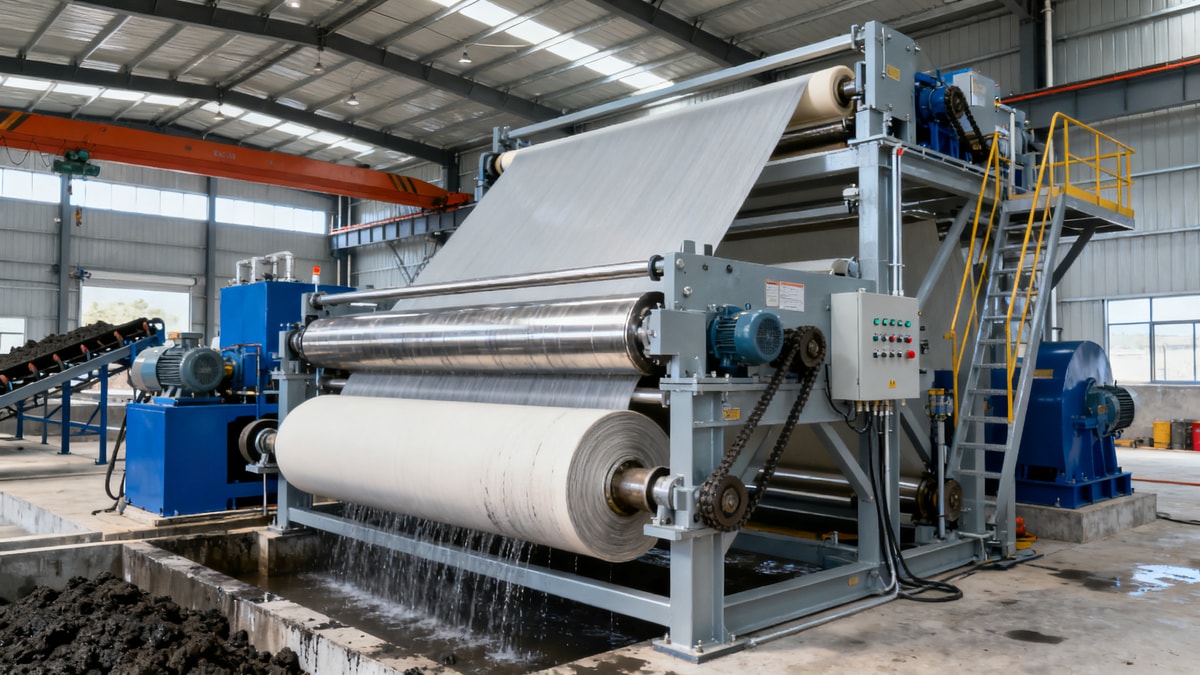
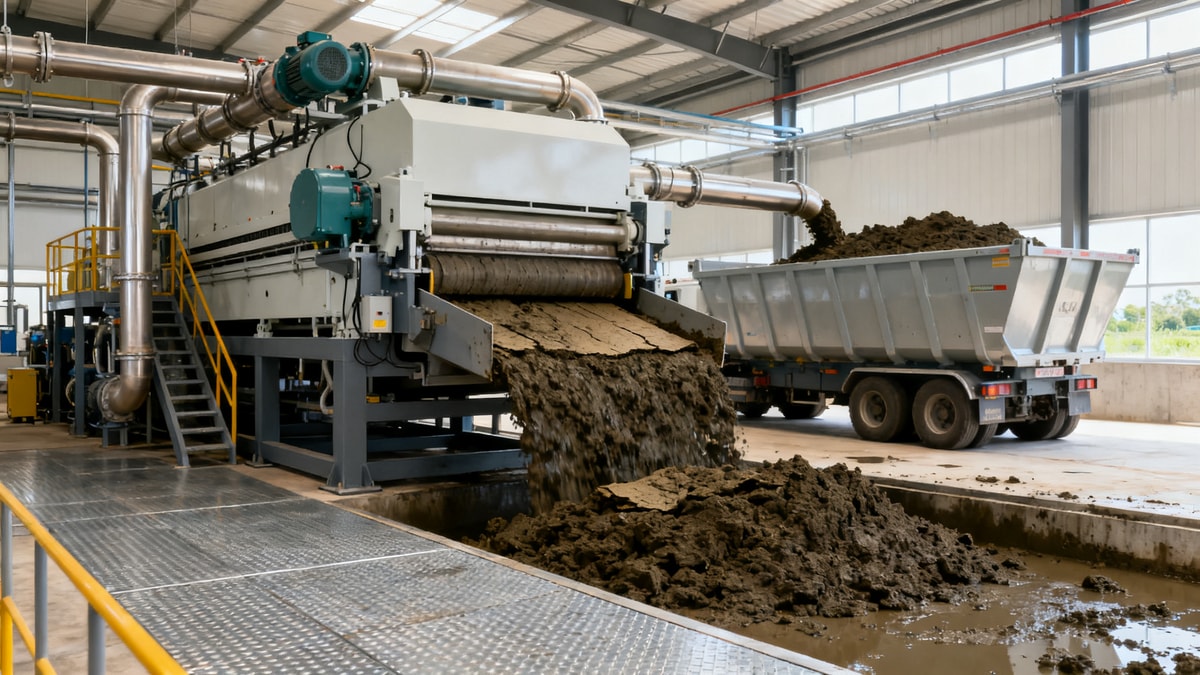
Choosing the right belt filter press manufacturer can directly impact dewatering efficiency, compliance, lifecycle cost, and operational reliability. For business evaluators comparing suppliers, the real difference goes beyond equipment specs—it lies in engineering expertise, material quality, after-sales support, and proven performance in demanding industrial environments. This article explores the factors that truly set leading manufacturers apart.
For procurement teams, EPC firms, plant owners, and technical evaluators, a checklist approach works better than a feature-only comparison. Many vendors can provide similar throughput numbers on paper, but not every belt filter press manufacturer can deliver consistent cake dryness, low maintenance burden, stable long-term operation, and documented compliance across real industrial conditions. A structured review helps decision-makers move past marketing claims and focus on the indicators that actually predict project success.
Why business evaluators should use a checklist instead of relying on brochures
A brochure usually highlights capacity, frame design, and visible components. However, supplier quality in this segment is often defined by less obvious details: sludge testing capability, belt tracking stability, corrosion resistance, automation integration, spare parts continuity, and service responsiveness. In other words, what sets one belt filter press manufacturer apart is often found in execution quality rather than in headline specifications.
A checklist also supports more objective vendor scoring. It allows commercial teams and technical stakeholders to align on measurable criteria such as total cost of ownership, local service footprint, reference projects, process customization, and compliance documentation. This is especially important in wastewater treatment, mining, food processing, pulp and paper, and chemical operations, where process interruption can create significant operational and environmental risk.
Core evaluation checklist: what to verify first
When comparing any belt filter press manufacturer, start with the following priority checks before discussing price in detail. These factors usually have the strongest influence on long-term value.
- Application fit: Confirm whether the manufacturer has proven experience with your exact sludge type, solids concentration, feed variability, and expected throughput. Municipal sludge, industrial sludge, paper pulp residue, and mineral tailings behave differently.
- Performance validation: Ask for pilot testing data, dewatering reports, or case references showing cake solids, filtrate quality, polymer consumption, and operating stability under conditions close to your own.
- Material quality: Review frame metallurgy, corrosion protection, roller materials, bearing selection, belt fabric quality, and wash system durability. Small material compromises often become major maintenance costs later.
- Engineering depth: Evaluate whether the supplier can optimize gravity drainage, wedge zone compression, pressure zone design, and belt speed control rather than selling a standard machine for every process.
- Automation and controls: Verify PLC compatibility, instrumentation options, alarm logic, remote diagnostics capability, and integration with existing SCADA or plant monitoring systems.
- Compliance and documentation: Request CE, ISO, electrical safety records, test certificates, material traceability where relevant, and complete O&M manuals. A reliable belt filter press manufacturer should provide organized technical documentation without delay.
- After-sales support: Check commissioning support, training, spare parts availability, response time commitments, and field service coverage in your region.
- Lifecycle economics: Compare not only purchase price but also belt life, water use, power use, wear parts cost, cleaning requirements, downtime risk, and labor intensity.
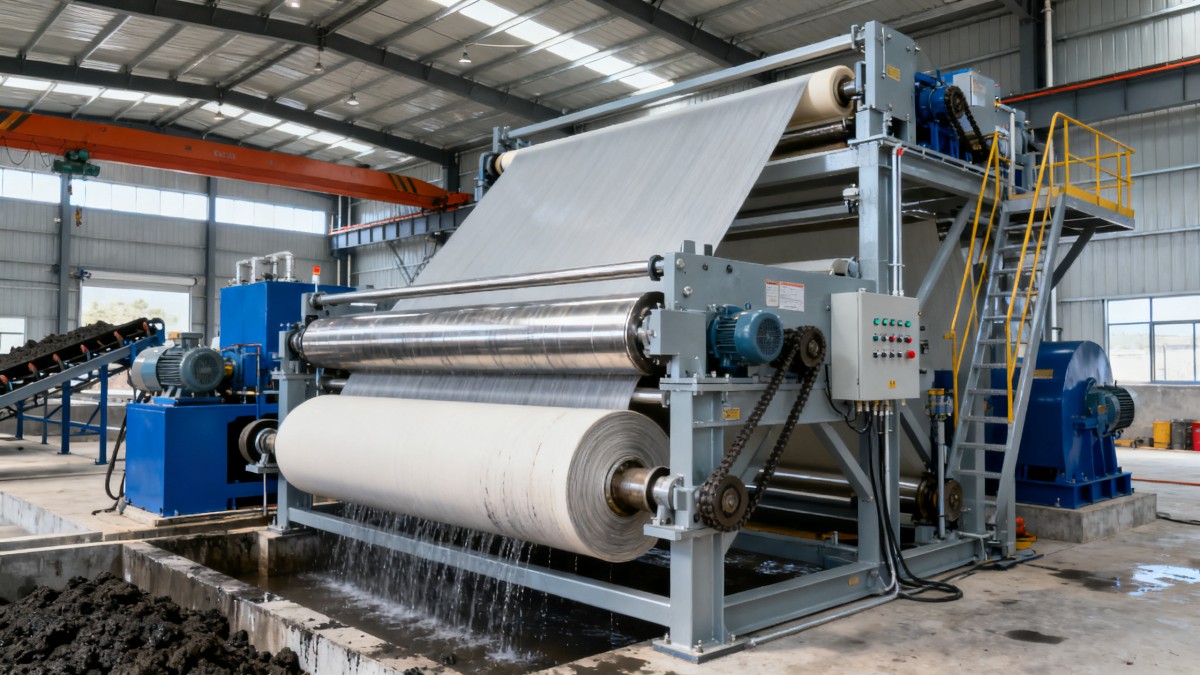
How to judge engineering capability beyond basic specifications
One major difference between average and leading suppliers is process engineering discipline. A strong belt filter press manufacturer does not begin with a generic model recommendation. Instead, it starts with feed characterization, sludge conditioning requirements, expected seasonal variation, and site constraints such as water pressure, floor loading, operator availability, and discharge handling.
Business evaluators should ask whether the vendor can explain why a specific belt width, roller arrangement, pressure profile, and wash system are suitable for the application. If the answer remains vague or overly sales-oriented, the risk of underperformance increases. Manufacturers with real engineering capability typically provide process logic, not just equipment dimensions.
Signals of a stronger engineering partner
- Offers sludge sample testing or references credible third-party pilot data.
- Explains the relationship between polymer dosing and press performance.
- Addresses wash water demand and filtrate return management.
- Discusses operator safety, guarding, access points, and maintenance ergonomics.
- Provides layout guidance for upstream flocculation and downstream cake transport.
Material quality and manufacturing discipline: where hidden cost often begins
For many buyers, two machines may look similar externally while offering very different durability in practice. This is where a belt filter press manufacturer can distinguish itself sharply. In corrosive or continuous-duty environments, the quality of stainless steel, coatings, weld finishing, rollers, bearings, seals, and belts directly affects uptime.
Pay attention to fabrication standards and quality control consistency. Ask how the supplier manages welding inspection, alignment checks, belt tracking verification, and final run testing before shipment. Inconsistent roller geometry or poor corrosion resistance can lead to frequent belt deviation, premature wear, wash inefficiency, and rising maintenance costs.
A high-quality belt filter press manufacturer should also be transparent about sourced components. Buyers should know whether motors, gearboxes, bearings, and electrical devices come from recognized brands with reliable global support. This matters especially for multinational projects or facilities that require standardized spare parts planning.
Use this comparison table during supplier review meetings
The following decision guide can help business evaluators structure internal scoring discussions and vendor interviews.
Scenario-based checks: what matters by industry and project type
Not every buyer should score suppliers in exactly the same way. The best belt filter press manufacturer for a municipal wastewater plant may not be the best fit for a mining or chemical process line. Business evaluators should adjust priorities based on operating conditions and risk profile.
For municipal and environmental projects
Focus on reliability, ease of operation, odor management implications, low wash water use, and local service access. Public infrastructure projects also require stronger documentation, compliance readiness, and long-term parts continuity.
For mining, metallurgy, and heavy industrial applications
Check abrasion resistance, structural rigidity, resistance to corrosive agents, and ability to handle variable solids loading. Here, one belt filter press manufacturer may stand out because of ruggedized rollers, heavy-duty frames, and proven performance under harsh duty cycles.
For food, paper, and process manufacturing
Pay closer attention to washability, hygienic design where relevant, process consistency, and utility efficiency. Stable operation with minimal operator intervention may be more valuable than maximum throughput.
Commonly overlooked risks when comparing a belt filter press manufacturer
Several issues are frequently missed during procurement and only become visible after installation. These gaps can erase any apparent savings from choosing the lowest bidder.
- Overpromised throughput: Capacity claims may assume ideal feed conditions that do not match site reality.
- Insufficient spare parts planning: Long lead times for belts, bearings, or drives can create expensive downtime.
- Weak commissioning support: Even a well-built machine can underperform if polymer setup, belt tension, and wash tuning are not optimized during startup.
- Poor documentation quality: Missing electrical drawings, unclear maintenance instructions, or incomplete parts lists slow operations and raise service dependence.
- Limited customization: Standard units may not fit available floor space, utility conditions, or discharge handling requirements.
Practical execution steps before shortlisting suppliers
To make supplier comparisons faster and more accurate, prepare a structured information package before requesting quotations. This allows each belt filter press manufacturer to respond on the same basis, improving decision quality.
- Define sludge type, feed solids range, target cake dryness, and expected operating hours.
- Document site utilities, including power supply, wash water pressure, and automation requirements.
- Clarify compliance needs such as CE, plant safety rules, preferred component brands, and documentation format.
- State maintenance expectations, local service requirements, and spare parts stocking strategy.
- Request a five-year operating cost estimate in addition to capital price.
- Ask for reference installations that resemble your industry, scale, and duty cycle.
This process helps identify whether a belt filter press manufacturer is responding with genuine engineering input or simply recycling standard sales content. Better suppliers usually ask better questions before issuing a proposal.
FAQ for business evaluators
Is the lowest-price belt filter press manufacturer ever the right choice?
Sometimes, but only when the unit has proven suitability, acceptable material quality, available service support, and transparent lifecycle cost. A lower initial price can become expensive if belt life is short or uptime is unstable.
How important are industry references?
Very important. A belt filter press manufacturer with direct experience in similar process conditions is more likely to size the machine correctly, recommend suitable materials, and anticipate operational challenges.
What is the best proof of performance?
Application-specific pilot testing, site references with measurable results, and detailed operating data are stronger than generic performance statements. Ask for evidence tied to feed characteristics, not only machine model numbers.
Final decision guide: what truly sets suppliers apart
In the end, what sets one belt filter press manufacturer apart is not a single feature. It is the combination of process understanding, build quality, testing credibility, compliance readiness, service capability, and willingness to support the equipment through its full operating life. For business evaluators, the smartest approach is to score suppliers on risk reduction as much as on price.
If your organization is moving toward supplier selection, the next discussion should focus on six areas: feed data, performance targets, installation constraints, compliance requirements, service expectations, and lifecycle budget assumptions. With those points clearly defined, you can identify the belt filter press manufacturer most likely to deliver dependable dewatering performance and long-term operational value.
Technical Specifications
Expert Insights

Chief Security Architect
Dr. Thorne specializes in the intersection of structural engineering and digital resilience. He has advised three G7 governments on industrial infrastructure security.
Related Analysis
- May 02, 2026Chemical Metering Pumps: Which Dosing Errors Cost the Most?Author :Environmental Engineering Director
- May 02, 2026What Sets One Belt Filter Press Manufacturer Apart?Author :Environmental Engineering Director
- May 02, 2026Moving Bed Biofilm Reactor MBBR Retrofit Benefits and LimitsAuthor :Environmental Engineering Director
Core Sector // 01
Security & Safety
- Chemical Metering Pumps: Which Dosing Errors Cost the Most?Author :Environmental Engineering Director

- What Sets One Belt Filter Press Manufacturer Apart?Author :Environmental Engineering Director

- Moving Bed Biofilm Reactor MBBR Retrofit Benefits and LimitsAuthor :Environmental Engineering Director

- Wholesale Ozone Generators: Output Claims vs Real PerformanceAuthor :Environmental Engineering Director

- How Sludge Dewatering Machine Choice Affects Disposal FeesAuthor :Environmental Engineering Director

- Wholesale Dosing Pumps: Which Materials Last Longer?Author :Environmental Engineering Director

- Dissolved Air Flotation DAF Problems That Raise Sludge VolumeAuthor :Environmental Engineering Director

- Chamber Filter Press Cycle Time: What Slows It Down?Author :Environmental Engineering Director