Copper Wire Granulator Output Depends on More Than Blade Speed
Author
Date Published
Reading Time
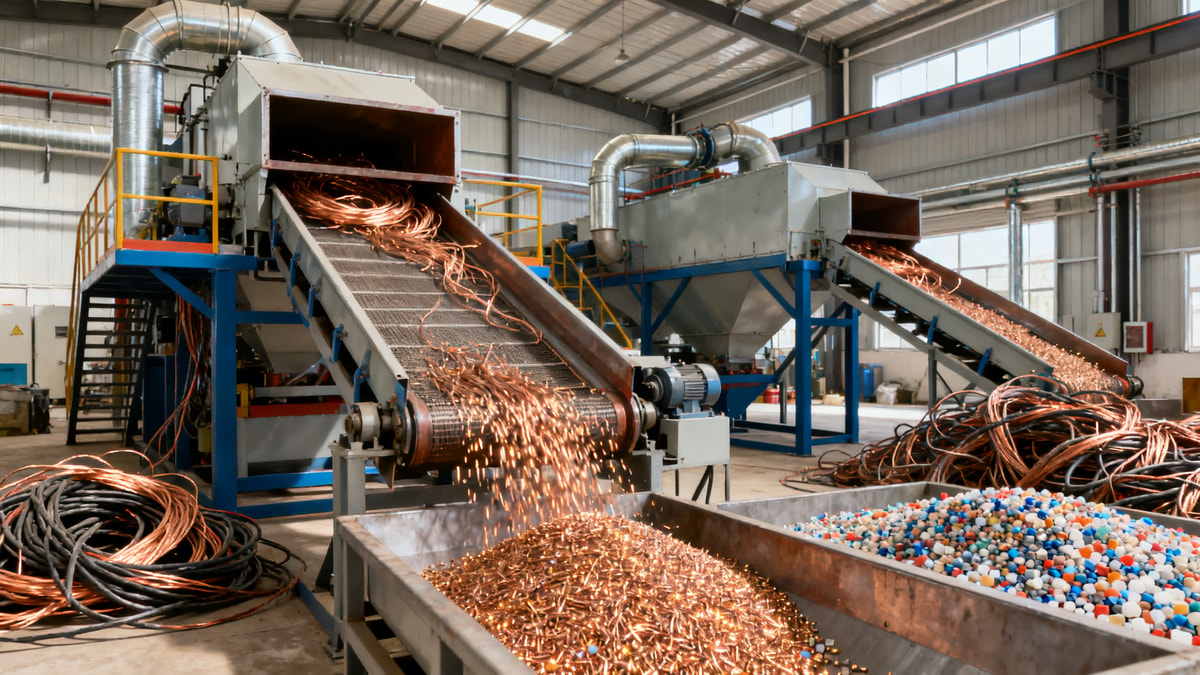
A copper wire granulator’s output is shaped by far more than blade speed alone. For operators focused on stable throughput, clean copper recovery, and lower downtime, factors like feed consistency, blade sharpness, air separation, and machine balance all matter. Understanding how these variables work together is the key to improving performance safely and efficiently.
Why copper wire granulator output often drops even when motor speed looks normal
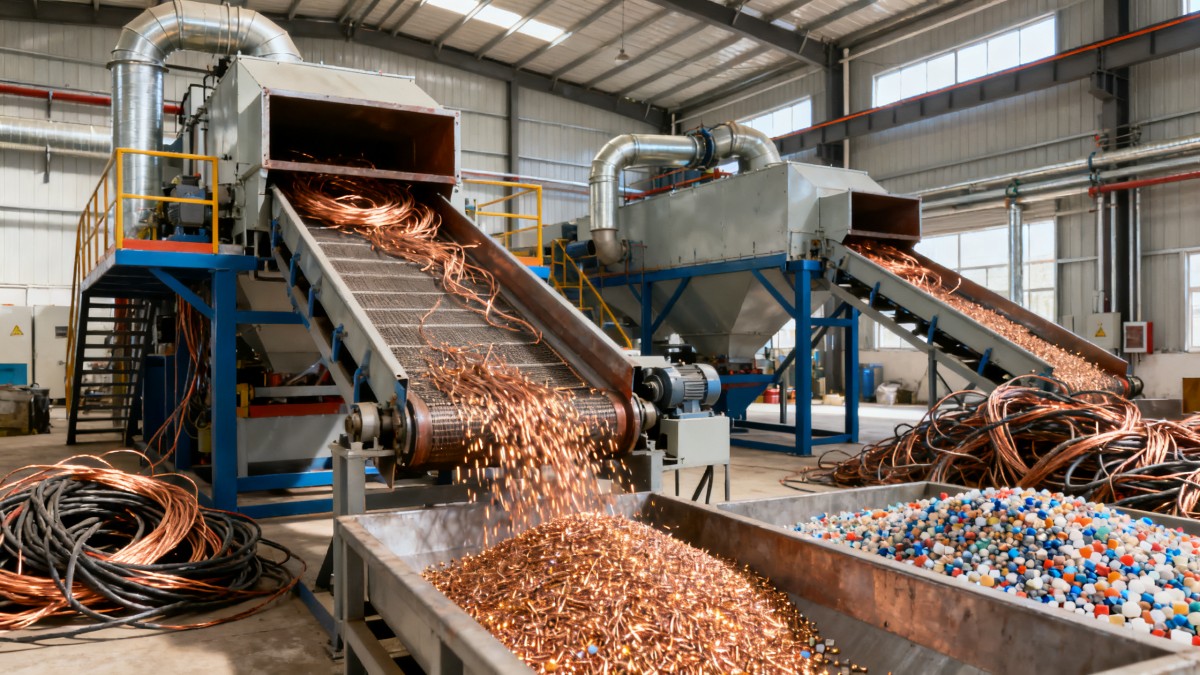
In daily operation, many teams assume that a faster rotor or a higher blade speed will automatically raise output. In practice, a copper wire granulator behaves as a system, not a single-speed device. If feeding is uneven, blades are dull, screening is overloaded, or air sorting is unstable, higher speed may simply create more dust, more plastic carryover, and more wear.
For operators in cable recycling, maintenance workshops, and industrial scrap handling lines, the real goal is not only kilograms per hour. It is usable copper recovery, acceptable purity, predictable energy use, and fewer stoppages. A machine that processes more mixed material but sends copper into the waste stream is not delivering true performance.
This is where a structured operating view matters. Global Industrial Core supports industrial decision-makers by focusing on the interaction between mechanical components, process stability, safety, and compliance expectations. For a copper wire granulator, that means looking at the full process chain: feeding, cutting, screening, air separation, dust collection, and maintenance discipline.
- If feed material changes from clean harness wire to mixed armored scrap, output can fall sharply even with unchanged blade speed.
- If the blade edge becomes rounded, cutting resistance rises, heat increases, and granule shape becomes less suitable for separation.
- If airflow is poorly adjusted, copper and insulation fragments may not separate cleanly, reducing product value and forcing rework.
Which operating variables matter more than blade speed?
The most effective way to improve a copper wire granulator is to identify which variable is limiting the line at a given moment. Operators who treat all wire types the same often miss the real bottleneck. Fine communication cable, automotive harness, household wire, and mixed industrial cable do not behave the same in a granulation chamber.
1. Feed consistency and pre-sorting
A stable feed stream protects output. When material length, diameter, and composition vary too much, the cutting chamber cannot maintain uniform loading. Oversized pieces may bridge at the inlet. Wet or contaminated scrap can clog screens and increase dust adhesion. Simple pre-sorting by cable diameter and removing steel, connectors, and excessive dirt can improve actual line productivity more than a speed adjustment.
2. Blade sharpness and blade gap
Blade speed matters only when the edge geometry is correct. Sharp rotating and fixed blades cut insulation cleanly and free copper without excessive smearing. If the gap is too large, wire strands may tear instead of cut. If too tight, heat and wear rise. Operators should monitor cut quality, current draw, and granule uniformity instead of relying only on rotational speed readings.
3. Screen condition and particle control
A copper wire granulator depends on suitable particle sizing before separation. Damaged or blocked screens create inconsistent particle distribution. Coarse fractions may trap insulation. Excess fines may overload air separation and dust collection. The result is unstable purity and unnecessary recirculation.
4. Air separation and dust extraction balance
Operators sometimes focus on the cutting stage and overlook separation tuning. Yet air velocity, vibration behavior, and dust extraction settings often determine copper purity. Too much airflow can carry light copper strands away with insulation. Too little airflow leaves plastic contamination in the copper fraction. The best setting depends on particle size, insulation density, and moisture level.
5. Mechanical balance and bearing condition
Vibration is not only a maintenance issue. It directly affects process consistency. Worn bearings, poor rotor balance, or loose fasteners can alter cut quality and accelerate blade damage. In a busy industrial environment, this often appears first as fluctuating throughput or changing purity rather than a dramatic breakdown.
The table below helps operators judge which factor is most likely limiting copper wire granulator output during routine production.
This comparison shows why output diagnosis should start with process symptoms, not speed settings alone. In many plants, a modest improvement in feed preparation and separator tuning delivers better copper recovery than increasing rotor speed.
How to optimize a copper wire granulator for stable throughput and cleaner copper
Optimization works best when operators follow a repeatable sequence. Changing several variables at once makes troubleshooting difficult. A controlled approach is especially important in mixed-scrap environments where cable composition changes from batch to batch.
- Start with material classification. Separate fine communication wire, standard building wire, automotive harness, and heavier mixed cable where possible.
- Inspect blade condition before changing speed. Record sharpening intervals and compare them with copper purity and power consumption trends.
- Verify screen cleanliness and integrity. Even partial blockage changes particle behavior in the downstream separator.
- Tune airflow in small steps. Observe the copper fraction, plastic fraction, and dust load after each adjustment.
- Monitor vibration, temperature, and motor load. These indicators often reveal mechanical inefficiencies before visible quality loss appears.
From an operational standpoint, the best copper wire granulator setting is rarely the most aggressive one. The target should be a stable window where throughput, purity, wear rate, and energy use remain balanced across a full shift. This is more valuable than short peak output followed by rework or unplanned downtime.
Key performance indicators operators should track
Instead of relying on a single output number, operators should review a broader set of indicators. This creates a more realistic picture of copper wire granulator performance and supports better maintenance planning.
- Processed feed per hour, measured by actual accepted input rather than nominal machine capacity.
- Copper fraction cleanliness, judged by visible insulation carryover or internal quality sampling.
- Specific energy use per processed ton, which often rises when blades, screens, or bearings need attention.
- Downtime frequency and cause, especially jams, separator imbalance, dust buildup, and blade replacement intervals.
What to compare when selecting or upgrading a copper wire granulator
For procurement teams and line operators, comparing machines by rated capacity alone can lead to poor fit. A copper wire granulator should be matched to the actual scrap mix, shift pattern, available labor, dust control requirements, and maintenance capability on site. In industrial environments, the wrong machine may still run, but it will do so with low recovery and high operating cost.
The table below highlights practical selection points for a copper wire granulator rather than marketing claims.
A well-chosen copper wire granulator is easier to run near its efficient operating zone. That means fewer emergency adjustments, less operator fatigue, and more consistent recovered copper quality.
When a larger machine is not the better choice
Oversizing can create hidden costs. If your incoming scrap volume is variable or dominated by lighter cable, a very large copper wire granulator may spend too much time underloaded. This reduces efficiency and may complicate separation tuning. For many operators, a properly matched line with reliable feeding and easy maintenance outperforms a larger but poorly utilized system.
Safety, compliance, and maintenance: the parts of output that are easy to underestimate
In industrial recycling and cable processing environments, output cannot be separated from safety and maintenance discipline. A copper wire granulator generates moving mechanical forces, airborne dust, noise, and occasional foreign-metal impact risk. Safe production is therefore not an administrative issue; it is a direct operating requirement.
Practical compliance points to review
- Machine guarding, emergency stop access, and lockout procedures should be verified before maintenance or blade inspection.
- Dust extraction design should align with site environmental and occupational safety requirements, especially where fine plastic dust accumulates.
- For international projects, buyers often review general conformity to CE-related expectations, electrical safety practice, and documented maintenance procedures.
Maintenance planning should also be treated as a production tool. Blade wear limits, separator cleaning intervals, bearing lubrication routines, and vibration checks should be defined by operating hours and material type. A preventive approach usually costs less than repeated quality loss, scrap reprocessing, and emergency shutdowns.
Common mistakes operators make with a copper wire granulator
Mistake 1: Chasing speed instead of recovery
When operators only pursue maximum throughput, they may overlook copper loss into mixed waste, increased fines, and unstable separation. The apparent gain in hourly volume can reduce the value of the recovered material.
Mistake 2: Running mixed batches without preparation
A copper wire granulator can process a wide range of scrap, but it will not respond equally well to every mix. Combining fine communication wire, rubber-insulated cable, and dirty industrial offcuts in one unprepared batch often creates unstable results.
Mistake 3: Ignoring minor vibration changes
Small vibration increases are often early warnings of imbalance, loose parts, or bearing wear. Waiting for a major failure usually means longer downtime and a larger repair scope.
Mistake 4: Treating separator settings as fixed
Air separation settings should change when particle size, insulation type, or moisture changes. A fixed setting may work for one cable family and fail on the next.
FAQ: practical questions about copper wire granulator performance
How do I know if my copper wire granulator needs sharper blades rather than a speed change?
Look for signs such as rising motor load, more torn insulation, inconsistent particle size, and lower separation quality. If speed is unchanged but copper purity is falling and energy use is rising, blade condition is often the first place to inspect.
What feed materials are most difficult for a copper wire granulator?
Very fine wire, moist scrap, mixed-diameter cable, and material with connectors or steel contamination are common challenges. These materials can still be processed, but they usually require better pre-sorting and closer separator adjustment.
Should I increase airflow if copper still contains plastic fragments?
Not automatically. Plastic contamination may come from poor particle sizing, overloaded feed, blocked screens, or improper airflow. Increase or reduce airflow only after checking granule size and process balance. Too much airflow can also remove valuable copper with the light fraction.
What should I ask a supplier before buying or upgrading a copper wire granulator?
Ask about the suitable wire range, expected maintenance intervals, dust extraction interface, blade and screen replacement procedure, electrical requirements, and the flexibility of separation adjustment. Also confirm delivery scope, spare parts planning, and whether the line can be matched to your actual scrap profile rather than only nominal capacity.
Why work with us when evaluating a copper wire granulator
Global Industrial Core helps industrial buyers and operators look beyond headline capacity numbers. Our strength is in connecting mechanical performance, safety expectations, maintenance realities, and procurement logic. For a copper wire granulator, that means helping you clarify what truly affects output in your operating environment, from cable mix and recovery targets to dust control and serviceability.
You can contact us for practical support on parameter confirmation, machine selection, line matching for different wire categories, expected delivery cycle, spare parts planning, general compliance expectations, sample-processing discussion, and quotation communication. If you are comparing options for a new installation or trying to improve an existing copper wire granulator, a structured technical review can prevent costly mismatches and reduce avoidable downtime.
Technical Specifications
Expert Insights

Chief Security Architect
Dr. Thorne specializes in the intersection of structural engineering and digital resilience. He has advised three G7 governments on industrial infrastructure security.
Related Analysis
- May 02, 2026Chemical Metering Pumps: Which Dosing Errors Cost the Most?Author :Environmental Engineering Director
- May 02, 2026What Sets One Belt Filter Press Manufacturer Apart?Author :Environmental Engineering Director
- May 02, 2026Moving Bed Biofilm Reactor MBBR Retrofit Benefits and LimitsAuthor :Environmental Engineering Director
Core Sector // 01
Security & Safety
- Copper Wire Granulator Output Depends on More Than Blade SpeedAuthor :Environmental Engineering Director

- Medical Waste Incinerator Compliance Risks Often Missed EarlyAuthor :Environmental Engineering Director

- Compost Turner Machine Size: Bigger Is Not Always BetterAuthor :Environmental Engineering Director

- What to Check Before Buying Smokeless Incinerators WholesaleAuthor :Environmental Engineering Director

- Is a Commercial Food Waste Composter Worth the Space?Author :Environmental Engineering Director

- E Waste Recycling Plant Planning Mistakes to AvoidAuthor :Environmental Engineering Director

- How to Judge Trommel Screen Wholesale Quality FastAuthor :Environmental Engineering Director

- Why Hazardous Waste Treatment Costs Vary So MuchAuthor :Environmental Engineering Director