How to Judge Trommel Screen Wholesale Quality Fast
Author
Date Published
Reading Time
For business evaluators, assessing trommel screen wholesale quality quickly can reduce sourcing risk, control lifecycle costs, and prevent downstream performance issues. This guide highlights the fastest ways to verify build quality, screening efficiency, material durability, compliance, and supplier credibility, helping you compare options with greater confidence before making bulk purchasing decisions.
What should business evaluators check first in trommel screen wholesale reviews?
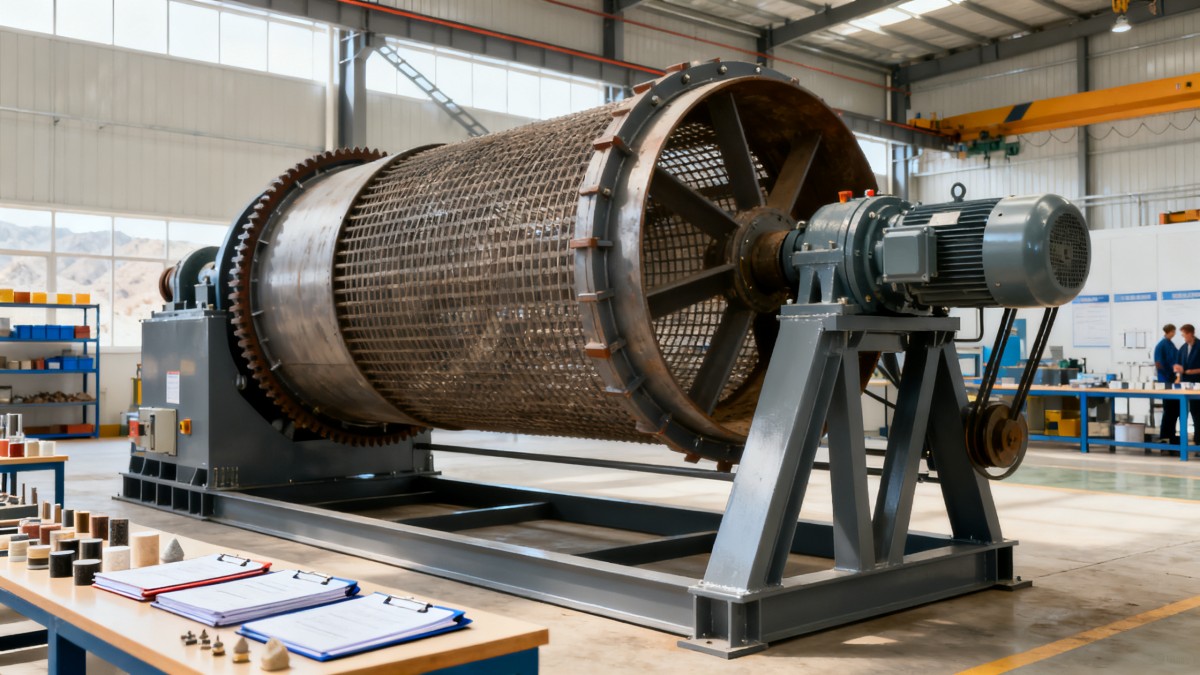
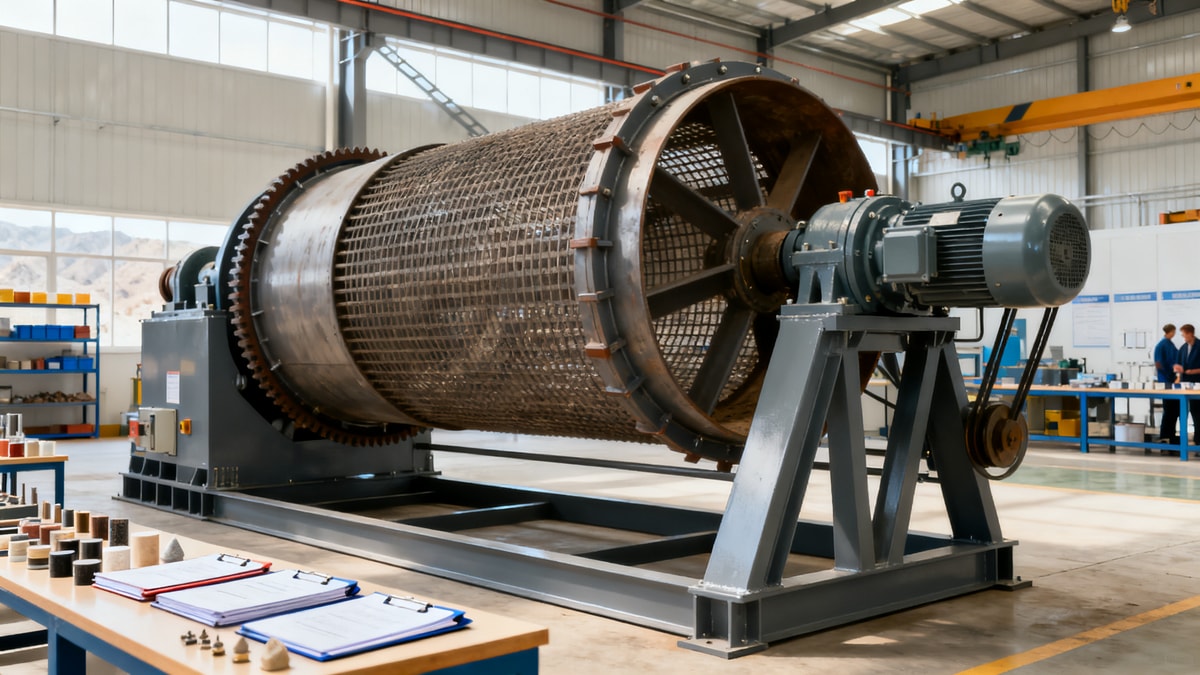
In industrial sourcing, speed matters, but speed without a method often leads to expensive mistakes. When reviewing trommel screen wholesale offers, the fastest reliable approach is to screen for five factors first: structure, screening media, drive system, materials, and supplier documentation. These five checkpoints usually reveal whether a machine is built for long service life or only for a low initial price.
A trommel screen is widely used for separating materials by size in mining, aggregates, municipal solid waste, compost, biomass, and recycling operations. Because conditions vary from wet sticky feed to abrasive stone or mixed construction waste, wholesale quality cannot be judged by appearance alone. Business evaluators need a fast framework that links visible features to total operating risk.
The five-minute first-pass checklist
- Inspect drum fabrication quality: look for consistent welds, adequate ring reinforcement, and balanced cylindrical alignment rather than rough patch welding or uneven shell seams.
- Verify screen media type: perforated plate, woven mesh, or polyurethane panels should match the intended feed material, aperture size, and wear profile.
- Check the drive arrangement: reducer brand, motor protection rating, bearing placement, and access for maintenance strongly influence unplanned downtime.
- Confirm material specification: mild steel may suit light-duty use, but high-wear zones often need thicker liners, wear-resistant steel, or corrosion-resistant treatment.
- Ask for documentation immediately: GA drawings, parts lists, test videos, inspection records, and compliance declarations indicate whether the supplier works to an industrial standard.
This quick filter helps procurement teams eliminate weak offers before they invest time in technical meetings. For firms working on EPC projects, environmental plants, or large recycling lines, that early elimination step is often more valuable than reviewing dozens of low-detail quotations.
How to judge trommel screen wholesale build quality at a glance
The table below summarizes the most practical visual and document-based signals used in trommel screen wholesale evaluation. It is designed for commercial reviewers who need to compare multiple suppliers quickly without conducting a full factory audit at the first stage.
A strong supplier does not need to hide basic engineering information. If the quotation lacks dimensions, drive data, steel thickness, or wear-part details, commercial risk is already high. In many trommel screen wholesale transactions, incomplete technical information is the first sign of future claims, delays, or output shortfalls.
Which technical parameters matter most before bulk purchase?
Not every parameter deserves the same attention during early-stage evaluation. Business evaluators should focus on the parameters that directly affect throughput, cut accuracy, wear rate, and installation suitability. The goal is not to become the machine designer, but to identify whether the offer is technically coherent for the target operation.
Priority parameters to verify
- Drum diameter and length. These drive residence time and capacity. A machine quoted only by “tons per hour” without drum size should be treated cautiously.
- Screen aperture and open area. Fine separation depends on both hole size and effective screening surface, not hole size alone.
- Rotational speed and inclination angle. These affect material travel speed, blinding tendency, and separation consistency.
- Feed condition. Moisture, lump size, stickiness, and contamination level must match the design assumptions.
- Installed power and maintenance layout. A compact design may save floor space but create service bottlenecks if bearings, rollers, or panels are hard to access.
The table below helps buyers compare core specification logic across common industrial screening scenarios. In trommel screen wholesale projects, this kind of matrix can quickly expose whether a supplier is recommending a realistic machine or simply adapting a standard catalog unit.
This comparison matters because a low-priced machine for compost may fail quickly in aggregate service, while an overbuilt quarry unit may create unnecessary capital cost for biomass screening. Matching the procurement decision to the process reality is one of the fastest ways to improve wholesale buying accuracy.
How can you compare trommel screen wholesale suppliers beyond price?
Price is visible. Lifecycle cost is usually not. For commercial teams, the real challenge in trommel screen wholesale procurement is comparing offers that look similar on paper but differ greatly in service life, spare part consumption, commissioning support, and compliance readiness.
A practical supplier comparison method
- Review quotation boundaries carefully. Does the price include motor, controls, support frame, feed hopper, discharge chute, guards, and spare screens, or only the drum assembly?
- Check documentation response speed. Reliable suppliers typically answer technical clarification requests with drawings or structured data, not just sales claims.
- Assess spare part strategy. Ask for recommended wear parts, replacement intervals based on application type, and estimated lead times for rollers, bearings, and screen panels.
- Evaluate support for commissioning and troubleshooting. Industrial buyers should understand whether support is remote only, on-site optional, or integrated into the supply plan.
- Look at manufacturing transparency. Factory photos, process inspection records, and pre-shipment checks often tell more than promotional brochures.
At Global Industrial Core, procurement intelligence is built around these exact risk points. For large industrial buyers, the strongest sourcing decisions usually come from combining technical review, compliance verification, and commercial scope control rather than chasing the lowest ex-works quote.
What compliance and documentation should be requested early?
Industrial procurement often fails not because the machine cannot run, but because the supplier cannot support documentation required by the project owner, EPC contractor, or plant auditor. In trommel screen wholesale buying, early document control reduces approval delays and protects budget assumptions.
Documents worth requesting before supplier shortlisting
- General arrangement drawing showing machine footprint, service clearance, infeed and discharge orientation, and support requirements.
- Technical datasheet covering drum size, speed, inclination, motor power, expected throughput range, and recommended feed conditions.
- Material list for shell, screen media, frame, liners, and key wear components.
- Inspection or pre-shipment check records where available, especially for welded structure, alignment, and no-load running checks.
- Applicable declarations or conformity support related to CE, ISO-based quality processes, or customer-required project documentation where relevant.
Not every project requires the same level of compliance paperwork, and not every market applies the same framework. Still, a supplier serving serious industrial clients should be able to discuss guarding, electrical integration, operator safety, and document traceability in a structured way. If they cannot, the commercial risk should be priced into the evaluation.
Common mistakes that make trommel screen wholesale deals look cheaper than they are
A low initial quotation can create strong internal pressure to move forward quickly. However, business evaluators should watch for common errors that distort true cost. These mistakes are especially common when the buying team receives offers from multiple regions with different equipment scopes and manufacturing standards.
Frequent evaluation mistakes
- Comparing capacity claims without feed assumptions. Throughput figures mean little if moisture, bulk density, and oversize ratio are not stated.
- Ignoring wear-part economics. Cheap screen media may need much more frequent replacement, especially in aggregate or mixed-waste duty.
- Overlooking maintenance access. A compact design that saves on footprint may increase shutdown time every time a roller or panel must be changed.
- Accepting generic material descriptions. “High-quality steel” is not a useful evaluation term; request actual grade or thickness information where commercially appropriate.
- Assuming all wholesale suppliers provide after-sales support. Some are trading intermediaries with limited technical follow-through after shipment.
The fastest way to avoid these traps is to standardize your request-for-quotation format. Ask every supplier to answer the same technical, commercial, service, and documentation questions. That makes trommel screen wholesale comparisons more objective and easier to defend internally.
FAQ: fast answers for trommel screen wholesale buyers
How do I know if a trommel screen wholesale offer is under-specified?
If the offer lacks drum dimensions, aperture details, drive information, material thickness, or supply boundaries, it is likely under-specified. Another warning sign is a fixed throughput claim without any statement about feed size, moisture, or material type. Under-specified offers often create change orders later.
What matters more, price per unit or maintenance cost?
For most industrial users, maintenance cost and downtime exposure matter more over the equipment life. A lower purchase price may be justified in light-duty use, but in abrasive or mixed-waste applications, roller life, screen media replacement frequency, and access time often have a bigger financial impact than the initial gap between quotations.
Which applications need the most careful trommel screen wholesale review?
Municipal solid waste, wet compost, and abrasive aggregates usually require the closest review. These applications combine clogging risk, contamination, corrosion, or severe wear. Buyers should pay special attention to anti-wrapping design, cleaning access, wear liners, and how the machine handles variable feed conditions.
How early should I ask for compliance documents?
Ask before final supplier shortlisting, not after commercial negotiation is complete. Early document review helps identify gaps in guarding, electrical integration, manuals, and declaration support. This is especially important when the equipment will enter regulated facilities or multi-party EPC projects.
Why work with us when evaluating trommel screen wholesale options?
Global Industrial Core supports industrial buyers who need more than a price list. Our strength lies in connecting sourcing decisions with the operational realities of heavy industry: safety expectations, measurable performance, maintainability, and documentation discipline. That matters when your procurement choice affects plant uptime, environmental processing capacity, or contractor delivery schedules.
If you are comparing trommel screen wholesale options, you can contact us for focused support on parameter confirmation, application-based product selection, delivery timeline review, supplier documentation screening, customization feasibility, certification expectations, sample or reference material review, and quotation alignment across multiple vendors.
A structured review at the start can prevent technical mismatch, hidden scope costs, and maintenance surprises later. For business evaluators working under budget pressure and approval deadlines, that is often the fastest path to a defensible purchasing decision.
Technical Specifications
Expert Insights

Chief Security Architect
Dr. Thorne specializes in the intersection of structural engineering and digital resilience. He has advised three G7 governments on industrial infrastructure security.
Related Analysis
- May 02, 2026Chemical Metering Pumps: Which Dosing Errors Cost the Most?Author :Environmental Engineering Director
- May 02, 2026What Sets One Belt Filter Press Manufacturer Apart?Author :Environmental Engineering Director
- May 02, 2026Moving Bed Biofilm Reactor MBBR Retrofit Benefits and LimitsAuthor :Environmental Engineering Director
Core Sector // 01
Security & Safety
- Copper Wire Granulator Output Depends on More Than Blade SpeedAuthor :Environmental Engineering Director

- Medical Waste Incinerator Compliance Risks Often Missed EarlyAuthor :Environmental Engineering Director

- Compost Turner Machine Size: Bigger Is Not Always BetterAuthor :Environmental Engineering Director

- What to Check Before Buying Smokeless Incinerators WholesaleAuthor :Environmental Engineering Director

- Is a Commercial Food Waste Composter Worth the Space?Author :Environmental Engineering Director

- E Waste Recycling Plant Planning Mistakes to AvoidAuthor :Environmental Engineering Director

- How to Judge Trommel Screen Wholesale Quality FastAuthor :Environmental Engineering Director

- Why Hazardous Waste Treatment Costs Vary So MuchAuthor :Environmental Engineering Director