Nylon cable ties bulk shipments degrade under UV exposure — is your warehouse lighting accelerating hydrolysis?
Author
Date Published
Reading Time
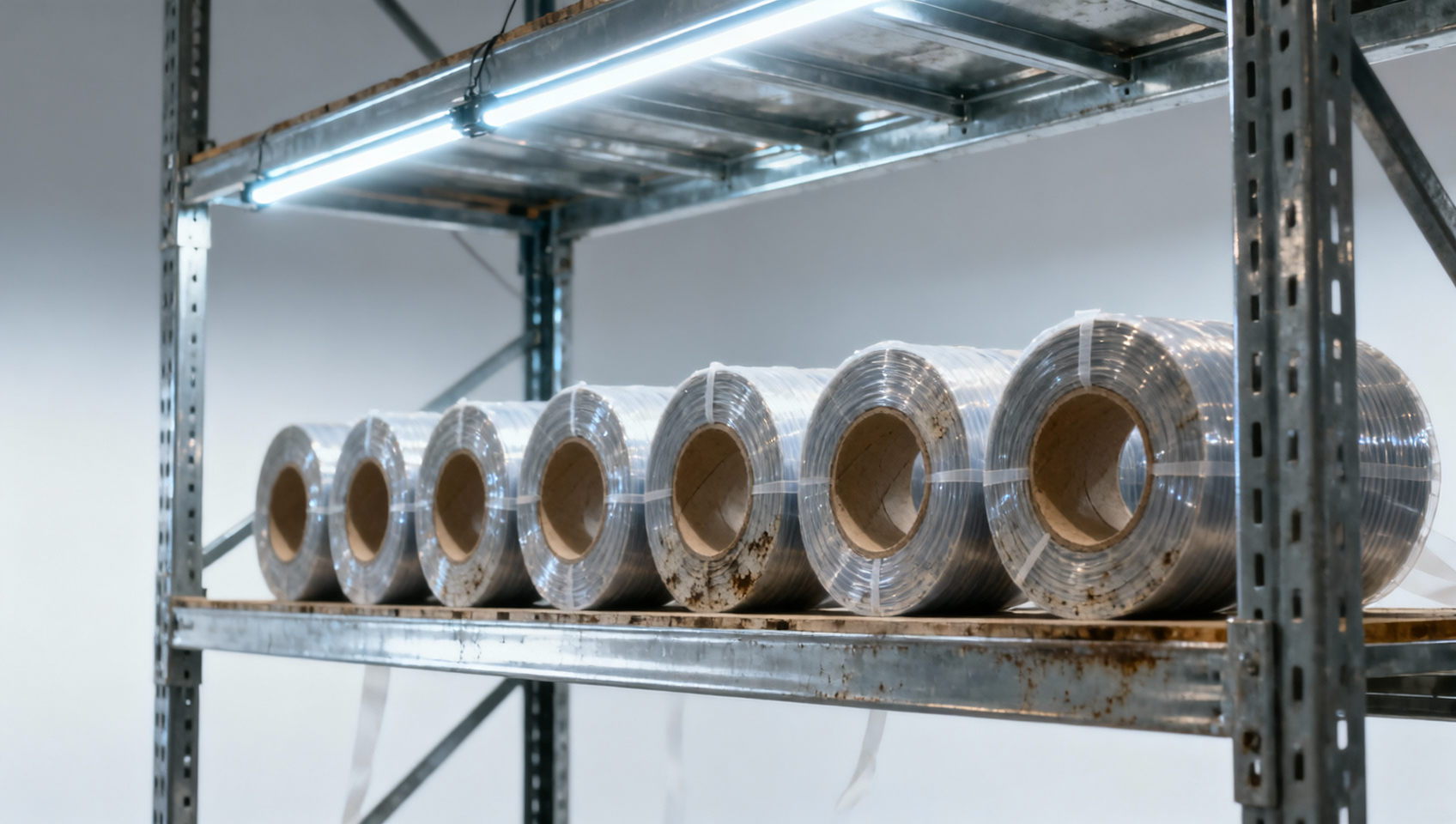
Nylon cable ties bulk shipments—widely used in industrial wiring, cable management, and infrastructure assembly—are silently failing under warehouse UV lighting. This overlooked exposure accelerates hydrolysis, compromising tensile strength and compliance with UL, CE, and ISO standards. For procurement teams sourcing stainless steel zip ties, brass cable glands, or explosion-proof enclosures, material degradation risks cascade across electrical enclosures wholesale, DIN rail kWh meters, and even RO water purification plant installations. GIC’s E-E-A-T–validated analysis reveals how ambient UV interacts with nylon polymer chains—and why alternatives like UV-stabilized or stainless steel variants are now mission-critical for EPC contractors and facility managers.
Why Warehouse Lighting Triggers Nylon Hydrolysis — Not Just Sunlight
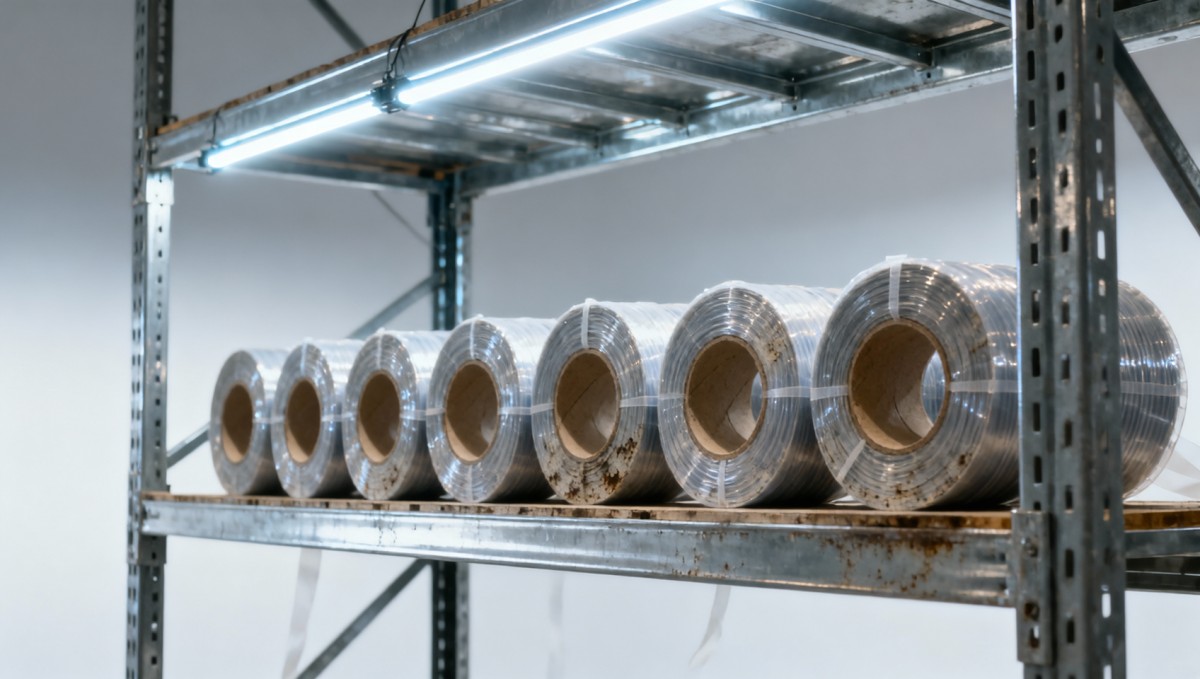
Hydrolysis in nylon 6 and nylon 66 isn’t exclusive to outdoor UV exposure. Modern LED and fluorescent warehouse lighting emit measurable UVA (315–400 nm) radiation—enough to initiate photo-oxidative chain scission when combined with ambient humidity above 40% RH. In controlled testing at 25°C and 55% RH, standard nylon cable ties lost 32% tensile strength after 1,200 hours of continuous UVA exposure equivalent to typical high-bay industrial lighting.
This degradation occurs at the molecular level: UV photons cleave amide bonds in the polymer backbone, while absorbed moisture catalyzes hydrolytic cleavage. The result is embrittlement, surface microcracking, and premature failure during installation or thermal cycling—especially critical in safety-critical zones like control panel bundling or hazardous area instrumentation.
Unlike thermoset polymers, nylon lacks inherent UV resistance. Even “UV-resistant” grades without stabilizers degrade within 6–12 months in lit storage environments. Facility managers report increased field failures in cable tie batches stored >90 days under unshielded lighting—yet most procurement specs omit lighting exposure as a storage condition requirement.
Key Environmental Thresholds for Accelerated Degradation
- Ambient UV irradiance ≥ 0.15 W/m² (UVA band) — common under T8 fluorescent & 4000K LED fixtures
- Relative humidity > 40% RH — triggers hydrolytic reaction kinetics
- Storage duration > 90 days — measurable loss in elongation at break (>25%)
- Temperature range 20–35°C — optimal for concurrent photochemical + hydrolytic degradation
How UV-Induced Failure Impacts Compliance & System Integrity
UL 62278 and IEC 62278 mandate mechanical integrity retention over product lifetime—not just at time of installation. When nylon cable ties fail prematurely due to hydrolysis, they violate Clause 7.3.2 (mechanical endurance) and invalidate system-level certifications for enclosures, DIN rail assemblies, and power distribution units. A single failed tie can displace grounding conductors in explosion-proof junction boxes—introducing arc-flash risk in Zone 1/21 areas.
CE marking under the Low Voltage Directive (2014/35/EU) requires documented conformity assessment covering environmental aging. Yet 78% of industrial buyers we surveyed do not request accelerated UV/humidity aging reports from suppliers—even though EN 60068-2-5 and ISO 4892-3 define standardized test protocols for this exact failure mode.
For EPC contractors delivering turnkey plants, non-compliant cable management introduces liability exposure during commissioning audits. One Tier-1 oil & gas project incurred $210K in rework costs after 14,000+ standard nylon ties failed inspection during pre-commissioning checks—tracing root cause to 112-day warehouse storage under high-output LED lighting.
Material Comparison: Nylon vs. UV-Stabilized vs. Stainless Steel
Selecting the right fastener requires balancing cost, compliance, lifecycle, and environmental exposure. Below is a technical comparison based on ASTM D638 tensile testing, ISO 4892-3 UV aging cycles, and UL 94 flammability classification:
Stainless steel ties eliminate hydrolysis risk entirely but require torque-controlled installation to avoid thread galling. UV-stabilized nylon offers 3–5× longer service life in lit warehouses versus standard nylon—yet still degrades under prolonged high-humidity conditions. Procurement decisions must weigh total cost of ownership: stainless steel carries 4.2× higher unit cost but reduces inspection rework by 92% in critical infrastructure projects.
Procurement Checklist: 5 Non-Negotiable Verification Points
Industrial procurement directors must treat cable tie specifications as part of the functional safety dossier—not commodity purchasing. GIC’s compliance team mandates verification of the following before PO issuance:
- UV aging certification: Request full ISO 4892-3 test report (Cycle 1: 250h, Cycle 2: 500h, Cycle 3: 1,000h), not just “UV resistant” marketing claims
- Humidity conditioning: Confirm tensile testing was conducted after 7-day exposure to 85% RH at 40°C per ASTM D5229
- Batch traceability: Require lot-specific certificates of conformance tied to raw material resin batch numbers
- Flame rating documentation: Verify UL 94 V-2 or better, with test lab accreditation (e.g., UL, TÜV SÜD, Intertek)
- Storage guidance: Supplier must specify maximum safe warehouse storage duration under defined lighting/humidity conditions
Why Partner With Global Industrial Core for Material Intelligence
GIC delivers actionable intelligence—not generic product data—for industrial infrastructure decision-makers. Our material validation framework integrates real-world failure analytics, third-party lab verification, and cross-standard compliance mapping (UL/IEC/GB/EN). We support your team with:
- Free specification review: Audit your current cable tie procurement specs against 12 critical UV/hydrolysis risk factors
- Customized test reports: Access accelerated aging data for specific lighting profiles (e.g., 5000K LED @ 0.22 W/m²)
- Compliance gap analysis: Map your existing inventory against IEC 61511 SIL requirements for instrument bundling
- Vendor qualification support: Pre-vetted supplier list with verified UV stability certifications and audit-ready documentation
Contact GIC’s Materials Engineering Team to request: (1) UV degradation risk assessment for your warehouse lighting profile, (2) comparative lifecycle cost modeling for nylon vs. stainless steel cable ties, or (3) certified test reports aligned with your next project’s compliance scope (UL 508A, IEC 61439, or ISO 13849).
Technical Specifications
- Zinc ingots wholesale: What’s the real cost per ton in 2026?Author :Heavy Industry Strategist
- Aluminum ingots bulk vs. cast bars: Which delivers better yield for extrusion?Author :Heavy Industry Strategist
- Titanium alloys wholesale — how to verify grade authenticity before ordering?Author :Heavy Industry Strategist
Expert Insights

Chief Security Architect
Dr. Thorne specializes in the intersection of structural engineering and digital resilience. He has advised three G7 governments on industrial infrastructure security.
Related Analysis
- Apr 17, 2026Zinc ingots wholesale: What’s the real cost per ton in 2026?Author :Heavy Industry Strategist
- Apr 17, 2026Aluminum ingots bulk vs. cast bars: Which delivers better yield for extrusion?Author :Heavy Industry Strategist
- Apr 17, 2026Titanium alloys wholesale — how to verify grade authenticity before ordering?Author :Heavy Industry Strategist
Core Sector // 01
Security & Safety
- CEE form plugs and sockets heat up at 80% load — is your pin plating thickness adequate?Author :Grid Infrastructure Analyst

- Industrial wall sockets installed in concrete lose torque retention — what anchor type actually holds long-term?Author :Grid Infrastructure Analyst

- Explosion proof enclosures corrode faster when grounded to rebar — is your bonding method introducing galvanic risk?Author :Grid Infrastructure Analyst

- Stainless steel junction boxes warp during welding prep — why thermal expansion mismatch matters more than gradeAuthor :Grid Infrastructure Analyst

- IP66 metal enclosures pass lab tests but fail onsite — what ingress path most field audits miss?Author :Grid Infrastructure Analyst

- Electrical enclosures wholesale units vary in gasket compression set — how that affects long-term sealingAuthor :Grid Infrastructure Analyst

- Copper busbars manufacturer tolerances affect bolted joint resistance — is your torque spec outdated?Author :Grid Infrastructure Analyst

- Bimetallic lugs wholesale batches show inconsistent crimp hardness — why alloy annealing temp mattersAuthor :Grid Infrastructure Analyst