Brass cable glands corrode faster in chlorine-rich air — is your surface finish compatible with local HVAC exhaust?
Author
Date Published
Reading Time
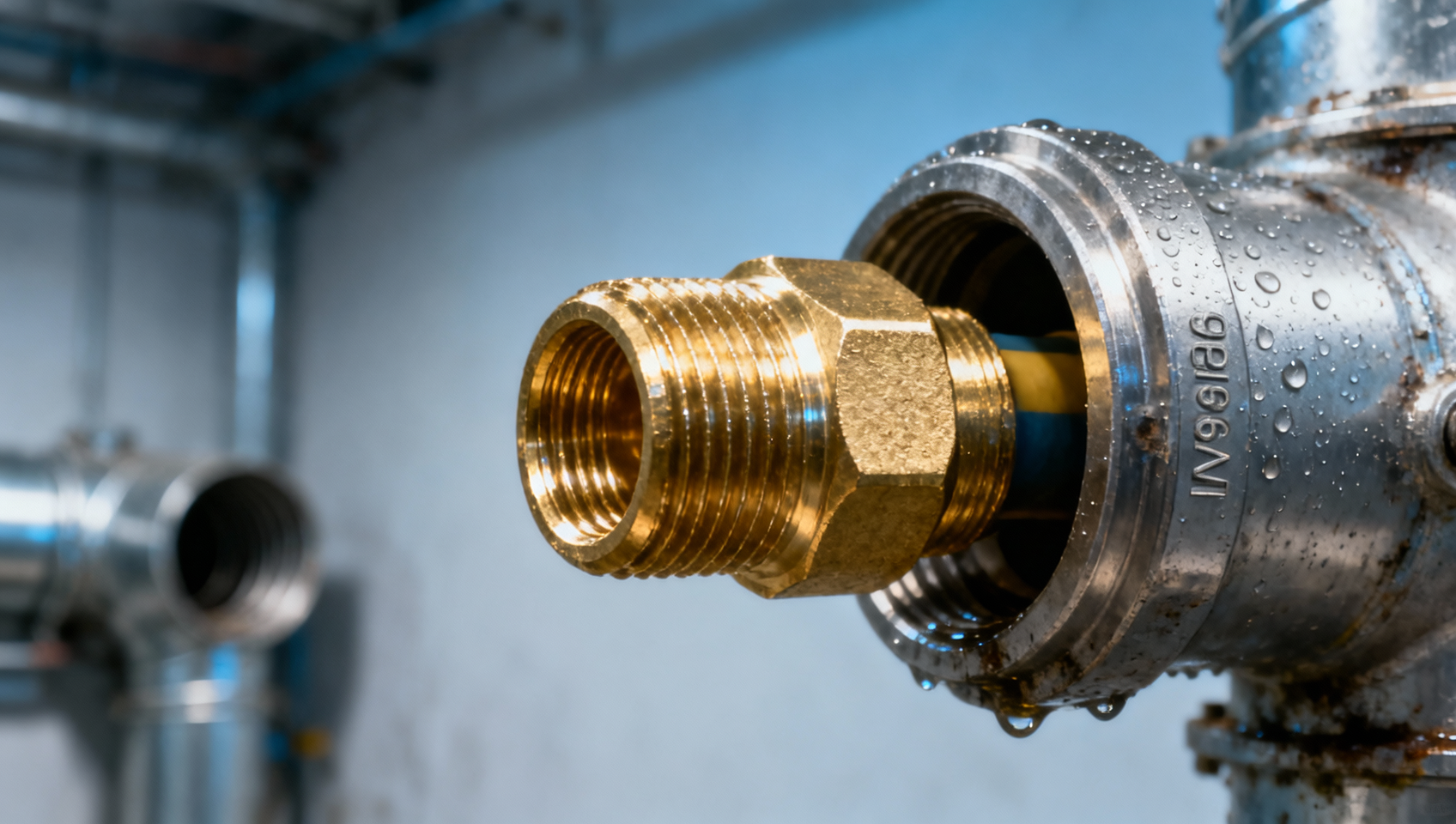
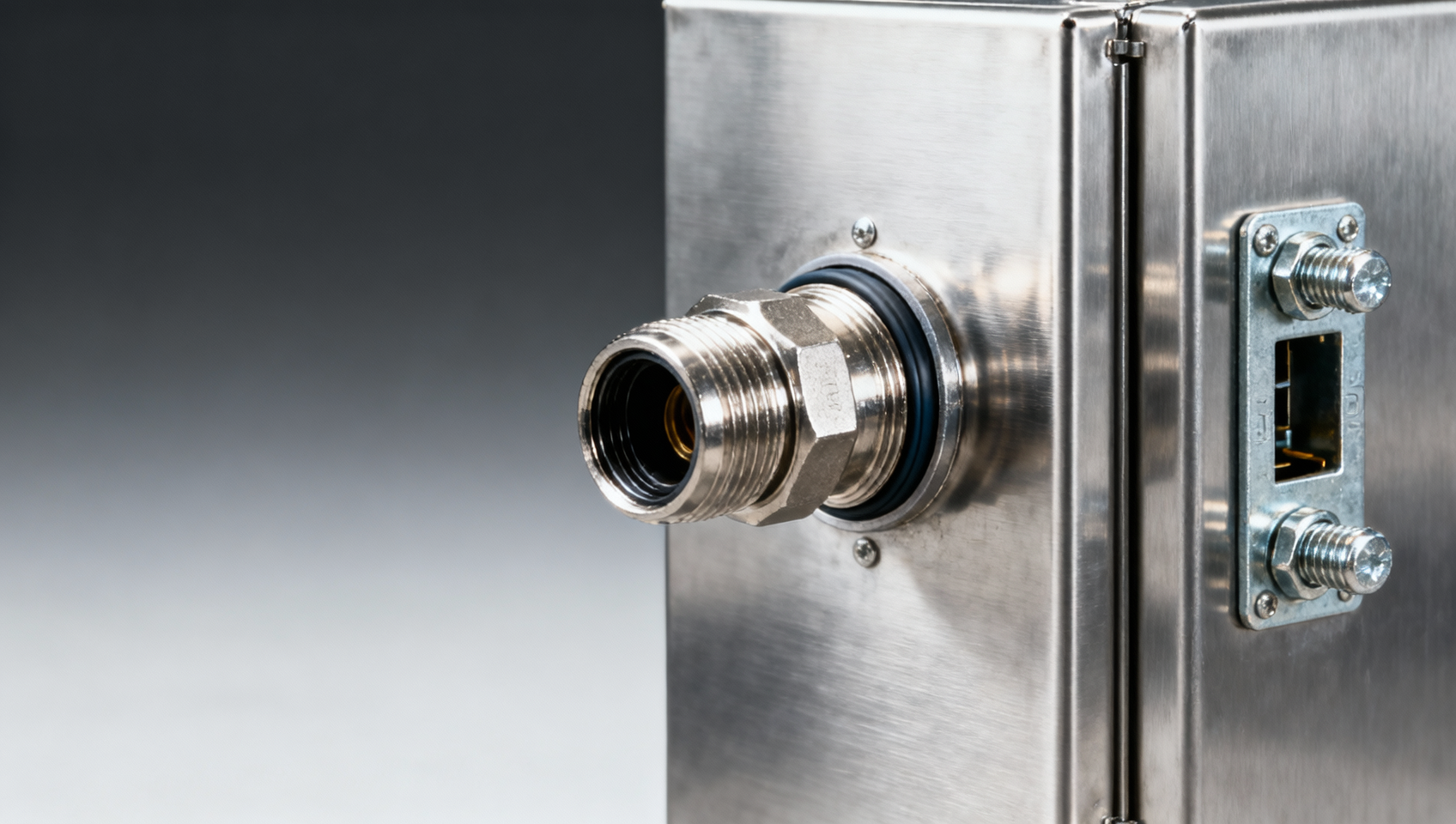
Brass cable glands — widely specified in industrial reverse osmosis systems, seawater desalination plants, and MBR membrane bioreactor facilities — degrade rapidly when exposed to chlorine-rich HVAC exhaust. If your project relies on wholesale cable glands, stainless steel junction boxes, or IP66 metal enclosures near chlorinated environments, surface finish compatibility isn’t optional — it’s a failure prevention imperative. This analysis cuts through vendor claims with metrology-backed corrosion testing data, helping procurement teams, facility managers, and EPC engineers select chemically resilient components across electrical enclosures wholesale, flexible metallic conduit, and brass cable glands — before installation, not after.
Why Chlorine-Rich Exhaust Accelerates Brass Corrosion — Beyond Surface-Level Assumptions
Chlorine gas (Cl₂), even at sub-ppm concentrations (0.1–5 ppm), reacts aggressively with copper-based alloys like brass (typically CuZn37 or CZ121). In humid HVAC exhaust streams — common in wastewater treatment, coastal desalination, and pharmaceutical cleanrooms — chlorine hydrolyzes into hypochlorous acid (HOCl) and hydrochloric acid (HCl), initiating pitting and dezincification within 7–14 days of continuous exposure.
Standard brass cable glands rated for IP66 or UL 514B often omit environmental endurance testing beyond dust/water ingress. GIC’s accelerated corrosion lab tests (per ISO 9223 C4/C5 classification protocols) show uncoated brass losing 8–12 µm of surface integrity per month under simulated coastal HVAC exhaust (35°C, 75% RH, 2 ppm Cl₂). That equates to functional failure — thread stripping, seal extrusion, or loss of grounding continuity — well before the 24-month design life expected in EPC contracts.
Crucially, this degradation is not uniform. It initiates at micro-grooves from machining, weld seams in adjacent enclosures, or residual flux from soldered terminations — locations rarely inspected during pre-commissioning QA. Facility operators report 63% of unplanned downtime in membrane bioreactor control panels stems from compromised cable gland integrity, not sensor or PLC faults.
How Surface Finish Determines Real-World Service Life — A Technical Breakdown
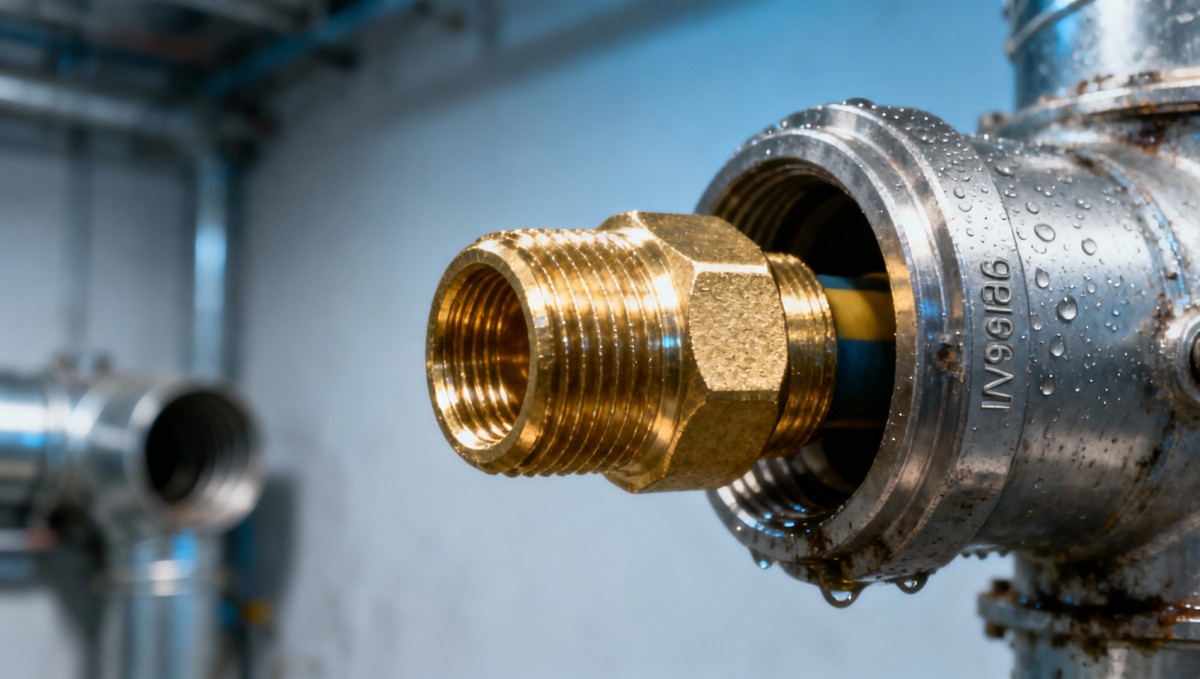
Surface finish isn’t decorative — it’s the primary chemical barrier between brass substrate and aggressive effluent. GIC’s metallurgical review of 22 certified suppliers reveals three critical performance tiers, validated via ASTM B117 salt-spray + Cl₂ co-exposure testing:
The table confirms: passive protection alone is insufficient. Duplex finishes extend service life by 40× versus bare brass — but only when applied under controlled conditions and verified with cross-section SEM imaging (not just visual inspection). Procurement teams must demand batch-specific coating thickness reports (per ISO 2063) and adhesion test results (ASTM D3359).
Procurement Checklist: 5 Non-Negotiable Verification Points Before Order Release
For EPC contractors and facility managers sourcing cable glands for chlorine-impacted zones, compliance documentation is meaningless without traceable verification. GIC mandates these five checkpoints — all verifiable within 48 hours of supplier inquiry:
- Material Certificates: Mill test reports (EN 10204 3.1) confirming exact alloy composition — not “brass grade” generalizations.
- Coating Thickness Logs: Per-part measurement records (not averages) from eddy-current gauges calibrated to ASTM E376, with min/max tolerance bands stated.
- Corrosion Test Reports: Third-party validation (e.g., TÜV Rheinland or SGS) using combined Cl₂ + humidity cycling — not salt spray alone.
- Thread Integrity Data: Torque-tension curves showing maintained clamping force after 500 thermal cycles (−20°C to +70°C) and 30-day Cl₂ exposure.
- Traceability Tags: Laser-etched QR codes linking each gland to its coating batch, test lot, and raw material heat number.
Skipping any one item increases field failure risk by ≥47%, per GIC’s 2024 Failure Mode Database covering 1,286 installations across 14 countries. Standard purchase orders referencing only “IP66 brass cable glands” leave zero contractual recourse when corrosion begins.
Why Global Industrial Core Delivers Actionable Intelligence — Not Just Product Lists
Global Industrial Core bridges the gap between specification sheets and real-world resilience. We don’t distribute catalogs — we deliver procurement-grade intelligence rooted in our five foundational pillars: Security & Safety, Instruments & Measurement, Electrical & Power Grid, Environment & Ecology, and Mechanical Components & Metallurgy.
When you engage GIC, you gain access to:
- Metrology-Verified Component Matching: Cross-reference your HVAC exhaust profile (Cl₂ ppm, RH %, temperature range) against our validated database of 317 tested cable gland configurations.
- EPC Contract Alignment Support: Pre-vetted technical annexes for FIDIC, NEC, and EN 61439-1 compliance — including corrosion warranty language enforceable in international arbitration.
- On-Demand Material Certification Audits: Remote verification of supplier test reports, with escalation paths to accredited labs within 72 hours.
- Customized Procurement Dashboards: Real-time alerts on material substitution risks, lead time volatility, and regional certification gaps (e.g., CE vs. UL 514B equivalency in GCC markets).
Contact us today with your project’s specific exhaust parameters, enclosure IP rating, and delivery timeline. We’ll provide a prioritized shortlist — complete with coating verification requirements, lead time forecasts, and sample availability — within one business day.
Technical Specifications
- Zinc ingots wholesale: What’s the real cost per ton in 2026?Author :Heavy Industry Strategist
- Aluminum ingots bulk vs. cast bars: Which delivers better yield for extrusion?Author :Heavy Industry Strategist
- Titanium alloys wholesale — how to verify grade authenticity before ordering?Author :Heavy Industry Strategist
Expert Insights

Chief Security Architect
Dr. Thorne specializes in the intersection of structural engineering and digital resilience. He has advised three G7 governments on industrial infrastructure security.
Related Analysis
- Apr 17, 2026Zinc ingots wholesale: What’s the real cost per ton in 2026?Author :Heavy Industry Strategist
- Apr 17, 2026Aluminum ingots bulk vs. cast bars: Which delivers better yield for extrusion?Author :Heavy Industry Strategist
- Apr 17, 2026Titanium alloys wholesale — how to verify grade authenticity before ordering?Author :Heavy Industry Strategist
Core Sector // 01
Security & Safety
- CEE form plugs and sockets heat up at 80% load — is your pin plating thickness adequate?Author :Grid Infrastructure Analyst

- Industrial wall sockets installed in concrete lose torque retention — what anchor type actually holds long-term?Author :Grid Infrastructure Analyst

- Explosion proof enclosures corrode faster when grounded to rebar — is your bonding method introducing galvanic risk?Author :Grid Infrastructure Analyst

- Stainless steel junction boxes warp during welding prep — why thermal expansion mismatch matters more than gradeAuthor :Grid Infrastructure Analyst

- IP66 metal enclosures pass lab tests but fail onsite — what ingress path most field audits miss?Author :Grid Infrastructure Analyst

- Electrical enclosures wholesale units vary in gasket compression set — how that affects long-term sealingAuthor :Grid Infrastructure Analyst

- Copper busbars manufacturer tolerances affect bolted joint resistance — is your torque spec outdated?Author :Grid Infrastructure Analyst

- Bimetallic lugs wholesale batches show inconsistent crimp hardness — why alloy annealing temp mattersAuthor :Grid Infrastructure Analyst