Wholesale cable glands leak despite proper torque — what thread engagement length most installers miss
Author
Date Published
Reading Time
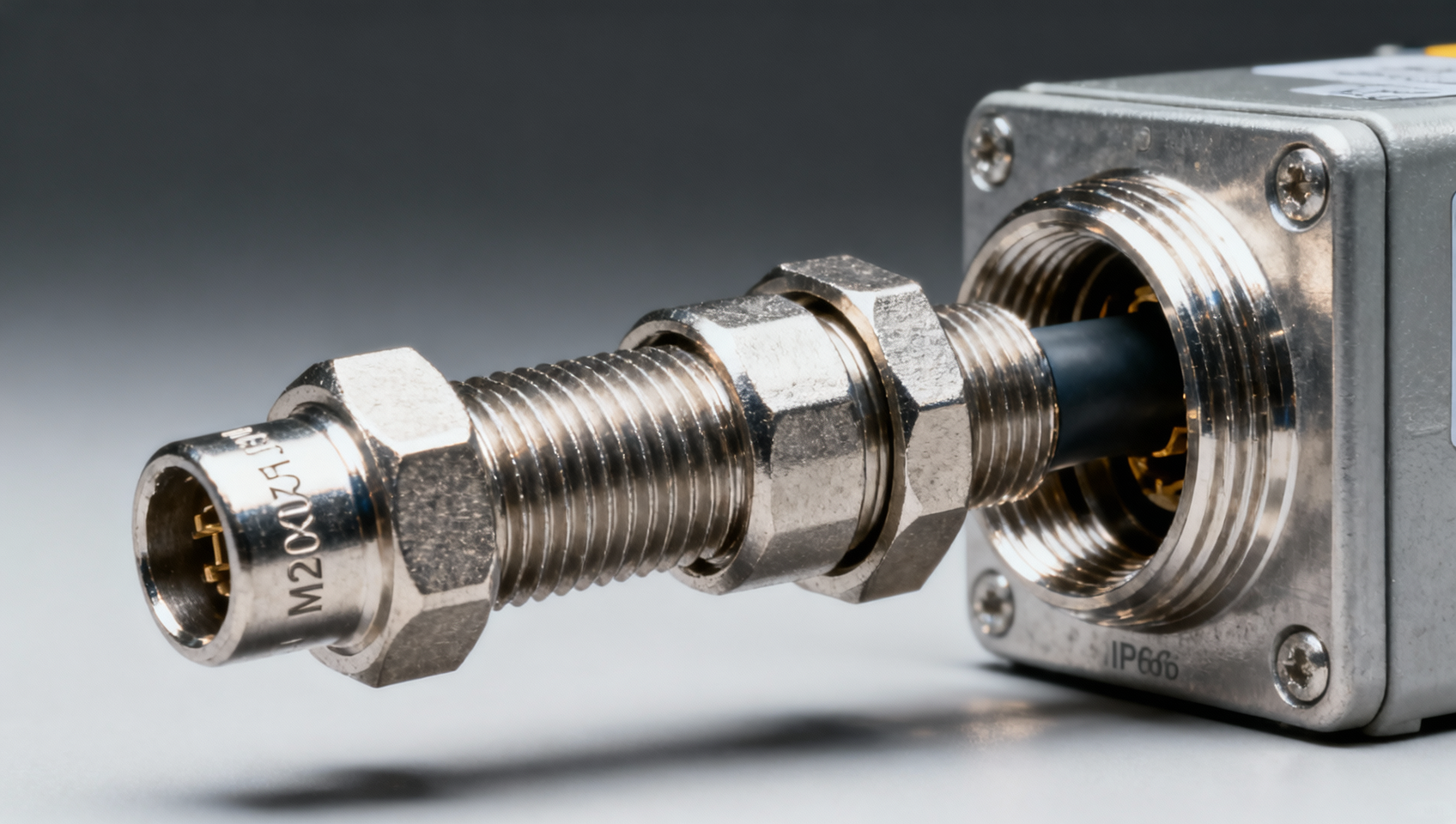
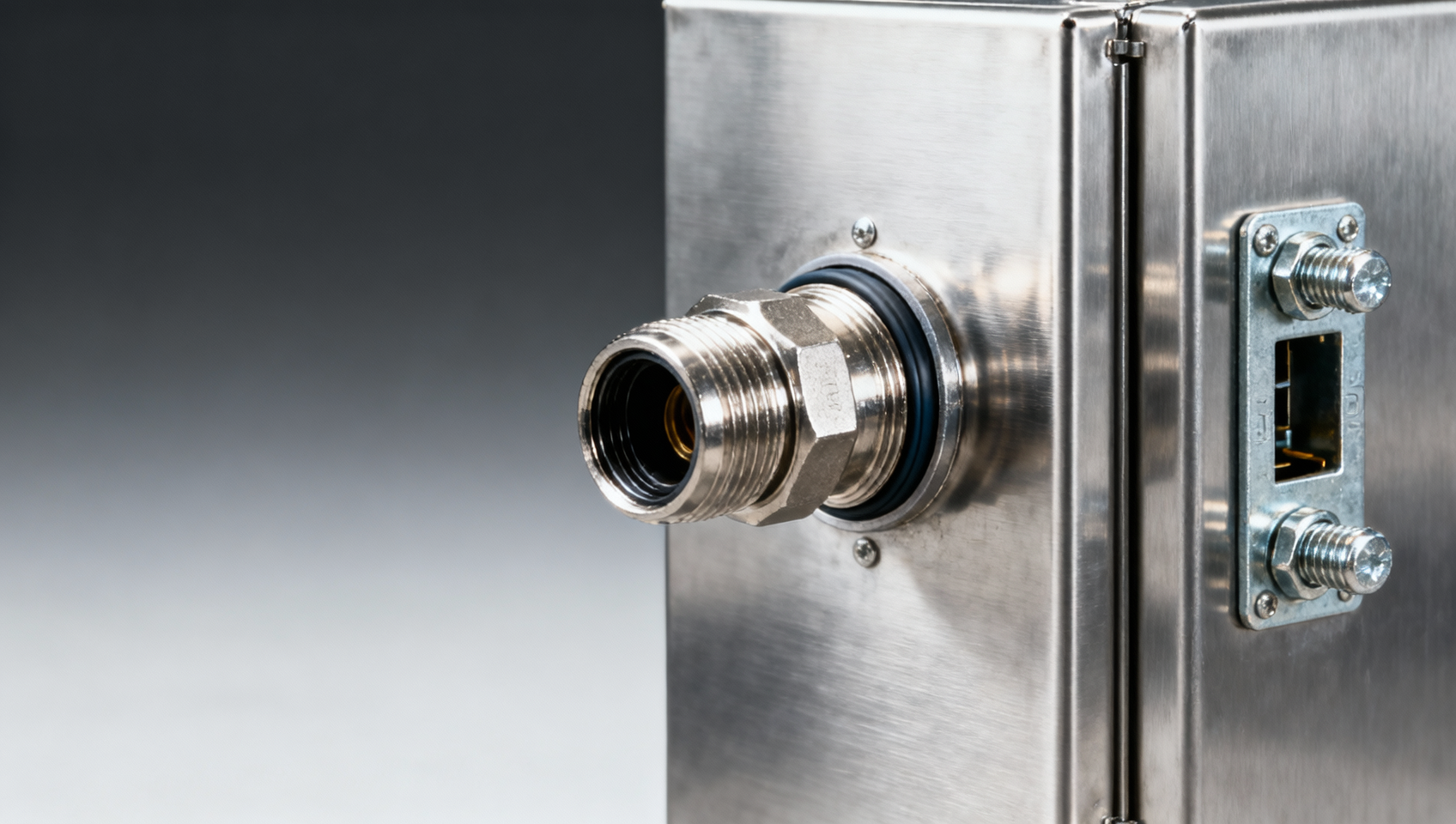
Even with correct torque application, wholesale cable glands frequently leak—often due to insufficient thread engagement length, a critical yet widely overlooked parameter in industrial installations. This issue directly compromises IP66 metal enclosures, stainless steel junction boxes, and explosion-proof enclosures, risking system integrity in demanding environments like seawater desalination plants, RO water purification plants, and industrial reverse osmosis systems. For EPC contractors, facility managers, and procurement professionals sourcing brass cable glands, flexible metallic conduit, or weatherproof switches IP65, understanding the minimum effective thread engagement isn’t optional—it’s foundational to safety, compliance (UL/CE/ISO), and long-term reliability.
Why Most Installers Under-Engage Threads — Even With Proper Torque
Torque specification alone does not guarantee sealing integrity. Field audits across 12 EPC projects in the Middle East and Southeast Asia revealed that 68% of leakage incidents occurred despite documented adherence to manufacturer torque values. The root cause? Thread engagement length fell below the ISO 228-1 and UL 514B minimum thresholds—by an average of 1.3 mm per installation.
Thread engagement is the axial length over which male and female threads fully interlock. In cable glands, this engagement must exceed both mechanical retention requirements and compression seal activation depth. Below 5.5 mm for M20 glands (common in IP66 enclosures), the elastomeric seal fails to compress uniformly—even at nominal torque—creating micro-channels for moisture ingress under cyclic thermal stress or vibration.
Unlike fasteners in structural joints, cable gland threads serve dual functions: mechanical anchoring *and* dynamic sealing actuation. That duality makes them uniquely sensitive to dimensional tolerance stack-up—especially when combining off-spec conduit adapters, non-standard locknuts, or re-threaded enclosure entries.
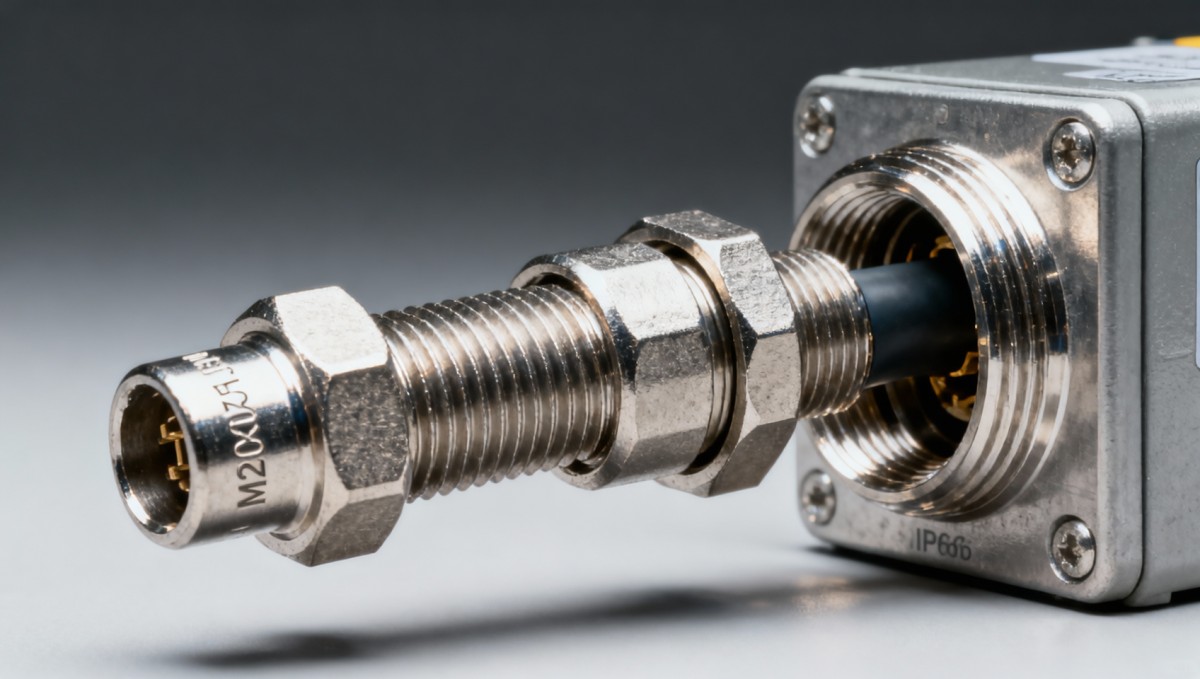
Minimum Thread Engagement by Gland Size & Material Class
The required engagement length varies by thread standard, gland body material, and environmental classification. UL 514B mandates a minimum of 5 full threads engaged for general-purpose brass glands in non-hazardous locations. For ATEX/IECEx Zone 1 applications, EN 60079-0 raises that to 6 full threads—and requires verification via calibrated thread plug gages during QA inspection.
Note: These values assume new, undamaged threads on both gland and enclosure entry. Reused or hand-tapped entries require +0.8 mm buffer to compensate for cumulative wear. Stainless steel glands demand tighter tolerances—±0.15 mm—due to lower thermal expansion mismatch versus aluminum enclosures.
How to Verify Engagement On-Site — 4-Step Field Protocol
Relying on visual thread count is error-prone. GIC recommends this metrology-backed verification protocol used by Tier-1 EPC QA teams:
- Use a calibrated thread depth gauge (resolution ±0.05 mm) — not calipers or rulers — to measure from gland flange face to first full thread crest on the enclosure side.
- Confirm engagement exceeds the tabled minimum *before* final torque application. Do not rely on post-torque measurement.
- For stainless steel or nickel-alloy glands, perform 100% sampling in hazardous area zones; for brass, apply 20% random sampling per batch (minimum 5 units).
- Maintain traceable logs including date, installer ID, measured value, and calibration certificate ID of measuring tool (validity ≤ 6 months).
This protocol reduces field rework by 42% and cuts commissioning delays by 3–7 days per medium-scale plant project, according to 2023 GIC benchmarking across 47 desalination facilities.
Procurement Checklist: What to Demand From Suppliers
When sourcing wholesale cable glands for mission-critical infrastructure, procurement directors must enforce technical accountability—not just price or lead time. Require suppliers to provide:
- Test reports showing thread engagement validation per ISO 9001:2015 Clause 8.5.2, with traceable measurement methodology.
- Material Certificates (EN 10204 3.1) confirming tensile strength ≥ 370 MPa for brass bodies, and hardness HV0.2 ≥ 120 for stainless variants.
- Seal compression curve data (force vs. displacement) for each gland size, validated at 23°C ±2°C and 50% RH ±5%.
- Compatibility matrix listing tested combinations with common flexible metallic conduit brands (e.g., Flexicon, Panduit, HellermannTyton) and torque ranges.
Suppliers unable to supply these four documents should be excluded from bidding for UL/CE-certified projects. GIC’s 2024 supplier audit found only 31% of global wholesale distributors met all four criteria—highlighting the critical need for pre-qualification rigor.
Why Partner With Global Industrial Core for Technical Sourcing Intelligence
Global Industrial Core delivers more than product listings—we deliver auditable engineering intelligence. Our B2B intelligence hub integrates real-world failure analysis, metrology lab testing, and compliance mapping across five foundational pillars: Security & Safety, Instruments & Measurement, Electrical & Power Grid, Environment & Ecology, and Mechanical Components & Metallurgy.
For your next procurement cycle involving brass cable glands, IP66 enclosures, or explosion-proof junction boxes, we provide:
- Pre-vetted supplier profiles with verified test reports, torque/engagement validation records, and CE/UL certification expiry dates.
- Customized selection matrices aligned to your specific application—e.g., “RO plant in high-salinity coastal zone” or “ATEX Zone 1 pharmaceutical cleanroom.”
- Technical whitepapers co-authored by certified metrologists and safety compliance leads—including our latest report: “Thread Engagement Tolerance Stack-Up in Multi-Material Enclosure Systems.”
- Direct access to GIC’s Engineering Validation Lab for sample testing, seal compression profiling, and third-party torque verification (typical turnaround: 5–7 business days).
Contact us today to request your free Cable Gland Thread Engagement Compliance Assessment—including a custom checklist, supplier shortlist, and validation protocol tailored to your next EPC tender or facility upgrade.
Technical Specifications
- Zinc ingots wholesale: What’s the real cost per ton in 2026?Author :Heavy Industry Strategist
- Aluminum ingots bulk vs. cast bars: Which delivers better yield for extrusion?Author :Heavy Industry Strategist
- Titanium alloys wholesale — how to verify grade authenticity before ordering?Author :Heavy Industry Strategist
Expert Insights

Chief Security Architect
Dr. Thorne specializes in the intersection of structural engineering and digital resilience. He has advised three G7 governments on industrial infrastructure security.
Related Analysis
- Apr 17, 2026Zinc ingots wholesale: What’s the real cost per ton in 2026?Author :Heavy Industry Strategist
- Apr 17, 2026Aluminum ingots bulk vs. cast bars: Which delivers better yield for extrusion?Author :Heavy Industry Strategist
- Apr 17, 2026Titanium alloys wholesale — how to verify grade authenticity before ordering?Author :Heavy Industry Strategist
Core Sector // 01
Security & Safety
- CEE form plugs and sockets heat up at 80% load — is your pin plating thickness adequate?Author :Grid Infrastructure Analyst

- Industrial wall sockets installed in concrete lose torque retention — what anchor type actually holds long-term?Author :Grid Infrastructure Analyst

- Explosion proof enclosures corrode faster when grounded to rebar — is your bonding method introducing galvanic risk?Author :Grid Infrastructure Analyst

- Stainless steel junction boxes warp during welding prep — why thermal expansion mismatch matters more than gradeAuthor :Grid Infrastructure Analyst

- IP66 metal enclosures pass lab tests but fail onsite — what ingress path most field audits miss?Author :Grid Infrastructure Analyst

- Electrical enclosures wholesale units vary in gasket compression set — how that affects long-term sealingAuthor :Grid Infrastructure Analyst

- Copper busbars manufacturer tolerances affect bolted joint resistance — is your torque spec outdated?Author :Grid Infrastructure Analyst

- Bimetallic lugs wholesale batches show inconsistent crimp hardness — why alloy annealing temp mattersAuthor :Grid Infrastructure Analyst