USTR 301 Review Raises PPE Export Compliance Bar
Author
Date Published
Reading Time
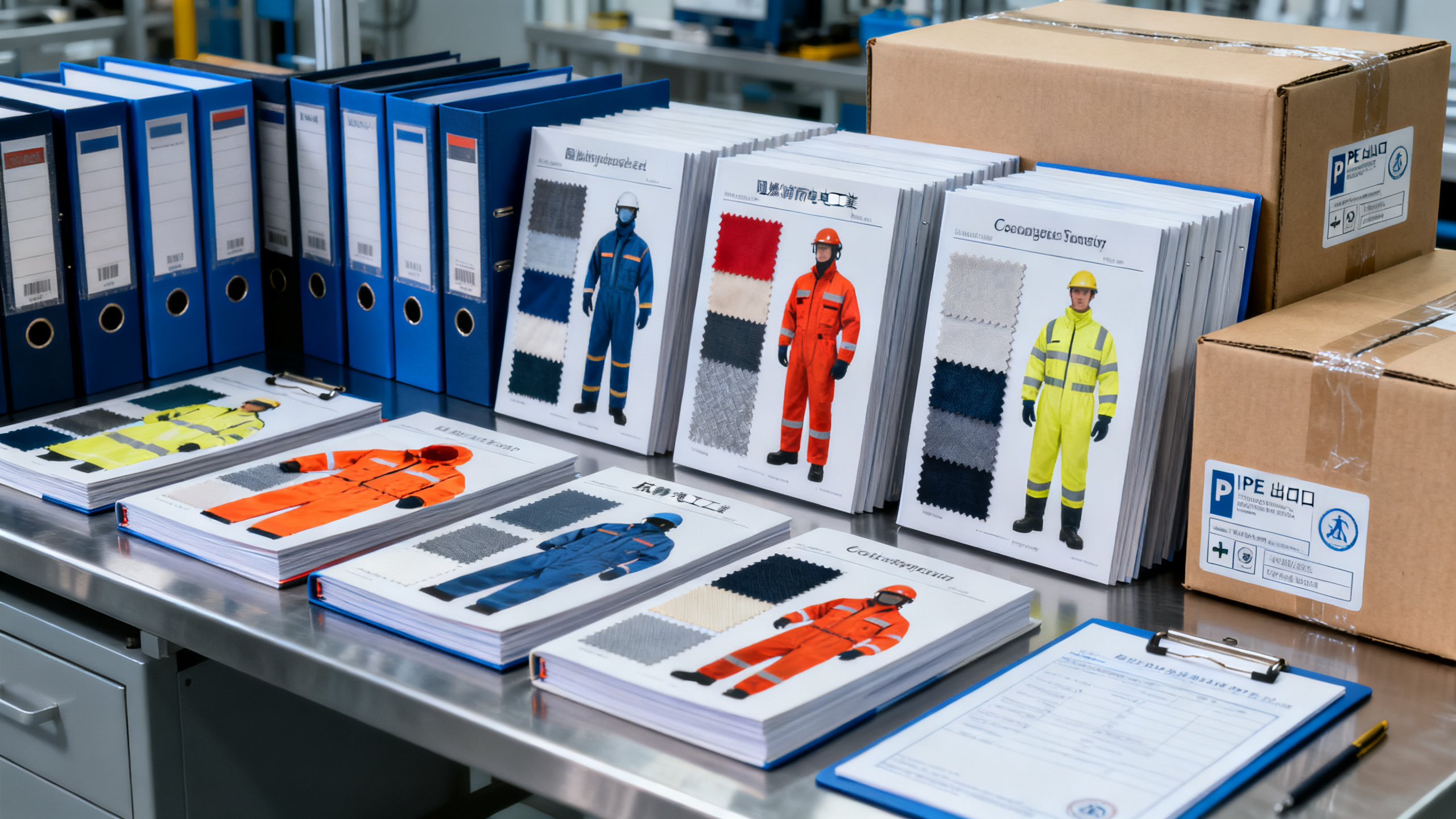
On June 3, 2026, the U.S. Trade Representative announced a Section 301 investigation proposing an additional 10% to 12.5% tariff on 60 economies on the stated ground of insufficient enforcement of forced-labor import bans. For exporters in PPE and protective workwear, this matters not only as a tariff development, but as a signal that trade access, certification alignment, and supply-chain due diligence may be reviewed together, especially for flame-resistant garments, antistatic workwear, and composite protective fabrics linked to UL, ANSI, OSHA, and UFLPA-related requirements.
What the announcement confirms at this stage
The confirmed facts are limited but commercially significant. The event took place on June 3, 2026, when USTR issued a Section 301 investigation notice. The notice proposes an additional 10% to 12.5% tariff affecting 60 economies, with the stated reason that they had not effectively enforced forced-labor import prohibitions. Based on the information provided, the measure directly concerns PPE and workwear exports, with particular relevance for products such as flame-resistant clothing, antistatic workwear, and composite protective fabrics that also need to meet UL, ANSI, OSHA, and UFLPA due-diligence expectations.
Where the pressure may emerge across the export chain
For export-facing manufacturers, cost and compliance may tighten at the same time
From an industry perspective, manufacturers shipping PPE and protective apparel may face pressure in two linked areas: landed cost and admissibility. The tariff proposal points to possible price pressure in export transactions, while the reference to forced-labor enforcement highlights the need to keep technical compliance and supply-chain documentation aligned. What deserves closer attention is that products already sold on performance claims may now require even more disciplined coordination between product testing, certification files, and origin-related due diligence.
For buyers and sourcing teams, qualification standards may become more document-driven
Buyers, procurement teams, and sourcing intermediaries may be affected because product selection in this category often depends on both technical suitability and documentary defensibility. In practical terms, teams handling flame-resistant apparel, antistatic garments, or multi-layer protective textiles may need to pay closer attention to whether certification records, test reports, supplier declarations, and due-diligence materials can support the same transaction without contradiction.
For testing, certification, and quality support functions, review scope may broaden
Testing bodies, certification-related service providers, and internal quality teams may also see a broader review scope. Analysis shows that the issue is not limited to whether a product meets a single technical standard. The greater concern is whether certification status, technical specifications, and UFLPA-related due-diligence materials can withstand scrutiny together when products enter regulated trade channels.
For logistics and delivery planning, timing risk may deserve closer attention
Supply-chain service providers and shipment coordinators may need to monitor delivery sequencing more closely. Observably, when tariff exposure and compliance review become connected in market practice, shipment preparation, document readiness, and customer acceptance timing can become more sensitive, particularly for orders tied to tender documents, technical approvals, or strict delivery windows.
What companies should monitor now
Keep certification files and due-diligence records consistent
Companies in affected PPE and workwear lines should review whether product claims, testing evidence, certification materials, and supply-chain due-diligence records tell a consistent story. This is especially relevant for products that must satisfy UL, ANSI, OSHA, and UFLPA-related expectations at the same time.
Watch for changes in official wording and execution approach
The current information confirms a proposed tariff action and its policy rationale, but it does not provide full execution detail. It is therefore more appropriate to monitor how official language develops, including any clarification that could affect product scope, compliance interpretation, or documentary expectations in actual transactions.
Recheck tender, specification, and shipment documents
Exporters and contract teams may benefit from reviewing technical files, bid documents, test reports, declarations, and shipment paperwork for alignment. Analysis shows that the practical risk may arise not only from product performance issues, but from mismatches between what is certified, what is declared, and what is delivered.
Assess exposure in sensitive product categories
What deserves closer attention is the subset of products named in the provided information: flame-resistant garments, antistatic workwear, and composite protective fabrics. Companies handling these categories may want to identify where certification dependency, customer approval conditions, and supply-chain traceability are most tightly linked.
Why this looks more like an execution signal than a settled outcome
Observably, this development should not be read only as a tariff headline. It also signals that trade enforcement, forced-labor due diligence, and product compliance expectations may increasingly be assessed together in PPE and protective workwear transactions. At the same time, it would be premature to treat the matter as a fully settled rule change with complete execution clarity, because the provided information does not include detailed implementation language, final scope handling, or market-side enforcement practice.
How the industry may best interpret the development
At this stage, the event is better understood as a strong compliance and trade-risk signal for PPE and protective workwear exporters rather than as a complete and fully defined operating framework. The immediate significance lies in the need to connect tariff exposure, certification readiness, and due-diligence discipline in the same export workflow. A rational reading is that market participants should stay attentive, avoid assumptions beyond the confirmed facts, and prepare for closer review of documents, technical claims, and supply-chain support materials.
Basis of this article and what still needs verification
This article is based on the user-provided news title, event date, and event summary. For developments of this kind, relevant source categories typically include official notices, publications by regulatory or trade authorities, customs or trade administration updates, industry association releases, standards organization documents, and reporting by established professional media. No specific official source link was provided in the input, so the official link and subsequent wording still require ongoing verification. Further observation should focus on policy detail, certification interpretation, tender-document changes, market feedback, and how companies implement related compliance steps in practice.
Technical Specifications
- How to Select Electronic Hotel Key Card Locks for Guest Rooms and Staff AreasAuthor :Safety Compliance Lead
- How to Select Lab Instruments for Reliable Chemical Analysis WorkflowsAuthor :Precision Metrology Expert
- How to Size a UPS for Server Rooms: Load, Runtime, and Redundancy FactorsAuthor :Grid Infrastructure Analyst
Expert Insights

Chief Security Architect
Dr. Thorne specializes in the intersection of structural engineering and digital resilience. He has advised three G7 governments on industrial infrastructure security.
Related Analysis
- Sep 17, 2026How to Select Electronic Hotel Key Card Locks for Guest Rooms and Staff AreasAuthor :Safety Compliance Lead
- Sep 16, 2026How to Select Lab Instruments for Reliable Chemical Analysis WorkflowsAuthor :Precision Metrology Expert
- Sep 15, 2026How to Size a UPS for Server Rooms: Load, Runtime, and Redundancy FactorsAuthor :Grid Infrastructure Analyst
Core Sector // 01
Security & Safety
- Can One Supplier Provide Both IEC- and ATEX-Certified Safety Equipment?Author :Safety Compliance Lead

- Are Dual IEC and NEC Safety Certifications Worth the Cost?Author :Safety Compliance Lead

- What Is the Difference Between Class I and Class II PPE?Author :Safety Compliance Lead

- Which Oil and Gas Safety Standards Should Contractors Meet Before Site Mobilization?Author :Safety Compliance Lead

- EU REACH Adds PFAS Cap for PPE WorkwearAuthor :Safety Compliance Lead

- How to Evaluate a Chemical Resistant Suit Supplier for Industrial Safety ProcurementAuthor :Safety Compliance Lead

- EU REACH Sets 50 ppb PFAS Cap for PPE WorkwearAuthor :Safety Compliance Lead

- EU Tightens PFOA Limit for PPE and Industrial Filter MediaAuthor :Safety Compliance Lead