Tactical Helmets Wholesale: How to Judge Quality
Author
Date Published
Reading Time
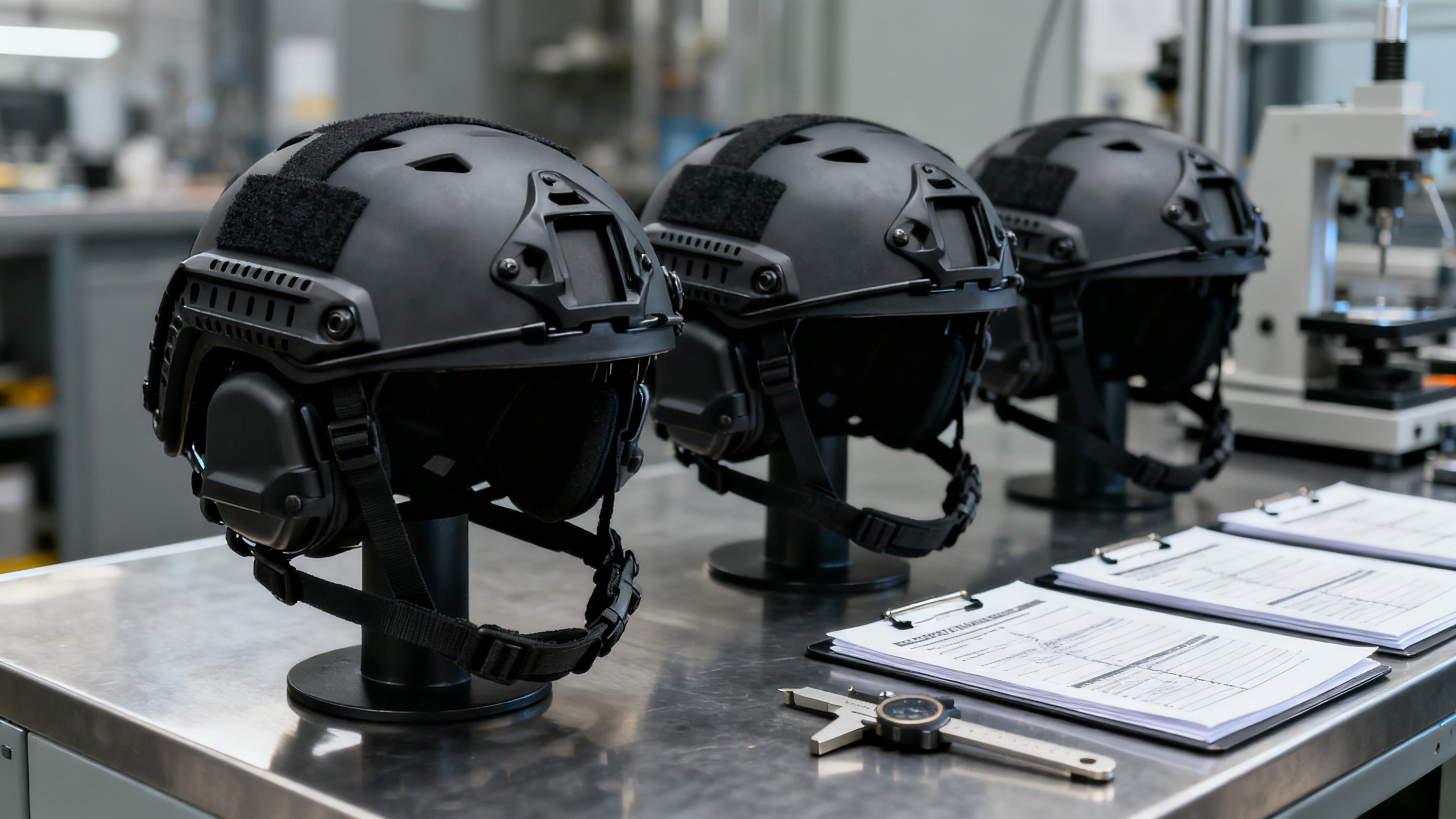
For buyers evaluating tactical helmets wholesale options, quality goes far beyond appearance or price. From impact resistance and material integrity to certification, fit, and supplier credibility, every detail affects field safety and procurement value. This guide helps researchers, operators, and decision-makers identify reliable standards and avoid costly sourcing mistakes when judging helmet quality.
When sourcing tactical helmets in bulk, the fastest way to judge quality is to verify five things first: protection standard, shell material, suspension and retention system, manufacturing consistency, and supplier documentation. If any of these are unclear, incomplete, or impossible to verify, the helmet is a procurement risk no matter how competitive the unit price looks.
What actually defines quality in tactical helmets wholesale?
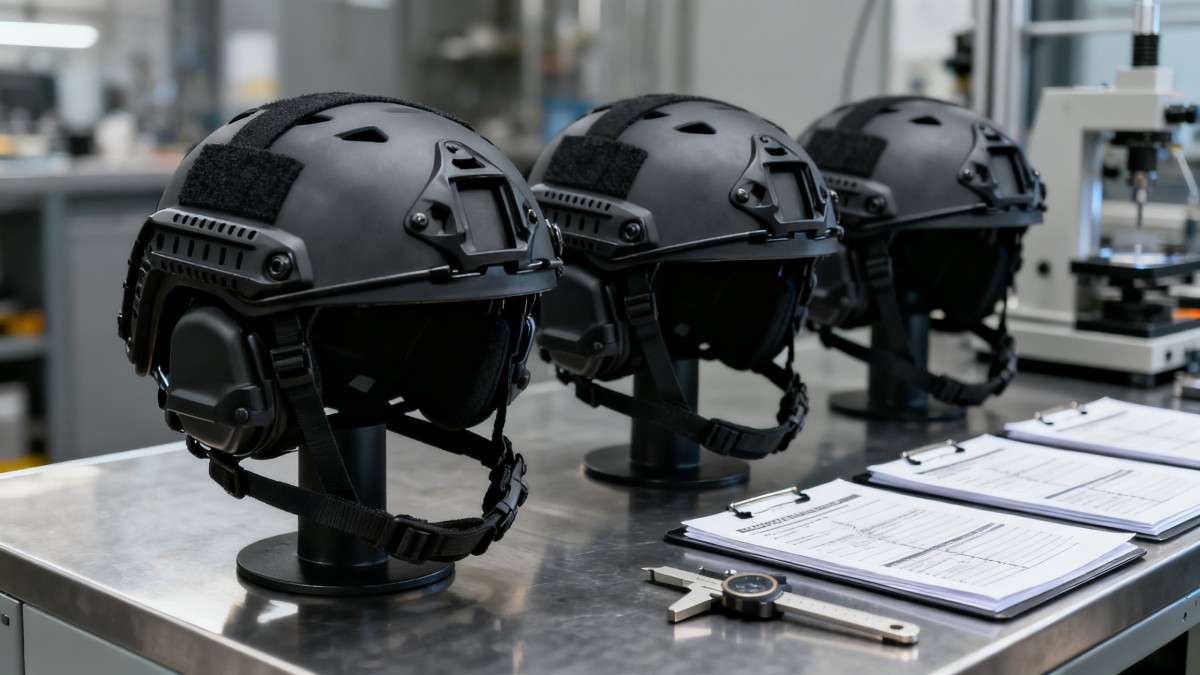
For wholesale buyers, “quality” is not just whether a helmet looks rugged or feels solid in hand. A quality tactical helmet must perform reliably under impact, remain stable during movement, fit users correctly, and come with traceable compliance and production data. In other words, quality is the combination of protection performance, user functionality, and supplier reliability.
This matters because tactical helmets are often purchased for security teams, industrial response units, law enforcement supply channels, or specialized field operations where failure has direct safety and liability consequences. A low-cost helmet with poor impact absorption, inconsistent shell thickness, weak rails, or unreliable chin straps can create much higher downstream costs through injuries, replacement cycles, rejected shipments, and reputational damage.
For most professional buyers, judging tactical helmets wholesale quality should focus on three levels:
- Product level: materials, structure, comfort, protection, accessories compatibility
- Compliance level: test reports, certifications, labeling, traceability
- Supplier level: manufacturing control, consistency, QA process, after-sales support
Which standards and test documents should buyers ask for first?
Before comparing designs, colors, or accessories, ask the supplier for the exact standard the helmet is built to meet. This is the most efficient way to separate serious manufacturers from trading companies selling uncertain products.
Depending on the product type and intended use, buyers may request evidence related to:
- Ballistic standards such as NIJ-related testing where applicable
- Impact and blunt force testing
- Retention system strength testing
- Environmental conditioning tests for heat, cold, humidity, and aging
- Material compliance and restricted substance documentation where required by market
Important: many tactical helmets in the market are styled like military or law-enforcement products but are not certified ballistic helmets. Some are only intended for training, airsoft, climbing-style protection, or bump protection. A buyer should never assume “tactical” means ballistic-grade.
Ask suppliers for:
- Full test report, not just a certificate screenshot
- Testing laboratory name and date
- Sample identification matching the offered model
- Retention and impact test data
- Production batch traceability
- Labeling and marking details for each helmet
If a supplier only sends marketing brochures, generic claims like “meets military standard,” or edited report excerpts without model traceability, that is a warning sign.
How can you evaluate helmet materials and shell construction?
Material choice directly affects protection, weight, durability, and cost. In tactical helmets wholesale, common shell materials may include aramid fibers, UHMWPE, ABS, polycarbonate blends, fiberglass composites, or mixed constructions depending on whether the helmet is ballistic or non-ballistic.
Buyers should focus on these material questions:
- What is the shell material and intended protection level?
- Is the material appropriate for the use case? A bump helmet should not be sourced where ballistic protection is required.
- What is the shell thickness consistency?
- How does the shell perform after environmental exposure?
- Are edge finishing, drilling points, and accessory mounts structurally sound?
High-quality helmets typically show consistent molding, uniform edge trimming, clean hardware integration, and no obvious resin defects, cracks, bubbles, delamination, or weak attachment points. If possible, request cross-section photos, material datasheets, and destructive test records for reference.
For wholesale procurement, shell consistency matters as much as peak performance. A supplier that produces one excellent sample but cannot maintain shell uniformity across large batches creates serious quality risk.
Why do fit, retention, and suspension matter as much as impact resistance?
A helmet that tests well in a lab but shifts during use is still a poor product. Operators care about whether the helmet stays stable when running, crouching, turning, or wearing communication gear. Procurement teams should therefore evaluate not only shell protection but also the system that keeps the helmet secure on the head.
Key components to review include:
- Chin strap strength and adjustability
- Retention harness design
- Internal padding quality and replacement availability
- Size range and head-shape accommodation
- Compatibility with headsets, visors, mounts, and rails
A high-quality tactical helmet should remain balanced without creating pressure hot spots. Poor retention systems often reveal themselves through loose adjustment hardware, uneven strap stitching, weak buckle engagement, or unstable fit once accessories are mounted.
For enterprise buyers, this is not a minor comfort issue. Poor fit reduces wear compliance, increases fatigue, and may cause users to modify or stop using the helmet altogether. That undermines both safety and procurement ROI.
How should wholesale buyers inspect manufacturing quality and batch consistency?
One of the biggest wholesale risks is assuming that the approved sample represents future production. It may not. The right question is not “Is this sample good?” but “Can this factory reproduce this level of quality at scale?”
To judge manufacturing quality, check for:
- Stable dimensions and weight tolerance across sizes and batches
- Consistent hardware installation for rails, shrouds, screws, and mounts
- Uniform paint, coating, or surface finish
- Clean stitching and strap assembly
- Serial numbering and traceability system
- Incoming material inspection and final QA process
Request a pre-shipment inspection checklist and ask whether the factory performs:
- AQL inspections
- Drop or impact verification by batch
- Retention pull testing
- Environmental conditioning checks
- Packaging drop tests for export shipments
If the order volume is meaningful, a third-party inspection before shipment is often justified. This is especially important when sourcing from a new supplier or when the helmets are intended for regulated or safety-sensitive deployment.
What supplier red flags often lead to poor helmet quality?
In tactical helmets wholesale, product risk often starts with supplier behavior rather than the helmet itself. Experienced buyers pay close attention to how clearly and consistently a supplier answers technical questions.
Common red flags include:
- Unclear distinction between ballistic and non-ballistic models
- Refusal to share full test reports
- Certification documents that do not match the offered model
- Large price gaps without technical explanation
- Inability to confirm material origin or production site
- Frequent changes in specifications after quotation
- No warranty terms or no written quality claims procedure
Another warning sign is overemphasis on appearance features such as rails, covers, colors, or branding options while giving vague answers on impact performance, retention testing, or service life. Cosmetic flexibility does not prove structural quality.
How can procurement teams compare tactical helmet suppliers more objectively?
Instead of choosing based on unit price alone, use a structured supplier scorecard. This helps procurement managers, safety leads, and business decision-makers align on a practical selection method.
A useful evaluation framework may include:
- Protection performance: documented test results, standard compliance, use-case match
- Material integrity: shell construction, durability, environmental resistance
- User functionality: fit, comfort, retention, accessory compatibility
- Production capability: capacity, lead time, consistency controls
- Documentation quality: reports, labeling, traceability, technical files
- Commercial reliability: warranty, claims handling, packaging, export support
- Total cost of ownership: rejection rate, replacement rate, lifespan, field acceptance
This approach often changes the buying decision. A helmet with a slightly higher purchase price may deliver better long-term value if it reduces defects, improves user acceptance, and lowers replacement frequency.
What is a practical quality-check process before placing a bulk order?
For buyers who need a clear action plan, the following process works well:
- Define the use case clearly. Ballistic protection, bump protection, training, industrial security, or multi-role use all require different specifications.
- Request technical documents first. Collect standards, test reports, material details, and size specifications before discussing price in depth.
- Review a physical sample. Check weight, balance, finish, fit, padding, stitching, hardware, and mount stability.
- Conduct user trials. If possible, have actual operators test comfort, adjustment, and accessory compatibility.
- Verify batch control. Confirm how the supplier ensures consistency from sample to mass production.
- Use third-party inspection if needed. Especially for first orders or safety-critical applications.
- Document acceptance criteria in the PO or contract. Include standard references, labeling, tolerances, packaging, and claims terms.
This process helps both technical evaluators and purchasing teams avoid a common mistake: approving a helmet based on first impressions without confirming whether its protection claim and production controls are real.
Conclusion: how to judge quality with confidence
Judging tactical helmets wholesale quality is ultimately about evidence, not appearance. Reliable buyers look beyond styling and price to verify protection standards, shell materials, retention performance, manufacturing consistency, and supplier credibility. If a supplier can clearly prove these points with matching documents, stable samples, and transparent quality controls, the sourcing risk drops significantly.
For researchers, operators, procurement teams, and business decision-makers, the smartest approach is simple: match the helmet to the real use case, demand traceable test evidence, inspect fit and construction carefully, and evaluate the supplier as rigorously as the product itself. That is how you identify tactical helmets that deliver both field safety and long-term procurement value.
Expert Insights

Chief Security Architect
Dr. Thorne specializes in the intersection of structural engineering and digital resilience. He has advised three G7 governments on industrial infrastructure security.
Related Analysis
- Oct 22, 2026Turkish Flat Steel Prices Fall Under Import PressureAuthor :
- Oct 22, 2026Choosing a Surge Protection Device Factory: Testing and Traceability ChecksAuthor :Grid Infrastructure Analyst
- Oct 21, 2026China’s Steel Industry Posts 1.7% Growth in Industrial Value Added in First Three QuartersAuthor :
Core Sector // 01
Security & Safety
- Vetting a Fall Protection Harness Supplier: Test Reports and TraceabilityAuthor :Safety Compliance Lead

- Can One Supplier Provide Both IEC- and ATEX-Certified Safety Equipment?Author :Safety Compliance Lead

- Are Dual IEC and NEC Safety Certifications Worth the Cost?Author :Safety Compliance Lead

- What Is the Difference Between Class I and Class II PPE?Author :Safety Compliance Lead

- Which Oil and Gas Safety Standards Should Contractors Meet Before Site Mobilization?Author :Safety Compliance Lead

- EU REACH Adds PFAS Cap for PPE WorkwearAuthor :Safety Compliance Lead

- How to Evaluate a Chemical Resistant Suit Supplier for Industrial Safety ProcurementAuthor :Safety Compliance Lead

- EU REACH Sets 50 ppb PFAS Cap for PPE WorkwearAuthor :Safety Compliance Lead