How to Evaluate a Bulletproof Vests Manufacturer
Author
Date Published
Reading Time
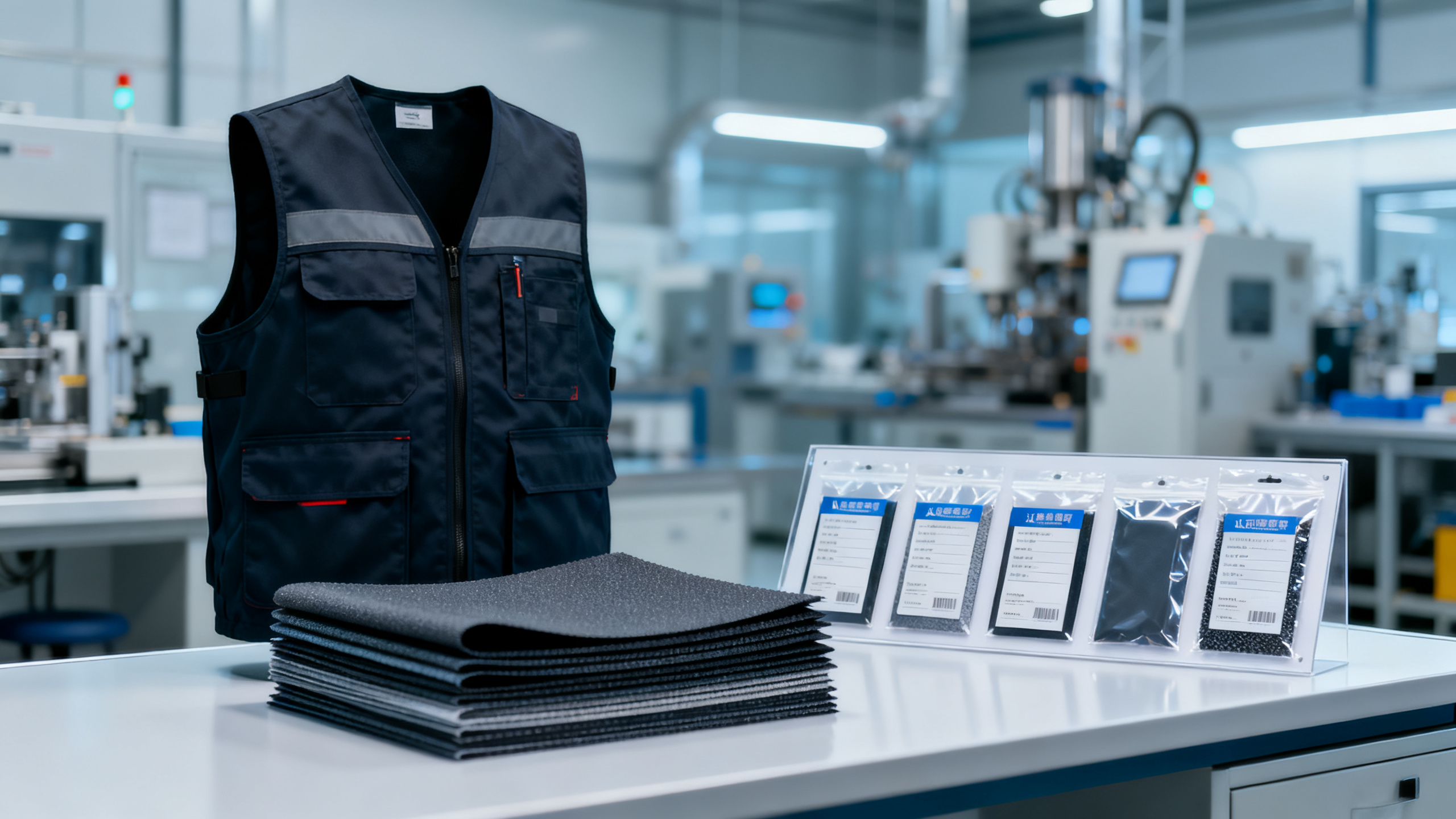
Choosing the right bulletproof vests manufacturer requires more than comparing prices. For buyers, operators, and decision-makers, the real challenge is verifying protection standards, production consistency, material quality, and supply reliability. This guide explains how to assess manufacturers with a practical, industry-focused lens so you can reduce sourcing risk, ensure compliance, and make confident procurement decisions.
If you are evaluating a bulletproof vests manufacturer, the fastest way to reduce risk is to focus on five factors: certified protection performance, manufacturing quality control, material traceability, customization capability, and long-term supply reliability. A vendor may look competitive on paper, but if they cannot prove test compliance, maintain batch consistency, or support after-sales requirements, they can create serious operational, legal, and procurement problems later.
What matters most when evaluating a bulletproof vests manufacturer
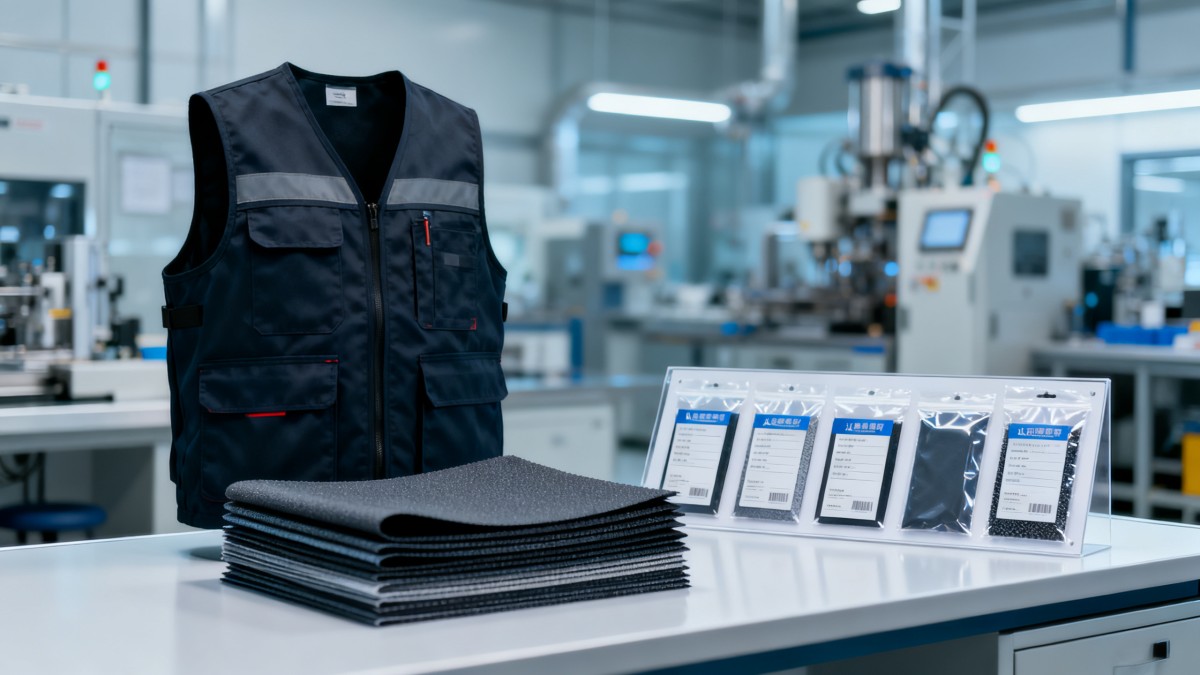
For most buyers and operational teams, the core question is simple: Can this manufacturer consistently deliver body armor that performs as claimed, meets required standards, and remains dependable over time?
That means your evaluation should not start with catalog features. It should start with risk control:
- Does the manufacturer comply with recognized ballistic standards?
- Can it prove stable performance across production batches?
- Are the materials authentic, traceable, and suitable for the use environment?
- Can it support your sizing, carrier, labeling, and mission-specific requirements?
- Is its production capacity strong enough for repeat orders and urgent demand?
A reliable bulletproof vests manufacturer should be able to answer these questions with documentation, test records, process transparency, and clear commercial terms—not just marketing claims.
Start with verified ballistic protection standards, not marketing language
The first filter is whether the vest actually meets the protection level your application requires. Terms like “tactical,” “military grade,” or “high protection” are not enough. You need documented testing against recognized standards.
Common evaluation points include:
- NIJ compliance: Ask which National Institute of Justice level the vest is designed to meet and whether testing was performed by a credible lab.
- Test report scope: Confirm whether testing covers both ballistic resistance and backface deformation where applicable.
- Soft armor vs. hard armor compatibility: Verify whether the manufacturer produces soft armor panels, plate carriers, hard plates, or complete integrated systems.
- Threat profile match: Ensure the vest is tested against the threats relevant to your use case, not just against a generic level label.
For procurement teams, one of the most important distinctions is whether a product was designed to a standard or independently tested and documented against it. That difference matters when you are managing liability, tender compliance, or institutional purchasing approval.
Review the manufacturer’s quality control system and production consistency
Even if one sample passes a ballistic test, that does not guarantee every production batch will perform the same way. This is why manufacturing discipline matters as much as raw protection claims.
Ask the manufacturer about:
- Quality management system: ISO 9001 or similar process controls can indicate a more structured production environment.
- Incoming material inspection: How are aramid, UHMWPE, plates, fabrics, webbing, and accessories verified before use?
- In-process inspections: Are panel cutting, layer alignment, stitching, sealing, and carrier assembly checked during production?
- Batch testing: Does the manufacturer conduct routine internal or third-party verification on production lots?
- Defect tracking and corrective action: Can it explain how nonconforming products are identified, isolated, and resolved?
A strong manufacturer should be able to show consistency controls, not just final-product brochures. For enterprise buyers, this is often the difference between a vendor that can support multi-year supply and one that is only suitable for opportunistic trading.
Check material quality, traceability, and vest construction details
The protection level of a bulletproof vest depends heavily on the materials used and how they are assembled. Two vests may appear similar externally but perform very differently because of internal construction quality.
Important areas to review include:
- Ballistic fiber source: Ask whether the manufacturer uses branded, recognized aramid or UHMWPE materials, and whether material origins are traceable.
- Panel construction: Layer count alone is not enough; orientation, lamination method, and panel architecture also affect performance and flexibility.
- Carrier durability: The outer carrier should withstand field wear, moisture, repeated movement, and cleaning requirements.
- Environmental resistance: Heat, humidity, UV exposure, and storage conditions can affect service life, especially in demanding climates.
- Ergonomics: Weight distribution, mobility, breathability, and fit influence real-world wear compliance.
This is especially important for operators and end users. A vest that technically passes a ballistic standard but is too heavy, poorly fitted, or uncomfortable may not perform well in real deployment because users avoid wearing it properly or for the required duration.
Assess whether the manufacturer can support your real operational needs
Not every buyer needs the same product. Security firms, law enforcement agencies, industrial site protection teams, and specialized contractors may all require different vest configurations.
Look at whether the manufacturer can support:
- Male and female sizing options
- Custom coverage areas and carrier formats
- MOLLE or load-bearing compatibility
- Concealable vs. overt wear designs
- Removable or replaceable armor components
- Private labeling or tender-specific marking requirements
- Packaging, serialization, and inventory tracking needs
A manufacturer with genuine engineering and production capability can usually discuss these details clearly and propose workable options. A reseller or lightly integrated assembler may struggle when requirements go beyond standard catalog models.
Examine testing transparency, certifications, and documentation depth
Documentation is one of the clearest indicators of manufacturer credibility. A serious body armor supplier should be prepared to support technical review, compliance checks, and procurement due diligence.
Useful documents may include:
- Ballistic test reports from recognized laboratories
- Product specifications and material data sheets
- Quality certifications such as ISO-based management documentation
- Warranty terms and stated service life
- Care, storage, and inspection instructions
- Lot identification and traceability procedures
- Export, origin, and trade compliance documents where relevant
If a supplier avoids sharing meaningful documents, provides inconsistent report formats, or cannot explain what its test results actually mean, that is a red flag. For procurement managers, transparency often correlates strongly with supplier maturity.
Evaluate supply capacity, lead times, and long-term vendor reliability
A bulletproof vest may be a critical procurement item, especially for organizations with safety obligations or contract deadlines. So beyond technical quality, you also need to assess business reliability.
Questions worth asking include:
- What is the monthly and annual production capacity?
- Can the manufacturer handle pilot orders and scaled contracts?
- What are the standard and emergency lead times?
- Does it maintain stable access to ballistic materials and components?
- How does it manage disruptions in raw material supply?
- Can it support repeat ordering with the same product specifications?
For enterprise decision-makers, supply continuity is often as important as product performance. A technically acceptable manufacturer that cannot deliver consistently may still be the wrong choice.
Use a practical supplier evaluation checklist before placing an order
To make comparison easier, use a structured shortlist process. A good bulletproof vests manufacturer should score well across both technical and commercial criteria.
Basic evaluation checklist:
- Verified ballistic testing against relevant standards
- Clear product specifications and threat-level documentation
- Established quality control and batch consistency processes
- Traceable raw materials and documented construction methods
- Customization capability for your application
- Realistic lead times and production capacity
- Transparent warranty and after-sales support
- Responsive communication during technical review
- References, case history, or prior institutional supply experience
- Commercial terms that match your procurement risk tolerance
If possible, request samples, perform independent testing where required, and run a pilot order before committing to a full contract. This is often the most practical way to validate both product quality and supplier execution.
Common red flags that suggest a manufacturer may not be reliable
Some warning signs appear early if you know what to watch for. Be cautious if a supplier:
- Uses vague claims instead of recognized test references
- Cannot provide recent, relevant test documentation
- Offers unusually low pricing without technical justification
- Changes specifications frequently during quotation
- Has no clear warranty or service-life statement
- Cannot explain production controls or traceability
- Pushes immediate purchase without technical review
Low pricing can be attractive, but in protective equipment procurement, hidden quality compromises can create much larger downstream costs through product failure, returns, reputation damage, or regulatory exposure.
Conclusion: choose the manufacturer that reduces risk, not just cost
Evaluating a bulletproof vests manufacturer is ultimately about confidence: confidence in protection, consistency, documentation, and supply. The best manufacturer is not automatically the cheapest or the one with the most aggressive sales pitch. It is the one that can demonstrate verified performance, stable production quality, fit-for-purpose design, and dependable delivery.
For information researchers, users, buyers, and business decision-makers, the smartest approach is to compare manufacturers through evidence. Ask for test reports, inspect quality systems, review materials, confirm customization capability, and validate delivery performance. When those factors are checked carefully, you can make a procurement decision that protects both people and organizational risk.
Technical Specifications
- China’s Steel Industry Posts 1.7% Growth in Industrial Value Added in First Three QuartersAuthor :
- Choosing an Industrial Optical Components Manufacturer: Tolerances and Quality ChecksAuthor :Precision Metrology Expert
- Steel Dynamics Reports Q3 2026 Results: Record Shipments and Strong EarningsAuthor :
Expert Insights

Chief Security Architect
Dr. Thorne specializes in the intersection of structural engineering and digital resilience. He has advised three G7 governments on industrial infrastructure security.
Related Analysis
- Oct 21, 2026China’s Steel Industry Posts 1.7% Growth in Industrial Value Added in First Three QuartersAuthor :
- Oct 21, 2026Choosing an Industrial Optical Components Manufacturer: Tolerances and Quality ChecksAuthor :Precision Metrology Expert
- Oct 20, 2026Steel Dynamics Reports Q3 2026 Results: Record Shipments and Strong EarningsAuthor :
Core Sector // 01
Security & Safety
- Vetting a Fall Protection Harness Supplier: Test Reports and TraceabilityAuthor :Safety Compliance Lead

- Can One Supplier Provide Both IEC- and ATEX-Certified Safety Equipment?Author :Safety Compliance Lead

- Are Dual IEC and NEC Safety Certifications Worth the Cost?Author :Safety Compliance Lead

- What Is the Difference Between Class I and Class II PPE?Author :Safety Compliance Lead

- Which Oil and Gas Safety Standards Should Contractors Meet Before Site Mobilization?Author :Safety Compliance Lead

- EU REACH Adds PFAS Cap for PPE WorkwearAuthor :Safety Compliance Lead

- How to Evaluate a Chemical Resistant Suit Supplier for Industrial Safety ProcurementAuthor :Safety Compliance Lead

- EU REACH Sets 50 ppb PFAS Cap for PPE WorkwearAuthor :Safety Compliance Lead