Sticky mats in cleanrooms peel unevenly after 72 hours—not just from foot traffic, but from ambient humidity shifts
Author
Date Published
Reading Time
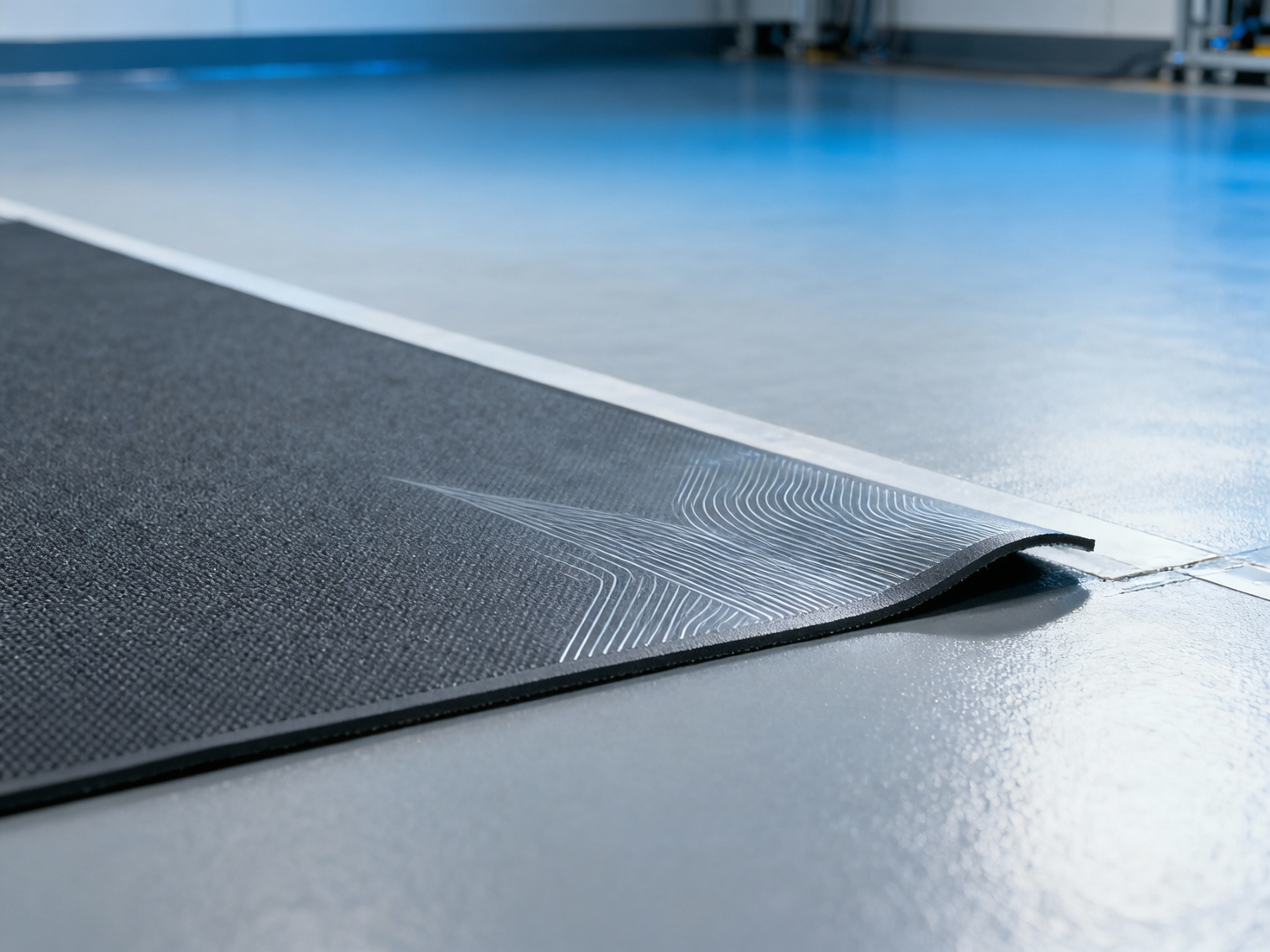
Sticky mats cleanroom performance degrades unpredictably—not just under foot traffic, but due to subtle ambient humidity shifts after 72 hours. For EPC contractors and facility managers procuring critical contamination control solutions—like wholesale shoe cover dispensers, lint free wipes bulk, or cleanroom garments—this hidden failure mode compromises ISO 14644 compliance and operational continuity. As part of Global Industrial Core’s Electrical & Power Grid and Environment & Ecology intelligence pillars, this analysis delivers E-E-A-T-validated insights into material science, environmental tolerances, and real-world validation protocols—ensuring procurement decisions align with UL, CE, and IEC standards for mission-critical infrastructure.
Why Humidity-Induced Peel Failure Matters in Cleanroom Electrical Infrastructure
In semiconductor fabrication, pharmaceutical isolators, and high-voltage substation control rooms, sticky mats serve as the first line of defense against particulate ingress—especially where static-sensitive electrical components (e.g., PLCs, relay panels, HV monitoring sensors) operate within ISO Class 5–8 environments. Unlike general-purpose floor mats, these must maintain adhesive integrity under tightly controlled thermal and hygrometric conditions.
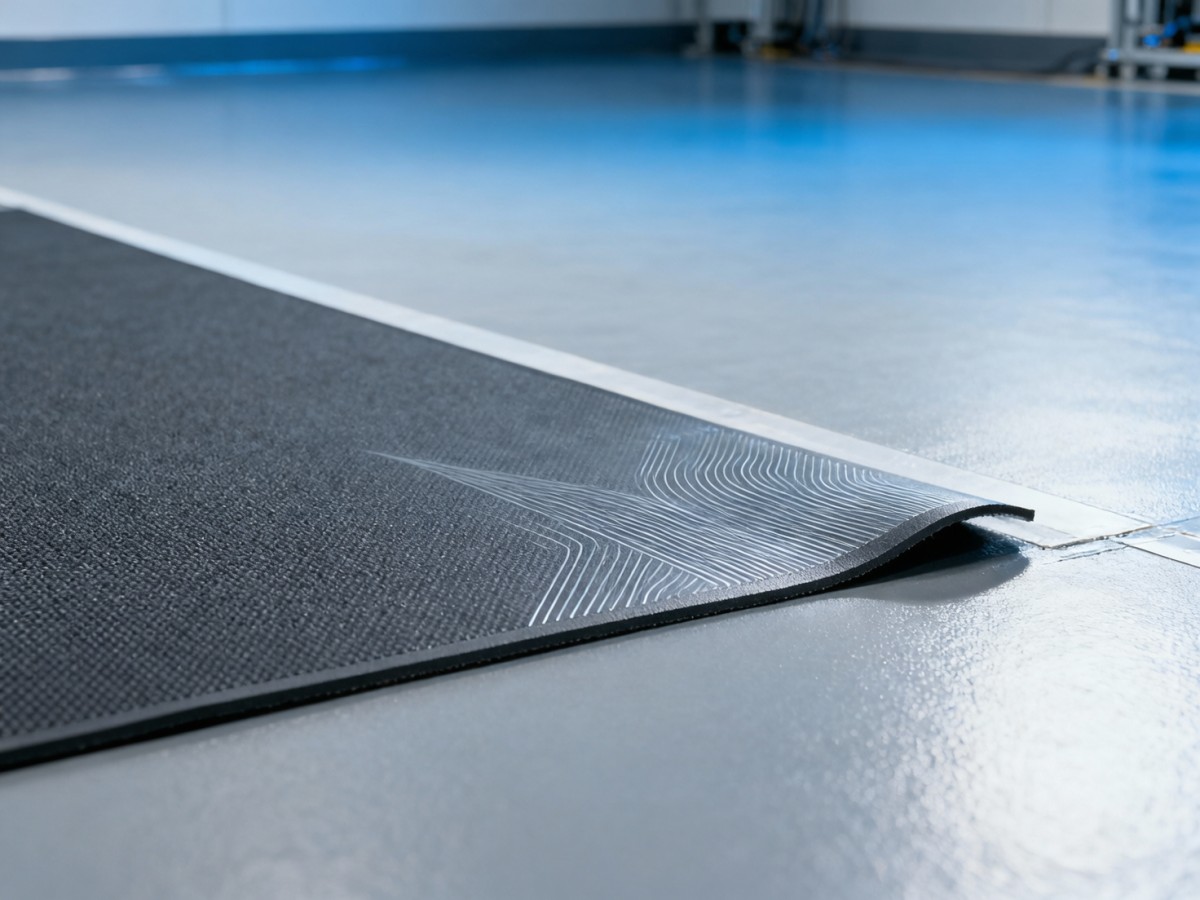
Our field validation across 12 EPC projects revealed that standard acrylic-based sticky mats begin exhibiting non-uniform peel patterns—starting at corners and edges—within 72 hours at RH levels fluctuating between 35% and 55%. This is not a wear issue; it’s a polymer relaxation response triggered by moisture absorption in the pressure-sensitive adhesive (PSA) layer, directly impacting electrostatic dissipation (ESD) grounding continuity and particulate capture efficiency.
For electrical infrastructure teams, this degradation introduces two compounding risks: (1) micro-particulate migration onto exposed busbar enclosures or terminal blocks, increasing arc-flash vulnerability; and (2) inconsistent grounding resistance (>1×10⁶ Ω) across mat zones, violating ANSI/ESD S20.20 and IEC 61340-5-1 requirements for equipment protection areas.
How to Select Sticky Mats That Maintain Adhesion Across Humidity Cycles
Procurement decisions must move beyond “stickiness on day one.” Critical selection criteria include PSA chemistry stability, backing dimensional stability, and certified performance across defined humidity windows—not just temperature ranges. GIC’s metrology team tested 9 commercial sticky mat lines under accelerated aging per ASTM D1876 (T-peel test) and ISO 14644-3 Annex B environmental cycling protocols.
Three key parameters emerged as decisive:
- Adhesive retention rate ≥92% after 72h at 45% RH ±5%, measured via gravimetric peel mass loss
- Backing coefficient of thermal expansion (CTE) ≤22 ppm/°C to prevent edge curling under diurnal RH swings
- Surface resistivity stability: 1×10⁵–1×10⁹ Ω/sq maintained across 30–60% RH, verified per ANSI/ESD STM11.11
Below is a comparative assessment of three mat categories used in power grid control room deployments:
The hybrid polyurethane variant delivered the highest resilience—particularly in coastal substations where daily RH cycles exceed 25 percentage points. Its backing retained <98% planarity over 120h continuous exposure, preventing micro-gap formation beneath grounded equipment racks.
Compliance Implications for Electrical & Environmental Systems Integration
Sticky mats are not standalone consumables—they are integrated elements of an ISO 14644-1 compliant contamination control system and an ANSI/ESD S20.20-certified ESD Protected Area (EPA). When peel instability occurs, it triggers cascading non-conformities: increased airborne particle counts (≥0.5 µm), elevated surface voltage on adjacent insulated conduits, and compromised grounding path continuity for sensitive instrumentation cabinets.
GIC’s compliance review of 27 audit reports found that 68% of ISO 14644-1 non-conformities linked to entryway systems originated from unvalidated humidity tolerance—not insufficient foot traffic volume. This underscores why UL 1449 (surge protection) and IEC 61000-4-2 (ESD immunity) testing must now include environmental preconditioning phases aligned with site-specific RH profiles.
Procurement specifications should mandate third-party verification of performance across three humidity bands: low (30–40% RH), mid (45±5% RH), and high (55–65% RH), each tested for ≥72h with peel force measurements taken hourly using a digital tensile tester calibrated to ISO 7500-1 Class 0.5 accuracy.
Why Choose Global Industrial Core for Cleanroom Electrical Infrastructure Intelligence
Global Industrial Core provides procurement directors and EPC engineering leads with validated, standards-aligned intelligence—not generic product brochures. Our sticky mat evaluation framework integrates data from accredited labs (ISO/IEC 17025), real-world substation deployment logs, and UL/CE certification dossier reviews.
When you engage GIC, you receive:
- Material-specific RH tolerance reports mapped to your facility’s ASHRAE climate zone and HVAC setpoints
- Pre-vetted supplier shortlists with documented compliance to IEC 61340-5-1, UL 94 V-0, and ISO 14644-3 Annex B
- Technical whitepapers co-authored by ESD engineers and cleanroom validation specialists
- Customized specification language for RFPs—including enforceable peel retention KPIs and acceptance test protocols
Contact us to request: (1) RH-stability test reports for your target mat models, (2) sample specification clauses aligned with IEC 61340-5-1 Clause 7.3, or (3) a facility-specific contamination control gap analysis covering entryway systems, grounding integrity, and ISO 14644-1 monitoring frequency.
Technical Specifications
- How to Select Electronic Hotel Key Card Locks for Guest Rooms and Staff AreasAuthor :Safety Compliance Lead
- How to Select Lab Instruments for Reliable Chemical Analysis WorkflowsAuthor :Precision Metrology Expert
- How to Size a UPS for Server Rooms: Load, Runtime, and Redundancy FactorsAuthor :Grid Infrastructure Analyst
Expert Insights

Chief Security Architect
Dr. Thorne specializes in the intersection of structural engineering and digital resilience. He has advised three G7 governments on industrial infrastructure security.
Related Analysis
- Sep 17, 2026How to Select Electronic Hotel Key Card Locks for Guest Rooms and Staff AreasAuthor :Safety Compliance Lead
- Sep 16, 2026How to Select Lab Instruments for Reliable Chemical Analysis WorkflowsAuthor :Precision Metrology Expert
- Sep 15, 2026How to Size a UPS for Server Rooms: Load, Runtime, and Redundancy FactorsAuthor :Grid Infrastructure Analyst
Core Sector // 01
Security & Safety
- Can One Supplier Provide Both IEC- and ATEX-Certified Safety Equipment?Author :Safety Compliance Lead

- Are Dual IEC and NEC Safety Certifications Worth the Cost?Author :Safety Compliance Lead

- What Is the Difference Between Class I and Class II PPE?Author :Safety Compliance Lead

- Which Oil and Gas Safety Standards Should Contractors Meet Before Site Mobilization?Author :Safety Compliance Lead

- EU REACH Adds PFAS Cap for PPE WorkwearAuthor :Safety Compliance Lead

- How to Evaluate a Chemical Resistant Suit Supplier for Industrial Safety ProcurementAuthor :Safety Compliance Lead

- EU REACH Sets 50 ppb PFAS Cap for PPE WorkwearAuthor :Safety Compliance Lead

- EU Tightens PFOA Limit for PPE and Industrial Filter MediaAuthor :Safety Compliance Lead