Is a low Security & Safety price worth the hidden tradeoffs
Author
Date Published
Reading Time
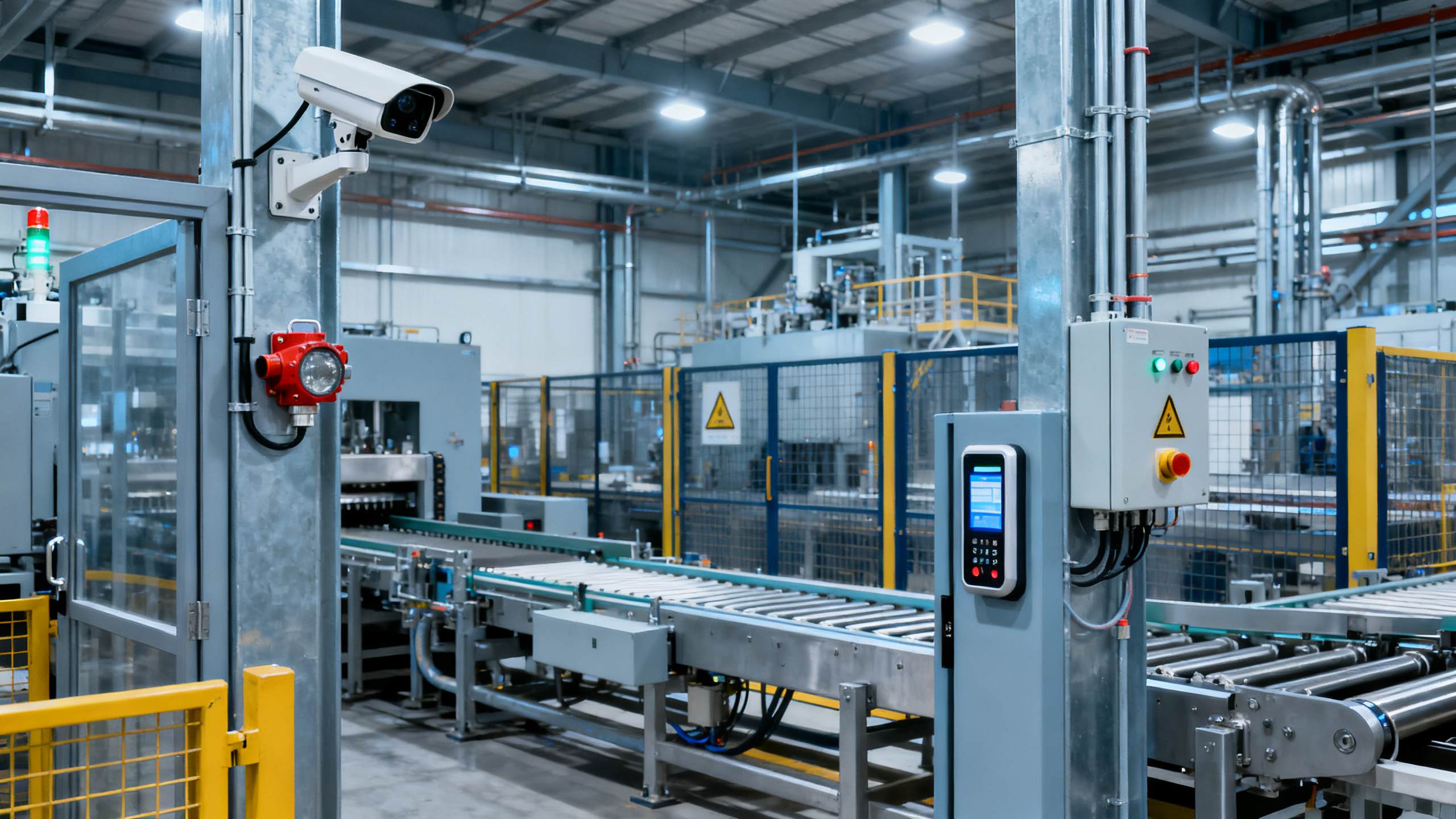
A low Security & Safety price can reduce upfront spend, yet industrial decisions rarely end at the purchase order.
In complex facilities, the true cost often emerges through downtime, failed audits, false alarms, weak durability, and unsafe operating conditions.
That is why evaluating Security & Safety price demands more than comparing unit quotes.
It requires a lifecycle view covering compliance, reliability, maintenance, training, integration, and risk exposure.
Across industrial infrastructure, low-cost choices can be reasonable in some cases, but dangerous in critical applications.
The key is knowing where price efficiency supports performance and where it silently erodes resilience.
Understanding what Security & Safety price really includes
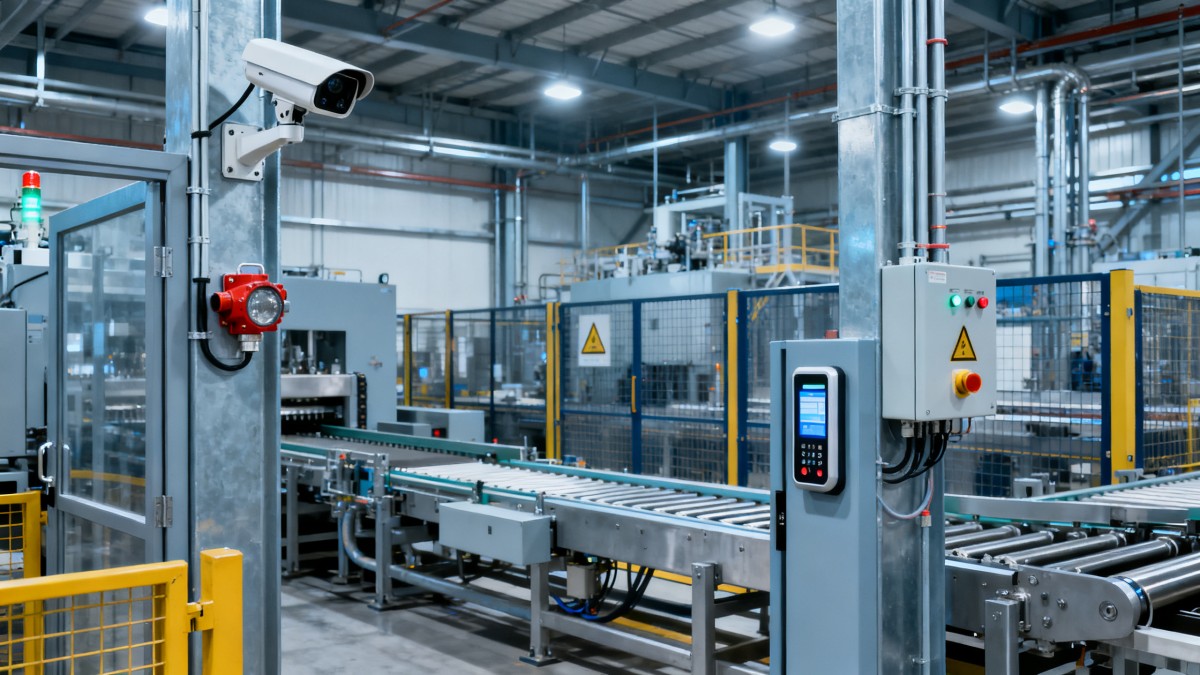
The term Security & Safety price often appears simple, but industrial procurement structures are rarely simple.
A quote may cover hardware only, while essential items remain outside the listed figure.
These hidden items commonly include commissioning, calibration, software licenses, compliance documentation, replacement parts, and staff training.
For safety barriers, detectors, access systems, and industrial surveillance, the listed Security & Safety price may also exclude environmental hardening.
That matters in dusty plants, corrosive sites, outdoor substations, and high-vibration production zones.
A low quote can therefore reflect reduced scope rather than genuine cost efficiency.
The safer interpretation is total installed cost plus total operational risk.
Core cost layers behind a quoted price
- Product acquisition and accessory bundles
- Site installation, integration, and testing
- Certification support and audit readiness
- Maintenance intervals and spare parts
- Software updates and cybersecurity support
- Failure consequences and business interruption risk
Why the market focuses on low Security & Safety price
Budget pressure is one obvious driver, but it is not the only one.
Global projects often face commodity volatility, long lead times, and capital allocation constraints.
In that environment, a lower Security & Safety price can appear to protect margins and improve bid competitiveness.
However, industrial systems now operate under tighter compliance expectations and stronger reliability demands.
As a result, price-only buying has become less defensible for critical infrastructure.
The industry focus has shifted from cheapest acceptable item to safest defensible investment.
Hidden tradeoffs behind a low Security & Safety price
The most important hidden tradeoff is performance uncertainty under real operating stress.
A device may function in demonstrations, yet fail under sustained industrial workloads.
This gap between lab conditions and field conditions defines many low-price disappointments.
Common risks tied to very low pricing
- Incomplete certification records or unverifiable test results
- Lower material quality and shorter service life
- Higher false alarm rates or sensing inaccuracies
- Limited interoperability with legacy or enterprise systems
- Weak vendor support during failures or inspections
- Longer recovery time after incidents
The second tradeoff is maintenance intensity.
A low Security & Safety price can shift cost from purchase to service hours, troubleshooting, and frequent replacement cycles.
The third tradeoff is organizational confidence.
When documentation is thin and support is inconsistent, internal approvals, audits, and incident reviews become harder to defend.
Business value of evaluating Security & Safety price through lifecycle cost
Lifecycle thinking does not mean buying the most expensive option.
It means balancing acquisition cost with reliability, compliance continuity, and operational resilience.
This approach creates measurable value in both routine operations and abnormal events.
- Lower interruption risk protects production schedules and service commitments.
- Stronger compliance evidence reduces audit friction and rework.
- Stable system performance improves safety integrity and site confidence.
- Longer service life reduces replacement frequency and waste.
- Better vendor support shortens diagnosis and restoration time.
When Security & Safety price is reviewed this way, the lowest initial quote often stops being the lowest real cost.
Typical industrial scenarios where price sensitivity should be handled differently
Not all applications deserve the same tolerance for low-cost substitution.
The correct decision depends on criticality, exposure, environment, and consequence of failure.
This classification helps interpret Security & Safety price in context instead of isolation.
Practical evaluation methods before accepting a low Security & Safety price
A disciplined review process can reveal whether a low price reflects efficiency or hidden weakness.
Several checks are especially useful in industrial sourcing decisions.
Recommended review checklist
- Confirm scope line by line, including accessories and software
- Verify CE, UL, ISO, and site-specific compliance records
- Request environmental and endurance test evidence
- Assess interoperability with current control or monitoring systems
- Review spare parts lead time and local technical support
- Estimate failure cost, not just replacement cost
- Run a pilot in realistic operating conditions
One useful method is weighted scoring.
Assign value to compliance, uptime, integration, maintainability, support, and Security & Safety price.
This prevents one attractive number from overpowering mission-critical variables.
A balanced path forward for safer and smarter cost control
A low Security & Safety price is not automatically a poor choice.
It becomes a poor choice when the savings depend on reduced compliance, weaker reliability, or fragile support.
For non-critical or temporary applications, lower-cost options may be justified after structured verification.
For critical infrastructure, the priority should remain defensible performance across the full lifecycle.
The most resilient strategy is to compare Security & Safety price with consequence, not price with price alone.
Start by mapping each application to its risk level, compliance burden, and service environment.
Then request evidence, test assumptions, and calculate total ownership cost before final approval.
That process supports safer operations, stronger audit readiness, and more durable value from every industrial investment.
Technical Specifications
- How to Select Electronic Hotel Key Card Locks for Guest Rooms and Staff AreasAuthor :Safety Compliance Lead
- How to Select Lab Instruments for Reliable Chemical Analysis WorkflowsAuthor :Precision Metrology Expert
- How to Size a UPS for Server Rooms: Load, Runtime, and Redundancy FactorsAuthor :Grid Infrastructure Analyst
Expert Insights

Chief Security Architect
Dr. Thorne specializes in the intersection of structural engineering and digital resilience. He has advised three G7 governments on industrial infrastructure security.
Related Analysis
- Sep 17, 2026How to Select Electronic Hotel Key Card Locks for Guest Rooms and Staff AreasAuthor :Safety Compliance Lead
- Sep 16, 2026How to Select Lab Instruments for Reliable Chemical Analysis WorkflowsAuthor :Precision Metrology Expert
- Sep 15, 2026How to Size a UPS for Server Rooms: Load, Runtime, and Redundancy FactorsAuthor :Grid Infrastructure Analyst
Core Sector // 01
Security & Safety
- Can One Supplier Provide Both IEC- and ATEX-Certified Safety Equipment?Author :Safety Compliance Lead

- Are Dual IEC and NEC Safety Certifications Worth the Cost?Author :Safety Compliance Lead

- What Is the Difference Between Class I and Class II PPE?Author :Safety Compliance Lead

- Which Oil and Gas Safety Standards Should Contractors Meet Before Site Mobilization?Author :Safety Compliance Lead

- EU REACH Adds PFAS Cap for PPE WorkwearAuthor :Safety Compliance Lead

- How to Evaluate a Chemical Resistant Suit Supplier for Industrial Safety ProcurementAuthor :Safety Compliance Lead

- EU REACH Sets 50 ppb PFAS Cap for PPE WorkwearAuthor :Safety Compliance Lead

- EU Tightens PFOA Limit for PPE and Industrial Filter MediaAuthor :Safety Compliance Lead