A security & safety supplier should do more than ship fast
Author
Date Published
Reading Time
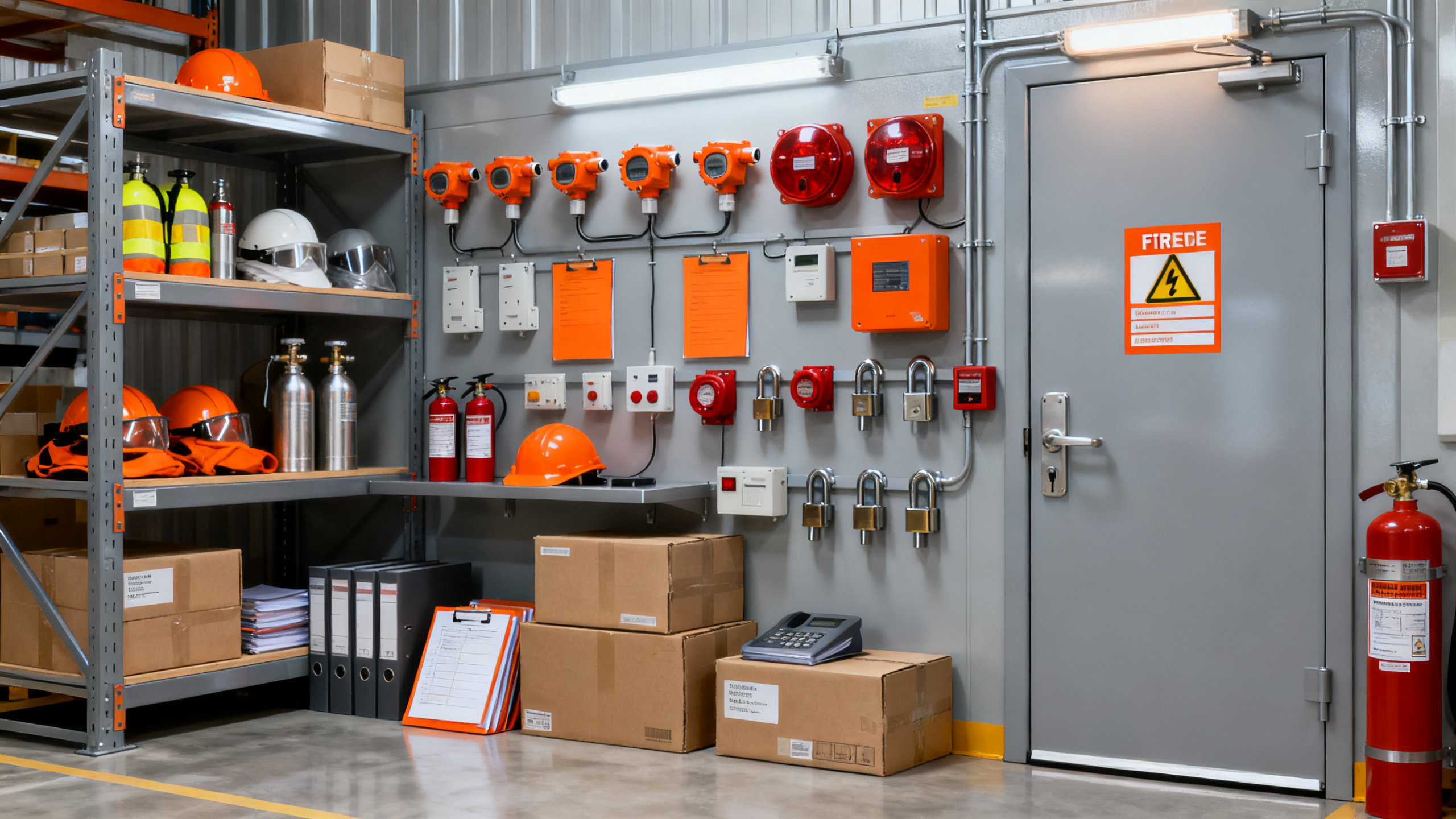
A Security & Safety supplier should do more than ship fast. In critical operations, delivery speed is only one variable in a much larger risk equation.
When facilities depend on alarms, PPE, detectors, locks, fire systems, and emergency devices, product failure can stop production, trigger penalties, or endanger lives.
That is why a qualified Security & Safety supplier must combine responsive logistics with compliance evidence, technical support, traceability, and durable supply chain control.
Across industrial, infrastructure, utilities, logistics, and commercial environments, buyers increasingly evaluate total operational assurance rather than simple shipment speed.
What a Security & Safety supplier really provides
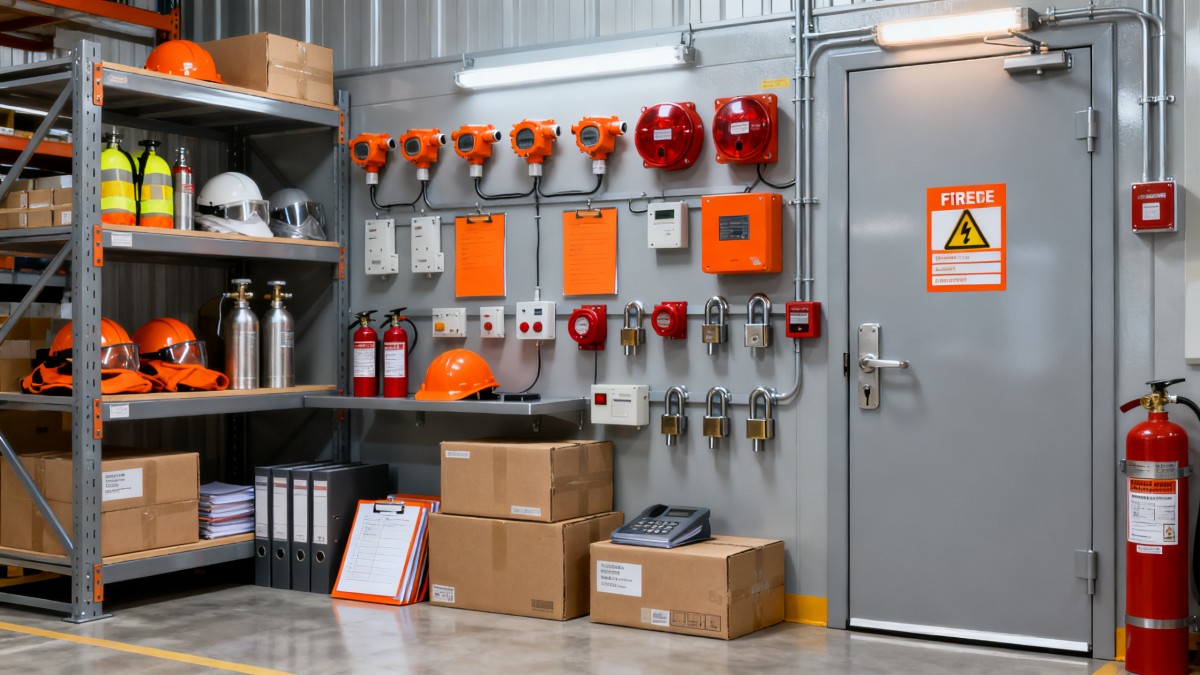
A Security & Safety supplier supports the systems that protect people, assets, processes, and sites from preventable harm and operational disruption.
This role often includes sourcing, documentation, conformity review, product matching, replacement planning, and post-delivery technical coordination.
In practice, the best Security & Safety supplier is not only a seller of products. It is a risk-control partner within the wider industrial value chain.
Typical supply categories may include:
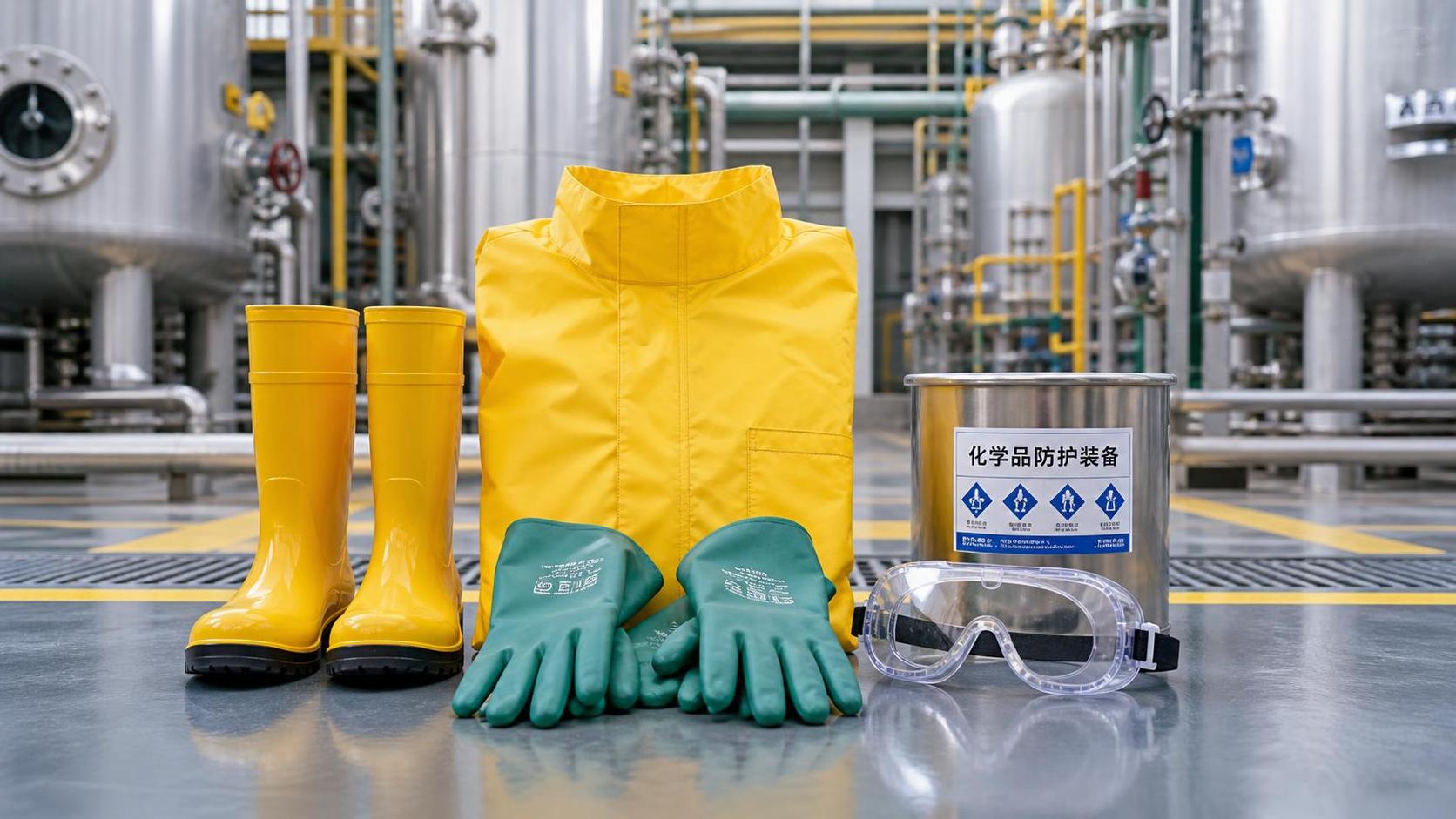
- Personal protective equipment and visibility gear
- Fire detection, suppression, and emergency response devices
- Access control, locking, perimeter, and surveillance hardware
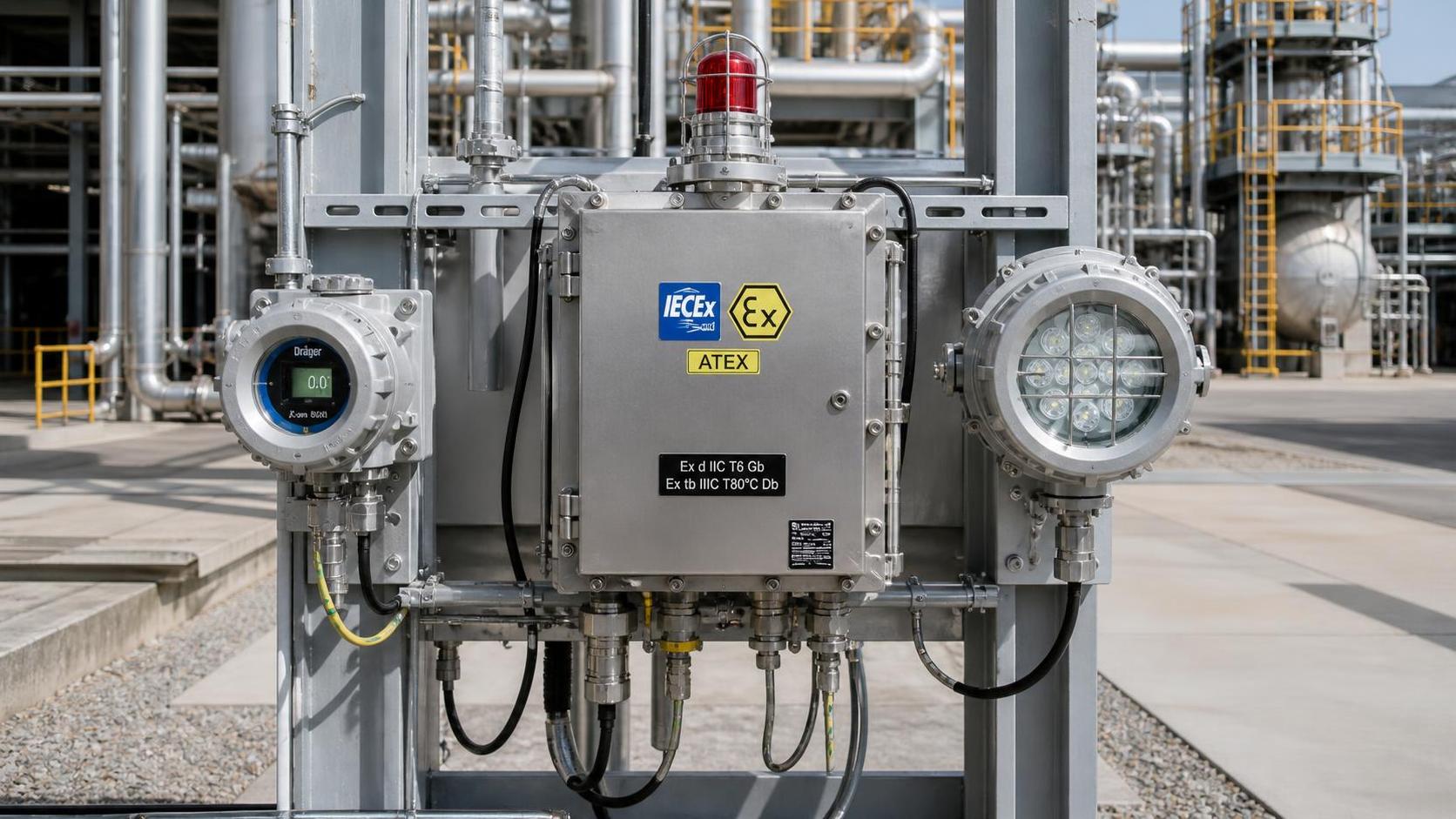
- Gas detection, alarms, warning systems, and monitoring instruments
- Signage, barriers, rescue tools, and site safety consumables
Fast shipping has value, especially during shutdowns or emergency replacement events. Yet speed without specification accuracy can multiply downstream cost.
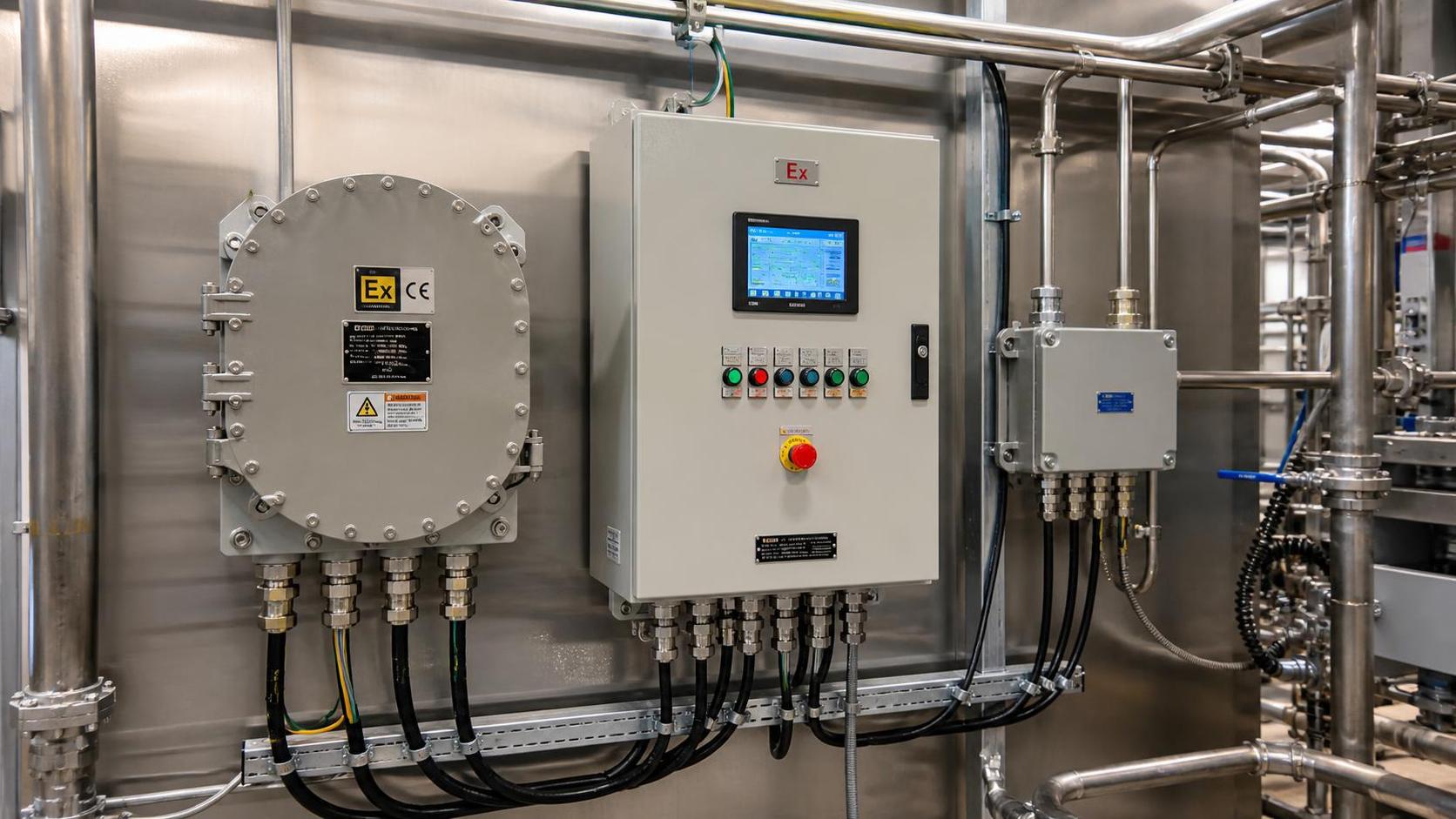
A wrong enclosure rating, unsuitable certification, or poor material choice may create rework, failed audits, unsafe operation, or insurance complications.
Why the market now expects more than logistics
Industrial and institutional environments have changed. Compliance obligations are stricter, audits are deeper, and supply chain visibility is under greater scrutiny.
A Security & Safety supplier is now judged on whether it can protect continuity, support certification, and reduce exposure across multi-site operations.
Several signals explain this shift:
This is especially true in projects where one weak component can compromise a larger system, such as plant safety loops, emergency response infrastructure, or secure access points.
Core capabilities that distinguish a reliable Security & Safety supplier
A dependable Security & Safety supplier demonstrates competence before, during, and after shipment. Logistics is only one layer of that capability stack.
Verified compliance and documentation
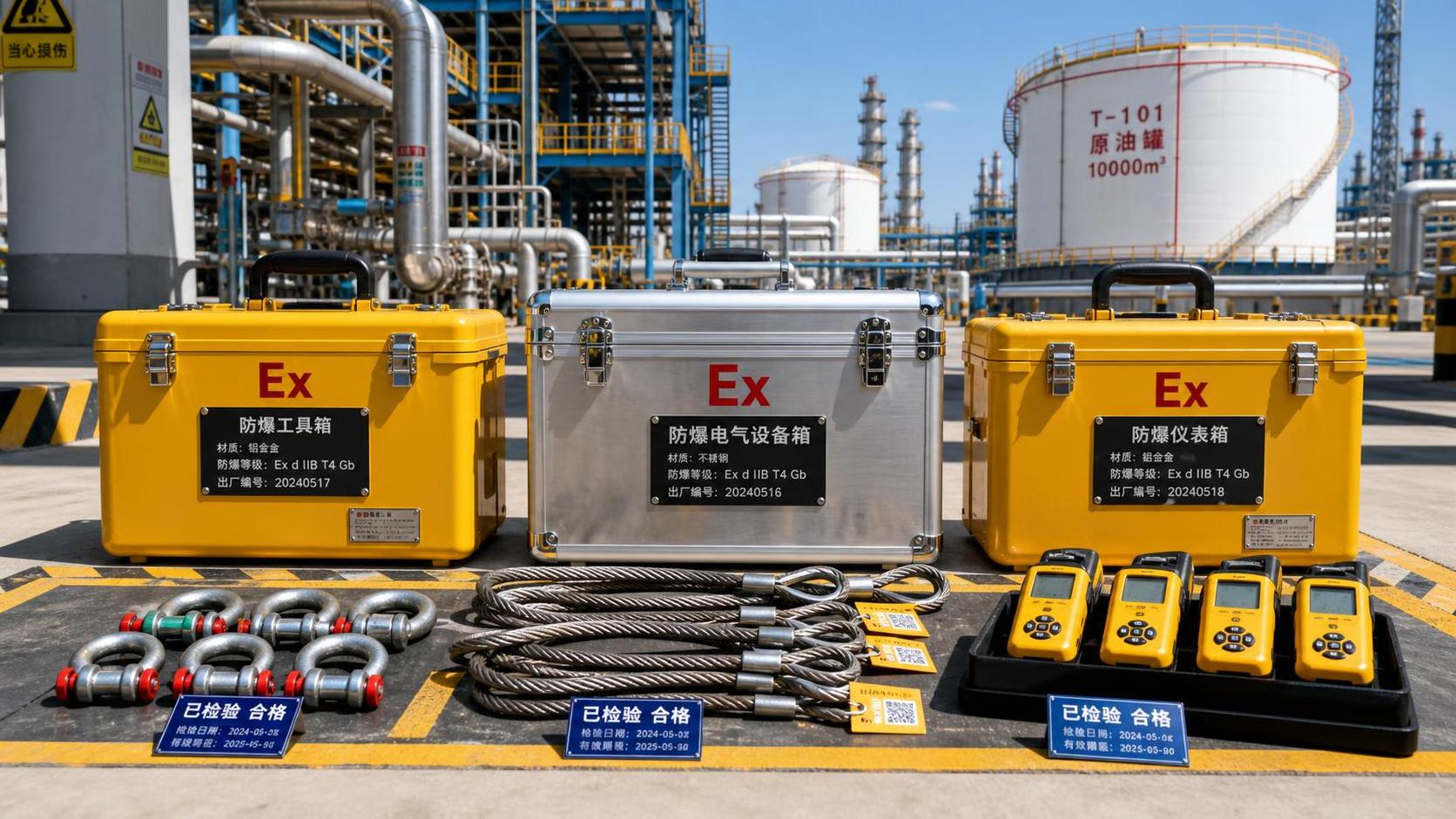
Documentation should be complete, current, and easy to validate. This includes certificates, test reports, datasheets, manuals, and traceable batch information.
A Security & Safety supplier should also clarify where approvals apply and where local regulatory review is still required.
Specification accuracy
Correct selection depends on environment, exposure, duty cycle, compatibility, ingress protection, temperature range, and installation constraints.
Fast shipment of an unsuitable item is not service. It is a hidden delay.
Supply continuity and substitution control
A capable Security & Safety supplier plans for shortages, approved alternates, lot consistency, and replenishment stability across recurring orders.
Technical responsiveness
Questions around fit, standard references, installation conditions, and replacement intervals require technically informed answers, not generic sales replies.
After-delivery accountability
Returns, deviations, damage claims, and field performance issues should follow a defined corrective process with clear response timelines.
Operational value across different environments
The value of a strong Security & Safety supplier appears most clearly when operations become complex, regulated, or exposed to harsh conditions.
In each case, the Security & Safety supplier influences not only procurement success, but also audit readiness, insurance defensibility, and operational confidence.
Common risk areas when supplier evaluation is too narrow
Selecting a Security & Safety supplier by price and shipping speed alone often creates avoidable exposure.
- Missing or expired certifications delay site acceptance
- Inconsistent product batches affect installation and maintenance
- Poor packaging or transport control damages sensitive equipment
- Unapproved substitutions create compliance gaps
- Limited technical support slows troubleshooting and deployment
These issues rarely appear in headline unit cost. They emerge later as delay cost, labor waste, documentation gaps, or operational risk.
Practical evaluation criteria for a Security & Safety supplier
A more effective review framework combines technical, logistical, and governance factors. The following checklist supports stronger qualification decisions.
- Confirm product certifications, revision dates, and standard scope.
- Review datasheet completeness and installation suitability.
- Check lot traceability and country-of-origin transparency.
- Assess substitution policy and approval workflow.
- Validate lead time reliability, not only quoted speed.
- Examine packaging, storage, and handling controls.
- Test response quality for technical and after-sales questions.
- Review long-term availability for spare parts and repeat orders.
A qualified Security & Safety supplier should meet these expectations consistently, not only during urgent quotation cycles.
How stronger supplier alignment improves long-term resilience
Better supplier selection creates measurable business value. It reduces emergency sourcing, lowers mismatch rates, and improves planning accuracy across maintenance cycles.
It also supports standardization across regions, which simplifies training, stocking, documentation, and inspection routines.
For organizations managing critical environments, a trusted Security & Safety supplier becomes part of the resilience architecture behind safe and continuous operations.
That is where firms such as Global Industrial Core add value through disciplined technical review, sourcing intelligence, and standards-focused industrial insight.
Next steps for a more dependable sourcing approach
Start by identifying high-risk categories where failure, delay, or non-compliance would have the greatest operational impact.
Then compare each current Security & Safety supplier against documentation quality, technical accuracy, delivery consistency, and corrective support performance.
Where gaps appear, build approved alternatives, define substitution rules, and standardize evidence requirements before the next urgent order arises.
Fast shipping still matters. But in serious operations, the right Security & Safety supplier delivers assurance, not just cartons.
Technical Specifications
- How to Select Electronic Hotel Key Card Locks for Guest Rooms and Staff AreasAuthor :Safety Compliance Lead
- How to Select Lab Instruments for Reliable Chemical Analysis WorkflowsAuthor :Precision Metrology Expert
- How to Size a UPS for Server Rooms: Load, Runtime, and Redundancy FactorsAuthor :Grid Infrastructure Analyst
Expert Insights

Chief Security Architect
Dr. Thorne specializes in the intersection of structural engineering and digital resilience. He has advised three G7 governments on industrial infrastructure security.
Related Analysis
- Sep 17, 2026How to Select Electronic Hotel Key Card Locks for Guest Rooms and Staff AreasAuthor :Safety Compliance Lead
- Sep 16, 2026How to Select Lab Instruments for Reliable Chemical Analysis WorkflowsAuthor :Precision Metrology Expert
- Sep 15, 2026How to Size a UPS for Server Rooms: Load, Runtime, and Redundancy FactorsAuthor :Grid Infrastructure Analyst
Core Sector // 01
Security & Safety
- Can One Supplier Provide Both IEC- and ATEX-Certified Safety Equipment?Author :Safety Compliance Lead

- Are Dual IEC and NEC Safety Certifications Worth the Cost?Author :Safety Compliance Lead

- What Is the Difference Between Class I and Class II PPE?Author :Safety Compliance Lead

- Which Oil and Gas Safety Standards Should Contractors Meet Before Site Mobilization?Author :Safety Compliance Lead

- EU REACH Adds PFAS Cap for PPE WorkwearAuthor :Safety Compliance Lead

- How to Evaluate a Chemical Resistant Suit Supplier for Industrial Safety ProcurementAuthor :Safety Compliance Lead

- EU REACH Sets 50 ppb PFAS Cap for PPE WorkwearAuthor :Safety Compliance Lead

- EU Tightens PFOA Limit for PPE and Industrial Filter MediaAuthor :Safety Compliance Lead