JinkoSolar Secures 500MW Tiger Neo 3.0 Order in Korea
Author
Date Published
Reading Time
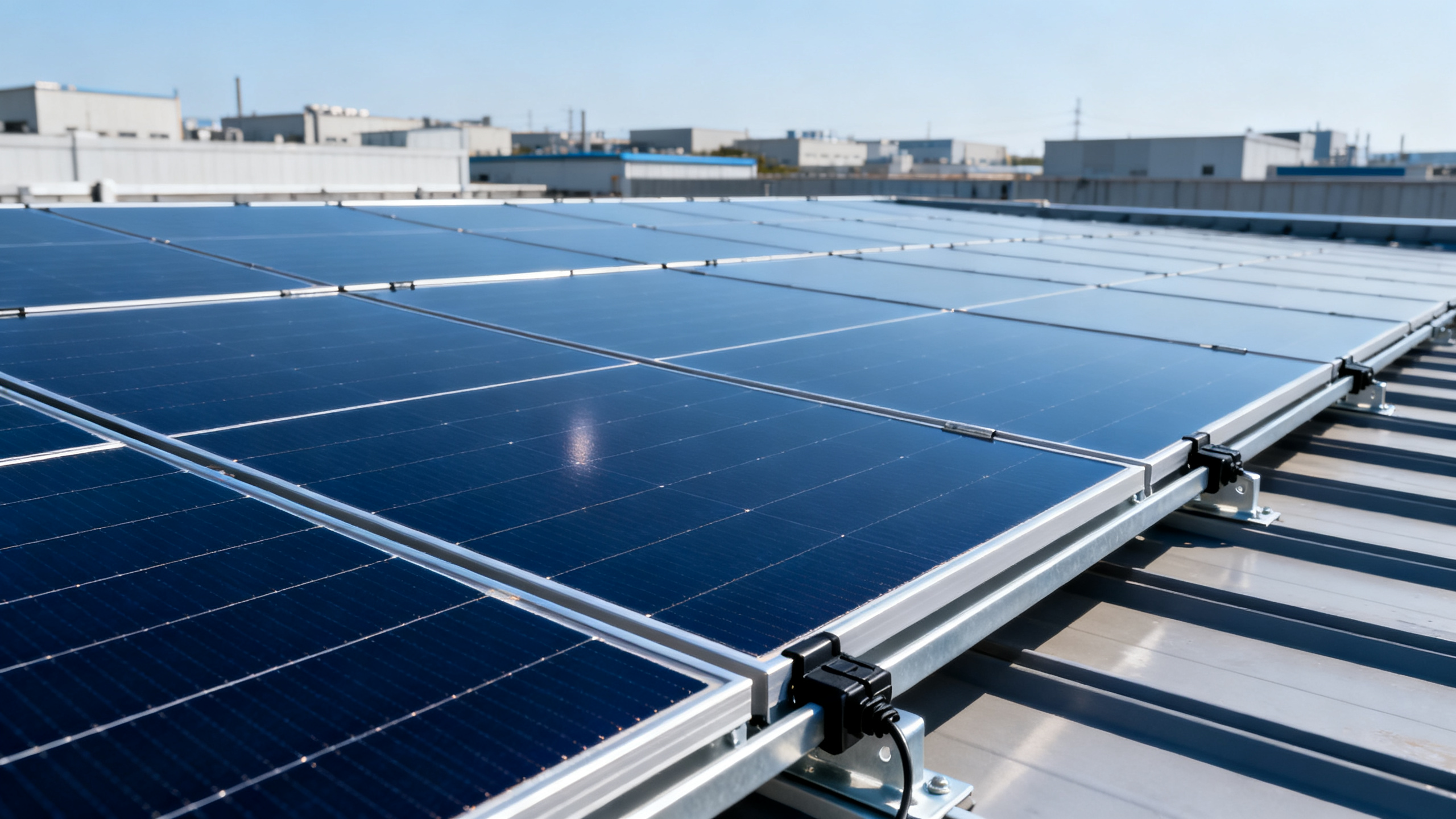
On May 22, 2026, JinkoSolar announced a 500MW order for its Tiger Neo 3.0 high-efficiency PV modules destined for commercial, industrial, and residential distributed solar projects in South Korea. This development signals growing traction for Chinese PV components in overseas distributed markets—and concurrently intensifies demand for complementary safety, protection, and power management equipment among downstream installers and EPCs. Stakeholders in personal protective equipment (PPE), industrial optics, circuit protection, smart metering infrastructure, and air filtration systems should monitor supply chain developments closely.
Event Overview
On May 22, 2026, JinkoSolar confirmed a 500MW module supply agreement with a South Korean distributor. All modules are Tiger Neo 3.0 n-type TOPCon products, designated exclusively for commercial, industrial, and residential distributed photovoltaic installations. The order has triggered increased procurement activity for supporting hardware—including arc-flash-rated PPE, infrared thermal imagers, breakers and relays, transformers and switchgears (including smart meter boxes), and air purifiers and dust filtration modules. South Korean distributors are actively engaging secondary-tier Chinese suppliers to fill these ancillary product gaps.
Impact on Specific Subsectors
Direct Trade Enterprises
Export-oriented trading firms specializing in electrical safety gear or power distribution components may face rising inbound inquiries from Korean channel partners. Impact manifests as accelerated quotation cycles, tighter delivery windows, and heightened scrutiny of certification compliance (e.g., KOSHA, KC Mark, IEC 61482 for arc-flash PPE).
Component Manufacturing Firms (Mid-Tier Suppliers)
Chinese manufacturers outside the top tier—particularly those producing infrared thermal cameras, molded-case circuit breakers, low-voltage switchgear enclosures, or modular air filtration units—are experiencing intensified outreach from Korean intermediaries. Impact centers on validation timelines: buyers are prioritizing suppliers with existing KC or UL certifications and documented field performance in distributed solar environments.
Distribution & Channel Operators
Korean distributors handling PV balance-of-system (BOS) products are adjusting inventory strategies toward bundled kits (e.g., PPE + thermal imager + breaker sets) rather than standalone SKUs. Impact includes revised logistics planning, expanded technical support capacity, and pressure to align warranty terms across multiple component categories.
Supply Chain Service Providers
Third-party testing labs, certification consultants, and customs brokers with expertise in KC Mark registration and Korean import documentation are seeing elevated demand—especially for expedited certification pathways covering dual-use applications (e.g., industrial thermal imagers deployed in rooftop PV commissioning).
What Relevant Companies or Practitioners Should Monitor and Do
Track official KC certification updates and distributor qualification criteria
South Korean importers are increasingly requiring pre-validated KC compliance—not just self-declared conformity—for PPE and electrical protection devices. Companies should verify whether their current certifications cover specific application contexts (e.g., arc-flash protection level 2 in rooftop PV maintenance).
Focus on integrated solution readiness—not just individual SKUs
Korean distributors are requesting compatibility documentation across device categories (e.g., breaker trip curves aligned with inverter anti-islanding response time; thermal camera emissivity presets calibrated for PV module surface temperatures). Preparing cross-product technical notes increases quoting efficiency.
Distinguish between policy signals and near-term procurement behavior
While Korea’s Renewable Energy 3020 Plan and recent grid interconnection rule revisions support distributed solar growth, this order reflects actual channel-driven demand—not regulatory mandate. Prioritize responsiveness to distributor RFQs over long-term policy forecasting.
Prepare for compressed lead times and localized documentation support
Initial orders are being fulfilled under tight schedules. Suppliers should confirm availability of Korean-language user manuals, KC test reports, and bilingual packaging labels before engagement—and assess internal capacity for rapid translation and documentation turnaround.
Editorial Perspective / Industry Observation
Observably, this order functions less as an isolated transaction and more as a market validation signal: it confirms that Korean distributed solar adopters are moving beyond module-only sourcing toward full BOS integration—and are turning to China not only for core PV components but also for adjacent, certified industrial-grade accessories. Analysis shows that the emphasis lies in speed-to-market and supply chain agility, not cost alone. From an industry perspective, this is better understood as an early-stage inflection in cross-border BOS procurement behavior—not yet a structural shift, but one warranting sustained attention as follow-on tenders emerge in Q3–Q4 2026.
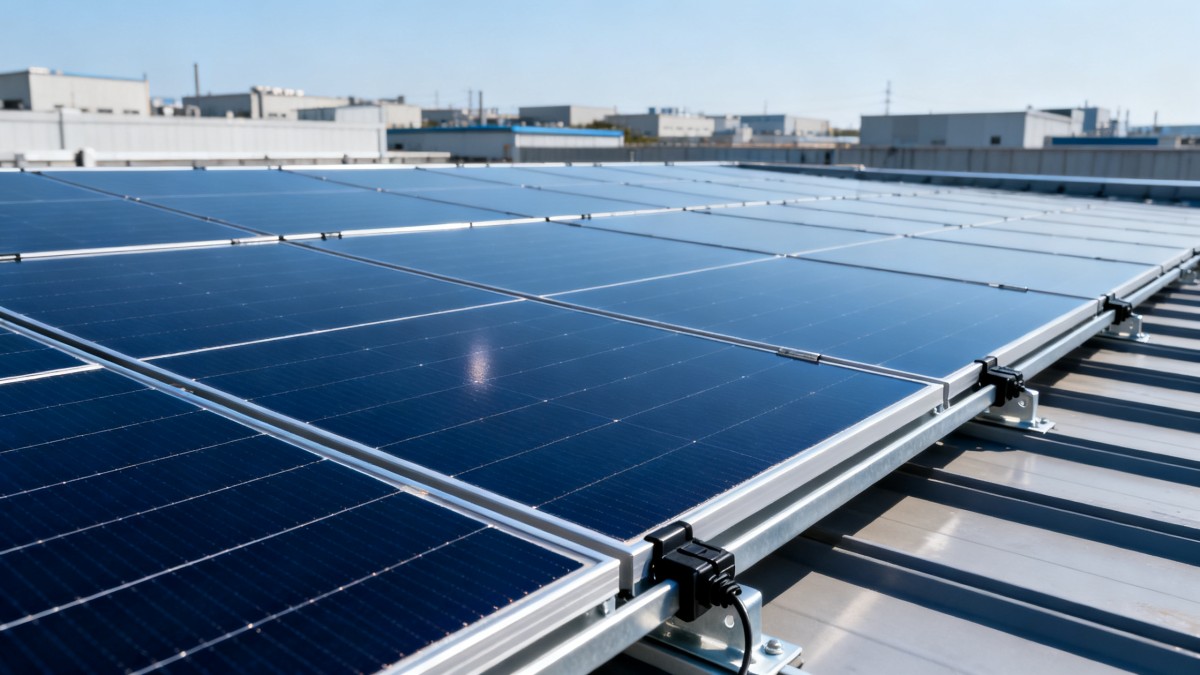
Conclusion: This announcement reflects a concrete step in the internationalization of Chinese PV ecosystem capabilities—extending beyond cells and modules into certified, application-specific support equipment. It does not indicate broad market penetration yet, but does confirm that Korean channel players are actively stress-testing non-module supply chains. For stakeholders, the most rational interpretation is cautious operational readiness—not strategic repositioning.
Source: JinkoSolar official announcement (May 22, 2026). Note: Ongoing observation is required regarding actual shipment volumes, KC certification status of referenced ancillary products, and whether additional orders follow in H2 2026.
Technical Specifications
- How to Select Electronic Hotel Key Card Locks for Guest Rooms and Staff AreasAuthor :Safety Compliance Lead
- How to Select Lab Instruments for Reliable Chemical Analysis WorkflowsAuthor :Precision Metrology Expert
- How to Size a UPS for Server Rooms: Load, Runtime, and Redundancy FactorsAuthor :Grid Infrastructure Analyst
Expert Insights

Chief Security Architect
Dr. Thorne specializes in the intersection of structural engineering and digital resilience. He has advised three G7 governments on industrial infrastructure security.
Related Analysis
- Sep 17, 2026How to Select Electronic Hotel Key Card Locks for Guest Rooms and Staff AreasAuthor :Safety Compliance Lead
- Sep 16, 2026How to Select Lab Instruments for Reliable Chemical Analysis WorkflowsAuthor :Precision Metrology Expert
- Sep 15, 2026How to Size a UPS for Server Rooms: Load, Runtime, and Redundancy FactorsAuthor :Grid Infrastructure Analyst
Core Sector // 01
Security & Safety
- Can One Supplier Provide Both IEC- and ATEX-Certified Safety Equipment?Author :Safety Compliance Lead

- Are Dual IEC and NEC Safety Certifications Worth the Cost?Author :Safety Compliance Lead

- What Is the Difference Between Class I and Class II PPE?Author :Safety Compliance Lead

- Which Oil and Gas Safety Standards Should Contractors Meet Before Site Mobilization?Author :Safety Compliance Lead

- EU REACH Adds PFAS Cap for PPE WorkwearAuthor :Safety Compliance Lead

- How to Evaluate a Chemical Resistant Suit Supplier for Industrial Safety ProcurementAuthor :Safety Compliance Lead

- EU REACH Sets 50 ppb PFAS Cap for PPE WorkwearAuthor :Safety Compliance Lead

- EU Tightens PFOA Limit for PPE and Industrial Filter MediaAuthor :Safety Compliance Lead