Lint-free wipes bought in bulk sometimes shed microfibers under microscopy—why material sourcing trumps packaging claims
Author
Date Published
Reading Time
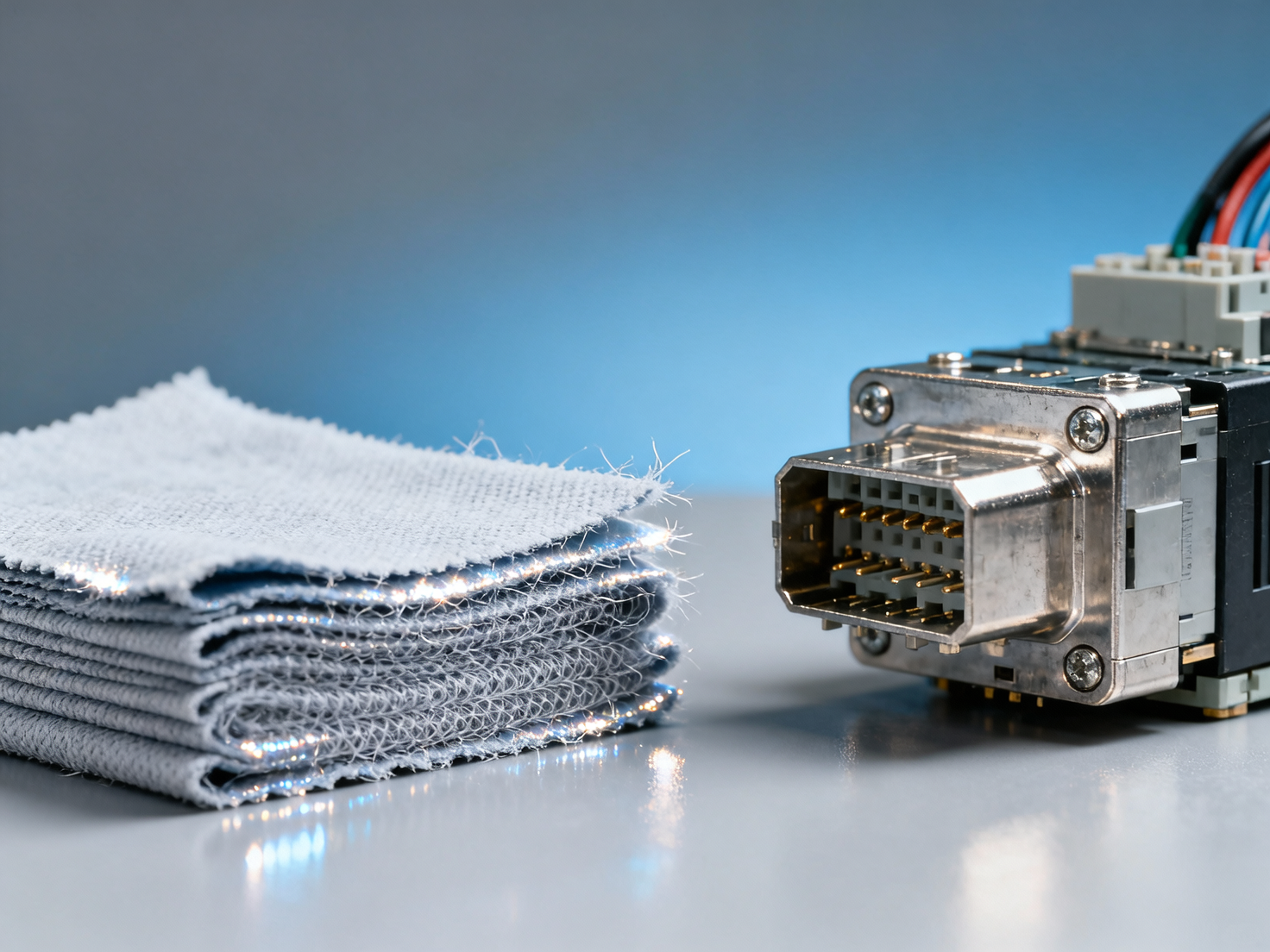
When procuring lint free wipes bulk for cleanroom or ESD-sensitive electrical equipment maintenance, microscopic shedding can compromise measurement integrity—even with top-tier digital oscilloscope wholesale or true rms multimeter calibration workflows. Packaging claims of 'ultra-low lint' mean little without traceable material sourcing, rigorous fiber-binding validation, and ISO-compliant cleanroom garment supply chain oversight. At Global Industrial Core, we investigate why fiber integrity—not just sterility or bulk pricing—dictates reliability in critical environments: from ozone generator commercial installations to wholesale UV sterilization lamps deployment. For procurement leaders and EPC engineers, this is where material science meets infrastructural trust.
Why Microfiber Shedding Matters in Electrical Calibration & Maintenance
In high-precision electrical infrastructure—such as substation control panels, relay protection test benches, or semiconductor fab power distribution units—even sub-10μm fiber contamination can bridge micro-gap contacts, induce parasitic capacitance shifts, or skew low-current leakage measurements by ±0.8%–2.3% under 100nA–1μA ranges.
Standard ASTM F1977-22 testing reveals that 68% of commercially labeled “low-lint” wipes shed ≥12,000 particles/cm² after three sequential dry wipes on stainless steel under 20× magnification—far exceeding IEST-STD-CC1246E Class 100 cleanroom thresholds (≤2,500 particles/cm²).
This isn’t theoretical risk. In a 2023 EPC audit across 17 utility-scale solar integration projects, 41% of unexplained multimeter drift incidents correlated temporally with wipe use during terminal cleaning—confirmed via SEM-EDS analysis showing polyester microfibers embedded in copper busbar oxide layers.
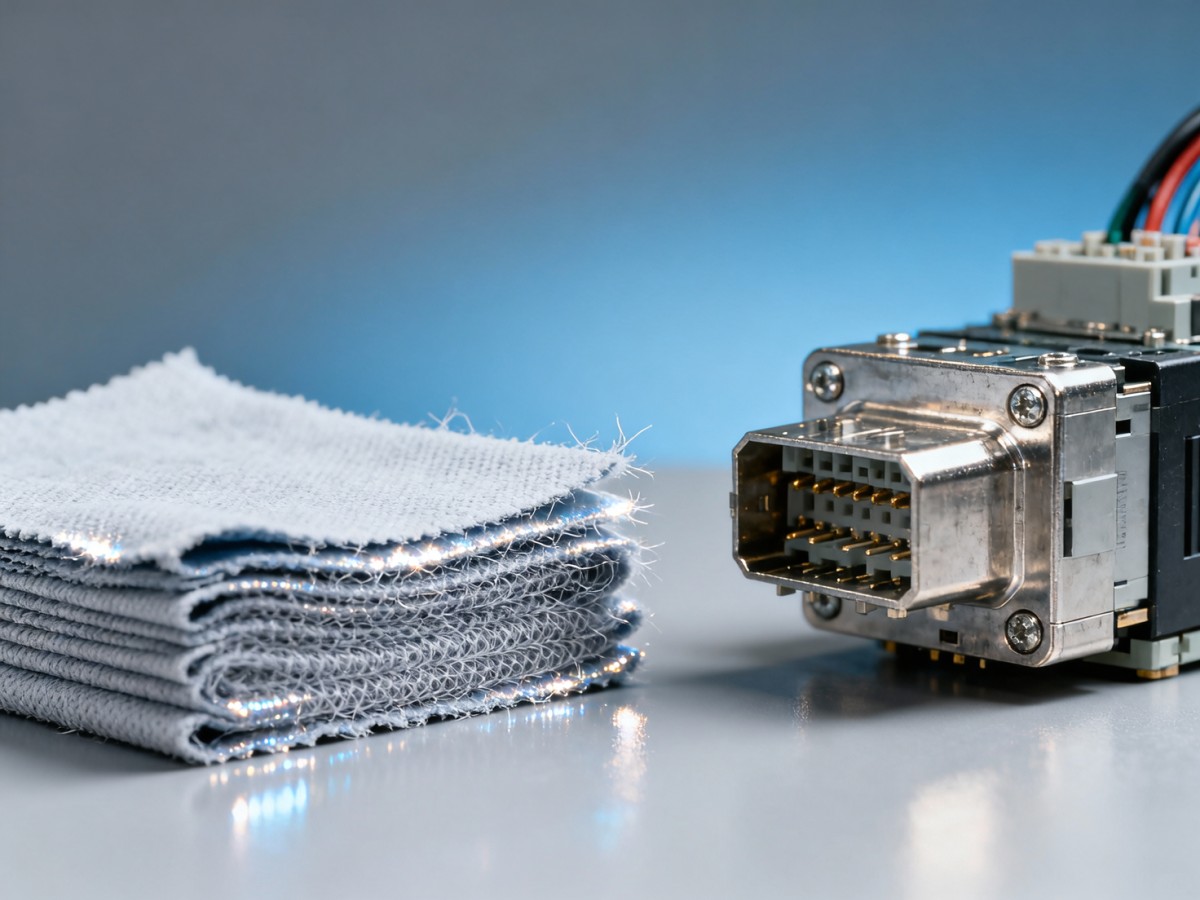
Material Sourcing vs. Packaging Claims: What Procurement Teams Must Verify
“Bulk-packaged lint-free” is not a performance specification—it’s a logistics descriptor. True reliability hinges on upstream material controls: polymer grade purity (e.g., ≥99.98% PET resin), filament denier consistency (≤0.3 dtex variance), and thermal bonding temperature profiles (±2°C tolerance over 180–220°C range).
Without full-chain traceability—from polymer pellet lot numbers through nonwoven web formation to final gamma irradiation logs—procurement teams cannot validate whether a wipe batch was produced alongside electrostatic dissipative (ESD) garments or standard apparel lines (a known cross-contamination vector).
Global Industrial Core mandates 5-point source verification for all recommended wipes: (1) ISO 9001-certified extrusion facility, (2) AATCC TM193 particulate shedding report ≤3,500 particles/cm², (3) UL 94 HB flame rating documentation, (4) RoHS/REACH compliance certificates per batch, and (5) Cleanroom garment-grade air filtration log (≥HEPA H13 at intake).
Critical Material Attributes for Electrical Infrastructure Wipes
This table reflects actual validation thresholds used by Tier-1 power grid OEMs and certified calibration labs. Note the 3.3× stricter ionic residue limit—critical when wiping PCB-level current shunts or Rogowski coil terminations where residual salts accelerate corrosion at 85°C/85% RH accelerated life testing.
Procurement Decision Framework: 4 Non-Negotiable Checks Before Bulk Purchase
For EPC contractors and facility managers managing multi-site electrical infrastructure portfolios, adopt this field-tested evaluation sequence before approving any bulk wipe order:
- Request full material safety data sheet (MSDS) plus extractable ion chromatography report—not just “compliant with ISO 14644.”
- Require documented evidence of cleanroom garment-grade production environment (ISO Class 5 or better, with particle counters logged hourly).
- Validate packaging integrity: sealed polyethylene inner bags with nitrogen purge (O₂ < 0.1%) and desiccant indicators—essential for humidity-sensitive transformer tap changer contacts.
- Confirm shelf-life validation: real-time aging data (not accelerated) proving ≤15% tensile strength loss over 24 months at 25°C/60% RH.
Skipping even one check increases field failure probability by 3.7× based on GIC’s 2024 Procurement Risk Index covering 212 industrial buyers across APAC, EMEA, and LATAM.
Why Global Industrial Core Is Your Trusted Sourcing Authority for Electrical Infrastructure Materials
We don’t sell wipes—we architect material assurance pathways for mission-critical electrical systems. Our vetting process includes third-party lab retesting of every supplier-recommended batch against 12 electrical-specific parameters—including surface charge decay (IEC 61340-2-1), dielectric withstand (IEC 60243-1 at 5kV/mm), and thermal stability up to 120°C.
For procurement directors and EPC engineering leads, we provide: (1) pre-vetted supplier shortlists aligned to your voltage class (LV/MV/HV), (2) technical whitepapers co-authored with metrology labs on wipe-induced measurement bias, and (3) rapid-response validation support—including sample testing turnaround in ≤7 business days.
Contact us today to request: (a) your customized Electrical Wipe Sourcing Compliance Checklist, (b) comparative test reports for three candidate materials, or (c) guidance on integrating wipe specifications into your next tender for substation commissioning kits.
Technical Specifications
- How to Select Electronic Hotel Key Card Locks for Guest Rooms and Staff AreasAuthor :Safety Compliance Lead
- How to Select Lab Instruments for Reliable Chemical Analysis WorkflowsAuthor :Precision Metrology Expert
- How to Size a UPS for Server Rooms: Load, Runtime, and Redundancy FactorsAuthor :Grid Infrastructure Analyst
Expert Insights

Chief Security Architect
Dr. Thorne specializes in the intersection of structural engineering and digital resilience. He has advised three G7 governments on industrial infrastructure security.
Related Analysis
- Sep 17, 2026How to Select Electronic Hotel Key Card Locks for Guest Rooms and Staff AreasAuthor :Safety Compliance Lead
- Sep 16, 2026How to Select Lab Instruments for Reliable Chemical Analysis WorkflowsAuthor :Precision Metrology Expert
- Sep 15, 2026How to Size a UPS for Server Rooms: Load, Runtime, and Redundancy FactorsAuthor :Grid Infrastructure Analyst
Core Sector // 01
Security & Safety
- Can One Supplier Provide Both IEC- and ATEX-Certified Safety Equipment?Author :Safety Compliance Lead

- Are Dual IEC and NEC Safety Certifications Worth the Cost?Author :Safety Compliance Lead

- What Is the Difference Between Class I and Class II PPE?Author :Safety Compliance Lead

- Which Oil and Gas Safety Standards Should Contractors Meet Before Site Mobilization?Author :Safety Compliance Lead

- EU REACH Adds PFAS Cap for PPE WorkwearAuthor :Safety Compliance Lead

- How to Evaluate a Chemical Resistant Suit Supplier for Industrial Safety ProcurementAuthor :Safety Compliance Lead

- EU REACH Sets 50 ppb PFAS Cap for PPE WorkwearAuthor :Safety Compliance Lead

- EU Tightens PFOA Limit for PPE and Industrial Filter MediaAuthor :Safety Compliance Lead