China Revises Steel Export Quotas Amid ASEAN Probes
Author
Date Published
Reading Time
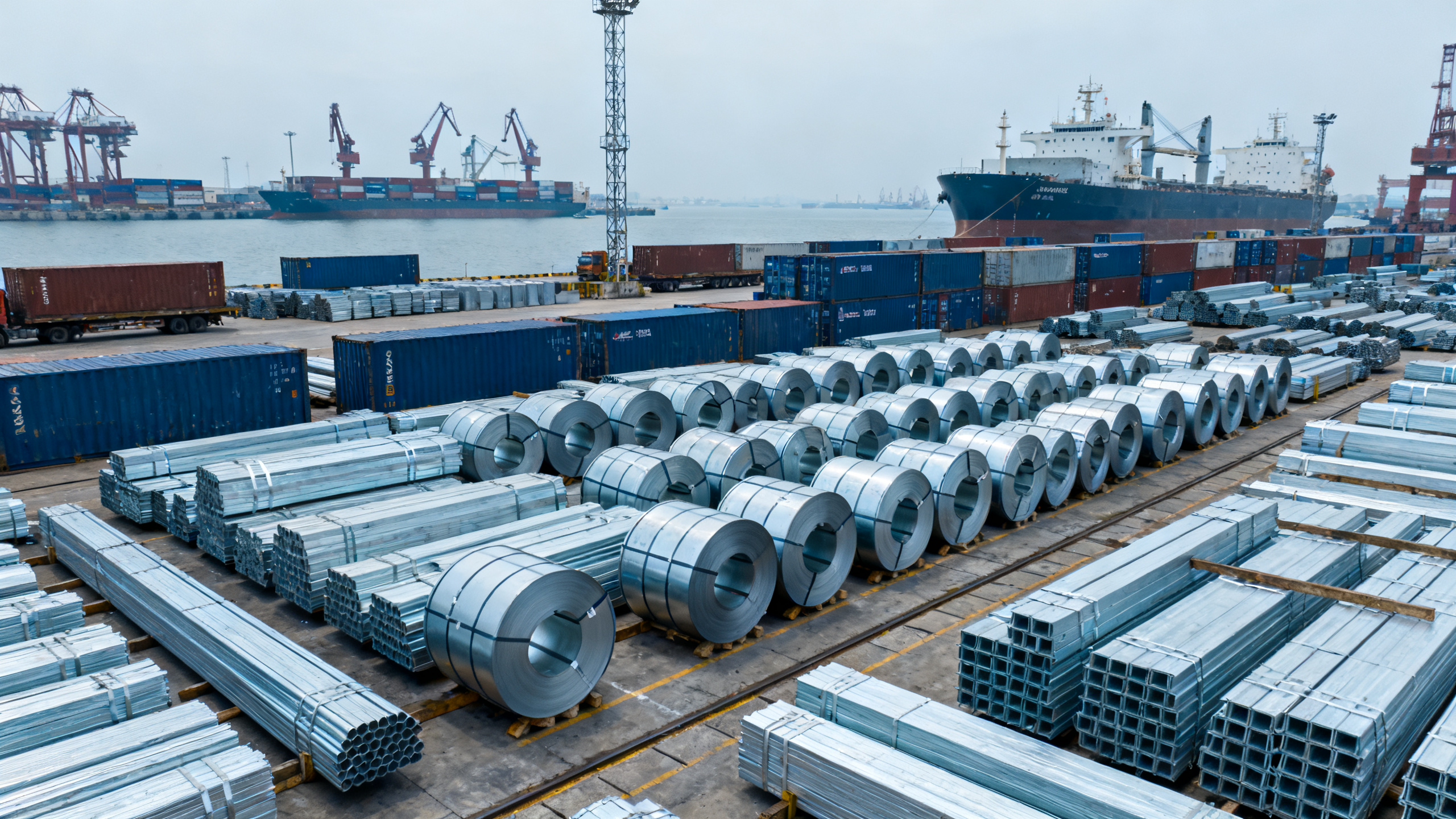
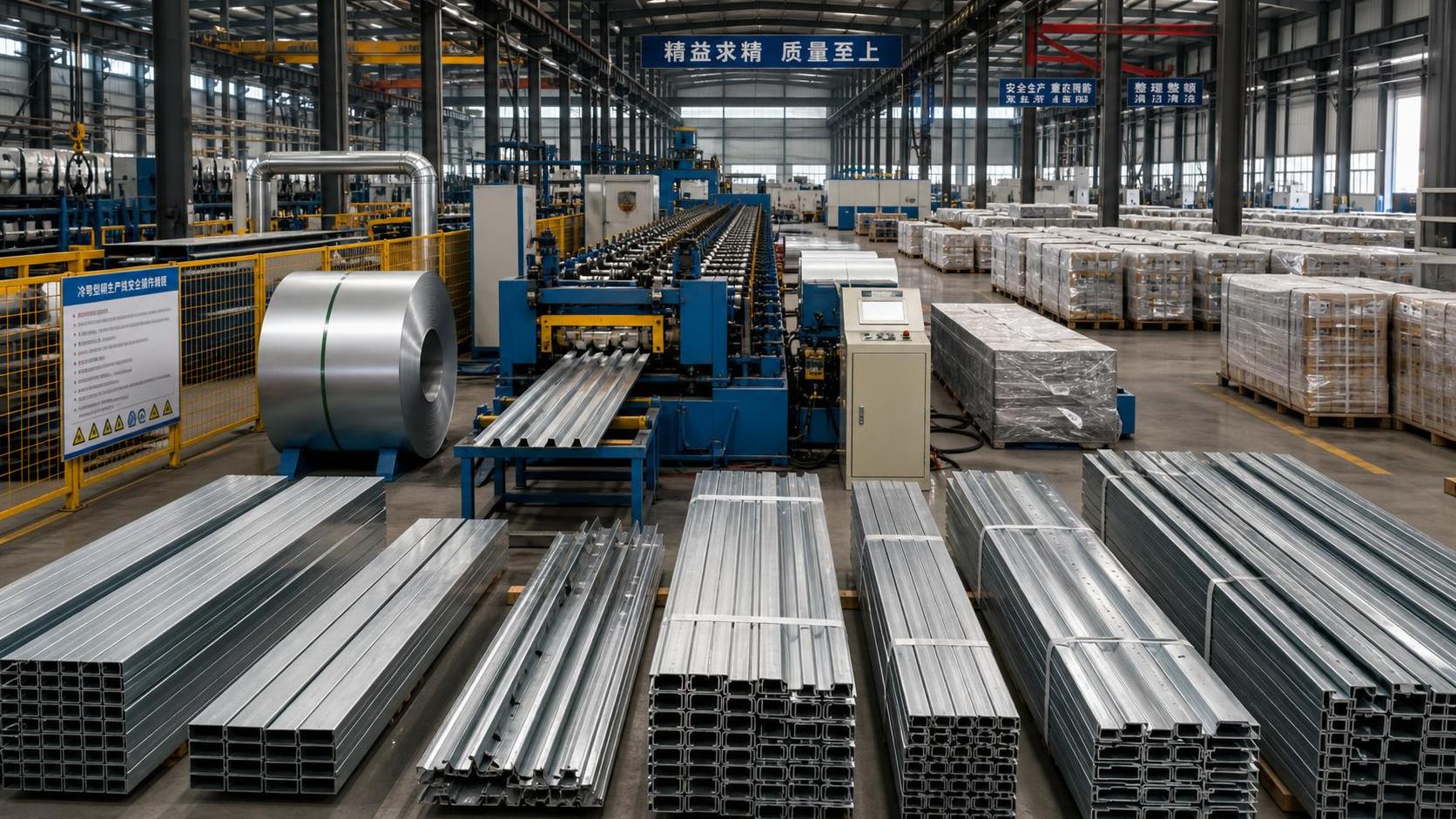
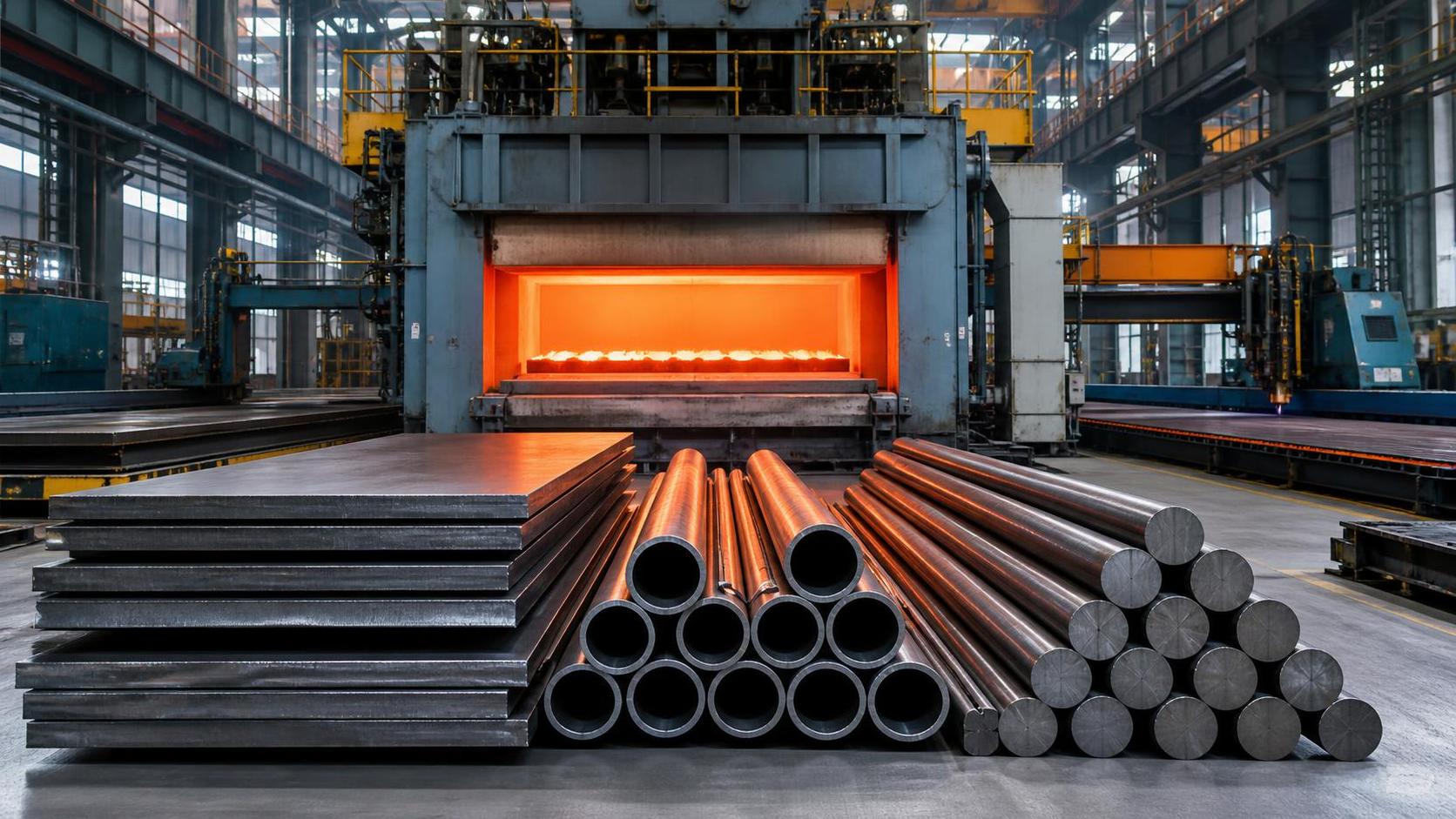
On 2026-07-05, China’s Ministry of Commerce announced revised steel export quota allocations for the second half of 2026, cutting quotas for hot-rolled coils and galvanized steel profiles by up to 18% for Q3 and Q4. For companies tied to cross-border steel trade, metal building components, and project-based procurement in ASEAN markets, the update matters because it links trade administration directly to ongoing anti-dumping investigations in Vietnam, Thailand, and Indonesia, while also pointing to potential delivery delays for buyers that remain dependent on Chinese supply.
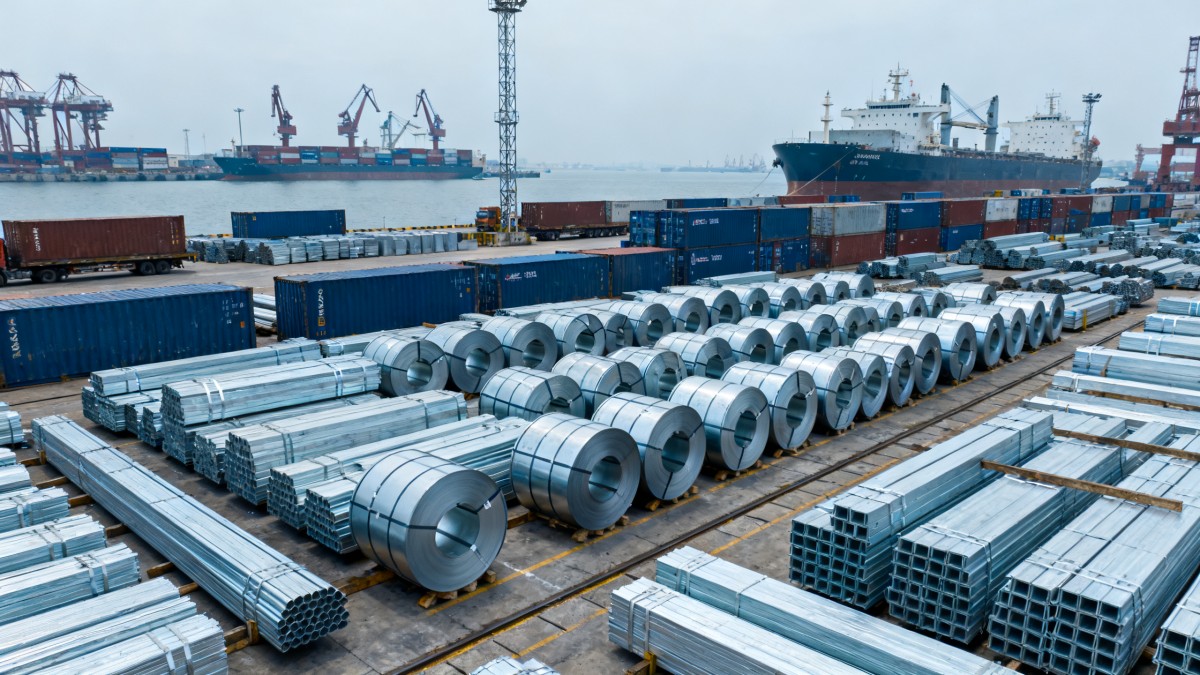
What the announced quota revision confirms
The confirmed facts are limited but commercially relevant. China’s Ministry of Commerce said on 2026-07-05 that export quota allocations for certain steel products were revised. The affected categories include hot-rolled coils and galvanized steel profiles, and the reduction may reach as much as 18% during Q3–Q4 2026. The announcement cited ongoing anti-dumping investigations in Vietnam, Thailand, and Indonesia. Based on the information provided, ASEAN buyers relying on Chinese supply may face lead-time extensions of around 4 to 6 weeks for structural steel profiles and metal building components.
Where the pressure may show up first in the supply chain
Cross-border steel traders may face tighter allocation management
From an industry perspective, traders handling hot-rolled coils and galvanized steel profiles may be affected first because quota revisions directly influence what can be allocated for export in the relevant period. The practical impact may show up in offer validity, shipment scheduling, and customer confirmation cycles, especially for business connected to Vietnam, Thailand, and Indonesia.
Manufacturers using steel profiles may see delivery risk move upstream
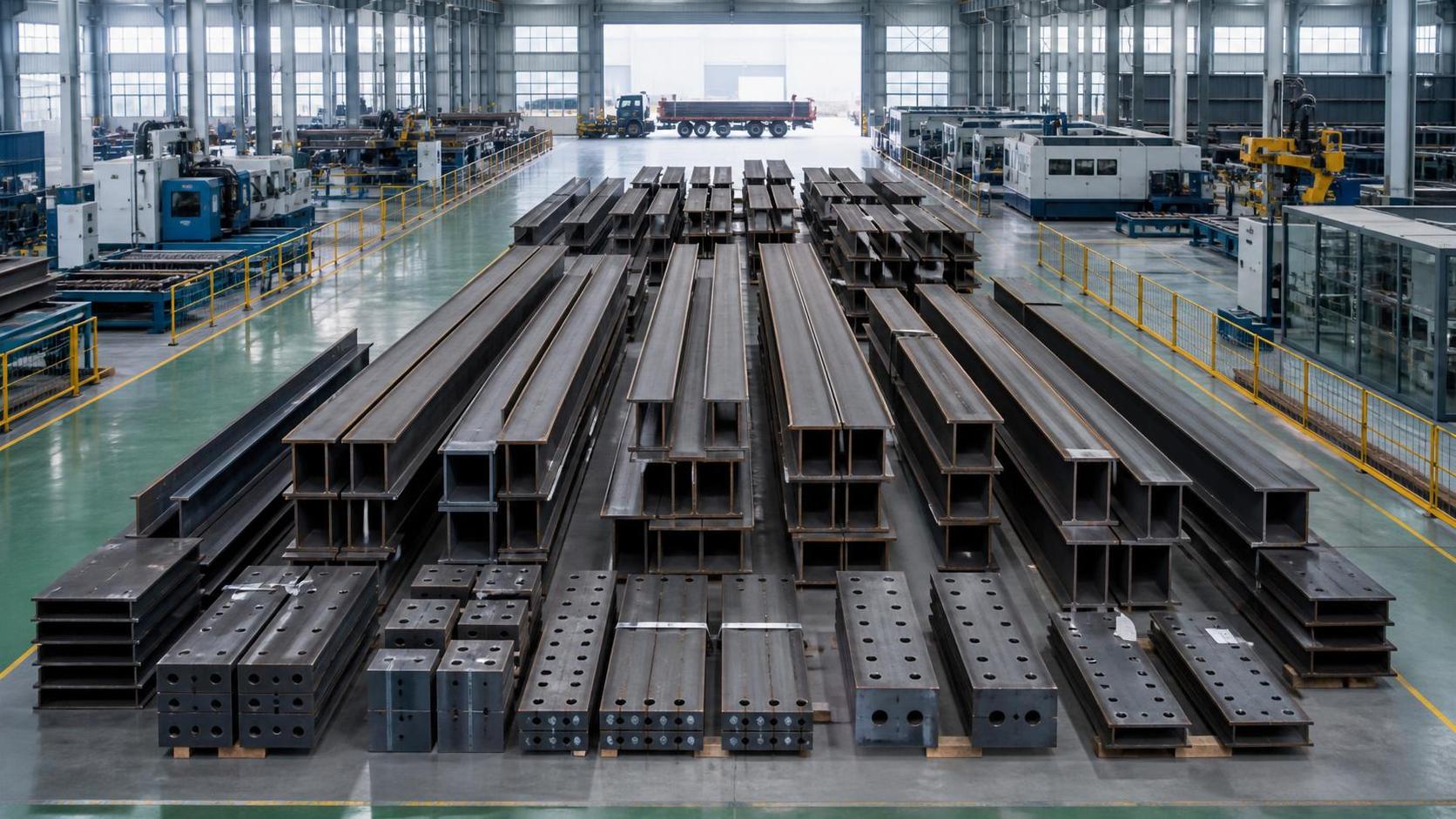
Analysis shows that manufacturers sourcing structural steel profiles or metal building components from China for ASEAN delivery may need to pay closer attention to production and dispatch timing. Where procurement plans were built around existing Chinese lead times, a 4 to 6 week extension could affect factory sequencing, component availability, and downstream handover timing.
Procurement teams in ASEAN markets may need sharper visibility on supply dependence
Buyers in ASEAN that rely heavily on Chinese supply may feel the effect not only through delayed delivery but also through reduced planning certainty. What deserves closer attention is whether the affected product mix overlaps with active purchase orders, framework buying arrangements, or near-term replenishment needs tied to Q3–Q4 execution.
Logistics and supply chain service providers may face schedule adjustments
Observably, service providers involved in booking, coordination, and delivery planning may need to respond to changing shipment windows rather than to a simple volume drop. Even without additional confirmed data on freight impact, longer product lead times alone can alter documentation timing, cargo consolidation plans, and customer communication schedules.
What companies should monitor now
Watch for any further official wording or allocation detail
Businesses should distinguish between the confirmed headline adjustment and any later clarification on implementation. The current information confirms revised allocations and product categories, but companies still need to monitor whether any additional official language changes how quotas are applied across the remainder of 2026.
Check exposure by product and destination market
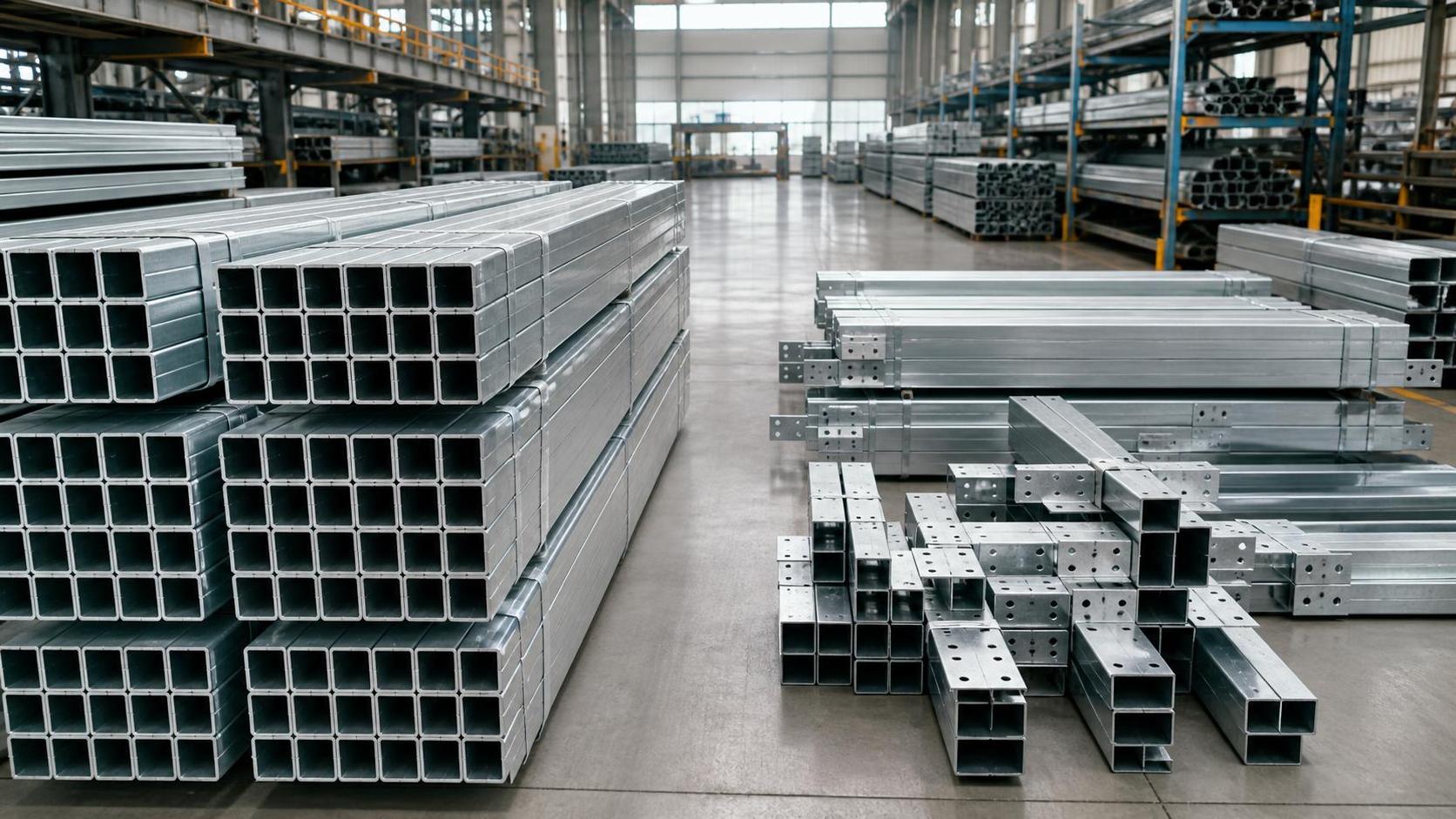
The most immediate practical review is product-specific and market-specific. Companies with exposure to hot-rolled coils, galvanized steel profiles, structural steel profiles, and metal building components should compare those lines against sales, procurement, and delivery commitments connected to Vietnam, Thailand, and Indonesia.
Separate policy signal from actual order execution risk
Analysis shows that a quota revision does not automatically describe the exact outcome for every contract or shipment. Companies should therefore focus on where the policy signal becomes an execution issue: confirmed allocation access, supplier confirmation, document readiness, and the feasibility of promised delivery dates during Q3–Q4 2026.
Prepare communication and scheduling contingencies
For teams already managing ASEAN orders, the practical response is less about broad strategy and more about execution discipline. Supplier qualification records, shipment documentation readiness, contract milestones, and customer lead-time communication may all require earlier review where Chinese supply remains central to fulfillment.
Why this looks more like a monitored signal than a final market conclusion
Observably, this development should not yet be read as a complete reordering of the regional steel market based on the information provided. It is more appropriate to understand this as a targeted and time-sensitive signal: quota controls have been revised, anti-dumping probes are ongoing in three ASEAN markets, and lead-time pressure may follow for buyers dependent on Chinese exports. The industry significance lies in the linkage between regulatory scrutiny and export administration, but the eventual commercial effect still depends on how allocation limits translate into actual transaction flow over Q3–Q4 2026.
How the market should frame this update
The current update matters because it highlights a near-term constraint in specific steel categories while also pointing to a broader need for closer risk tracking in ASEAN-facing supply chains. A neutral reading is the most appropriate one at this stage: the change is concrete enough to affect planning for some market participants, but it remains a development that requires continued observation rather than a fully settled market outcome.
Basis of this article and points for further verification
This article is based on the user-provided news title, event date, and event summary concerning revised Chinese steel export quotas announced on 2026-07-05. For this type of industry update, relevant source categories would typically include official government announcements, company disclosures, industry association updates, authoritative media reporting, and standard-setting or trade-related documents. No specific official source link was provided in the input, so the exact official reference still needs ongoing verification. Further monitoring should focus on any subsequent official clarification, category-level implementation detail, and whether the indicated lead-time extensions become visible in actual Q3–Q4 order execution.
Technical Specifications
- Air Handling Unit Supplier Checklist: Performance Data, Lead Times, and SupportAuthor :Environmental Engineering Director
- Buying Fiberglass Water Tanks Wholesale: Compare Quotes and Delivery CostsAuthor :Environmental Engineering Director
- Choosing an XLPE Power Cable Supplier: Test Reports, Traceability, and Lead TimesAuthor :Grid Infrastructure Analyst
Expert Insights

Chief Security Architect
Dr. Thorne specializes in the intersection of structural engineering and digital resilience. He has advised three G7 governments on industrial infrastructure security.
Related Analysis
- Oct 19, 2026Air Handling Unit Supplier Checklist: Performance Data, Lead Times, and SupportAuthor :Environmental Engineering Director
- Oct 18, 2026Buying Fiberglass Water Tanks Wholesale: Compare Quotes and Delivery CostsAuthor :Environmental Engineering Director
- Oct 17, 2026Choosing an XLPE Power Cable Supplier: Test Reports, Traceability, and Lead TimesAuthor :Grid Infrastructure Analyst
Core Sector // 01
Security & Safety
- Cold-Formed Steel Market: Price, Capacity, and Lead-Time Signals for BuildersAuthor :

- Heat-Resisting Steel Market Trends: Availability Risks for High-Temperature FabricatorsAuthor :

- Sintered Steel Market: Demand Drivers and Supply Risks for Component SourcingAuthor :

- Structural Steel Market Outlook: What Project Buyers Should Track in 2026Author :

- EU Nickel Supply Chain Compliance: Due Diligence Steps for Industrial BuyersAuthor :

- Comparing Stock vs Custom Galvanized Square Tube for Stable Project DeliveryAuthor :

- How Rebar Traceability Is Shaping Procurement and QA ExpectationsAuthor :

- Galvalume Coil Applications: How Buyers Match Coated Steel to Real ProjectsAuthor :