UL Expands Certification Route for Hazardous-Area Optics
Author
Date Published
Reading Time

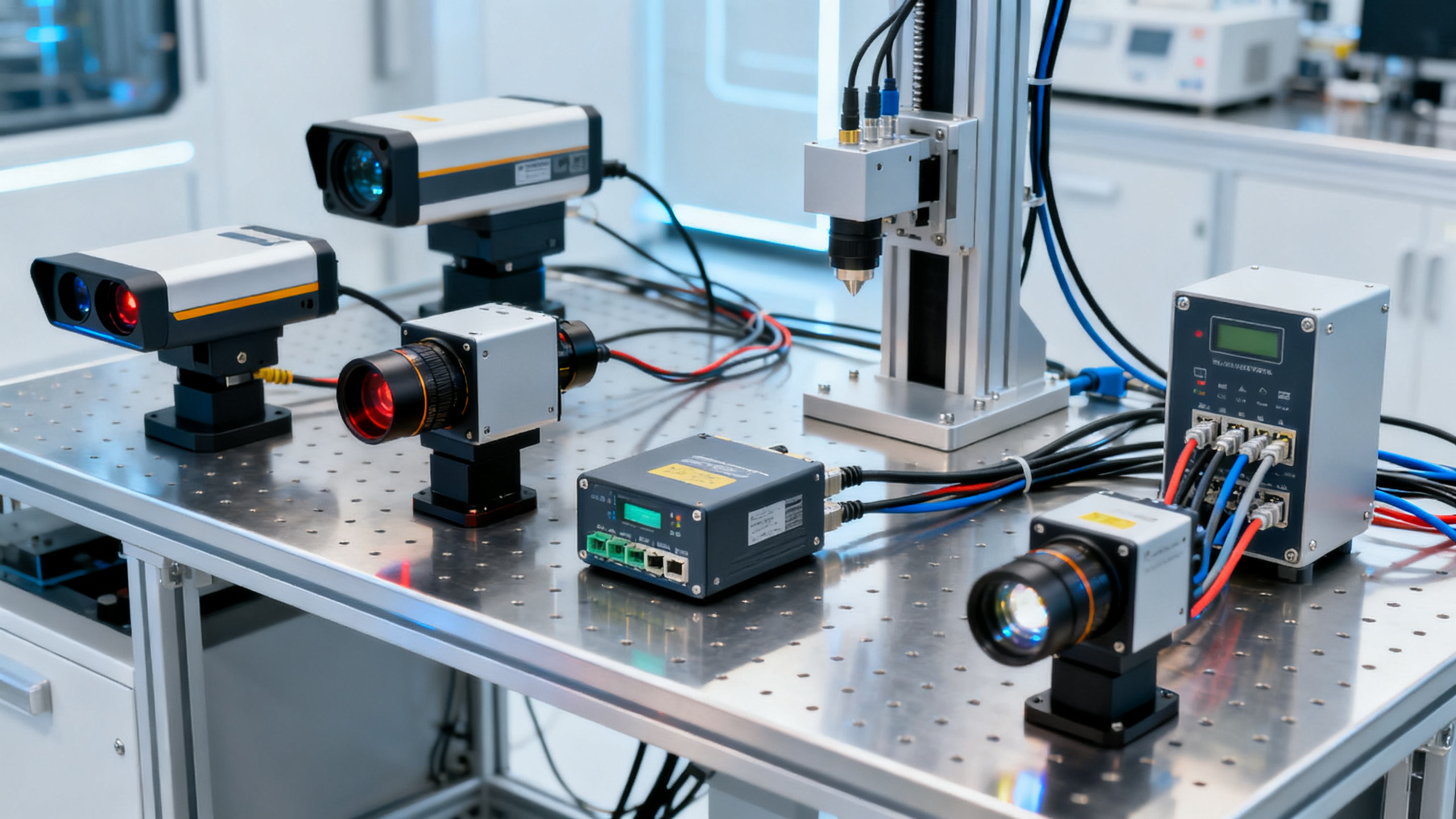
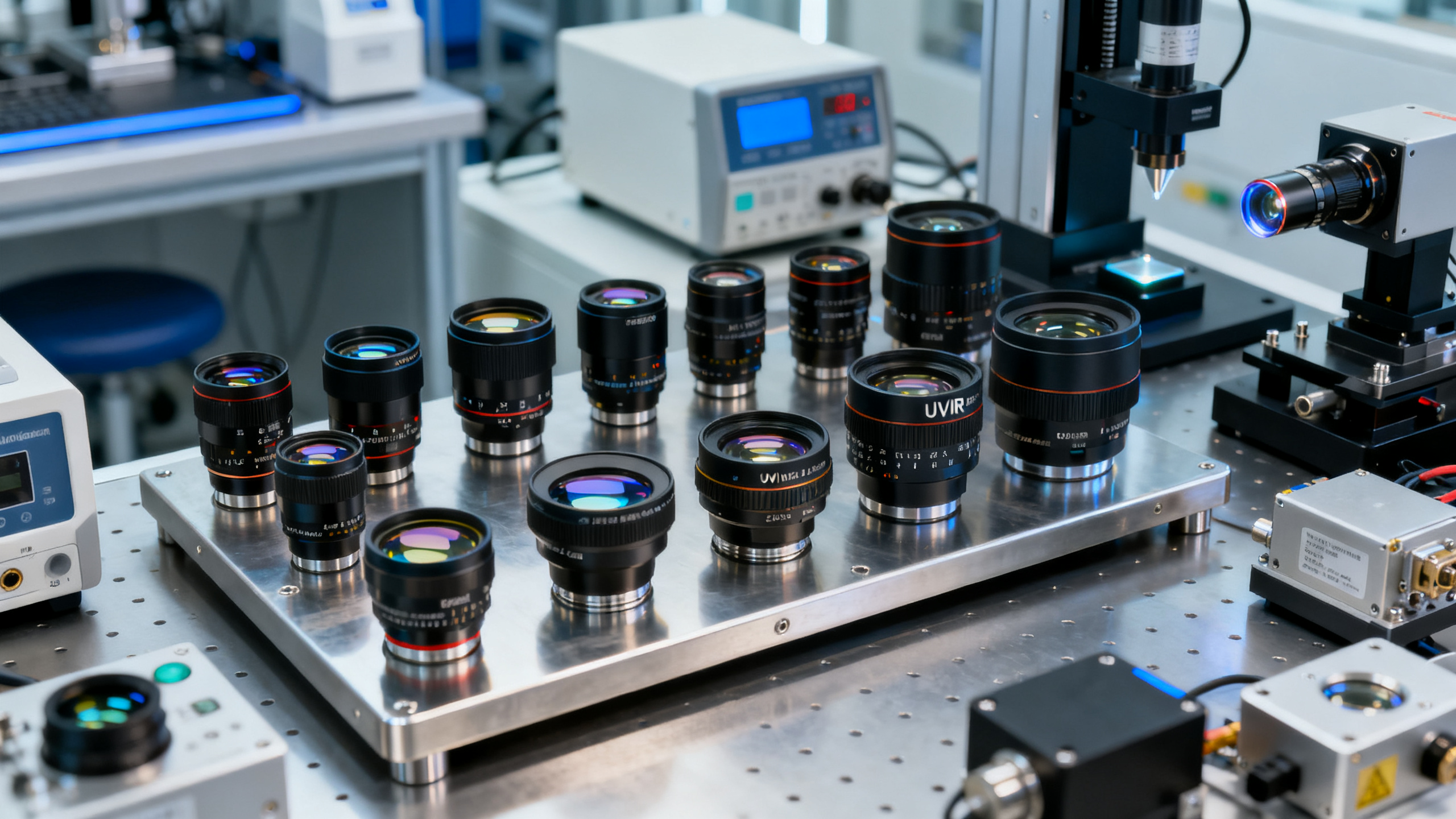
On July 3, 2026, UL Solutions announced a new certification pathway for industrial optics used in hazardous locations, covering products such as machine vision lenses, laser alignment systems, and optical encoders for Class I, Div 2 and ATEX Zone 2 environments. For exporters and manufacturers serving oil & gas, chemical, and mining applications, the update is worth close attention because it points to a faster certification process and may affect product launch timing, compliance planning, and customer delivery expectations in regulated industrial markets.

What UL Solutions Confirmed on July 3
According to the provided event information, UL Solutions launched the new pathway on 2026-07-03 for industrial optics intended for hazardous-location use. The scope specifically includes machine vision lenses, laser alignment systems, and optical encoders. The pathway applies to products targeting Class I, Div 2 and ATEX Zone 2 environments. The streamlined process is stated to reduce average certification lead time by 35%, with the stated commercial implication of supporting faster market entry for exporters targeting global oil & gas, chemical, and mining sectors.
Where the Industry May Feel the Change First
Product makers with export timelines in view
From an industry perspective, manufacturers of industrial optical components may feel the effect most directly in product approval scheduling. If certification lead times are reduced as stated, the main business impact could appear in launch sequencing, export preparation, and coordination between engineering, compliance, and sales teams. What deserves closer attention is whether companies already developing products for hazardous-location use can align their documentation and testing plans to take practical advantage of the shorter pathway.
Export-facing commercial teams serving regulated sectors
For companies selling into oil & gas, chemical, and mining markets, the update may matter less as a technical headline and more as a market-access issue. Shorter certification cycles can influence quotation timing, bid readiness, and customer communication around delivery windows. Observably, teams handling overseas accounts should pay attention to how certification timing may affect commitments made to buyers in markets where hazardous-location compliance is a gating requirement.
Procurement and end-use project stakeholders
Buyers and end-use project teams may also be affected where industrial optics are part of broader equipment packages or automation systems deployed in hazardous environments. Analysis shows the key issue is not simply product availability, but whether certification timing becomes more predictable during project planning. That can matter in sourcing decisions, specification review, and vendor comparison when compliance status is tied to installation schedules.
What Companies Should Track in Practice
How the pathway is described in future official updates
What deserves closer attention is whether subsequent official wording further clarifies scope, submission expectations, or product applicability within the industrial optics category. Companies should distinguish between the headline benefit of faster certification and the detailed conditions that determine whether a given product can actually move through the pathway as expected.
Which product lines are closest to near-term use
For businesses already active in machine vision lenses, laser alignment systems, or optical encoders, the practical question is which product families are most likely to benefit first. This is especially relevant for firms balancing development resources across multiple markets, because the business value of a shorter certification cycle depends on whether the target application is truly tied to Class I, Div 2 or ATEX Zone 2 demand.
How customer-facing timelines are communicated
Sales, compliance, and delivery teams should pay close attention to how certification timing is presented to customers. Analysis shows that a reduced average lead time can improve market responsiveness, but it should not be treated as a blanket guarantee for every product program. Clear communication around certification status, submission progress, and expected release timing will remain important in export transactions.
Whether supply-chain preparation matches the faster pace
If internal approval planning accelerates, supporting functions may need to keep pace. Companies should review whether technical files, qualification records, and shipment planning are organized well enough to avoid turning a faster certification route into a bottleneck elsewhere in the delivery process.
Why This Looks More Like a Market Signal Than a Final Outcome
Observably, this development is best read as a practical industry signal rather than a completed market shift. The confirmed fact is the launch of a new certification pathway and a stated reduction in average certification lead time. The broader commercial effect will depend on how widely the pathway is adopted, how product teams use it, and whether exporters can translate faster certification into real gains in order timing and market entry. For now, the event indicates movement in compliance infrastructure around hazardous-location industrial optics, but the downstream impact still requires continued observation.
How to Read the Update at This Stage
At this stage, it is more appropriate to understand the UL Solutions announcement as a targeted operational change with potential strategic relevance for industrial optics suppliers and exporters. The immediate significance lies in certification efficiency for products intended for hazardous environments; the larger industry significance will depend on execution, uptake, and how procurement and project cycles respond in oil & gas, chemical, and mining markets. In other words, this is a concrete short-term process update that may also carry longer-term implications, but those broader effects are not yet established facts.
Basis of This Article and Ongoing Verification
This article is based on the user-provided news title, event date, and event summary related to UL Solutions' certification pathway announcement on July 3, 2026. For this type of industry update, commonly relevant source types may include official company announcements, standards-related publications, industry association materials, authoritative media coverage, and technical certification documents. A specific official source link was not provided in the input, so the underlying details should continue to be verified against future official disclosures. Continued attention should focus on any later clarification of scope, eligibility, or implementation details tied to this certification pathway.
Technical Specifications
- Air Handling Unit Supplier Checklist: Performance Data, Lead Times, and SupportAuthor :Environmental Engineering Director
- Buying Fiberglass Water Tanks Wholesale: Compare Quotes and Delivery CostsAuthor :Environmental Engineering Director
- Choosing an XLPE Power Cable Supplier: Test Reports, Traceability, and Lead TimesAuthor :Grid Infrastructure Analyst
Expert Insights

Chief Security Architect
Dr. Thorne specializes in the intersection of structural engineering and digital resilience. He has advised three G7 governments on industrial infrastructure security.
Related Analysis
- Oct 19, 2026Air Handling Unit Supplier Checklist: Performance Data, Lead Times, and SupportAuthor :Environmental Engineering Director
- Oct 18, 2026Buying Fiberglass Water Tanks Wholesale: Compare Quotes and Delivery CostsAuthor :Environmental Engineering Director
- Oct 17, 2026Choosing an XLPE Power Cable Supplier: Test Reports, Traceability, and Lead TimesAuthor :Grid Infrastructure Analyst
Core Sector // 01
Security & Safety
- IEC 62443-3-3:2026 Raises Cybersecurity Bar for Industrial OpticsAuthor :Precision Metrology Expert

- EU Sets New CE Rules for Industrial OpticsAuthor :Precision Metrology Expert

- How to Evaluate a Metallurgical Microscope Exporter for Image Quality and ComplianceAuthor :Precision Metrology Expert

- UL Expands Certification Route for Hazardous-Area OpticsAuthor :Precision Metrology Expert

- Shanghai Port Delays Deepen Under Origin ChecksAuthor :Precision Metrology Expert

- CIOE 2026 to Spotlight Vision and Tactile SensorsAuthor :Precision Metrology Expert

- MWC Shanghai 2026 Opens June 24 With CPO and Industrial Security in FocusAuthor :Precision Metrology Expert

- Brazil Tightens INMETRO Rules for Industrial Optical LensesAuthor :Precision Metrology Expert