Defibrillator AED Wholesale Buying Guide: Models, Certifications, and Support
Author
Date Published
Reading Time
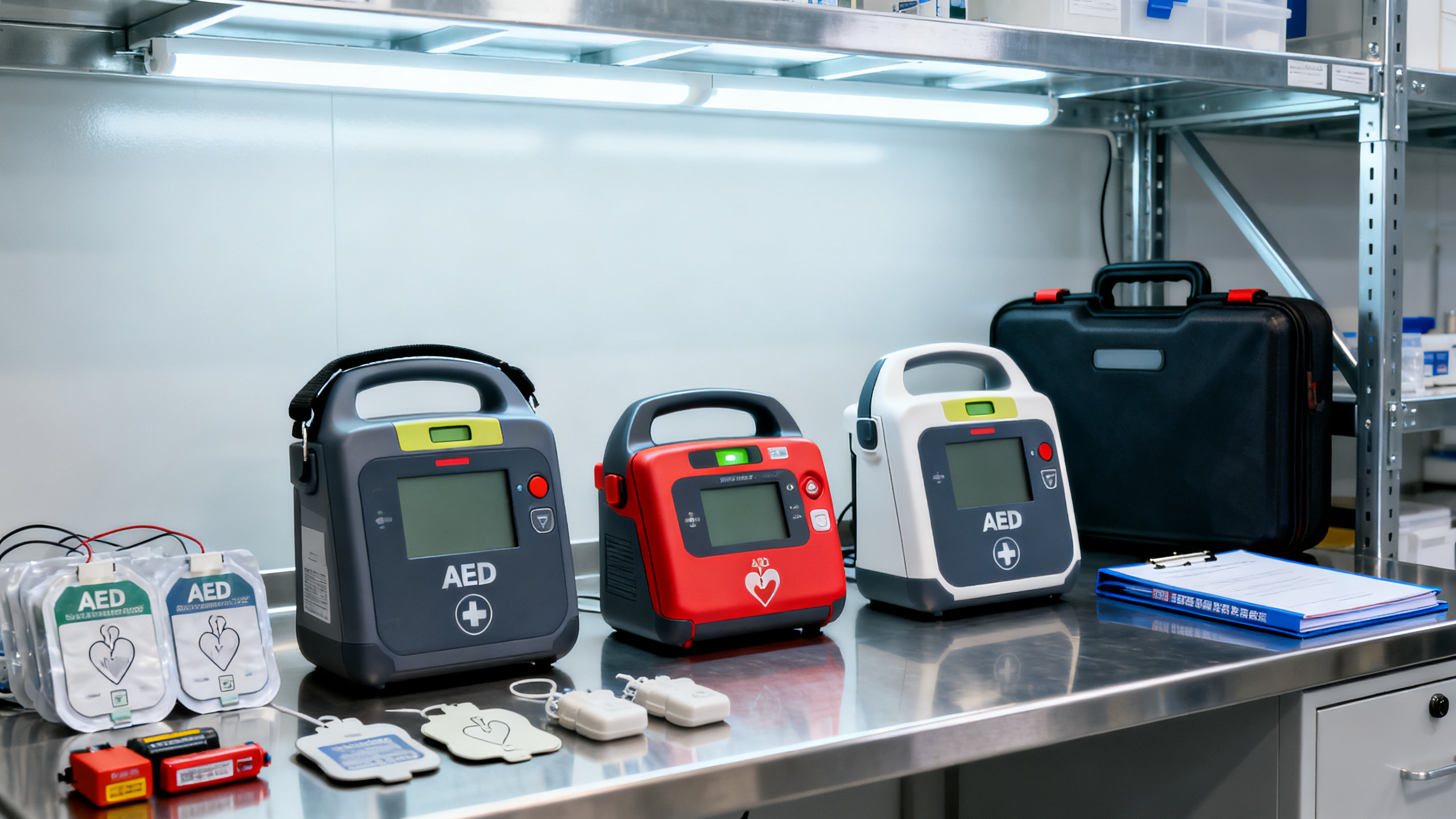
For distributors, agents, and regional medical equipment resellers, choosing the right defibrillator AED wholesale partner is about more than price—it requires verified certifications, dependable model availability, training support, and long-term after-sales reliability. This guide helps B2B buyers evaluate AED product lines, compliance requirements, supply stability, and service capabilities so they can build a safer, more competitive portfolio for hospitals, workplaces, public facilities, and emergency response channels.
What Should Distributors Expect from a Defibrillator AED Wholesale Program?
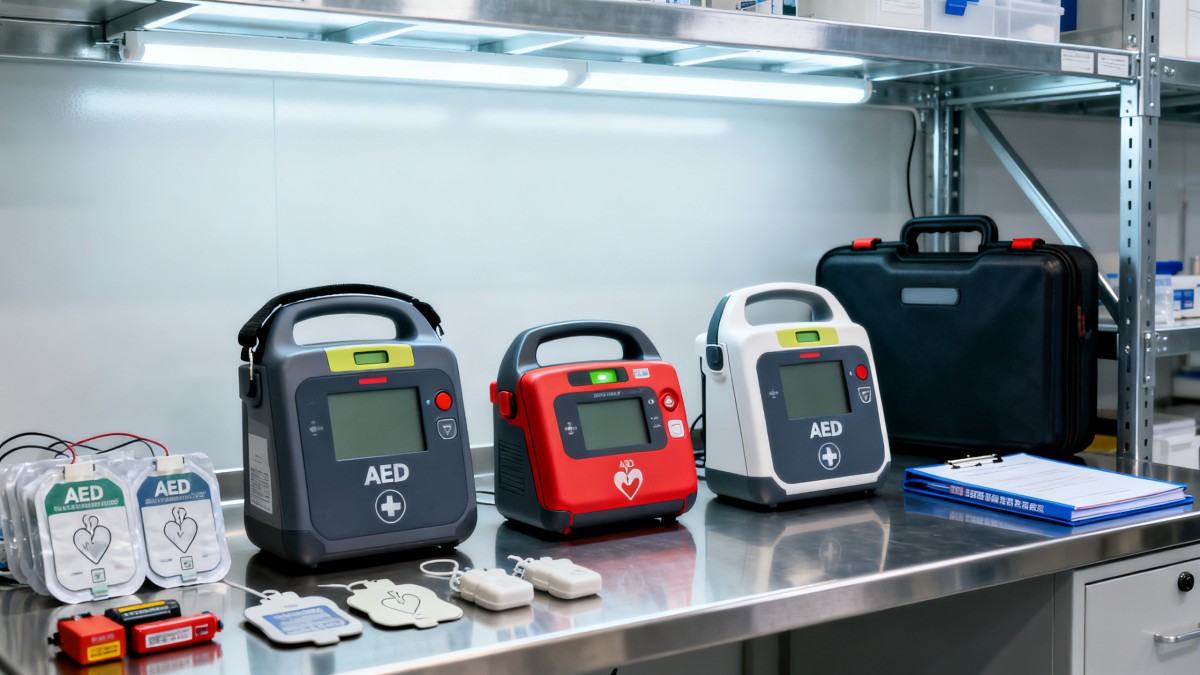
A strong defibrillator AED wholesale program should help resellers reduce procurement risk, not simply move units through a price list.
For B2B channels, the real value lies in compliant devices, predictable supply, user training materials, spare accessories, and responsive technical support.
AED buyers often serve hospitals, airports, factories, schools, industrial parks, and public access defibrillation programs. Each segment has different expectations.
Core commercial expectations
- Clear model segmentation for professional, workplace, public facility, and emergency response channels.
- Accessible documentation, including user manuals, technical data sheets, certification references, and battery or pad replacement guidance.
- Stable accessory supply, because AED pads and batteries often determine long-term customer satisfaction.
- Training resources that help distributors support non-medical buyers without creating compliance ambiguity.
Global Industrial Core evaluates safety-related sourcing through practical procurement logic: compliance first, field reliability second, total lifecycle value third.
Which AED Models Fit Hospitals, Workplaces, and Public Facilities?
Model selection is the most common pain point in defibrillator AED wholesale purchasing. One device rarely fits every end-user channel.
Distributors should map AED features to deployment environments, expected operator skill, emergency response time, and accessory replacement planning.
The following comparison helps channel buyers position AED products without relying only on purchase price or general product descriptions.
This model logic helps a defibrillator AED wholesale buyer avoid mismatched stock, especially when serving mixed medical and non-medical customers.
Fully automatic versus semi-automatic AEDs
Fully automatic AEDs deliver shock after analysis without a shock button, reducing hesitation for lay rescuers in public settings.
Semi-automatic AEDs require the operator to press a shock button, which some healthcare and trained response teams prefer.
For distributors, carrying both categories may improve tender flexibility and prevent lost opportunities across different procurement specifications.
What Certifications Matter in Defibrillator AED Wholesale Procurement?
AEDs are life-safety medical devices, so certification review should happen before price negotiation, not after a purchase order is prepared.
Distributors need to verify market-entry requirements for each sales territory, including medical device registration and labeling obligations.
The table below summarizes common compliance references that often appear during defibrillator AED wholesale evaluation and channel qualification.
Certification names alone are not enough. Serious distributors should request document copies, expiry dates, product scope, and matching model references.
A practical document review checklist
- Confirm that the certificate applies to the exact AED model, not only to the manufacturer’s broader device portfolio.
- Check whether pads, batteries, chargers, cabinets, or carrying cases require separate documentation in your market.
- Ask whether labeling, manuals, and voice prompts can be supplied in required languages for regional tenders.
- Review replacement accessory shelf life, because short-dated consumables can damage distributor margins.
How to Evaluate Technical Performance Without Overbuying
Technical specifications should support the application, not inflate the quotation. Overbuying can reduce competitiveness in price-sensitive tenders.
For defibrillator AED wholesale decisions, distributors should separate mandatory performance needs from optional features that only fit selected markets.
Parameters that influence real field acceptance
- Shock delivery mode should match end-user training level, especially where lay responders are the expected operators.
- Battery standby life affects maintenance cost, especially for schools, industrial sites, and remote public installations.
- Environmental protection matters in factories, construction compounds, warehouses, and transport facilities with dust or humidity exposure.
- Self-test frequency and indicator visibility help facility managers identify expired pads or low battery status quickly.
- Pediatric mode or pediatric pads can be important for schools, childcare facilities, sports venues, and community programs.
GIC’s industrial safety perspective encourages buyers to think beyond clinical specifications and assess how the AED survives real operating environments.
Procurement Decision Matrix for Distributors and Agents
A repeatable evaluation matrix allows distributors to compare suppliers consistently, especially when managing multiple quotations across regions.
The best defibrillator AED wholesale partner should demonstrate supply discipline, documentation readiness, and post-sale support before the first large order.
Use the following matrix to screen AED suppliers and identify gaps before contract negotiation or sample approval.
This matrix turns supplier selection into an auditable process. It also helps agents justify quotations to hospitals and institutional purchasing teams.
Cost, Margin, and Lifecycle Value: What Really Affects Profit?
Low unit price can look attractive, but AED distribution margins depend on repeat accessories, service reputation, and tender compliance.
A distributor purchasing defibrillator AED wholesale should calculate total business value across the device lifecycle, not only the first shipment.
Cost factors often missed in quotations
- Short accessory shelf life can create hidden losses when stock remains unsold during slow tender cycles.
- Unclear warranty procedures may force distributors to absorb replacement costs during customer disputes.
- Missing multilingual labels or manuals can delay public-sector deliveries and increase local printing expense.
- Poor demand forecasting may create either stockouts or excessive inventory tied to obsolete model versions.
For agents with limited budget, a balanced catalog often works better than one premium-only product line or one low-cost-only option.
Implementation Support: From Sample Testing to Regional Rollout
Wholesale AED procurement should include a rollout plan. This is especially important for distributors serving public safety and industrial clients.
Before scaling orders, buyers should validate product documentation, packaging, accessory availability, and training fit with target market expectations.
A structured service workflow helps distributors reduce launch delays and communicate clearly with both suppliers and end customers.
This staged approach is useful when launching AED portfolios into hospitals, factories, municipal programs, and emergency response networks.
Common Mistakes in Defibrillator AED Wholesale Buying
Many procurement issues appear after deployment, when an end user requests replacement pads, language support, or proof of certification.
Distributors can avoid these problems by challenging assumptions before confirming exclusive agency agreements or large inventory purchases.
Mistake 1: Treating all AEDs as interchangeable
AEDs differ in prompts, shock workflow, environmental durability, pediatric capability, self-test indicators, and accessory design. These differences affect resale success.
Mistake 2: Ignoring accessory supply
Pads and batteries are not minor add-ons. They determine maintenance cost and recurring distributor revenue after the original AED sale.
Mistake 3: Buying before confirming target market approval
A device suitable for one region may still require additional documentation, registration, or labeling adjustments before legal resale elsewhere.
FAQ for Defibrillator AED Wholesale Buyers
The following questions reflect common concerns from distributors, agents, and resellers evaluating AED supply for regional channels.
How many AED models should a new distributor carry?
Most new distributors benefit from a focused range: one public-access model, one workplace-ready option, and one professional-oriented configuration.
This keeps inventory manageable while allowing sales teams to respond to hospital, industrial, and public facility requirements.
What should be included in a defibrillator AED wholesale quotation?
A useful quotation should list device configuration, pads, battery type, shelf life, warranty terms, lead time, MOQ, and available documents.
It should also clarify whether cabinets, trainer units, pediatric accessories, or localized materials are included or quoted separately.
Are training AEDs necessary for distributors?
Training AEDs are valuable when resellers support schools, factories, public buildings, and non-medical staff who need confidence before deployment.
They also help sales teams demonstrate voice prompts, pad placement guidance, and emergency workflow without activating a real rescue device.
How should agents compare AED suppliers with similar prices?
Compare certification scope, accessory continuity, response time, language support, sample availability, and warranty process. Similar prices rarely mean equal channel risk.
Why Work with GIC for AED Sourcing Intelligence?
Global Industrial Core supports safety and infrastructure procurement decisions with disciplined sourcing analysis across industrial, medical-adjacent, and facility safety categories.
For defibrillator AED wholesale buyers, GIC helps organize supplier evaluation around compliance, product fit, lifecycle cost, and deployment practicality.
Distributors can consult GIC when comparing AED parameters, confirming certification requirements, planning sample requests, or assessing model suitability for regional channels.
You can also discuss delivery timelines, accessory planning, training support, quotation structure, and customized portfolio strategies for hospitals, workplaces, and public facilities.
A defensible AED portfolio is built before the tender arrives. Start with verified requirements, structured comparison, and a wholesale partner ready for long-term support.
Technical Specifications
- How to Select Electronic Hotel Key Card Locks for Guest Rooms and Staff AreasAuthor :Safety Compliance Lead
- How to Select Lab Instruments for Reliable Chemical Analysis WorkflowsAuthor :Precision Metrology Expert
- How to Size a UPS for Server Rooms: Load, Runtime, and Redundancy FactorsAuthor :Grid Infrastructure Analyst
Expert Insights

Chief Security Architect
Dr. Thorne specializes in the intersection of structural engineering and digital resilience. He has advised three G7 governments on industrial infrastructure security.
Related Analysis
- Sep 17, 2026How to Select Electronic Hotel Key Card Locks for Guest Rooms and Staff AreasAuthor :Safety Compliance Lead
- Sep 16, 2026How to Select Lab Instruments for Reliable Chemical Analysis WorkflowsAuthor :Precision Metrology Expert
- Sep 15, 2026How to Size a UPS for Server Rooms: Load, Runtime, and Redundancy FactorsAuthor :Grid Infrastructure Analyst
Core Sector // 01
Security & Safety
- Steel Rescue Tripods Wholesale: Key Load Ratings, Standards, and Buying MistakesAuthor :Safety Compliance Lead

- India Lifts Duty on Fire Rescue Imports to 22%Author :Safety Compliance Lead

- IEC 62061 Amendment 2 Targets Fire & Rescue ControllersAuthor :Safety Compliance Lead

- IEC 62819-2:2026 Sets New Cybersecurity CheckpointAuthor :Safety Compliance Lead

- When to Use a Quick Deployment Oil Boom for Spill Control in Ports and Inland WatersAuthor :Safety Compliance Lead

- Saudi SASO Adds Cybersecurity Annex to Fire Equipment CertificationAuthor :Safety Compliance Lead

- CBP Pre-Arrival Portal Raises Import Checks for Fire EquipmentAuthor :Safety Compliance Lead

- UAE Sets Cybersecurity Gate for Fire Control PanelsAuthor :Safety Compliance Lead