Why Security & Safety price gaps are bigger than expected
Author
Date Published
Reading Time
Why do Security & Safety price differences often exceed initial budgets? The answer usually sits far beyond a supplier quote.
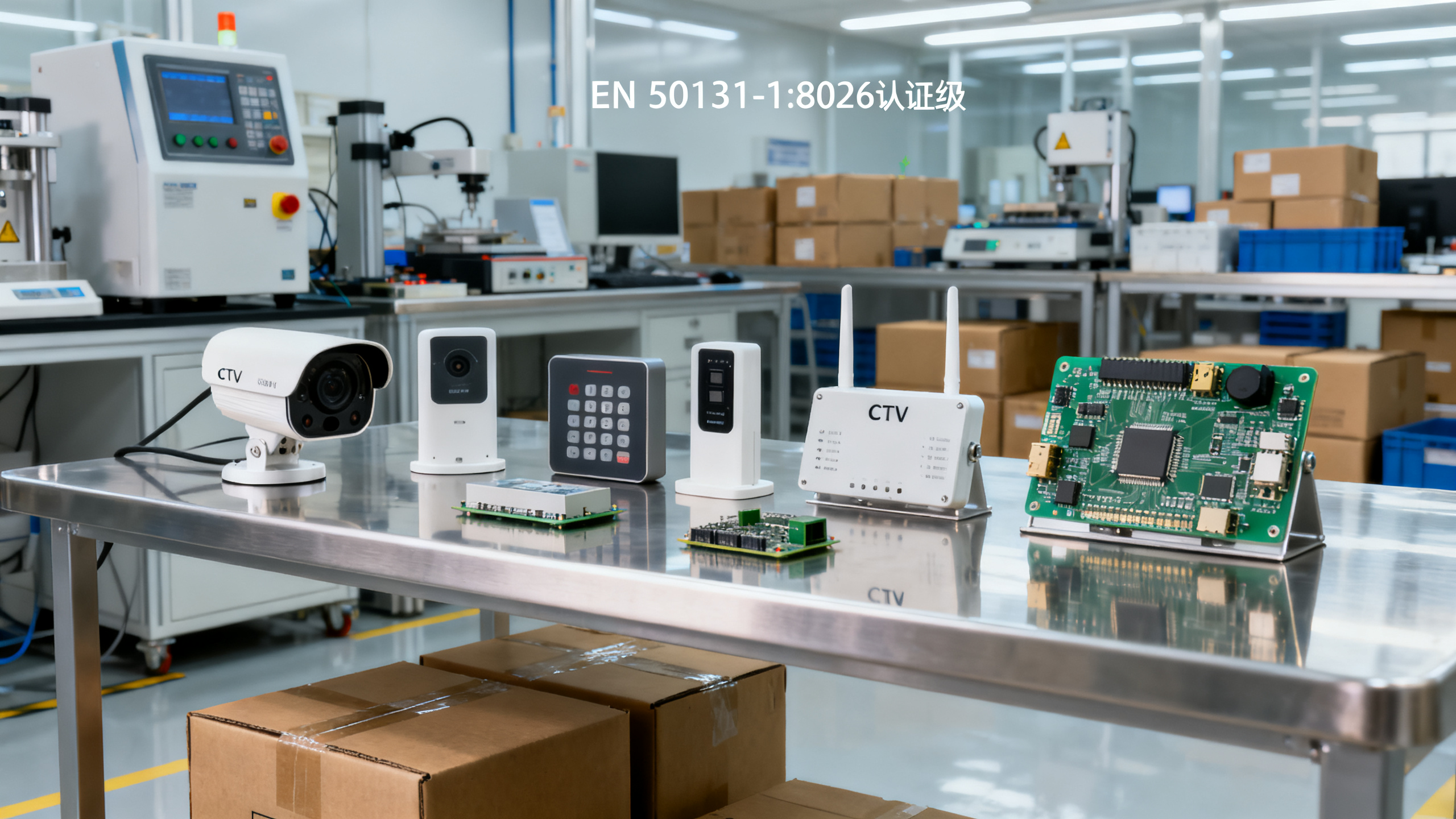
In industrial settings, Security & Safety price reflects certification scope, operating risk, installation demands, maintenance burden, and legal exposure.
As compliance standards tighten and facilities become more connected, price gaps are widening faster than many approval models expect.
Understanding this shift helps organizations compare offers more accurately, defend budgets internally, and avoid low-cost decisions that create higher downstream losses.
Security & Safety price is being reshaped by a stricter industrial risk environment
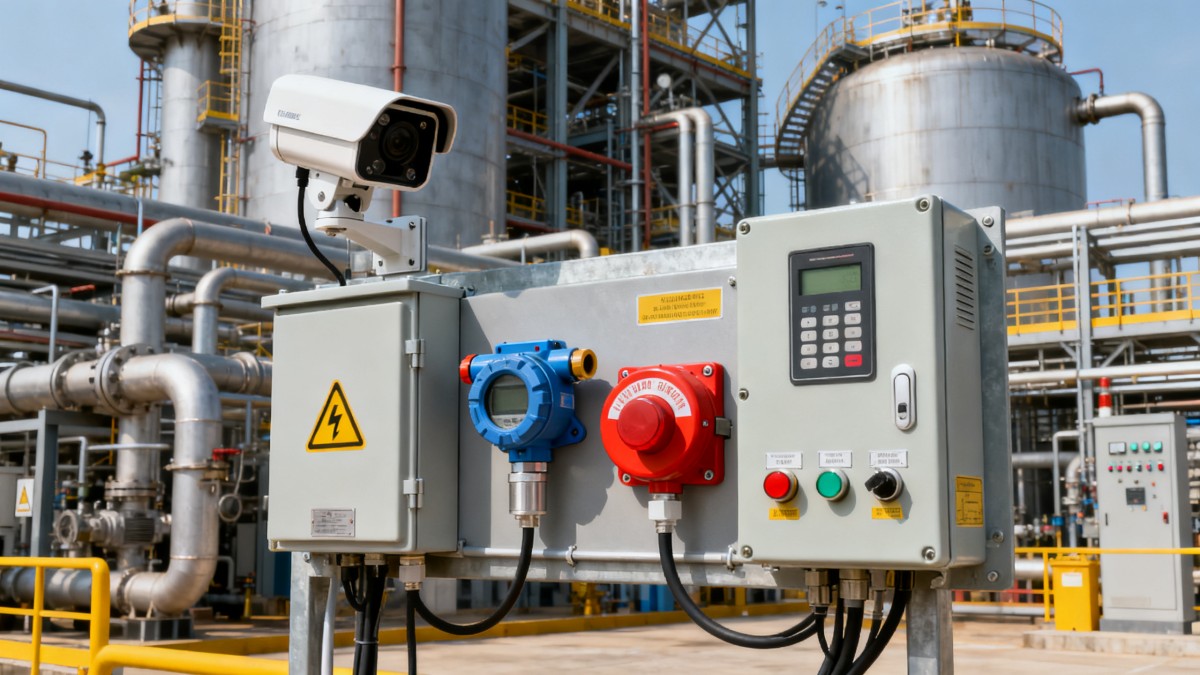
Across heavy industry, a visible trend is emerging: Security & Safety price is no longer anchored mainly to hardware cost.
Instead, pricing now captures a broader protection envelope, including standards compliance, system integration, cyber resilience, worker protection, and lifecycle documentation.
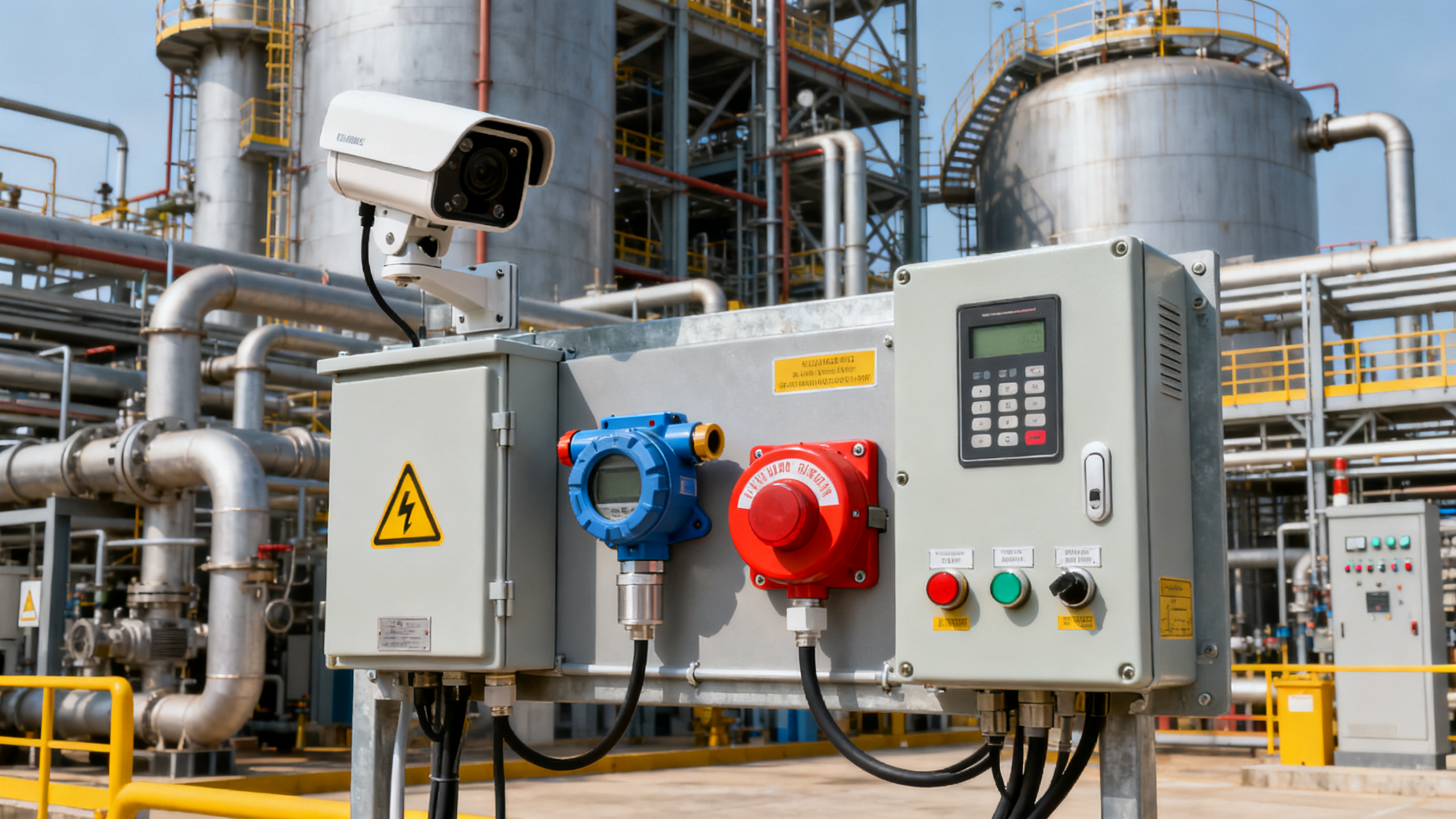
This change is especially clear in facilities handling hazardous energy, flammable materials, high occupancy, or mission-critical production continuity.
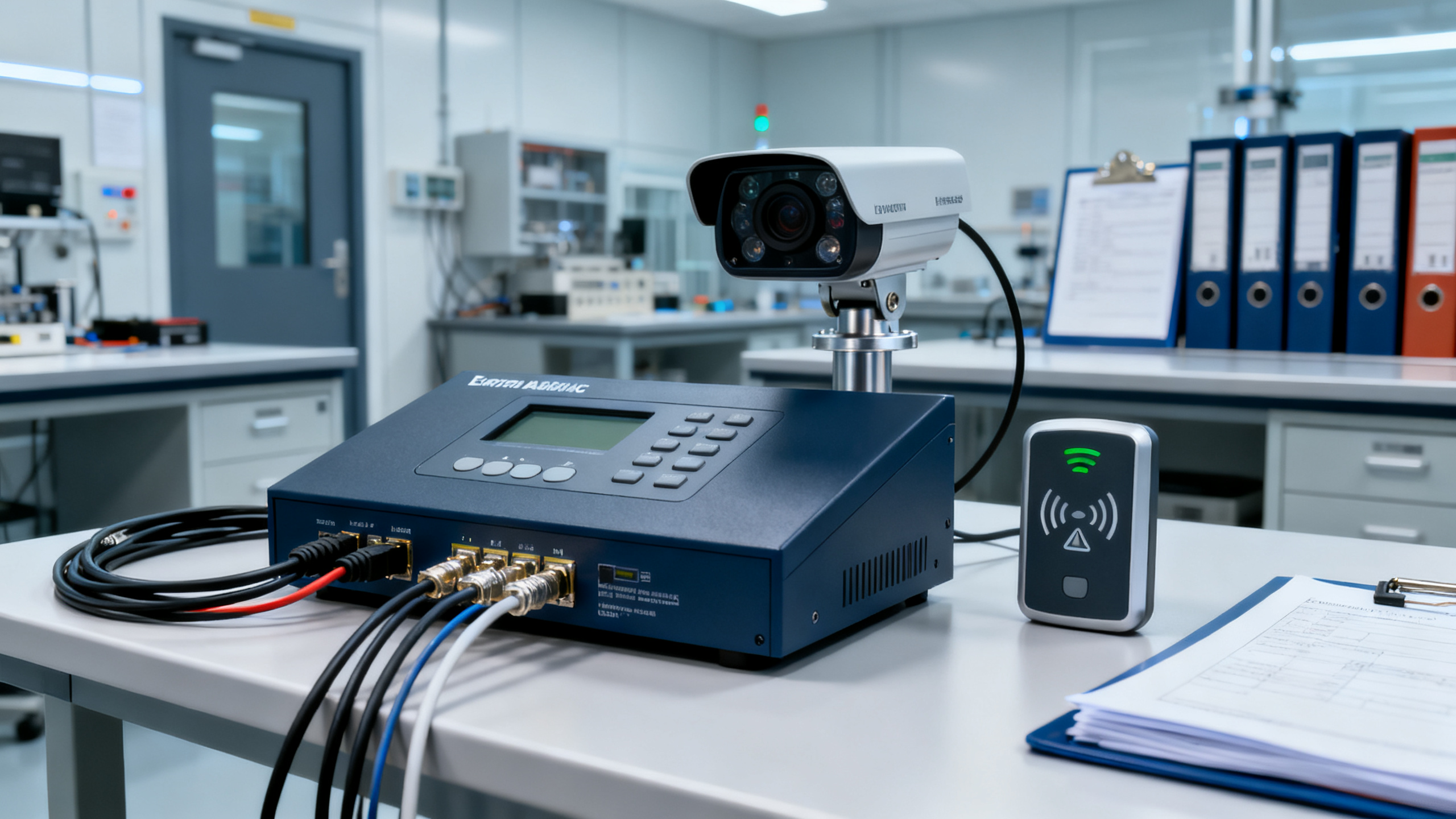
A camera, detector, interlock, or emergency shutdown unit may look comparable on paper, yet differ sharply in tested performance and approval readiness.
That is why Security & Safety price gaps often appear irrational at first glance, but become logical after technical review.
The strongest trend signals behind larger Security & Safety price gaps
Several market signals explain why Security & Safety price variance has expanded in recent years.
- More projects require CE, UL, ISO, ATEX, IECEx, SIL, or fire-rated documentation.
- Insurance and audit demands increasingly reward verified performance over nominal specification matching.
- Industrial digitalization adds integration work with SCADA, BMS, access control, and alarm platforms.
- Global supply chains create uneven lead times for approved components and certified substitutes.
- Post-installation liability has become a larger hidden cost driver in bid evaluation.
These shifts mean two offers can target the same use case while carrying very different risk-transfer value.
Why the real Security & Safety price is built from more than equipment
A lower unit price rarely means a lower project cost. The broader cost structure explains the gap.
This is why Security & Safety price should be read as a risk-adjusted number, not just a procurement line item.
Certification depth is one of the biggest reasons Security & Safety price jumps
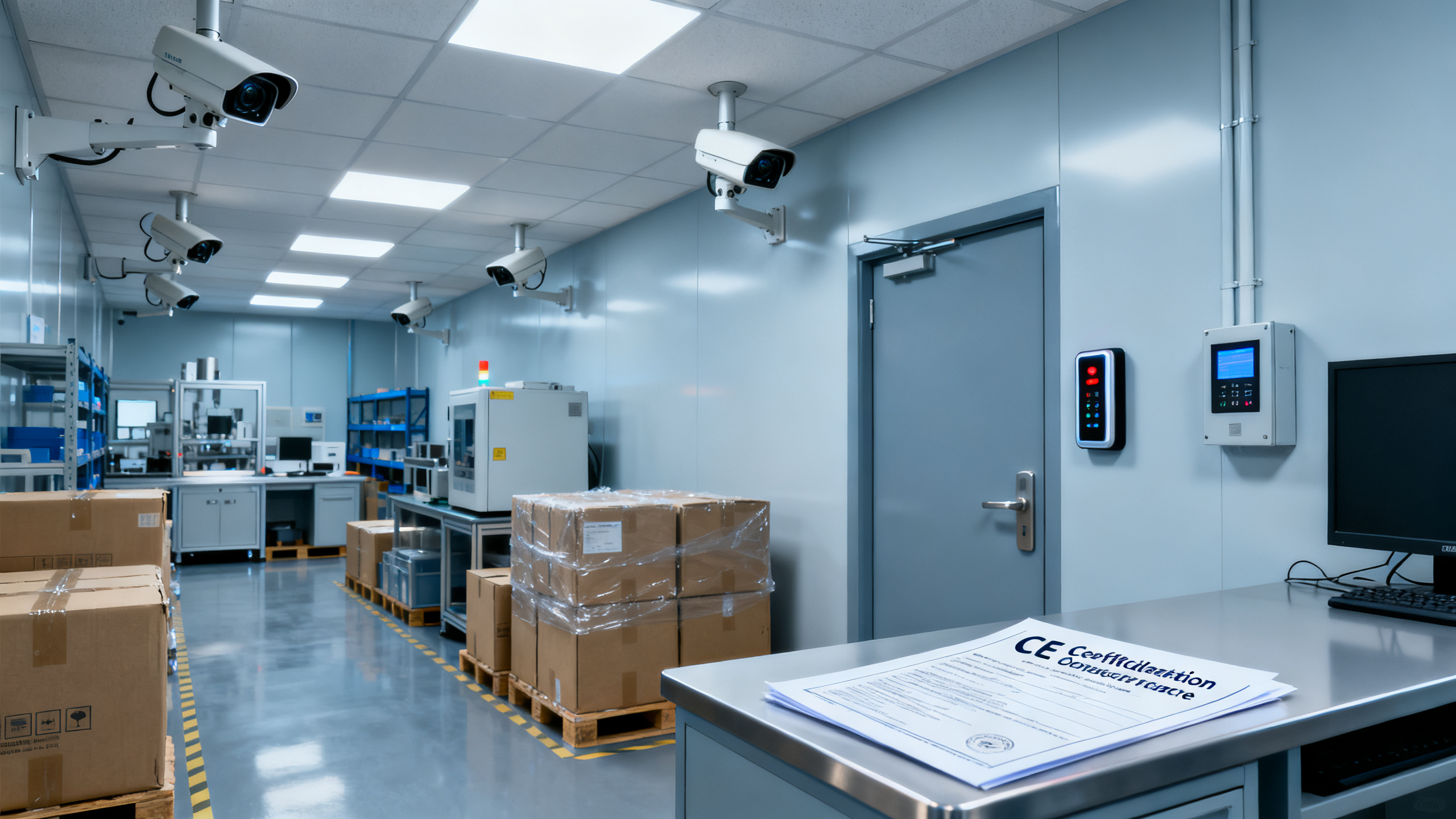
Certification is often underestimated during early budgeting. Yet it strongly shapes Security & Safety price.
One product may have self-declared conformity, while another includes third-party testing, factory audits, serial traceability, and market-specific approvals.
Those differences change not only purchase price, but also approval speed and legal defensibility after an incident.
In hazardous or regulated environments, incomplete certification can force redesigns, substitute reviews, and fresh installation work.
That hidden exposure often explains why a higher Security & Safety price is actually the lower total-cost option.
What to verify before comparing quotes
- Exact standard coverage and edition version
- Country or project acceptance requirements
- Test reports, certificates, and traceability records
- Installation limitations stated in approval documents
- Warranty conditions tied to compliant use
Lifecycle risk now matters more than upfront Security & Safety price
Another major trend is the shift from capex-only thinking toward service-life economics.
A low Security & Safety price can become expensive when failure rates, false alarms, spare part shortages, or maintenance downtime are considered.
In many sites, emergency systems must remain dependable under vibration, dust, humidity, temperature swings, or chemical exposure.
Products built for these conditions cost more because their reliability envelope is wider and more consistently validated.
This creates a common pricing misunderstanding: identical functionality does not mean identical resilience.
Lifecycle factors that distort budget expectations
- Shorter maintenance intervals increase labor and shutdown planning.
- Poor component availability extends outage duration.
- Frequent recalibration or recertification adds recurring cost.
- False trips or missed alarms disrupt operations and safety confidence.
- Early replacement compresses return on installed capital.
The impact of wider Security & Safety price gaps across business functions
Larger Security & Safety price gaps influence more than sourcing. They affect project timing, compliance certainty, and financial forecasting.
When quote comparisons ignore installation complexity or approval risk, budget approvals can become detached from actual delivery conditions.
That disconnect often appears later as change orders, schedule slips, commissioning delays, or post-handover corrective spending.
- Engineering is affected by redesign risk and compatibility review time.
- Operations is affected by reliability, maintainability, and downtime exposure.
- Finance is affected by variance control, depreciation efficiency, and hidden lifecycle liabilities.
- Compliance is affected by audit readiness and evidentiary documentation quality.
What deserves closer attention before accepting a low Security & Safety price
The most useful response is not rejecting lower quotes automatically. It is testing whether they include the same protection value.
- Check whether the quoted scope includes all required accessories, software, enclosures, and commissioning steps.
- Review whether the Security & Safety price includes documentation needed for site acceptance.
- Assess environmental ratings against actual site conditions, not ideal laboratory assumptions.
- Confirm interoperability with existing control, monitoring, or emergency response systems.
- Estimate service-life cost over three, five, and ten years.
- Identify the cost of failure, not just the cost of acquisition.
A practical way to judge whether a Security & Safety price premium is justified
This framework keeps Security & Safety price evaluation tied to consequences, not assumptions.
The next smart move is to compare total protection value, not just Security & Safety price
The market trend is clear: Security & Safety price gaps are growing because industrial protection has become more technical, regulated, and lifecycle-driven.
Budget discipline still matters, but the most reliable decisions come from comparing certified scope, installability, resilience, and downstream risk.
Before approving any quote, build a side-by-side review covering compliance documents, environmental ratings, integration needs, maintenance assumptions, and failure cost.
That simple step turns Security & Safety price from a confusing number into a clear decision metric for safer and more resilient industrial investment.
Technical Specifications
- How to Select Electronic Hotel Key Card Locks for Guest Rooms and Staff AreasAuthor :Safety Compliance Lead
- How to Select Lab Instruments for Reliable Chemical Analysis WorkflowsAuthor :Precision Metrology Expert
- How to Size a UPS for Server Rooms: Load, Runtime, and Redundancy FactorsAuthor :Grid Infrastructure Analyst
Expert Insights

Chief Security Architect
Dr. Thorne specializes in the intersection of structural engineering and digital resilience. He has advised three G7 governments on industrial infrastructure security.
Related Analysis
- Sep 17, 2026How to Select Electronic Hotel Key Card Locks for Guest Rooms and Staff AreasAuthor :Safety Compliance Lead
- Sep 16, 2026How to Select Lab Instruments for Reliable Chemical Analysis WorkflowsAuthor :Precision Metrology Expert
- Sep 15, 2026How to Size a UPS for Server Rooms: Load, Runtime, and Redundancy FactorsAuthor :Grid Infrastructure Analyst
Core Sector // 01
Security & Safety
- How to Select Electronic Hotel Key Card Locks for Guest Rooms and Staff AreasAuthor :Safety Compliance Lead

- How to Evaluate a Hotel Key Card Lock Supplier for Multi-Property RolloutsAuthor :Safety Compliance Lead

- Pre-Contract Audit Checklist for Verified Production Safety and Environmental ComplianceAuthor :Safety Compliance Lead

- How Can Distributors Build Procurement-Oriented Industrial Content That Drives RFQs?Author :Safety Compliance Lead

- EU Mandates EN 50131-1:2026 for Security SystemsAuthor :Safety Compliance Lead

- EU EN 50131-1:2026 Takes Effect on CCTV ComplianceAuthor :Safety Compliance Lead

- IEC Issues CCTV Interoperability Test StandardAuthor :Safety Compliance Lead

- EN 50131-4:2026 Raises EU Security Compliance BarAuthor :Safety Compliance Lead