Industrial Application Scenarios for Safety Systems: Where Each Solution Fits Best
Author
Date Published
Reading Time
Industrial Application Scenarios for Safety Systems: Where Each Solution Fits Best
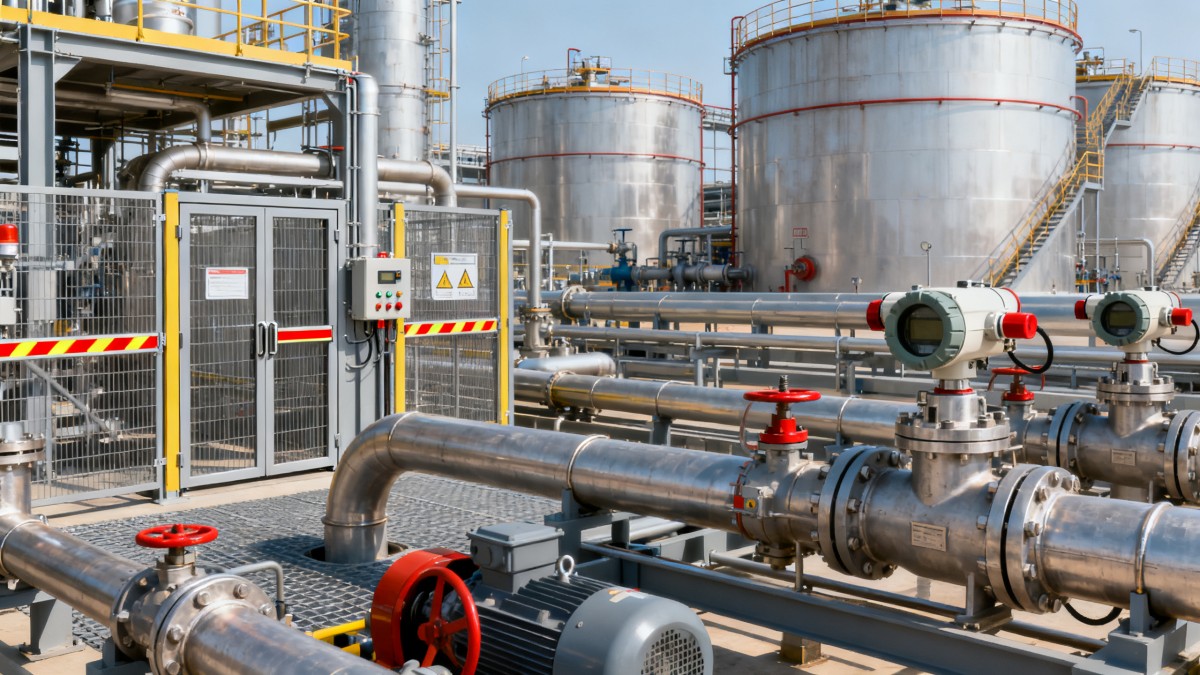
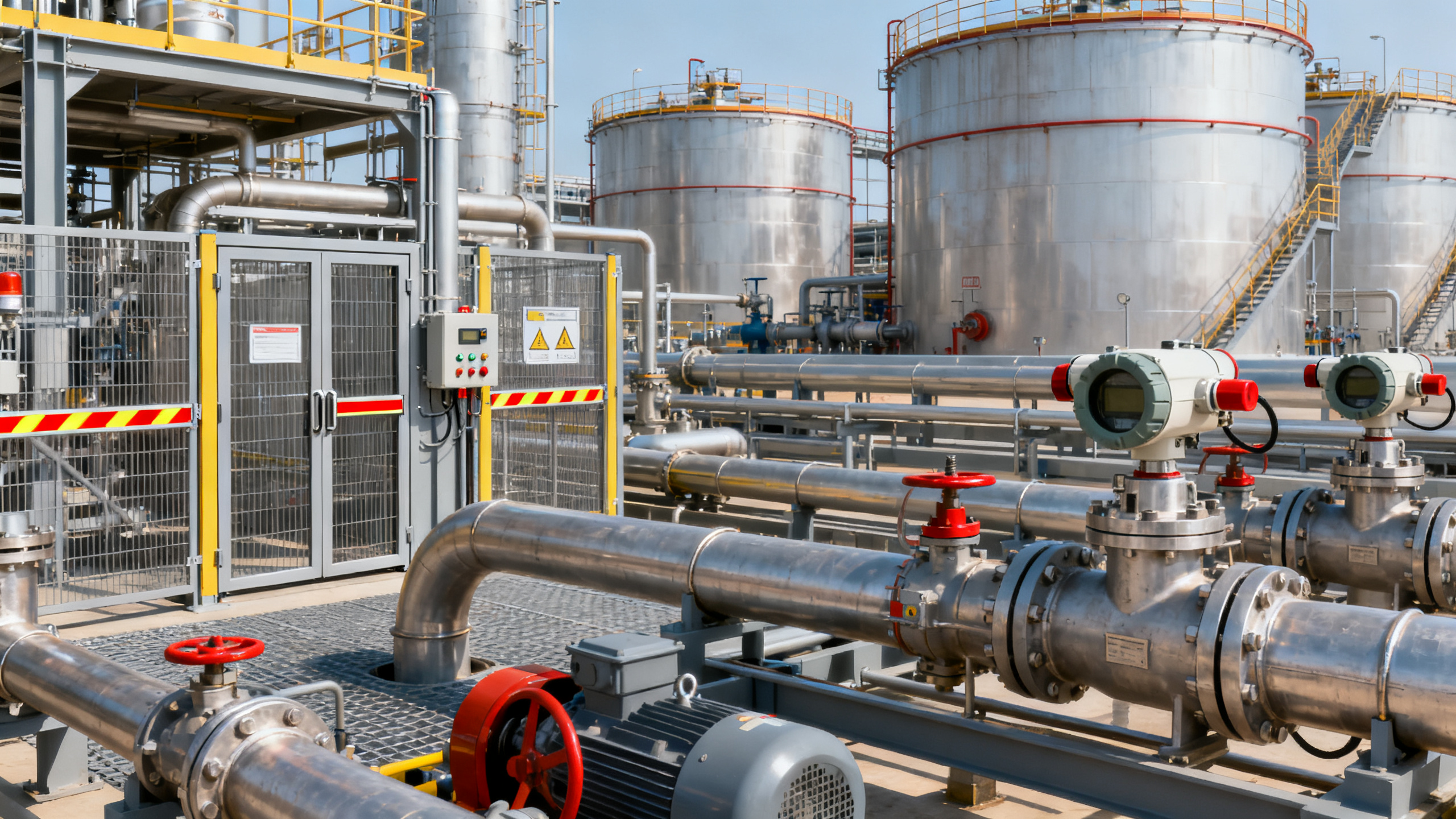
Choosing the right protection strategy starts with understanding industrial application scenarios for safety systems in real operating conditions.
The best option is rarely the most complex one. It is the one that fits the process, the hazard profile, and the compliance burden.
In heavy industry, wrong selection creates hidden gaps. Those gaps often appear during shutdowns, audits, maintenance work, or emergency response.
That is why industrial application scenarios for safety systems should be reviewed by process type, not by product category alone.
This guide explains where each solution fits best, how site conditions change the choice, and what practical checks improve decision quality.
Why Safety System Selection Must Start With the Process
Not every facility faces the same failure mode. A food plant, a refinery, and a steel mill can share hazards, but not the same operating context.
A useful review begins with three questions. What can go wrong, how fast can it escalate, and what barrier can stop it in time?
This approach makes industrial application scenarios for safety systems easier to compare across different production lines and utility areas.
- Continuous processes need fast isolation and high uptime.
- Batch operations need clear sequencing and operator safeguards.
- High energy equipment needs lockout, interlocks, and access control.
- Hazardous areas need explosion-aware devices and certified components.
From a compliance view, this also supports stronger alignment with CE, UL, ISO, and site-specific risk assessments.
Where Emergency Shutdown Systems Fit Best
Emergency shutdown systems work best where process instability can become catastrophic within seconds or minutes.
Typical industrial application scenarios for safety systems of this type include oil and gas terminals, chemical reactors, boiler rooms, and fuel handling units.
Their purpose is simple. Detect a dangerous deviation, isolate the hazard, and move the process to a safe state.
Best-fit conditions
- High-pressure lines with rupture consequences.
- Flammable storage and transfer points.
- Processes with runaway temperature or overfill risk.
- Remote assets where manual response is too slow.
In real projects, the strongest ESD design is not always the broadest one. Over-shutdown can damage production continuity and complicate restart safety.
A better practice is to define shutdown zones based on actual process boundaries and consequence analysis.
Machine Safety Systems in Repetitive Production Environments
Machine-focused protection fits facilities where human interaction with moving equipment is frequent and predictable.
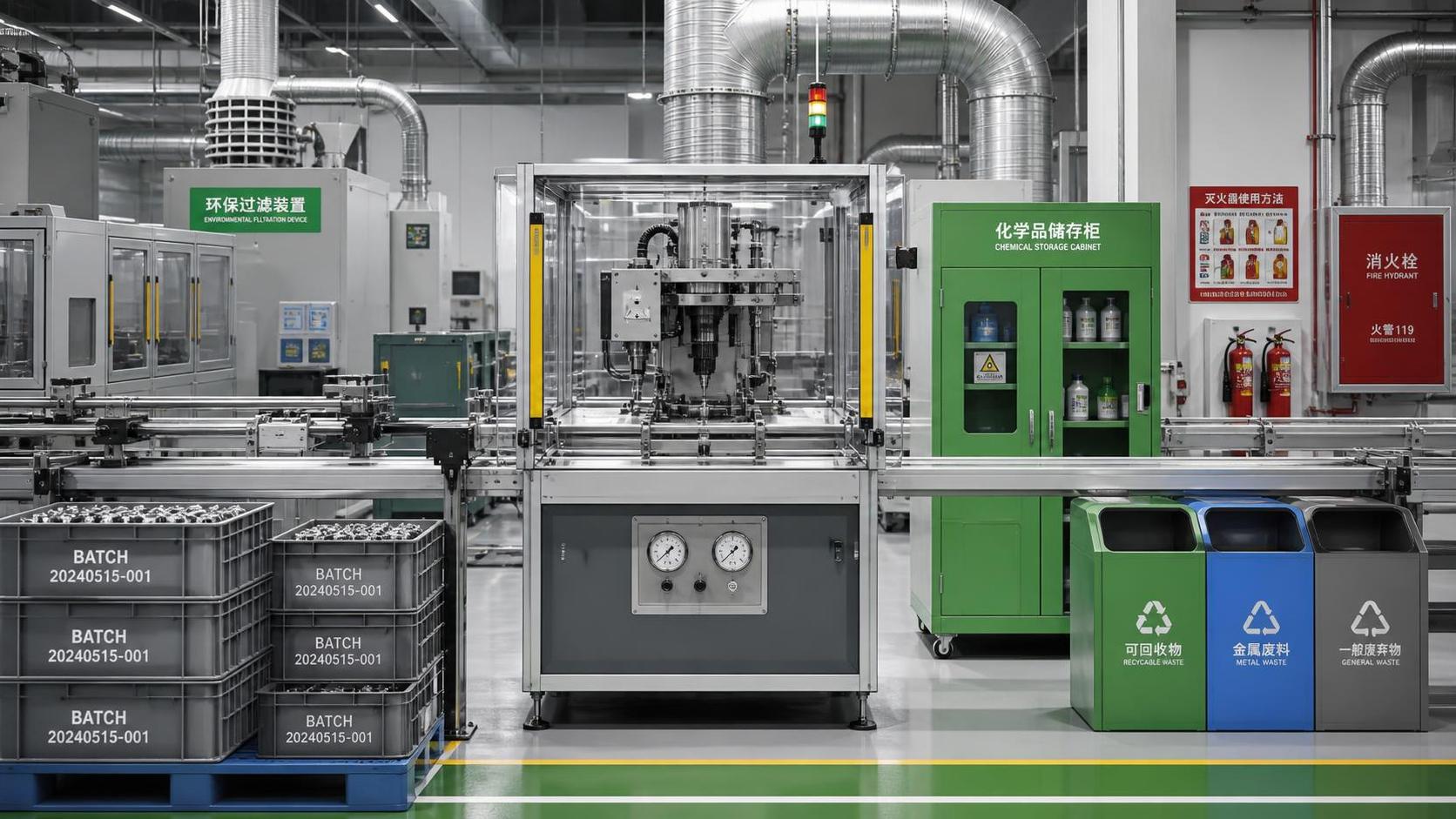
Common industrial application scenarios for safety systems here include packaging lines, CNC cells, robotic welding, palletizing, and conveyor networks.
These systems often combine light curtains, interlocked guards, emergency stops, safety relays, and programmable safety controllers.
Where they deliver the most value
- Workstations with repeated operator entry.
- Equipment with pinch, crush, shear, or entanglement hazards.
- Lines where downtime from unsafe intervention is expensive.
- Mixed manual and automated operations.
More recent upgrades show a clear pattern. Manufacturers want protection that preserves productivity instead of forcing wide-area stoppages.
That means zoning, muting, presence sensing, and controlled stop functions often outperform basic hard stops in modern cells.
Fire and Gas Detection in High-Risk Utility and Process Areas
Fire and gas systems are essential when ignition risk, toxic release, or confined accumulation can develop before operators notice the threat.
These industrial application scenarios for safety systems are common in battery rooms, compressor stations, tank farms, tunnels, and chemical dosing areas.
The right detector depends on airflow, gas behavior, temperature swings, and maintenance access.
Selection points that matter
- Open-path detection fits large outdoor zones.
- Point gas detectors fit localized leak sources.
- Flame detectors fit fast combustion hazards.
- Aspirating smoke systems fit clean but sensitive spaces.
In practice, poor detector placement causes more failures than poor detector technology. Coverage mapping should reflect release behavior, not just drawing convenience.
Access Control and Personnel Protection for Restricted Zones
Some risks are tied less to the machine and more to who enters the area, when they enter, and under what permit conditions.
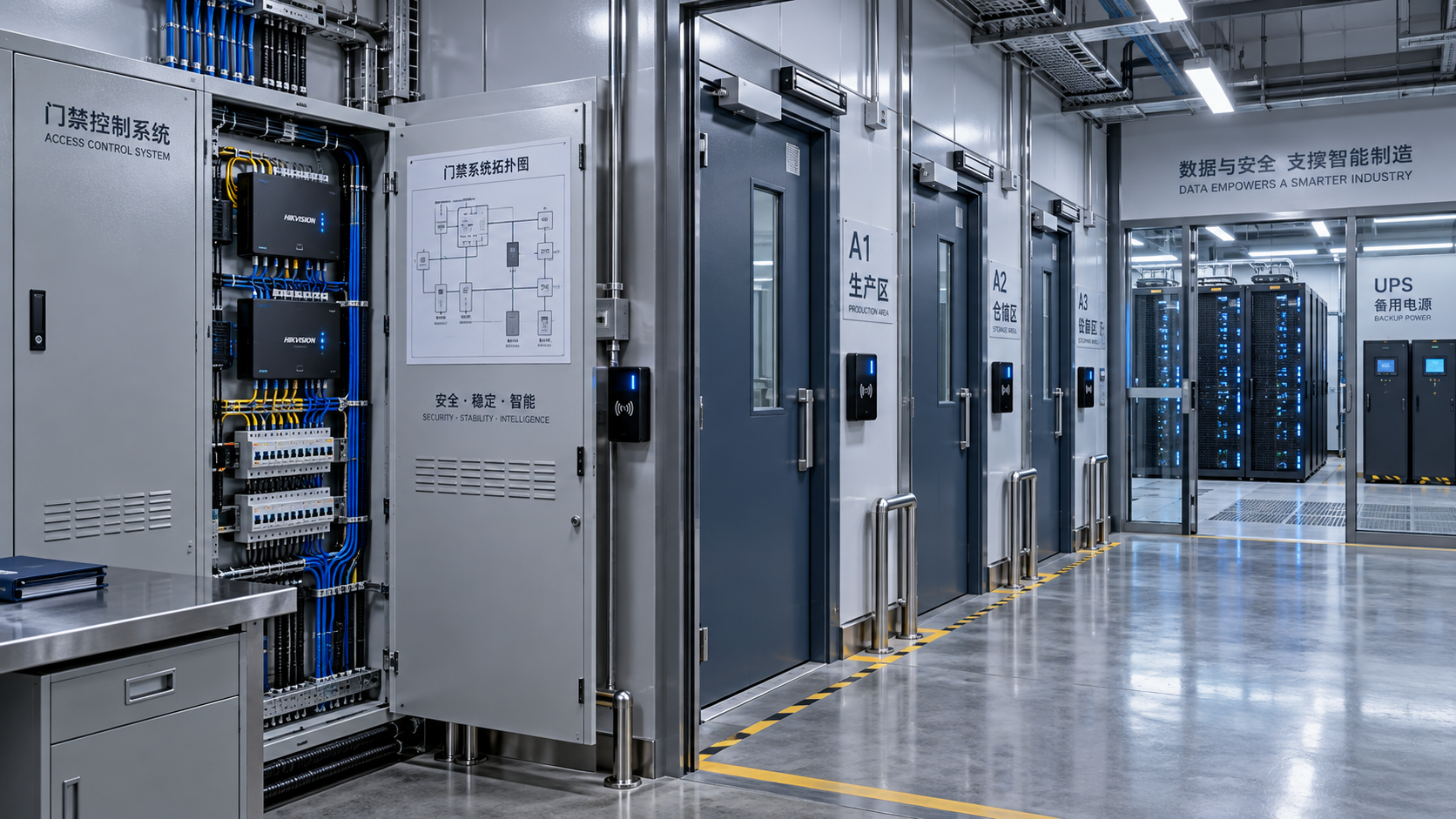
In these industrial application scenarios for safety systems, access control acts as a preventive barrier before exposure begins.
Typical use cases include substations, clean rooms, energized panels, confined spaces, laboratories, and remote unmanned assets.
Best-fit solutions
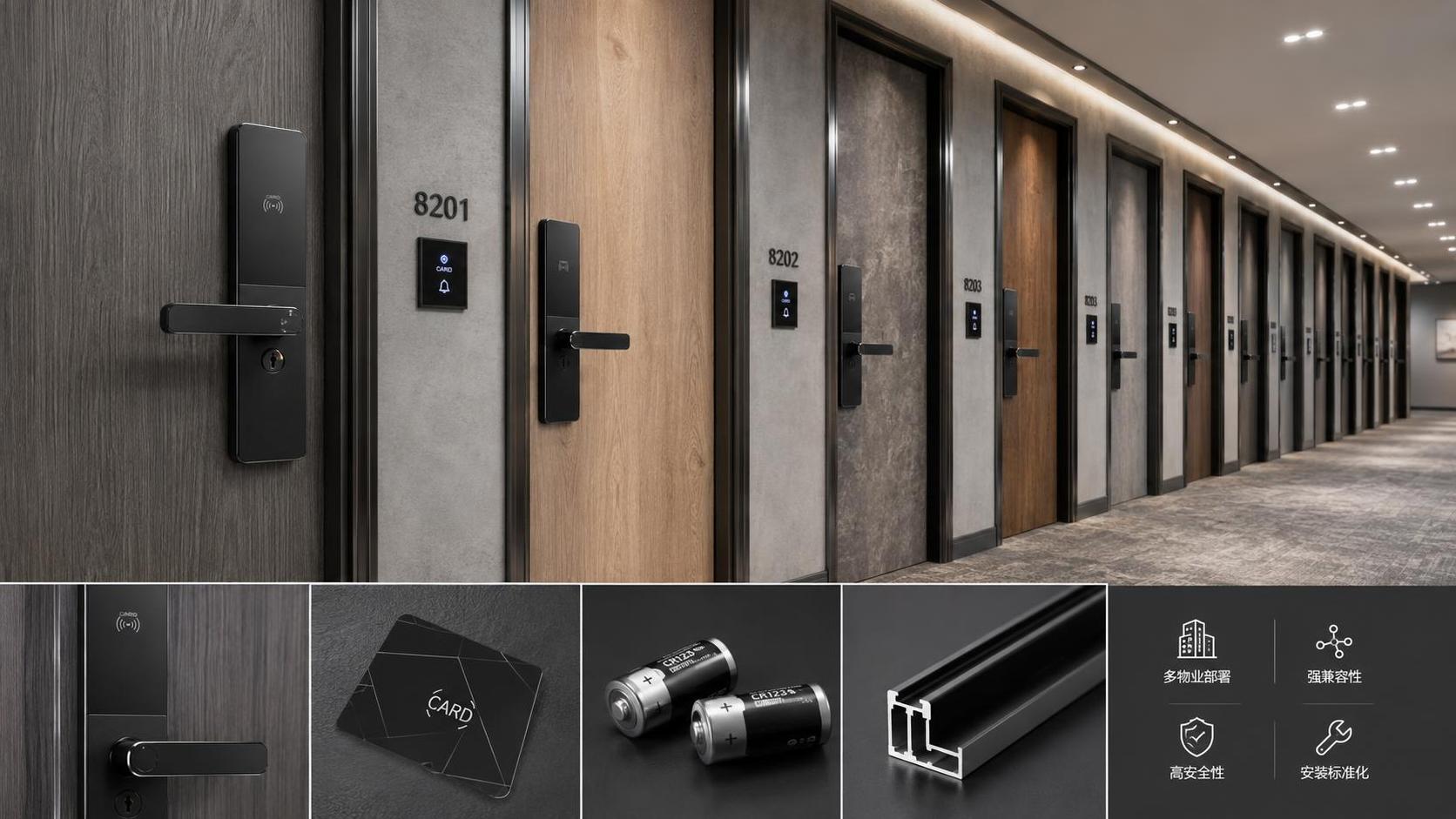
- Badge or biometric entry for controlled authorization.
- Trapped-key interlocks for hazardous switching sequences.
- Permit-linked access for maintenance shutdown tasks.
- Personnel detection for lone-worker or mustering control.
This is especially useful where procedural safety often breaks down under shift pressure or contractor turnover.
How Environmental Conditions Change System Fit
A safety device that works well indoors may fail early in corrosive, dusty, wet, or high-vibration conditions.
That is why industrial application scenarios for safety systems must include the site environment, not just the nominal hazard.
This becomes more important in mining, marine terminals, wastewater plants, foundries, and outdoor utility infrastructure.
A system may look compliant on paper yet perform poorly on site. Environmental fit is often the deciding factor.
A Practical Selection Framework for Safer Decisions
When comparing industrial application scenarios for safety systems, simple selection discipline prevents costly mismatch.
- Define the hazardous event and the required response time.
- Map operator interaction, maintenance access, and likely bypass behavior.
- Check environmental limits and certification needs.
- Review integration with existing controls, alarms, and shutdown logic.
- Test maintainability, proof testing, and spare part availability.
- Validate with real operating scenarios, not ideal design assumptions.
This framework works well across sectors because it ties selection to actual business risk, inspection readiness, and operational continuity.
For organizations managing global sourcing, it also creates a cleaner basis for comparing suppliers beyond price and catalog claims.
Final Takeaway
The most effective industrial application scenarios for safety systems are built around how risk behaves in the field.
Emergency shutdown protects unstable processes. Machine safety protects repeated human interaction. Fire and gas detection protects unseen escalation. Access control protects restricted exposure.
When those solutions are matched to process conditions, site environments, and compliance demands, safety becomes more reliable and easier to manage.
For better outcomes, review each area by scenario, verify field constraints early, and choose systems that remain dependable under real operating pressure.
Technical Specifications
- Air Handling Unit Supplier Checklist: Performance Data, Lead Times, and SupportAuthor :Environmental Engineering Director
- Buying Fiberglass Water Tanks Wholesale: Compare Quotes and Delivery CostsAuthor :Environmental Engineering Director
- Choosing an XLPE Power Cable Supplier: Test Reports, Traceability, and Lead TimesAuthor :Grid Infrastructure Analyst
Expert Insights

Chief Security Architect
Dr. Thorne specializes in the intersection of structural engineering and digital resilience. He has advised three G7 governments on industrial infrastructure security.
Related Analysis
- Oct 19, 2026Air Handling Unit Supplier Checklist: Performance Data, Lead Times, and SupportAuthor :Environmental Engineering Director
- Oct 18, 2026Buying Fiberglass Water Tanks Wholesale: Compare Quotes and Delivery CostsAuthor :Environmental Engineering Director
- Oct 17, 2026Choosing an XLPE Power Cable Supplier: Test Reports, Traceability, and Lead TimesAuthor :Grid Infrastructure Analyst
Core Sector // 01
Security & Safety
- How to Build an Equipment Budget for EPC Projects Without Underestimating Lifecycle CostsAuthor :Safety Compliance Lead

- Selecting EPC Procurement Support Tools to Reduce Vendor and Delivery DelaysAuthor :Safety Compliance Lead

- How to Select an Access Control Management System for Multi-Site FacilitiesAuthor :Safety Compliance Lead

- How to Select Electronic Hotel Key Card Locks for Guest Rooms and Staff AreasAuthor :Safety Compliance Lead

- How to Evaluate a Hotel Key Card Lock Supplier for Multi-Property RolloutsAuthor :Safety Compliance Lead

- Pre-Contract Audit Checklist for Verified Production Safety and Environmental ComplianceAuthor :Safety Compliance Lead

- How Can Distributors Build Procurement-Oriented Industrial Content That Drives RFQs?Author :Safety Compliance Lead

- EU Mandates EN 50131-1:2026 for Security SystemsAuthor :Safety Compliance Lead