IP Access Control Systems vs Traditional Door Entry: Which Fits Multi-Site Facilities?
Author
Date Published
Reading Time
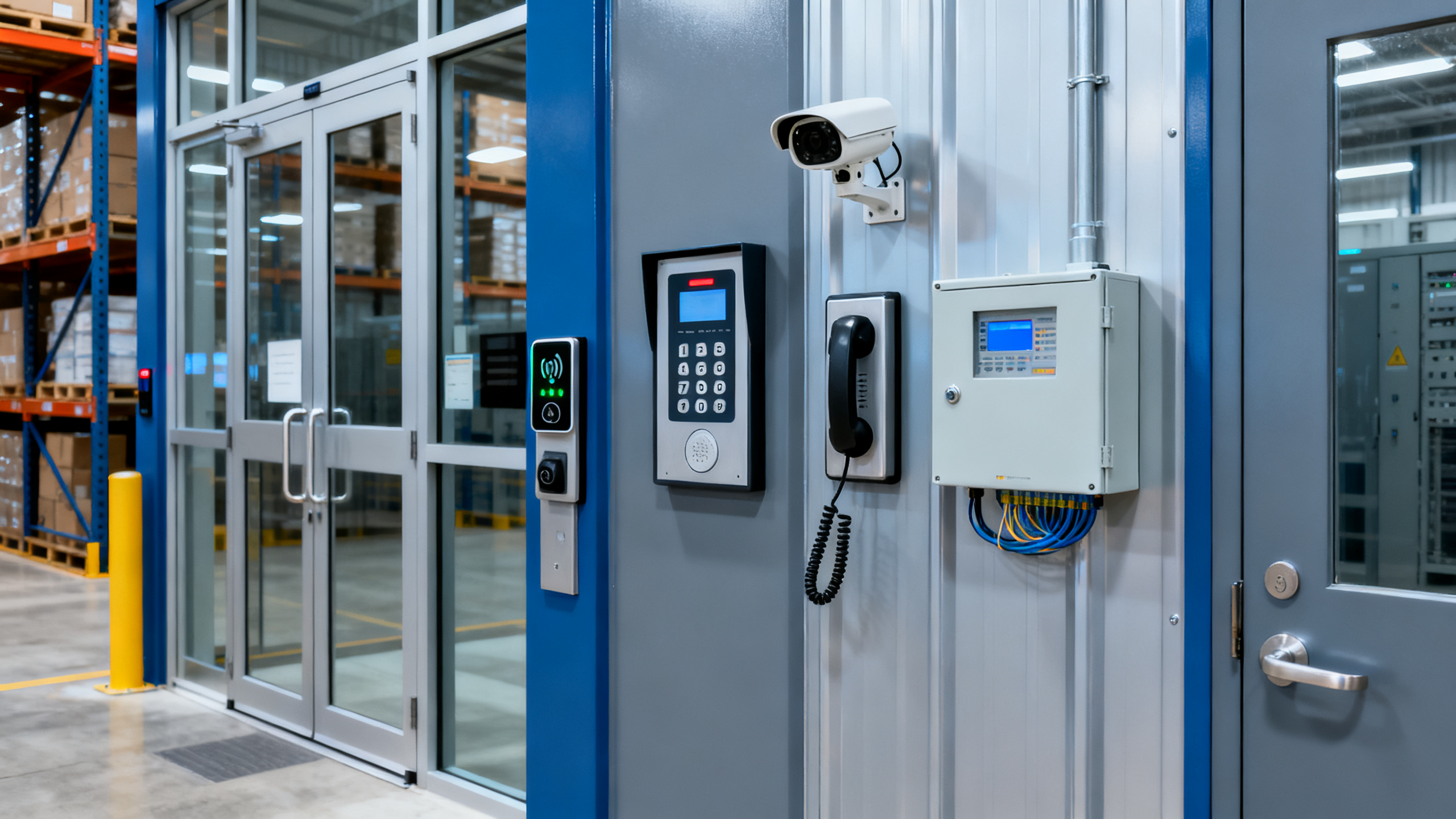
Choosing between IP access control systems and traditional door entry is rarely a simple hardware decision. Across multi-site facilities, that choice shapes how security events are seen, how quickly permissions change, and how consistently sites meet operational and compliance demands.
The question matters more in distributed industrial environments. A warehouse, utility room, fabrication unit, and regional office may share one security policy, yet each site has different risk, staffing, and infrastructure constraints.
That is why the comparison should move beyond headline features. It needs to account for network dependence, retrofit effort, audit visibility, resilience, and the pace at which a facility portfolio is expected to grow.
What separates the two approaches
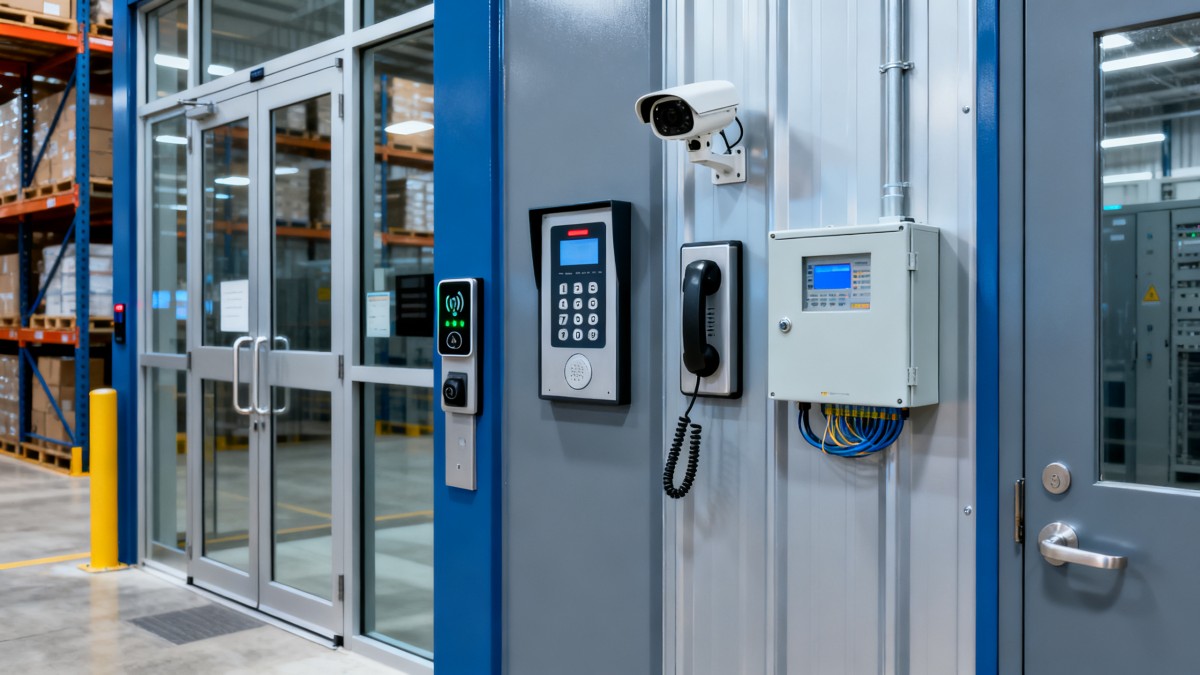
Traditional door entry usually refers to localized systems. These often rely on standalone controllers, intercoms, keypads, or badge readers managed at the building level with limited cross-site integration.
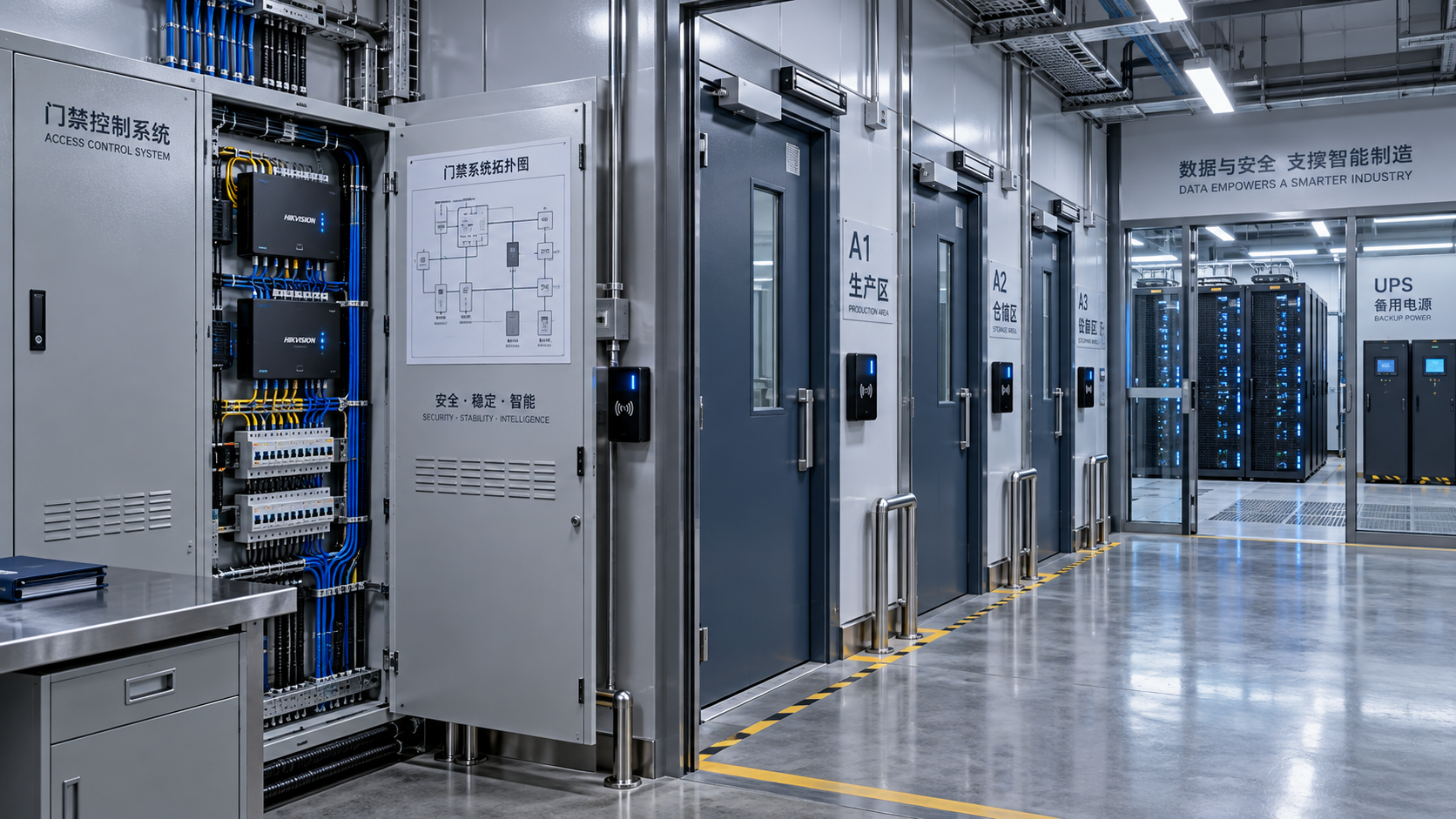
IP access control systems operate through an IP network. Doors, readers, controllers, software, and event logs are connected, allowing remote administration, centralized monitoring, and easier coordination across several facilities.
In practice, the difference is not only digital versus legacy. It is centralized intelligence versus site-by-site administration. That distinction becomes important when access rights must change quickly or security incidents cross locations.
For industrial programs, this also affects integration with video surveillance, alarm workflows, visitor management, and contractor access records. A door is only one endpoint inside a broader operational control environment.
Why multi-site facilities are rethinking door security
Multi-site operations have changed. Temporary staff move between sites. Service contractors need limited-time access. Compliance reviews demand better event history. Regional expansion adds new buildings faster than local teams can standardize them.
Under those conditions, traditional door entry can become fragmented. Each site may maintain its own user database, schedules, maintenance routine, and incident response process. Small inconsistencies eventually create real exposure.
IP access control systems respond to that pressure with centralized credential management and shared rule enforcement. A revoked credential can be updated systemwide instead of being handled manually at several doors or buildings.
This is especially relevant in sectors covered by GIC editorial priorities, where infrastructure uptime and traceability matter. Security decisions in these environments intersect with safety, power continuity, and regulated operating procedures.
Where traditional door entry still makes sense
Traditional systems are not obsolete. In a small facility with limited traffic, stable staffing, and modest reporting needs, they can remain practical and cost-effective.
They also suit sites where network upgrades are not yet available. Some remote facilities still operate with constrained bandwidth, older electrical infrastructure, or limited local technical support.
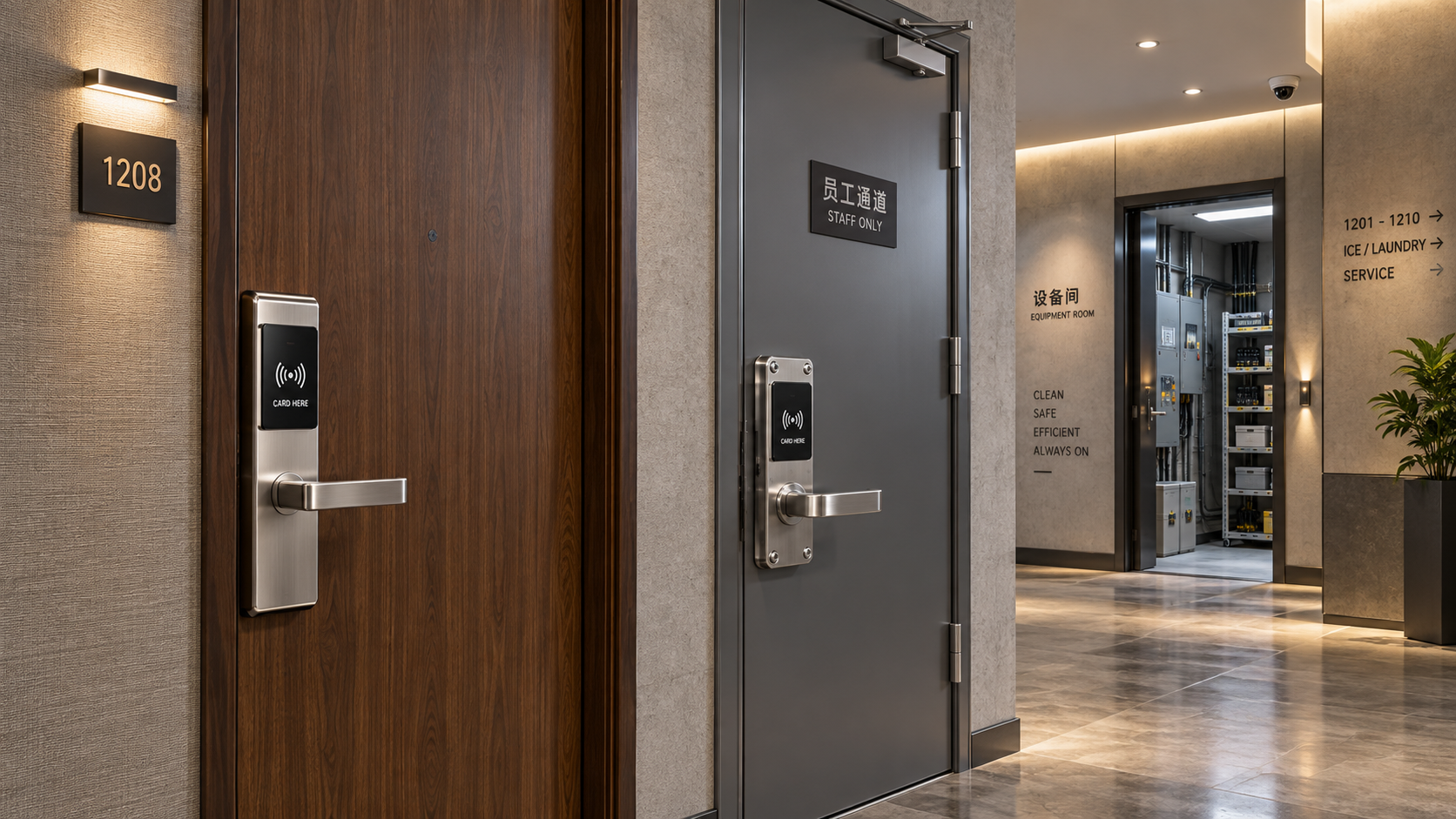
A localized system may offer adequate control at perimeter doors, equipment rooms, or staff entrances when the access matrix is simple and changes are infrequent.
The tradeoff is administrative overhead. Once several facilities need common policies, shared logs, or synchronized credential changes, traditional door entry often becomes harder to govern than its upfront cost suggests.
Where IP access control systems create stronger value
IP access control systems tend to perform well where operations are distributed but oversight must stay consistent. This includes industrial parks, logistics networks, mixed-use campuses, and multi-plant manufacturing groups.
Their value becomes clear in five areas:
- Centralized administration for users, schedules, and access levels.
- Faster onboarding and revocation for employees, visitors, and contractors.
- Unified event logs that support investigations and compliance reviews.
- Better integration with surveillance, alarms, and building systems.
- Scalability when new sites are added to an existing governance model.
For facilities that operate continuously, remote visibility is often the decisive factor. Security teams do not need to wait for manual reports from each location before identifying unusual entry activity or failed access attempts.
A practical comparison for project planning
The better fit usually depends on system behavior over time, not only on installation cost. A side-by-side view helps frame that decision more realistically.
This comparison is where many programs change direction. A lower-cost local system may appear efficient at first, yet become expensive once policy management, incident review, and site expansion are included.
The hidden decision factors often missed early
Cost matters, but capital cost alone can distort the choice. The more meaningful question is how each option behaves across the full lifecycle of the facility portfolio.
Network and power resilience
IP access control systems depend on network stability, controller architecture, and backup power design. In critical facilities, fail-safe and fail-secure behavior must be defined door by door, not assumed.
Cybersecurity exposure
Every connected access point becomes part of the broader cyber risk surface. Vendor hardening, patch management, encrypted communication, and identity governance are central, especially in industrial networks.
Compliance and evidence
Facilities working under CE, UL, ISO, or site-specific safety rules need reliable event records. Central logging can reduce friction during audits, incident investigations, and contractor access verification.
Interoperability
The strongest result usually comes from systems that can integrate with surveillance, fire interfaces, elevator control, visitor workflows, and plant security procedures without custom work at every site.
How to match the system to the site portfolio
A mixed estate rarely needs one answer everywhere. Some locations justify full IP access control systems, while others are better served by a simpler entry platform with a defined upgrade path.
A useful evaluation starts with operational patterns rather than product catalogs. Look at how people move, how often permissions change, which doors protect critical assets, and which events require immediate escalation.
- Map doors by risk level, not only by building type.
- Separate must-have controls from future integration goals.
- Check whether network infrastructure can support secure deployment.
- Review credential lifecycle processes across all sites.
- Set reporting requirements before comparing vendors.
- Test how the system behaves during outages and emergency states.
This approach aligns with how GIC frames infrastructure decisions. A system should be judged by resilience, compliance fit, and operational clarity, not only by advertised convenience.
What usually leads to a better long-term choice
For small, isolated, and stable sites, traditional door entry can still be appropriate. It remains viable when administration is light, integration needs are minimal, and the physical environment is unlikely to change.
For distributed operations, IP access control systems usually offer the stronger long-term fit. They support standardization, faster response, cleaner reporting, and better alignment with expanding industrial security programs.
The most reliable next step is to build a site-by-site matrix covering risk, traffic, compliance, network readiness, and expansion plans. That framework makes the tradeoffs visible and keeps the final decision tied to operating reality.
From there, the comparison becomes clearer: not which system sounds more advanced, but which one can protect every location with less friction, stronger evidence, and room to grow.
Technical Specifications
- Air Handling Unit Supplier Checklist: Performance Data, Lead Times, and SupportAuthor :Environmental Engineering Director
- Buying Fiberglass Water Tanks Wholesale: Compare Quotes and Delivery CostsAuthor :Environmental Engineering Director
- Choosing an XLPE Power Cable Supplier: Test Reports, Traceability, and Lead TimesAuthor :Grid Infrastructure Analyst
Expert Insights

Chief Security Architect
Dr. Thorne specializes in the intersection of structural engineering and digital resilience. He has advised three G7 governments on industrial infrastructure security.
Related Analysis
- Oct 19, 2026Air Handling Unit Supplier Checklist: Performance Data, Lead Times, and SupportAuthor :Environmental Engineering Director
- Oct 18, 2026Buying Fiberglass Water Tanks Wholesale: Compare Quotes and Delivery CostsAuthor :Environmental Engineering Director
- Oct 17, 2026Choosing an XLPE Power Cable Supplier: Test Reports, Traceability, and Lead TimesAuthor :Grid Infrastructure Analyst
Core Sector // 01
Security & Safety
- How to Build an Equipment Budget for EPC Projects Without Underestimating Lifecycle CostsAuthor :Safety Compliance Lead

- Selecting EPC Procurement Support Tools to Reduce Vendor and Delivery DelaysAuthor :Safety Compliance Lead

- How to Select an Access Control Management System for Multi-Site FacilitiesAuthor :Safety Compliance Lead

- How to Select Electronic Hotel Key Card Locks for Guest Rooms and Staff AreasAuthor :Safety Compliance Lead

- How to Evaluate a Hotel Key Card Lock Supplier for Multi-Property RolloutsAuthor :Safety Compliance Lead

- Pre-Contract Audit Checklist for Verified Production Safety and Environmental ComplianceAuthor :Safety Compliance Lead

- How Can Distributors Build Procurement-Oriented Industrial Content That Drives RFQs?Author :Safety Compliance Lead

- EU Mandates EN 50131-1:2026 for Security SystemsAuthor :Safety Compliance Lead