What makes a security & safety supplier worth trusting
Author
Date Published
Reading Time
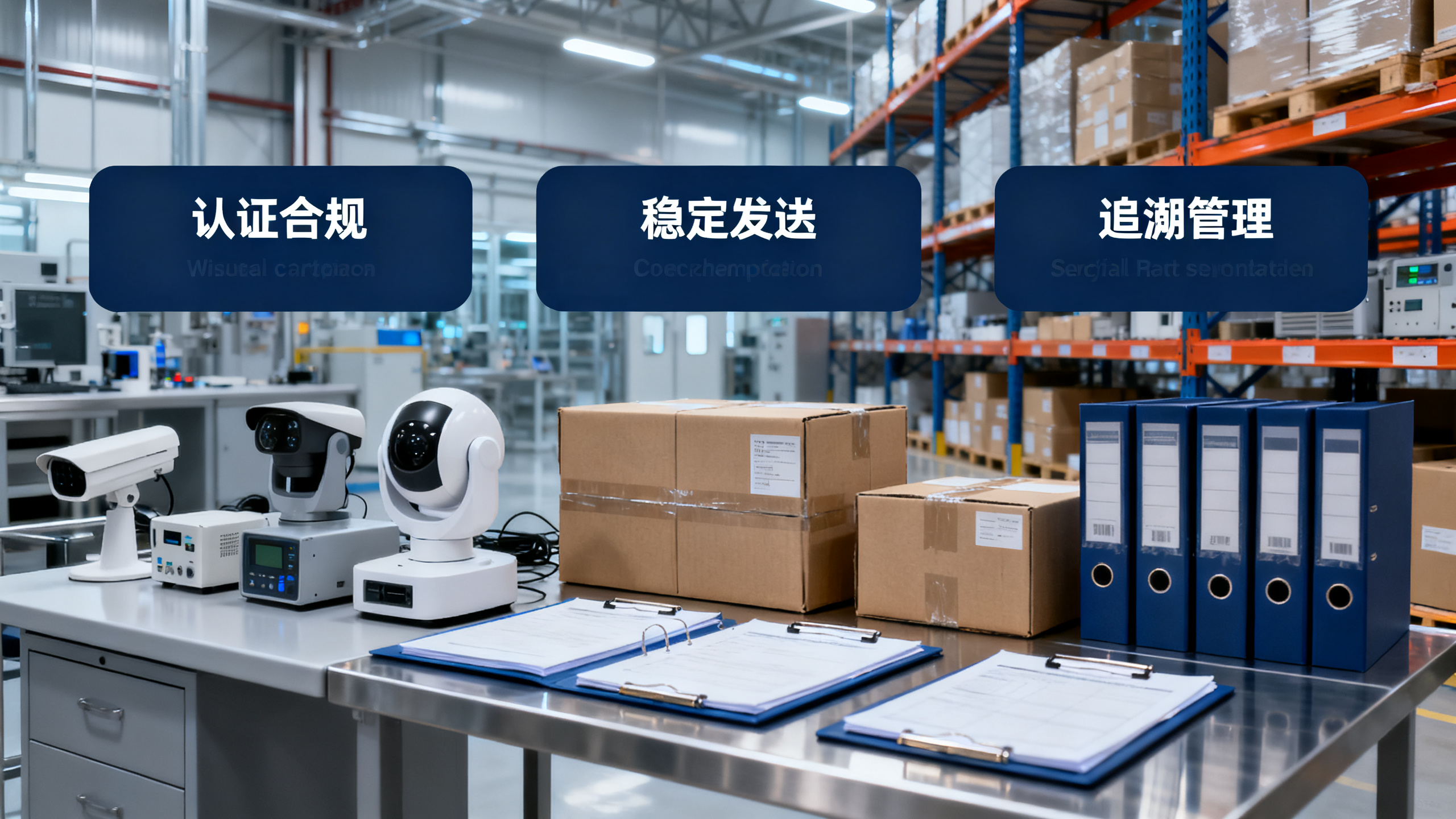
Choosing a Security & Safety supplier is not just a purchasing decision—it is a risk, compliance, and continuity strategy. For business decision-makers managing industrial projects, a trustworthy partner must prove certified quality, consistent delivery, technical expertise, and long-term reliability. This article explores the key signals that separate dependable suppliers from high-cost liabilities.
When buyers search for what makes a security & safety supplier worth trusting, they are rarely looking for theory. They want a practical way to reduce procurement risk, avoid compliance failures, and protect operations from supplier-related disruption.
For enterprise decision-makers, trust is not built through branding alone. A reliable Security & Safety supplier demonstrates verified compliance, transparent documentation, stable production capacity, responsive technical support, and a track record of performing under real operating conditions.
The most important question is simple: can this supplier help your business stay safe, compliant, and operational over time? If the answer is unclear, the supplier may create hidden costs that far exceed any initial price advantage.
What business buyers actually need to verify before they trust a supplier
Industrial and commercial buyers usually evaluate suppliers under pressure. Projects move fast, compliance obligations are strict, and downtime is expensive. In that environment, trust must be based on evidence, not sales promises.
A trustworthy Security & Safety supplier should first prove that its products meet the regulatory and operational requirements of your market. Depending on category and region, that may include CE, UL, ISO, RoHS, REACH, fire ratings, or other sector-specific certifications.
However, certificates alone are not enough. Buyers should confirm that approvals apply to the exact product model, version, and manufacturing site being quoted. One common risk is assuming a supplier is certified when only a different line or market variant has been tested.
Decision-makers should also examine whether the supplier understands application-level risks. A vendor that can explain installation conditions, environmental limitations, maintenance intervals, and failure scenarios is usually more dependable than one focused only on catalog pricing.
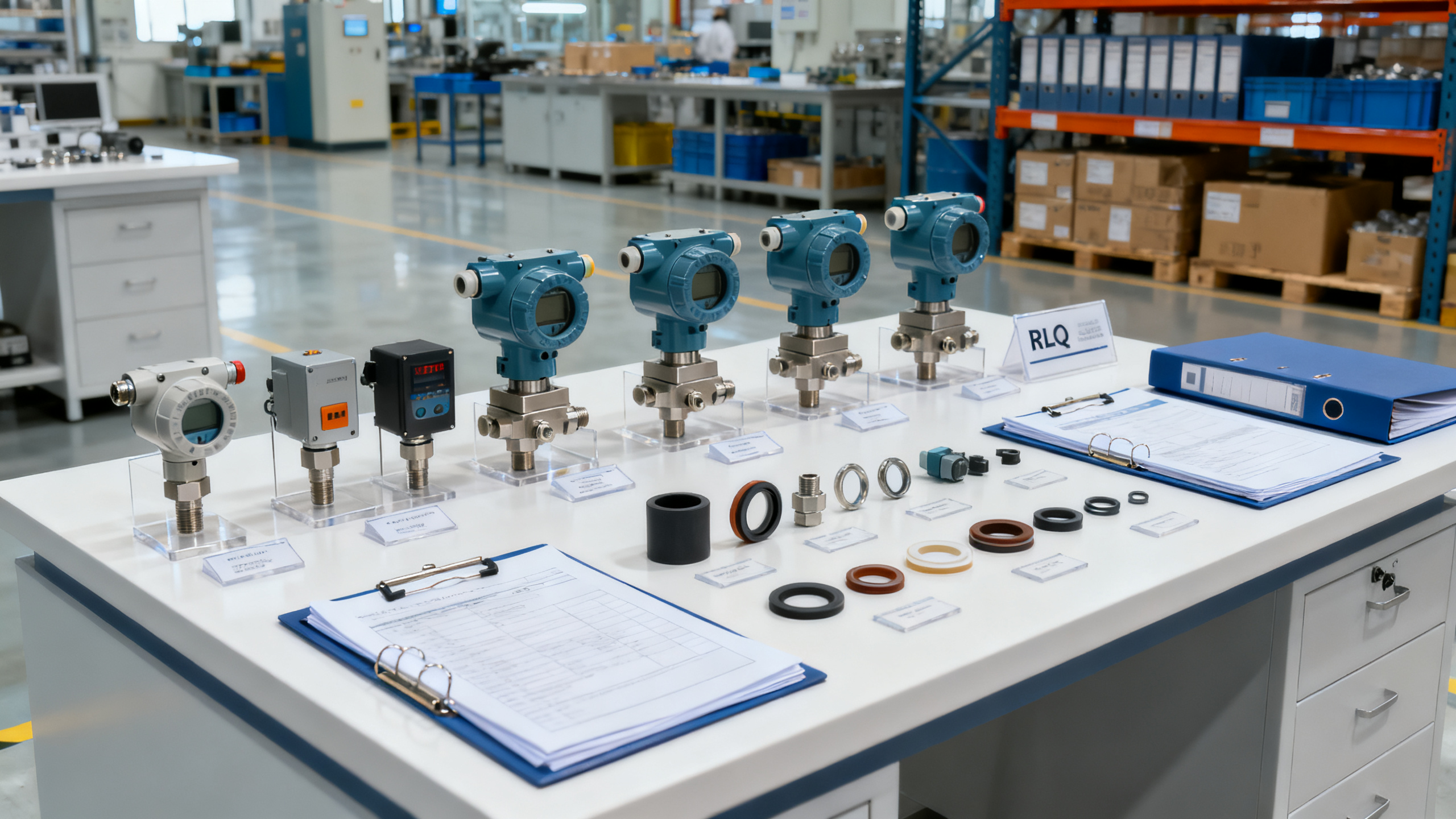
In practice, trusted suppliers make verification easier. They provide test reports, declarations of conformity, quality control records, and traceability data without delay. If critical documents are incomplete, inconsistent, or difficult to obtain, that is an early warning sign.
Certified quality matters, but consistency matters more
Many suppliers can produce an acceptable sample. Far fewer can deliver the same standard across every shipment, every lot, and every project phase. For buyers responsible for operational continuity, consistency is one of the clearest indicators of trustworthiness.
That consistency starts with manufacturing discipline. Ask whether the supplier operates under a recognized quality management system such as ISO 9001. Then go deeper: how are incoming materials inspected, how are process deviations handled, and how is final product performance validated?
Reliable suppliers can explain their control points in detail. They know where defects are most likely to occur, what tolerances are acceptable, and how they prevent variation from reaching customers. This matters especially for safety products where small inconsistencies can create major liabilities.
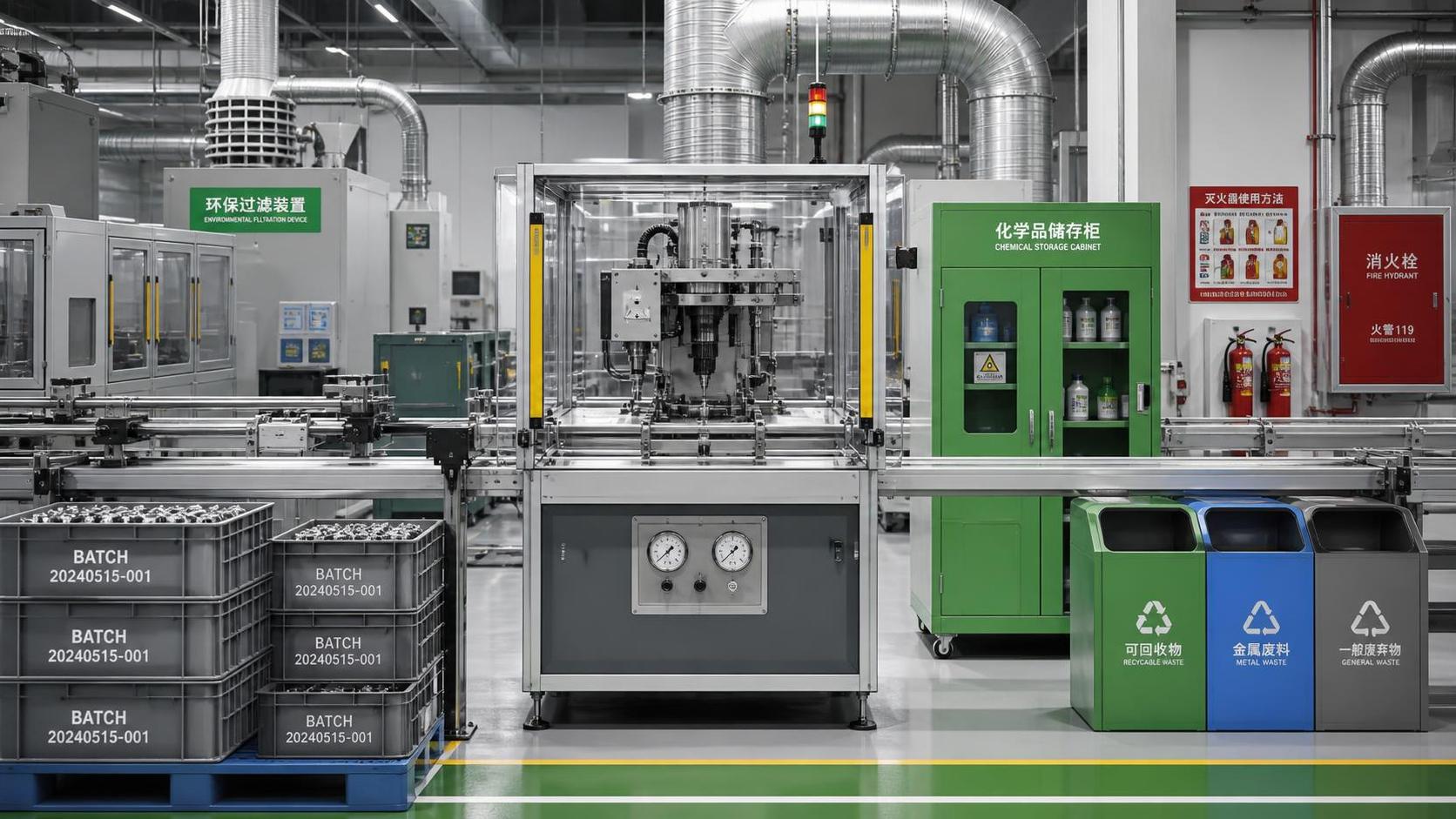
Batch traceability is another critical factor. If a product issue arises, can the supplier identify affected lots, isolate root causes, and support corrective action quickly? A supplier without traceability may increase legal exposure, replacement costs, and operational uncertainty.
Consistency also includes packaging, labeling, and logistics discipline. Products that arrive damaged, misidentified, or with incomplete documentation can delay commissioning, disrupt audits, and raise safety concerns even when the core product itself is technically acceptable.
Technical competence is what turns a vendor into a dependable partner
For complex projects, buyers do not just need product availability. They need a supplier capable of advising on fit, performance, compliance, and long-term use. Technical competence is often what separates a low-cost vendor from a supplier worth trusting.
This is especially important in Security & Safety categories where product failure can affect people, property, and regulatory standing. The supplier should be able to discuss use cases, standards alignment, integration requirements, and risk trade-offs in language your engineering and procurement teams can verify.
A trustworthy supplier does not overpromise. Instead, it defines application boundaries clearly. It tells you when a product is suitable, when another specification is needed, and what environmental or operational limits must be respected.
That level of honesty is valuable because it reduces expensive mismatch. Incorrectly specified equipment can trigger rework, failed inspections, field replacement, or performance gaps that become visible only after handover or incident review.
Strong suppliers also support the buying process with practical materials. These may include installation guides, compatibility tables, maintenance instructions, BIM or CAD resources, and access to technical contacts who can answer project-specific questions quickly.
Delivery reliability is a trust signal with direct financial impact
Many procurement teams underestimate how much trust depends on logistics performance. Even a fully certified product loses value if it arrives late, in partial quantities, or without the documentation required for customs clearance or site acceptance.
For this reason, supplier evaluation should include lead-time accuracy, inventory strategy, production redundancy, and export experience. Ask how often quoted lead times are met, what buffers exist for demand spikes, and how disruptions are communicated.
A reliable Security & Safety supplier usually has a structured supply continuity plan. That may involve qualified secondary sources, regional warehousing, safety stock policies, and documented contingency measures for raw material shortages or transport interruptions.
Buyers should also assess communication quality during fulfillment. Trust grows when updates are proactive, shipment milestones are visible, and exceptions are explained early enough for project teams to adjust. Silence during delays is often more damaging than the delay itself.
From a business perspective, dependable delivery protects revenue and schedules. It reduces idle labor, avoids contractor penalties, limits emergency purchasing, and helps keep commissioning and compliance milestones on track.
After-sales support reveals whether the supplier is built for long-term risk management
Trust does not end when the purchase order is fulfilled. In many cases, the real test begins after installation, when products require maintenance support, replacement guidance, troubleshooting, or warranty action.
Decision-makers should examine service responsiveness before awarding business. How quickly does the supplier answer technical issues? Is there a documented escalation path? Are spare parts available? What is the typical resolution timeline for quality claims?
Strong after-sales support reduces the total cost of ownership. It minimizes downtime, shortens diagnosis time, and helps internal teams resolve field issues without unnecessary replacements or operational disruption.
Warranty terms are another key signal. A trustworthy supplier offers clear, realistic coverage with defined conditions and claim procedures. Vague promises or highly restrictive exclusions can indicate that the supplier is not confident in long-term product performance.
For enterprise buyers, post-sale capability is especially important in multi-site operations. A supplier that can support standardization, replenishment planning, and lifecycle management delivers more strategic value than one focused only on transactional sales.
How to identify red flags before they become expensive mistakes
Some supplier risks are visible early, but only if buyers know what to look for. One major warning sign is documentation inconsistency, such as mismatched specifications, outdated certificates, or incomplete testing references.
Another red flag is unrealistic pricing. If a quote is far below the market without a clear explanation, buyers should investigate material quality, certification legitimacy, warranty limitations, and the likelihood of substitution after order confirmation.
Poor technical clarity is also a concern. If the supplier cannot explain standards, application limits, or installation requirements, your team may end up carrying the risk of specification errors and field performance problems.
Inconsistent communication is equally important. Delayed replies, unclear ownership, and frequent changes in commercial terms often indicate internal instability. These issues tend to intensify after the order is placed, not improve.
Finally, be cautious of suppliers with no meaningful project references, no verifiable export history, or no evidence of serving similar operational environments. Trust becomes stronger when performance can be validated in contexts comparable to your own.
A practical evaluation framework for enterprise procurement teams
To make supplier trust measurable, decision-makers should use a structured evaluation model. This helps compare vendors beyond headline price and creates alignment across procurement, engineering, quality, and operations teams.
Start with five core dimensions: compliance, product consistency, technical capability, delivery reliability, and after-sales support. Weight each factor according to business risk. In highly regulated projects, compliance and traceability may deserve the highest weighting.
Next, ask suppliers to provide evidence for each area. That can include certificates, audit summaries, sample inspection data, reference projects, lead-time performance records, and service-level commitments. Evidence-based evaluation reduces subjective bias.
It is also useful to run a pilot order or controlled trial before committing to larger volumes. This allows your team to verify packaging quality, documentation accuracy, communication speed, and product performance under realistic conditions.
Where the project value is significant, on-site or remote factory audits can provide additional confidence. Audits often reveal whether the supplier’s stated systems are truly operational or simply presented for commercial purposes.
Finally, review total business impact, not just unit cost. A slightly higher-priced supplier may be the better choice if it lowers compliance risk, prevents delays, reduces failure rates, and supports long-term operational resilience.
Why trust is a strategic advantage, not just a procurement preference
In modern industry, supplier trust directly affects resilience. Security and safety systems are closely tied to regulatory obligations, workforce protection, asset integrity, and business continuity. Weak suppliers increase exposure across all four areas.
Trusted suppliers create value in ways that are often invisible at the quotation stage. They reduce verification effort, simplify audits, improve planning confidence, and help internal stakeholders move faster with fewer disputes and fewer corrective actions.
For senior decision-makers, this matters because procurement quality influences enterprise performance. A dependable Security & Safety supplier supports smoother project execution, stronger compliance posture, and more predictable lifecycle costs.
That is why trust should be treated as a strategic selection criterion. In critical supply categories, reliability and accountability are not soft qualities. They are measurable capabilities with direct financial and operational consequences.
Conclusion
A Security & Safety supplier is worth trusting when it can prove far more than product availability. It must show verified compliance, repeatable quality, technical depth, dependable delivery, and responsive support throughout the product lifecycle.
For business decision-makers, the goal is not simply to buy safely rated products. It is to build a supply relationship that lowers risk, protects continuity, and performs reliably when standards, schedules, and real-world operating pressures are highest.
If a supplier makes documentation easy to verify, communicates clearly, understands your application, and consistently delivers on its commitments, that supplier is not just competitive. It is trustworthy in the way enterprise procurement actually needs.
In high-stakes environments, trust is earned through evidence, process, and performance over time. That is the standard buyers should apply when evaluating any Security & Safety supplier.
Technical Specifications
- How to Select Electronic Hotel Key Card Locks for Guest Rooms and Staff AreasAuthor :Safety Compliance Lead
- How to Select Lab Instruments for Reliable Chemical Analysis WorkflowsAuthor :Precision Metrology Expert
- How to Size a UPS for Server Rooms: Load, Runtime, and Redundancy FactorsAuthor :Grid Infrastructure Analyst
Expert Insights

Chief Security Architect
Dr. Thorne specializes in the intersection of structural engineering and digital resilience. He has advised three G7 governments on industrial infrastructure security.
Related Analysis
- Sep 17, 2026How to Select Electronic Hotel Key Card Locks for Guest Rooms and Staff AreasAuthor :Safety Compliance Lead
- Sep 16, 2026How to Select Lab Instruments for Reliable Chemical Analysis WorkflowsAuthor :Precision Metrology Expert
- Sep 15, 2026How to Size a UPS for Server Rooms: Load, Runtime, and Redundancy FactorsAuthor :Grid Infrastructure Analyst
Core Sector // 01
Security & Safety
- How to Select Electronic Hotel Key Card Locks for Guest Rooms and Staff AreasAuthor :Safety Compliance Lead

- How to Evaluate a Hotel Key Card Lock Supplier for Multi-Property RolloutsAuthor :Safety Compliance Lead

- Pre-Contract Audit Checklist for Verified Production Safety and Environmental ComplianceAuthor :Safety Compliance Lead

- How Can Distributors Build Procurement-Oriented Industrial Content That Drives RFQs?Author :Safety Compliance Lead

- EU Mandates EN 50131-1:2026 for Security SystemsAuthor :Safety Compliance Lead

- EU EN 50131-1:2026 Takes Effect on CCTV ComplianceAuthor :Safety Compliance Lead

- IEC Issues CCTV Interoperability Test StandardAuthor :Safety Compliance Lead

- EN 50131-4:2026 Raises EU Security Compliance BarAuthor :Safety Compliance Lead