Why Security & Safety price gaps are bigger than expected
Author
Date Published
Reading Time
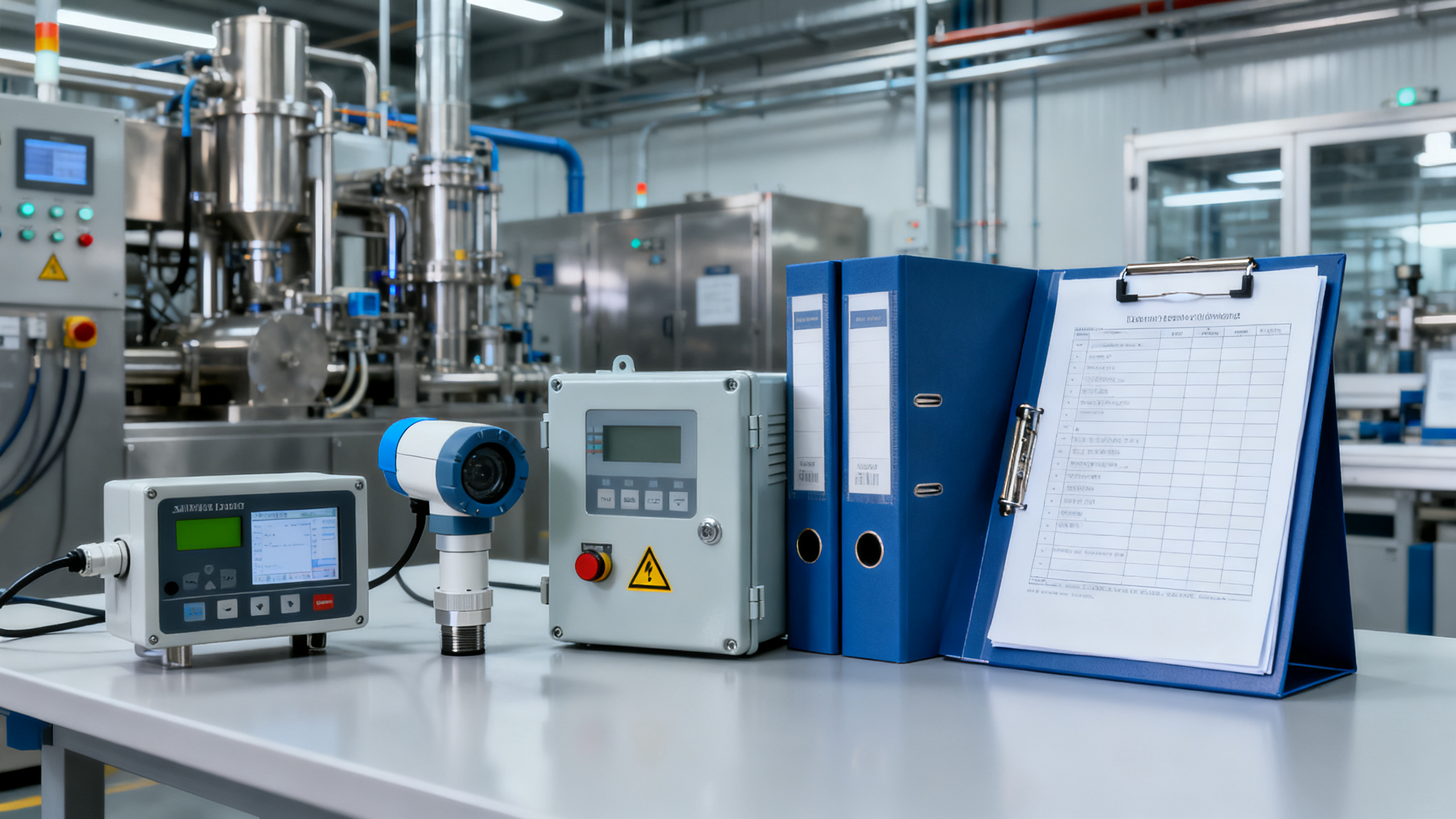
Why are Security & Safety price differences often far wider than buyers expect? For finance approvers, the answer goes beyond unit cost into certification risk, lifecycle reliability, supplier traceability, and failure exposure. This article explains how Security & Safety price structures are shaped by compliance, performance thresholds, and procurement strategy, helping decision-makers distinguish justified premiums from avoidable overspending.
Why does Security & Safety price vary so much in industrial procurement?
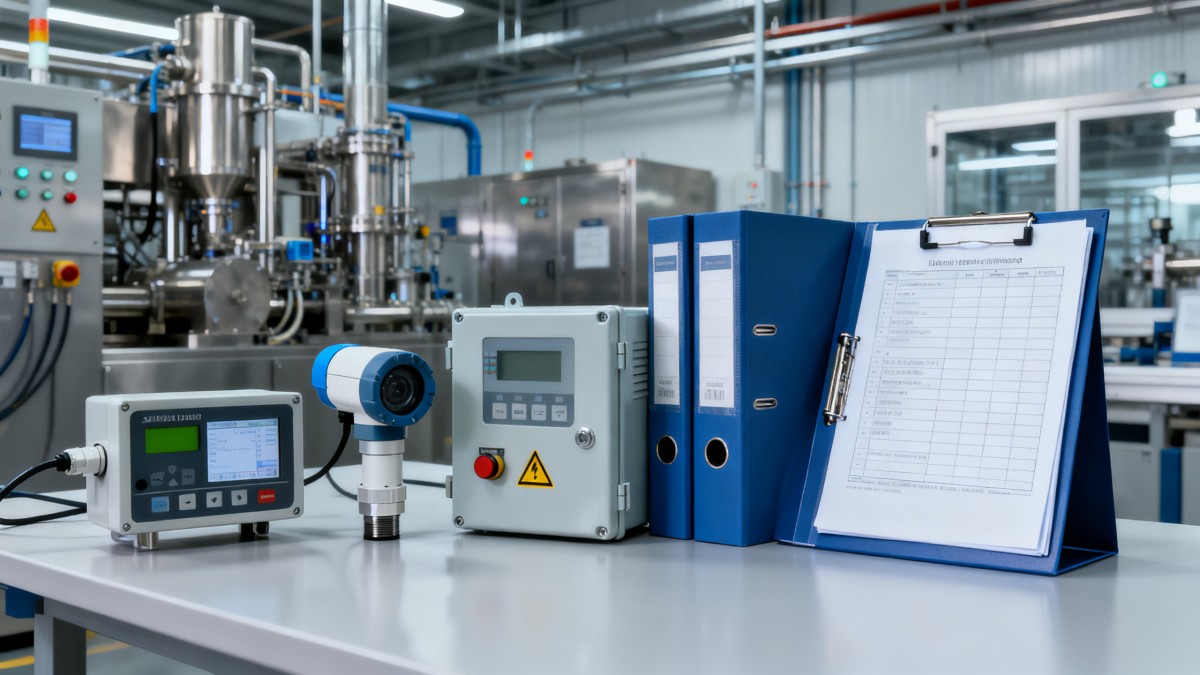
In heavy industry and cross-sector infrastructure, Security & Safety price is rarely a simple reflection of material cost. Buyers often compare two products that appear similar on paper, yet one quote may be 30% to 200% higher. The gap usually comes from hidden requirements: compliance documentation, testing rigor, component durability, environmental resistance, and service accountability.
For finance approvers, this matters because the budget line for safety devices, protective systems, detectors, emergency components, or industrial security controls can influence insurance exposure, project acceptance, and future maintenance cost. A lower purchase price may look attractive in a tender review, but it can produce larger downstream losses if the supplied item fails verification or underperforms in operation.
Global Industrial Core (GIC) approaches this question from an infrastructure perspective. In sectors where shutdowns, accidents, or non-compliance can halt a project, evaluating Security & Safety price requires a broader framework than invoice comparison. Finance teams need visibility into what the quote actually includes, what risks remain outside the quote, and which premium is economically justified.
- Certification scope: whether the offer includes recognized testing, technical files, labeling, and audit traceability.
- Performance threshold: whether the equipment can maintain function under heat, dust, vibration, corrosive air, or unstable power conditions.
- Lifecycle predictability: whether the lower quote will trigger early replacement, recalibration, re-inspection, or unplanned labor.
- Supplier accountability: whether the vendor can support documentation review, project submittals, spare parts, and incident investigation.
The core issue for financial approval
The real decision is not “cheap versus expensive.” It is “lower invoice versus lower total risk-adjusted cost.” Security & Safety price becomes wider than expected when one supplier sells hardware only, while another supplies auditable compliance, engineering support, and service continuity bundled into the offer.
Which cost drivers explain the biggest Security & Safety price gaps?
Finance teams can reduce confusion by separating visible cost from structural cost. The table below summarizes why Security & Safety price can shift significantly even within the same broad product category.
The key lesson is that Security & Safety price often includes non-visible value. When a finance approver sees a major premium, the right next step is to ask whether the premium covers regulatory acceptance, operating resilience, and support obligations. If it does, the higher quote may still be the lower total-cost option.
Where finance teams most often misread the price gap
A common error is comparing one compliant industrial-grade package with one commercial-grade substitute. They may serve different duty levels, yet appear interchangeable in a summary sheet. Another error is approving based on ex-works unit price without counting freight protection, documentation handling, inspection travel, commissioning delay, or replacement labor.
How compliance and certification reshape Security & Safety price
In industrial environments, compliance is not an administrative afterthought. It is part of the product’s economic value. CE, UL, ISO-aligned processes, and sector-specific technical requirements can materially affect Security & Safety price because they require engineering validation, documented production control, and repeatable inspection methods.
This cost increase is often justified when the equipment is tied to plant acceptance, insurance conditions, or contractor liability. A missing or weak compliance package may trigger delayed approvals, rejected deliveries, or costly substitution after installation. For a finance approver, these are not technical details; they are cash-flow and schedule risks.
The table below helps distinguish certifications that tend to influence Security & Safety price from those that mainly affect paperwork burden.
This is where GIC’s sourcing intelligence becomes useful. Instead of treating compliance as a box-ticking exercise, GIC helps buyers connect each certification-related cost to its operational and financial consequence. That perspective is especially valuable when a project team pressures finance to approve the cheapest line item without showing approval risk.
What should finance approvers compare beyond the quoted unit price?
A disciplined review of Security & Safety price should expand the decision frame from unit cost to total economic exposure. In many projects, the item price difference is smaller than the combined cost of delivery delay, documentation correction, extra installation labor, and emergency replacement.
A practical approval checklist
- Confirm the operating environment. Indoor, outdoor, high vibration, washdown, chemical exposure, and temperature extremes all affect required construction grade.
- Verify the compliance package. Ask for the exact documents needed for project approval, customs clearance, and internal audit records.
- Check service expectations. Determine whether startup support, spares, replacement lead time, and technical clarification are included or excluded.
- Estimate lifecycle cost. Include inspection frequency, calibration, consumables, expected replacement interval, and labor impact.
- Assess supplier traceability. A lower Security & Safety price becomes costly if product origin, lot records, or accountability are unclear when a failure occurs.
When finance uses this checklist, pricing outliers become easier to explain. Some premiums are real value. Others come from over-specification, distributor layering, or unnecessary features that operations will never use. The approval goal is to identify which is which.
Warning signs that a low Security & Safety price may be misleading
- The quote references standards broadly but does not identify the supporting documents.
- Lead time looks unusually short for a product that normally requires inspection or configuration.
- No clarification is given on spare parts, warranty scope, or field replacement procedure.
- The supplier cannot explain application limits such as ambient temperature, ingress protection, or power quality tolerance.
When is a premium justified, and when is it overspending?
Not every high Security & Safety price is justified. Finance approvers need a decision rule: pay for risk reduction that is measurable, auditable, or operationally necessary; challenge premiums that are cosmetic, redundant, or unsupported by the project environment.
A useful decision framework
A premium is usually justified when the item protects personnel, affects regulatory acceptance, supports a continuous process, or is difficult to replace after installation. It is often excessive when the specification contains duplicate features, unnecessary brand-driven add-ons, or performance ratings well above site conditions.
For example, a hazardous or exposed environment may warrant a substantial Security & Safety price premium because failure cost is severe. By contrast, a controlled indoor utility room may not need the same enclosure sophistication, material grade, or communication capability. Approval discipline means matching the product to the real duty profile rather than the most impressive datasheet.
How GIC helps buyers reduce cost without increasing safety risk
Global Industrial Core supports procurement decisions by translating technical and compliance variables into sourcing logic that finance can use. Instead of relying only on vendor claims, decision-makers can compare Security & Safety price through a more structured lens: operational necessity, standards relevance, supplier traceability, and lifecycle economics.
Where GIC adds practical value
- Parameter confirmation: clarifying which technical features are essential for the application and which are inflating Security & Safety price without practical return.
- Supplier screening: identifying documentation depth, quality control maturity, and support capability before approval.
- Compliance alignment: mapping project requirements to realistic certification and testing expectations.
- Quote evaluation: helping teams compare offers on landed cost, service exposure, and replacement risk rather than headline price alone.
This is particularly important for EPC contractors, plant operators, and multinational buyers working across varied jurisdictions. Security & Safety price can shift because different markets impose different acceptance norms, import controls, and documentation burdens. A sourcing decision that looks cheap in one region can become expensive after regulatory review in another.
FAQ: what finance approvers ask about Security & Safety price
How should we compare two Security & Safety quotes that look similar?
Start with scope matching. Check certification documents, environmental ratings, included accessories, spare support, and warranty response. Then estimate total installed and maintained cost. Similar-looking quotes often hide very different compliance and support obligations.
Is the lowest Security & Safety price always riskier?
Not always. Some low quotes are valid because the supplier has efficient manufacturing or a more appropriate specification. Risk rises when the low quote depends on vague compliance claims, weak traceability, or a product grade unsuited to the actual environment.
What hidden costs should be included in approval decisions?
Include document resubmission, engineering clarification time, installation rework, replacement freight, inspection delays, spare inventory, and shutdown exposure. In industrial settings, these costs can exceed the original Security & Safety price difference.
When should finance challenge a premium quote?
Challenge it when the supplier cannot link the premium to operating conditions, compliance obligations, or measurable lifecycle savings. If the extra cost is based only on branding or feature density without project relevance, it deserves scrutiny.
Why choose us for Security & Safety price evaluation and sourcing support?
If your team needs to approve Security & Safety spending with more confidence, GIC can help you move beyond headline price and examine the details that drive risk. We support buyers who need clearer answers on parameter confirmation, product selection, delivery timing, documentation scope, certification expectations, replacement planning, and quote comparison.
You can contact GIC to discuss whether a quoted premium is justified, whether a lower-cost alternative is realistically compliant, and which procurement path better fits your project schedule and operating conditions. This is especially useful when your approval depends on balancing budget discipline with audit readiness and long-term asset reliability.
For upcoming tenders or ongoing projects, consult GIC on application-specific requirements, sourcing strategy, supplier documentation review, sample support considerations, lead-time risk, and quotation alignment. Better Security & Safety price decisions start when finance, procurement, and engineering evaluate the same risk picture with the same facts.
Technical Specifications
- How to Select Electronic Hotel Key Card Locks for Guest Rooms and Staff AreasAuthor :Safety Compliance Lead
- How to Select Lab Instruments for Reliable Chemical Analysis WorkflowsAuthor :Precision Metrology Expert
- How to Size a UPS for Server Rooms: Load, Runtime, and Redundancy FactorsAuthor :Grid Infrastructure Analyst
Expert Insights

Chief Security Architect
Dr. Thorne specializes in the intersection of structural engineering and digital resilience. He has advised three G7 governments on industrial infrastructure security.
Related Analysis
- Sep 17, 2026How to Select Electronic Hotel Key Card Locks for Guest Rooms and Staff AreasAuthor :Safety Compliance Lead
- Sep 16, 2026How to Select Lab Instruments for Reliable Chemical Analysis WorkflowsAuthor :Precision Metrology Expert
- Sep 15, 2026How to Size a UPS for Server Rooms: Load, Runtime, and Redundancy FactorsAuthor :Grid Infrastructure Analyst
Core Sector // 01
Security & Safety
- How to Select Electronic Hotel Key Card Locks for Guest Rooms and Staff AreasAuthor :Safety Compliance Lead

- How to Evaluate a Hotel Key Card Lock Supplier for Multi-Property RolloutsAuthor :Safety Compliance Lead

- Pre-Contract Audit Checklist for Verified Production Safety and Environmental ComplianceAuthor :Safety Compliance Lead

- How Can Distributors Build Procurement-Oriented Industrial Content That Drives RFQs?Author :Safety Compliance Lead

- EU Mandates EN 50131-1:2026 for Security SystemsAuthor :Safety Compliance Lead

- EU EN 50131-1:2026 Takes Effect on CCTV ComplianceAuthor :Safety Compliance Lead

- IEC Issues CCTV Interoperability Test StandardAuthor :Safety Compliance Lead

- EN 50131-4:2026 Raises EU Security Compliance BarAuthor :Safety Compliance Lead