Generator Canopy for Genset: What to Check for Noise Control, Ventilation, and Access
Author
Date Published
Reading Time
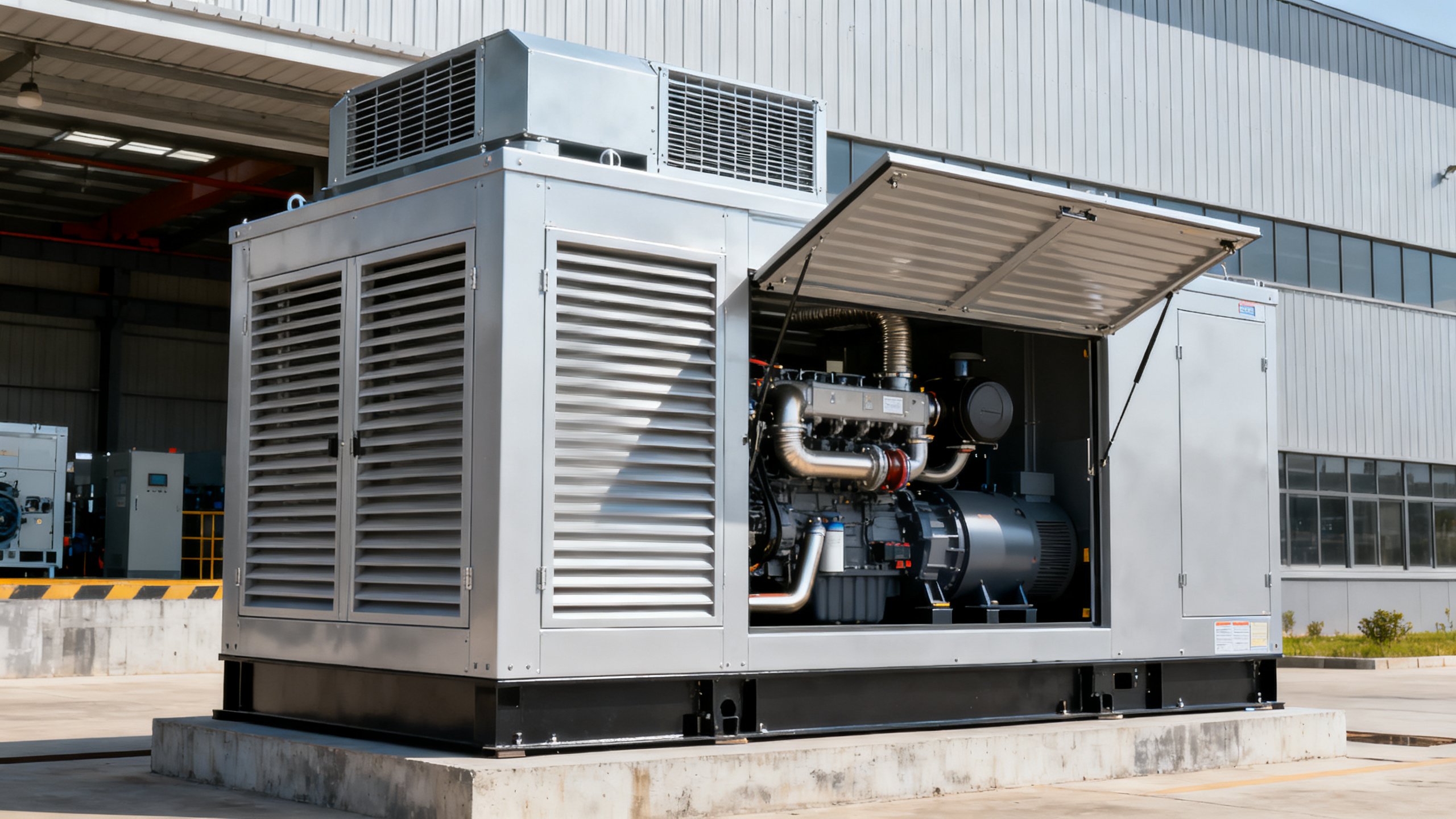
A generator canopy for genset installations is often treated as a simple enclosure, yet its real job is far more demanding. In industrial settings, the canopy must control noise, preserve airflow, release heat, resist weather, and allow safe access without slowing maintenance. When any one of those functions is underdesigned, the result can be nuisance complaints, thermal derating, service delays, or shortened equipment life.
That is why the topic deserves closer attention across power backup, construction support, utilities, process plants, logistics hubs, and remote operations. For organizations that evaluate infrastructure the way Global Industrial Core frames it, through reliability, compliance, and operational resilience, canopy design is not a cosmetic detail. It is part of the system boundary that influences how a genset actually performs in the field.
What a canopy really has to do
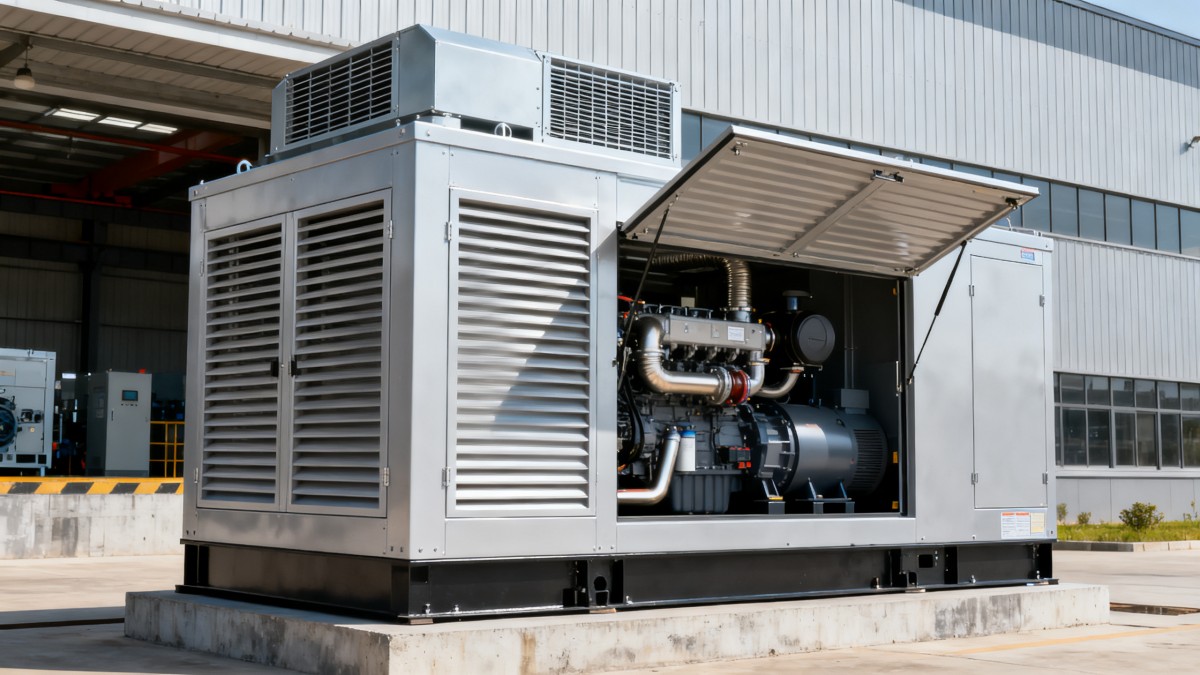
A well-built generator canopy for genset use has to balance competing requirements. It should reduce acoustic output, but not by choking intake air. It should protect against rain and dust, but still permit inspection, cable routing, and exhaust discharge.
In practice, the canopy acts as an interface between the engine, alternator, cooling package, exhaust system, and the surrounding site. That makes it relevant to electrical performance, mechanical durability, environmental control, and occupational safety at the same time.
The basic question is not whether a canopy exists. The useful question is whether the enclosure supports rated performance under the actual duty cycle, ambient conditions, and maintenance routine expected on site.
Noise control is more than a decibel figure
Many spec sheets highlight a sound level measured at a fixed distance, often under controlled conditions. That number matters, but it is only the start. A generator canopy for genset applications should be reviewed for how the acoustic result is achieved.
Key acoustic design points
- Panel construction and steel thickness, which affect vibration and panel resonance.
- Acoustic insulation type, density, and retention method under heat and moisture exposure.
- Inlet and outlet baffles that limit direct sound leakage while preserving airflow.
- Door seals, latch compression, and gaps around hinges or cable entries.
- Silencer integration, because canopy performance can be overstated if exhaust attenuation is treated separately.
A low reported dB(A) value can still disappoint on site if tonal noise, low-frequency rumble, or directional sound breakout is ignored. This is especially relevant near hospitals, data facilities, mixed-use campuses, and urban construction zones.
It is also worth checking the test basis. Free-field measurements, load condition, microphone distance, and reflective surroundings all influence the published result. Without that context, comparisons between one generator canopy for genset package and another can become misleading.
Ventilation and heat rejection decide uptime
Ventilation is often the most underestimated part of canopy evaluation. The enclosure must supply combustion air, cooling air, and alternator ventilation while preventing recirculation of hot discharge air back into the radiator inlet.
If the airflow path is restrictive, the genset may still start and run, but with rising coolant temperatures, elevated under-canopy heat, and reduced long-duration reliability. In high ambient regions, this margin disappears quickly.
What to review in the airflow path
- Radiator sizing against site ambient temperature and altitude.
- Pressure drop across louvers, screens, and acoustic splitters.
- Separation between hot air discharge and fresh air intake.
- Internal compartment layout around engine, turbocharger, and exhaust routing.
- Allowance for dust loading if filters or mesh screens are fitted.
A useful review goes beyond airflow volume alone. The more important question is whether the air moves through the canopy with a stable pressure path and without hot spots around critical components.
For standby units, poor ventilation may remain hidden until a prolonged outage occurs. For prime or continuous duty units, the issue appears sooner through derating, alarm events, and accelerated wear of hoses, insulation, and electronic components.
Access quality affects safety and service cost
A generator canopy for genset service is only practical if technicians can reach routine checkpoints quickly and safely. Access should not be judged by door count alone. The real issue is whether routine tasks can be completed without awkward posture, heat exposure, or panel removal.
Oil fill, dipstick reading, coolant top-up, battery isolation, breaker access, control panel visibility, and filter replacement should all be reviewed on the actual layout. Clearance around lifting points and removable components also matters during major servicing.
Signs of a serviceable enclosure
These details influence life-cycle cost more than many procurement teams expect. A cheaper enclosure can become expensive once maintenance time, access-related damage, and unplanned outages are counted.
Material, environment, and compliance factors
The right generator canopy for genset deployment depends heavily on site exposure. Coastal air, chemical washdown, mining dust, monsoon rainfall, and freezing climates all place different stresses on the enclosure shell and its hardware.
Corrosion resistance deserves a close look. Galvanized steel, powder coating quality, stainless fittings, drainage strategy, and base frame sealing all affect long-term durability. Water ingress around doors and roof seams should be checked before acceptance, not after the first storm.
Compliance is equally important. Depending on location and application, review may involve CE, UL-related electrical practices, ISO-aligned manufacturing discipline, local noise limits, exhaust routing rules, and fire safety requirements. GIC’s industrial perspective is useful here because enclosure quality sits at the intersection of mechanical design, electrical safety, and environmental performance.
Where evaluation criteria change by application
The same canopy specification rarely suits every operating context. Selection should follow the duty profile, site density, and maintenance model rather than a single generic template.
Typical scenarios
- Urban standby power: acoustic limits and compact footprint usually dominate.
- Remote industrial sites: robust ventilation, dust control, and service access often matter more than appearance.
- Temporary construction power: lifting strength, transport durability, and quick connection points become critical.
- Process or utility assets: reliability under extended running hours raises the importance of thermal margin and maintainability.
This is where a generator canopy for genset procurement should be assessed as part of the total package, not as an accessory. The enclosure has to match the mission profile of the machine beneath it.
A practical review framework before approval
Before final selection, it helps to organize review points into a short decision framework. That keeps discussions technical and reduces the risk of choosing on price and appearance alone.
- Confirm the rated noise level, test method, and whether the silencer is included.
- Check cooling performance at expected ambient temperature, altitude, and load duration.
- Review airflow drawings for intake and discharge separation.
- Inspect access to filters, batteries, breaker, control panel, and emergency stop.
- Verify coating system, corrosion protection, and weather sealing details.
- Align the enclosure with local compliance, occupational safety, and site noise rules.
- Request field references or test documentation when the application is high consequence.
A generator canopy for genset performance should stand up to this kind of review without relying on vague claims. The strongest options usually provide clear data, visible design logic, and fewer assumptions left for the installer to solve later.
The next step is to turn site conditions into a checklist: ambient range, noise target, run profile, maintenance access limits, and compliance obligations. Once those factors are defined, comparing canopy designs becomes more objective, and the final choice is far more likely to support reliable operation over the long term.
Technical Specifications
- Air Handling Unit Supplier Checklist: Performance Data, Lead Times, and SupportAuthor :Environmental Engineering Director
- Buying Fiberglass Water Tanks Wholesale: Compare Quotes and Delivery CostsAuthor :Environmental Engineering Director
- Choosing an XLPE Power Cable Supplier: Test Reports, Traceability, and Lead TimesAuthor :Grid Infrastructure Analyst
Expert Insights

Chief Security Architect
Dr. Thorne specializes in the intersection of structural engineering and digital resilience. He has advised three G7 governments on industrial infrastructure security.
Related Analysis
- Oct 19, 2026Air Handling Unit Supplier Checklist: Performance Data, Lead Times, and SupportAuthor :Environmental Engineering Director
- Oct 18, 2026Buying Fiberglass Water Tanks Wholesale: Compare Quotes and Delivery CostsAuthor :Environmental Engineering Director
- Oct 17, 2026Choosing an XLPE Power Cable Supplier: Test Reports, Traceability, and Lead TimesAuthor :Grid Infrastructure Analyst
Core Sector // 01
Security & Safety
- How to Build an Equipment Budget for EPC Projects Without Underestimating Lifecycle CostsAuthor :Safety Compliance Lead

- Selecting EPC Procurement Support Tools to Reduce Vendor and Delivery DelaysAuthor :Safety Compliance Lead

- How to Select an Access Control Management System for Multi-Site FacilitiesAuthor :Safety Compliance Lead

- How to Select Electronic Hotel Key Card Locks for Guest Rooms and Staff AreasAuthor :Safety Compliance Lead

- How to Evaluate a Hotel Key Card Lock Supplier for Multi-Property RolloutsAuthor :Safety Compliance Lead

- Pre-Contract Audit Checklist for Verified Production Safety and Environmental ComplianceAuthor :Safety Compliance Lead

- How Can Distributors Build Procurement-Oriented Industrial Content That Drives RFQs?Author :Safety Compliance Lead

- EU Mandates EN 50131-1:2026 for Security SystemsAuthor :Safety Compliance Lead