When a Security & Safety Supplier Becomes a Compliance Risk
Author
Date Published
Reading Time
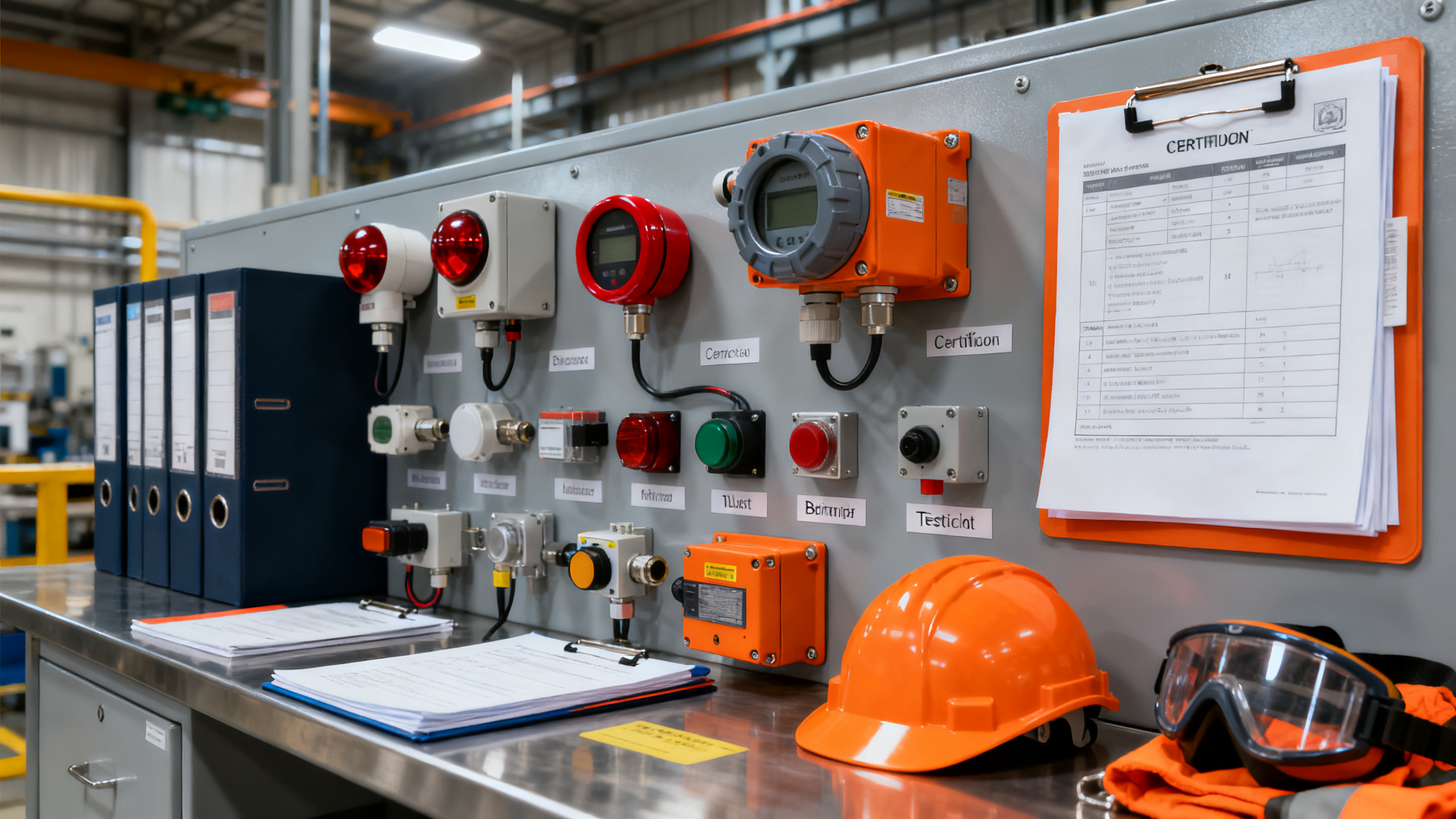
A Security & Safety supplier should reduce operational risk, not create hidden compliance exposure. In industrial environments, weak documentation can trigger failed audits, delayed commissioning, or worker injury.
The problem rarely starts with a visible defect. It often begins with missing test records, unclear certifications, outdated standards, or poor traceability across product batches and components.
When that happens, a Security & Safety supplier becomes more than a sourcing issue. It becomes a compliance risk that affects uptime, insurance confidence, and regulatory credibility.
This guide explains how to detect supplier-side compliance gaps early, how to compare risk signals, and how to build a safer approval process across industrial operations.
What makes a Security & Safety supplier a compliance risk?
A Security & Safety supplier becomes a compliance risk when products appear acceptable, but supporting evidence fails under review. The issue is not only product quality. It is proof quality.
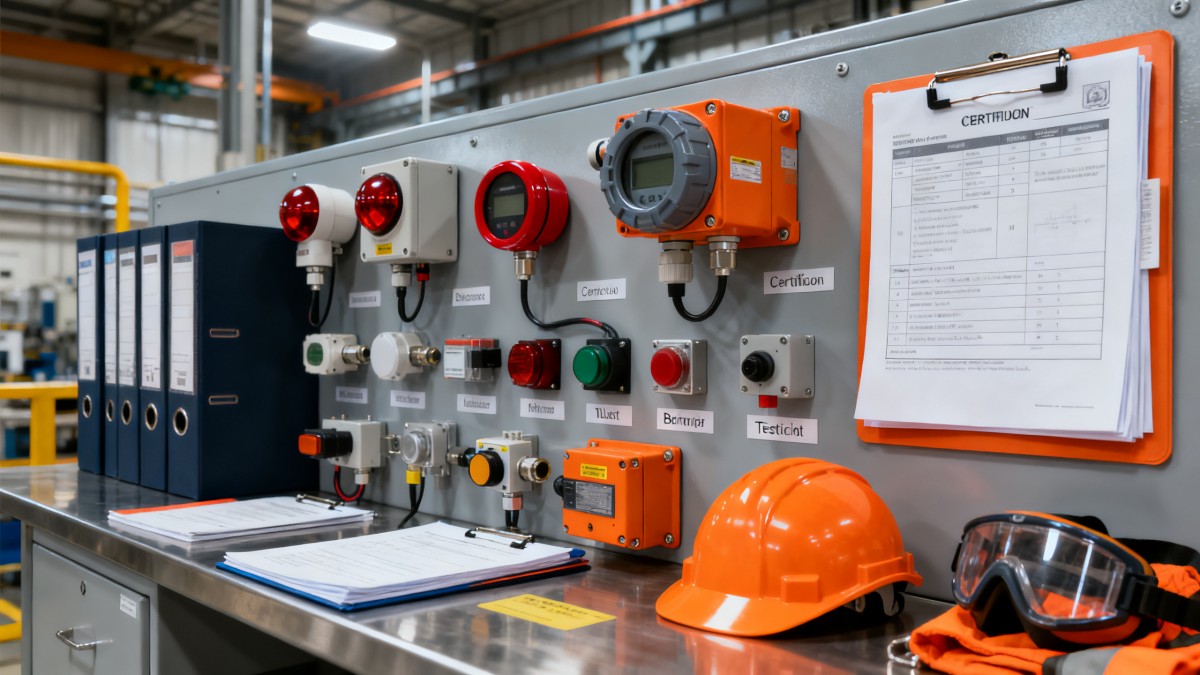
In heavy industry, compliance depends on documented alignment with standards such as CE, UL, ISO, IEC, ANSI, and local regulatory frameworks. If records are incomplete, confidence collapses quickly.
Common failures include expired certificates, mismatched model numbers, unverified laboratories, untranslated safety data, and test reports that do not reflect the delivered configuration.
Another hidden risk is scope confusion. A supplier may hold certification for one assembly, while the shipped product contains substituted parts with no equivalent validation.
This matters across alarms, PPE, sensors, interlocks, emergency lighting, fire suppression accessories, signage, barriers, and industrial monitoring devices. The same pattern appears in every category.
Key warning signs
- Certificates without issuing body verification links
- Test reports older than the current product revision
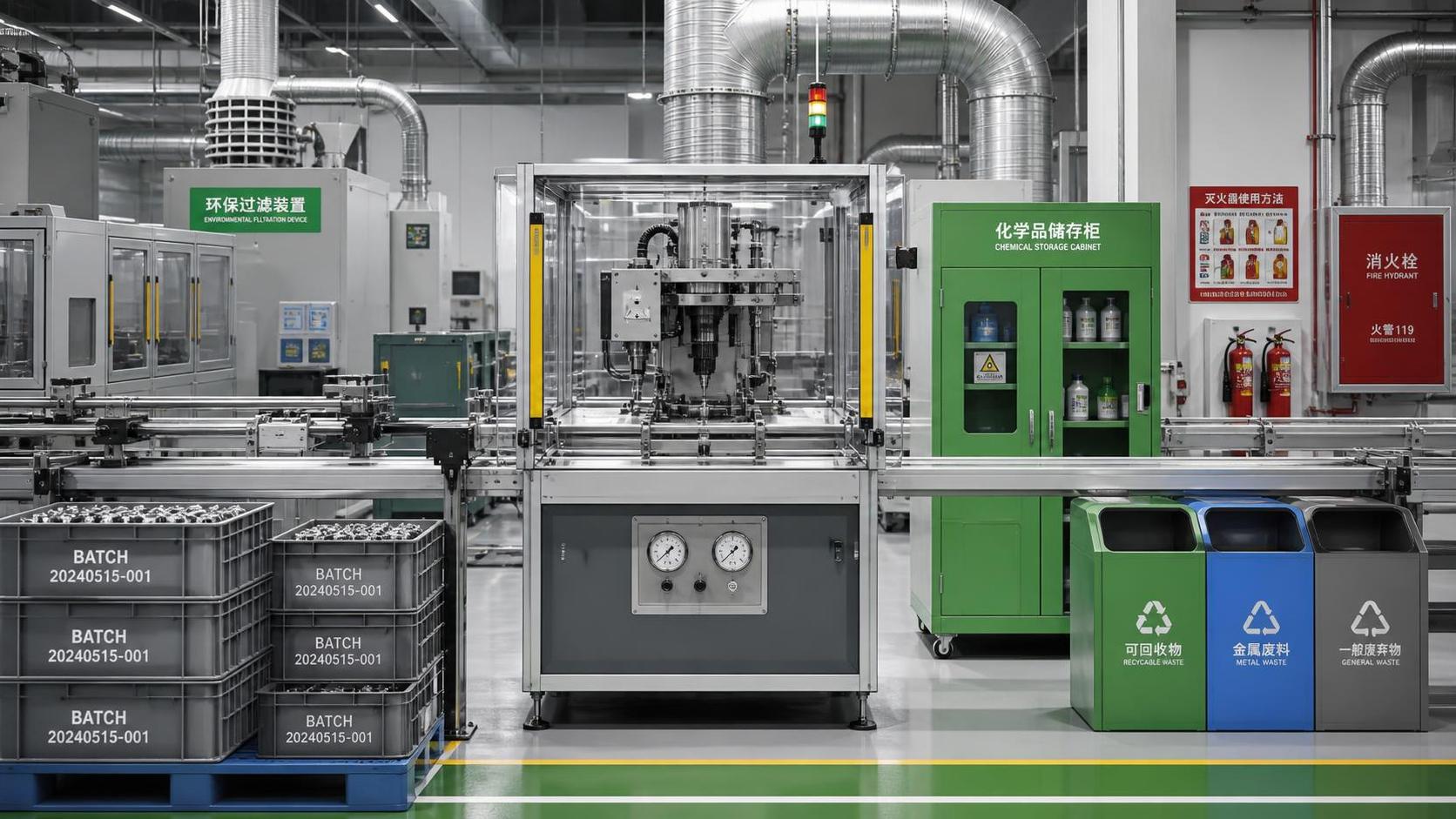
- No batch traceability for critical safety items
- Inconsistent labeling across carton, unit, and document set
- No change-control notice for material or component substitutions
How can compliance gaps from a Security & Safety supplier affect operations?
The direct impact is rarely limited to one purchase order. A noncompliant Security & Safety supplier can disrupt audits, delay project handover, and weaken site-wide risk controls.
During EPC delivery or plant upgrades, one invalid certificate can pause acceptance of connected systems. That pause can affect power-up sequences, occupancy permits, or contractual milestone payments.
Insurance and incident investigations create another layer of exposure. If a safety device fails and traceability is weak, liability often expands beyond the failed component itself.
Operationally, replacement costs can be severe. Removing installed products, retesting circuits, retraining teams, and updating technical files can cost far more than the original sourcing savings.
Typical consequences in industrial settings
- Audit nonconformities and corrective action deadlines
- Delayed commissioning or export clearance
- Safety program credibility damage
- Unexpected retrofit and revalidation costs
- Greater legal and insurance scrutiny after incidents
How do you verify whether a Security & Safety supplier is truly compliant?
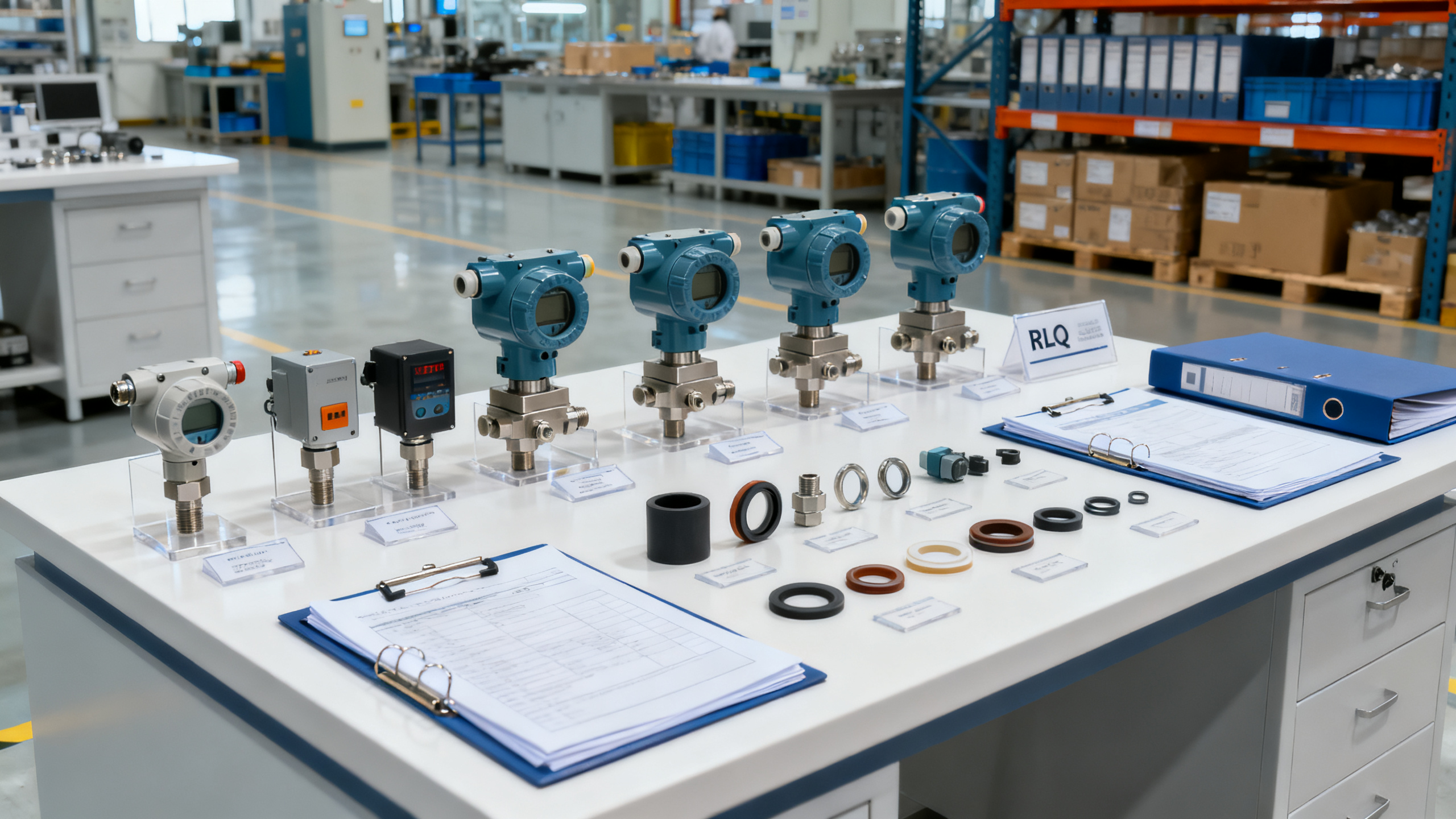
Verification should go beyond collecting certificates in a folder. A reliable Security & Safety supplier must show traceable, current, product-specific evidence linked to the exact delivered item.
Start with certificate authenticity. Confirm issuing bodies, dates, product scope, and revision numbers. Check whether the document applies to the full assembly, not just a subcomponent.
Then review technical consistency. Labels, datasheets, declarations, manuals, and packaging should match exactly. Minor mismatches often reveal deeper process weaknesses.
Ask for production traceability. Critical items should link lot code, factory, raw material, inspection result, and shipment date. Without that chain, root-cause analysis becomes slow and uncertain.
Factory control also matters. A Security & Safety supplier may outsource key steps. If subcontracting is hidden or poorly controlled, compliance can drift between approved and actual production conditions.
Practical verification checklist
Which mistakes cause teams to misjudge a Security & Safety supplier?
One common mistake is assuming that a familiar brand name guarantees current compliance. Brand recognition helps, but standards, product revisions, and regional rules change continuously.
Another mistake is focusing only on price and lead time. A lower quotation from a Security & Safety supplier can hide future costs in rework, retesting, customs delays, or failed site acceptance.
Many evaluations also stop at document collection. That approach misses whether documents are genuine, product-specific, and synchronized across the supplier’s actual production process.
A further risk appears during urgent substitutions. When original parts are unavailable, alternate items may be installed without equivalent validation under the same environmental or electrical conditions.
Frequent judgment errors
- Accepting self-declarations without third-party support
- Ignoring regional compliance differences
- Treating sample quality as proof of mass production control
- Skipping periodic requalification after first approval
How should supplier approval differ for high-risk industrial applications?
Not every item deserves the same approval depth. A Security & Safety supplier serving critical zones should face stronger verification than one supplying low-impact ancillary items.
High-risk applications include hazardous areas, confined spaces, emergency shutdown systems, fire detection loops, energized facilities, and sites with strict public safety exposure.
For these uses, approval should combine document review, sample inspection, process audit, and field condition validation. Desk-based qualification alone is often insufficient.
Environmental compatibility matters as well. Heat, vibration, moisture, corrosive chemicals, dust load, and voltage instability can invalidate assumptions made under laboratory conditions.
Suggested approval tiers
What is the most effective way to reduce Security & Safety supplier risk long term?
The strongest solution is a repeatable compliance governance process. A Security & Safety supplier should be managed through evidence, not assumptions or one-time onboarding.
Create a controlled supplier file for each approved source. Include certifications, revision history, test reports, approved models, audit findings, and escalation contacts.
Build requalification triggers. These should include standard updates, design changes, incident reports, factory relocation, material substitution, and unusual field failure patterns.
Cross-functional review improves resilience. Compliance, engineering, quality, maintenance, and project teams often detect different warning signs before failures become public problems.
Most importantly, define non-negotiable evidence requirements before purchase approval. Clear thresholds discourage weak submissions and improve long-term supplier discipline.
Fast-reference FAQ table
A Security & Safety supplier should strengthen protection, support audits, and sustain industrial reliability. If compliance evidence is weak, the supplier relationship becomes an operational liability.
The safest next step is a structured review of current supplier files, traceability records, and certificate scope against installed products. Small gaps found now prevent large disruptions later.
In complex industrial systems, trust must be documented. That is how a Security & Safety supplier moves from acceptable on paper to dependable in the field.
Technical Specifications
- How to Select Electronic Hotel Key Card Locks for Guest Rooms and Staff AreasAuthor :Safety Compliance Lead
- How to Select Lab Instruments for Reliable Chemical Analysis WorkflowsAuthor :Precision Metrology Expert
- How to Size a UPS for Server Rooms: Load, Runtime, and Redundancy FactorsAuthor :Grid Infrastructure Analyst
Expert Insights

Chief Security Architect
Dr. Thorne specializes in the intersection of structural engineering and digital resilience. He has advised three G7 governments on industrial infrastructure security.
Related Analysis
- Sep 17, 2026How to Select Electronic Hotel Key Card Locks for Guest Rooms and Staff AreasAuthor :Safety Compliance Lead
- Sep 16, 2026How to Select Lab Instruments for Reliable Chemical Analysis WorkflowsAuthor :Precision Metrology Expert
- Sep 15, 2026How to Size a UPS for Server Rooms: Load, Runtime, and Redundancy FactorsAuthor :Grid Infrastructure Analyst
Core Sector // 01
Security & Safety
- How to Select Electronic Hotel Key Card Locks for Guest Rooms and Staff AreasAuthor :Safety Compliance Lead

- How to Evaluate a Hotel Key Card Lock Supplier for Multi-Property RolloutsAuthor :Safety Compliance Lead

- Pre-Contract Audit Checklist for Verified Production Safety and Environmental ComplianceAuthor :Safety Compliance Lead

- How Can Distributors Build Procurement-Oriented Industrial Content That Drives RFQs?Author :Safety Compliance Lead

- EU Mandates EN 50131-1:2026 for Security SystemsAuthor :Safety Compliance Lead

- EU EN 50131-1:2026 Takes Effect on CCTV ComplianceAuthor :Safety Compliance Lead

- IEC Issues CCTV Interoperability Test StandardAuthor :Safety Compliance Lead

- EN 50131-4:2026 Raises EU Security Compliance BarAuthor :Safety Compliance Lead