Is this security & safety price worth the long term cost
Author
Date Published
Reading Time
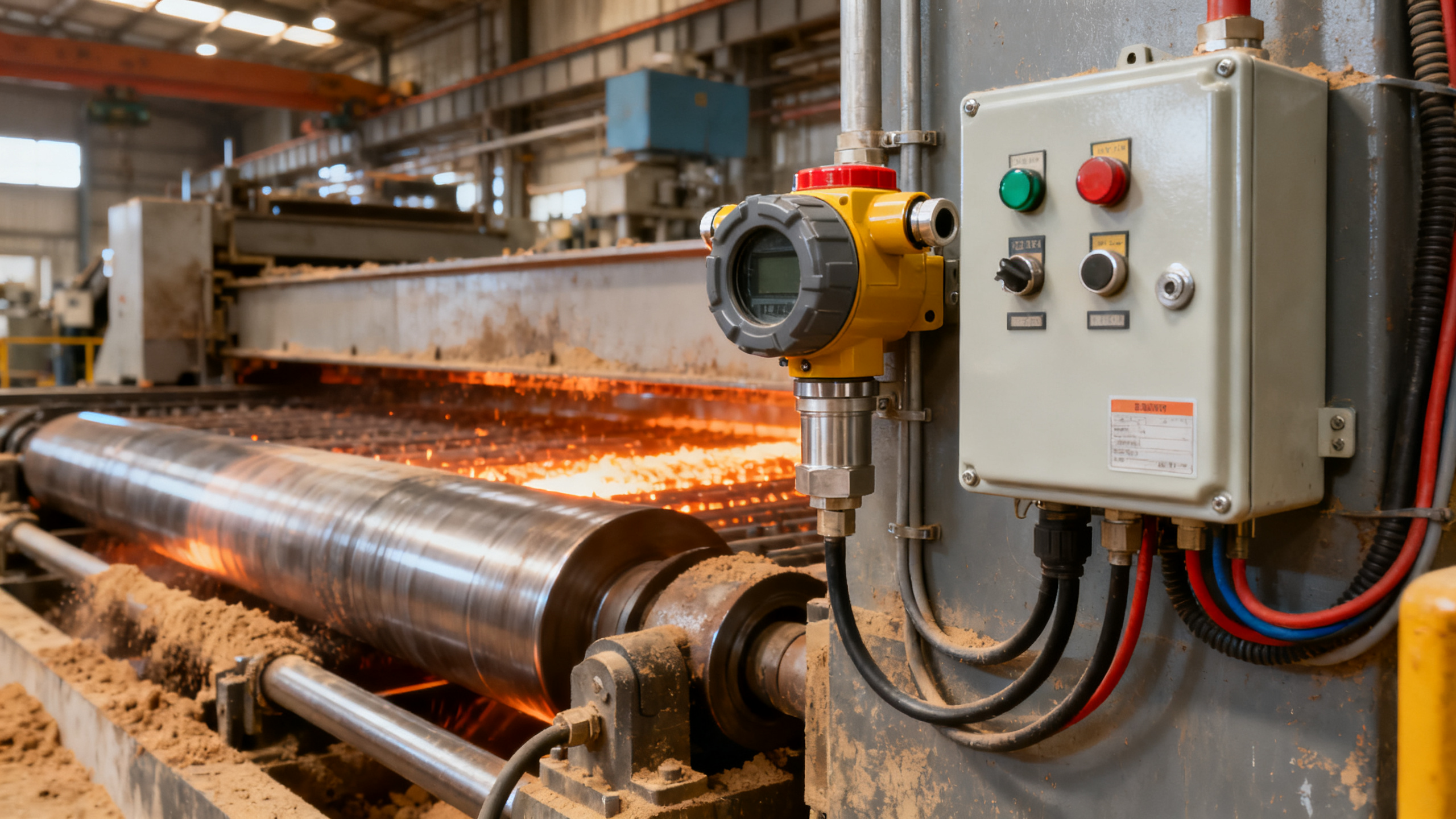
Is a higher Security & Safety price really too much, or does it reduce larger losses later? In industrial settings, price alone rarely reflects value.
A low upfront quote can hide future costs from compliance failures, outages, injuries, poor durability, and repeated replacement cycles.
This article explains how to judge Security & Safety price through total cost of ownership, risk exposure, operating continuity, and lifecycle performance.
What does Security & Safety price really include?
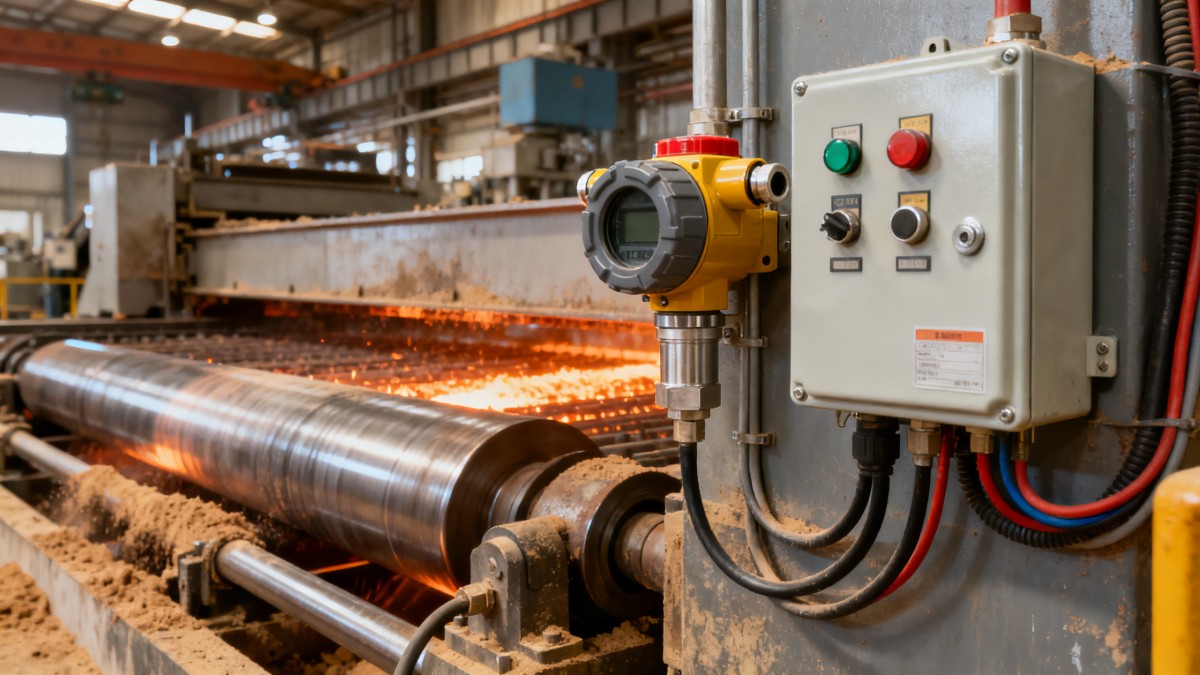
The visible invoice is only one part of the Security & Safety price. The real figure includes design quality, certification, testing, maintenance, and failure consequences.
In industrial environments, safety products often support permit compliance, site access, emergency control, and worker protection under harsh operating conditions.
That means the Security & Safety price also reflects engineering reliability, traceable components, audit readiness, and the ability to perform under heat, dust, moisture, or vibration.
When pricing seems high, it may include:
- Third-party certification such as CE, UL, or ISO-related compliance support
- Higher-grade materials for corrosion resistance or impact tolerance
- Longer service life in heavy industrial duty cycles
- Lower calibration drift or fewer false alarms
- Documented maintenance procedures and spare part continuity
Viewed this way, Security & Safety price is not just a purchasing number. It is a bundled cost of protection, assurance, and predictable performance.
Why can a lower Security & Safety price become more expensive later?
Low-cost options may look efficient during approval. However, industrial assets operate across years, not a single quarter.
If lower-priced safety equipment fails early, the replacement bill is only the first consequence. Downtime often costs more than the original item.
Consider a basic detector, interlock, enclosure, or protective device. If it malfunctions during production, several losses can appear at once.
- Production interruption and schedule delay
- Emergency troubleshooting labor
- Unexpected contractor callout charges
- Compliance review or audit findings
- Insurance, legal, or reputational exposure after incidents
A lower Security & Safety price can also create hidden integration problems. Incompatible parts may require adapters, rewiring, retraining, or software workarounds.
Those secondary costs rarely appear in supplier comparisons. Yet they directly affect lifecycle economics.
In heavy industry, one failed safety component can affect the whole system. That is why the cheapest quote is often the most expensive path.
How should long-term cost be measured instead of upfront price?
The best way to judge Security & Safety price is through total cost of ownership, often called TCO.
TCO asks a practical question: what will this solution cost over its complete service life, including failure risk?
A useful lifecycle review includes five layers.
1. Acquisition cost
This covers purchase price, freight, taxes, installation materials, and commissioning support.
2. Operating cost
Energy use, calibration frequency, inspection time, and routine servicing belong here.
3. Reliability cost
This includes expected failure rate, mean time between failure, and the cost of interruptions.
4. Compliance cost
If documentation is weak, audit preparation and corrective actions become expensive.
5. End-of-life cost
Disposal, replacement planning, downtime during changeout, and obsolete parts all matter.
A higher Security & Safety price may still win if it reduces maintenance intervals and extends usable life by several years.
That is especially true where shutdown windows are rare or process continuity is critical.
Which situations justify paying a higher Security & Safety price?
Not every application needs the premium option. The decision depends on consequence severity and environmental stress.
A higher Security & Safety price is usually justified when failure could stop production, trigger injury, or create regulatory exposure.
Common high-value scenarios include:
- Hazardous areas with strict certification requirements
- Remote facilities where repair access is difficult
- High-temperature, corrosive, or vibration-heavy environments
- Facilities with continuous processing and costly shutdowns
- Installations requiring traceable documentation for inspection
By contrast, non-critical temporary applications may tolerate a lower Security & Safety price if risks are limited and backup measures exist.
The key is matching spend to consequence. Overbuying wastes capital, but underbuying increases exposure.
How can you compare Security & Safety price options without guessing?
A structured comparison prevents decisions based only on catalog cost. Use a weighted review before selecting any option.
Start with a simple scorecard covering technical, financial, and compliance factors.
This method makes Security & Safety price more transparent. It shifts the conversation from cheap versus expensive to suitable versus risky.
What are the most common mistakes when evaluating Security & Safety price?
Several errors repeatedly distort industrial purchasing decisions.
Mistake 1: Treating all certified products as equal
Certification scope, testing depth, and documentation quality can differ significantly.
Mistake 2: Ignoring environmental severity
A competitive Security & Safety price may fail to account for chemicals, washdown, dust ingress, or thermal cycling.
Mistake 3: Excluding downtime from ROI calculations
If lost production is missing from the model, the analysis is incomplete.
Mistake 4: Buying for current budget only
Short-term savings can conflict with multi-year asset plans and maintenance strategy.
Mistake 5: Overlooking supplier continuity
Low price loses value when technical support, documentation, or replacement parts disappear after installation.
Avoiding these mistakes improves decision quality and gives the Security & Safety price real business context.
FAQ: How should Security & Safety price be judged in practice?
In the end, Security & Safety price is worth the long-term cost when it reduces larger operational and financial risks.
The strongest decisions compare compliance, durability, maintenance demand, integration fit, and downtime exposure together.
Before approving any option, build a brief lifecycle model. Test the quoted Security & Safety price against real service conditions, not just spreadsheet pressure.
That approach supports safer operations, stronger asset resilience, and better capital efficiency across the full industrial lifecycle.
Technical Specifications
- How to Select Electronic Hotel Key Card Locks for Guest Rooms and Staff AreasAuthor :Safety Compliance Lead
- How to Select Lab Instruments for Reliable Chemical Analysis WorkflowsAuthor :Precision Metrology Expert
- How to Size a UPS for Server Rooms: Load, Runtime, and Redundancy FactorsAuthor :Grid Infrastructure Analyst
Expert Insights

Chief Security Architect
Dr. Thorne specializes in the intersection of structural engineering and digital resilience. He has advised three G7 governments on industrial infrastructure security.
Related Analysis
- Sep 17, 2026How to Select Electronic Hotel Key Card Locks for Guest Rooms and Staff AreasAuthor :Safety Compliance Lead
- Sep 16, 2026How to Select Lab Instruments for Reliable Chemical Analysis WorkflowsAuthor :Precision Metrology Expert
- Sep 15, 2026How to Size a UPS for Server Rooms: Load, Runtime, and Redundancy FactorsAuthor :Grid Infrastructure Analyst
Core Sector // 01
Security & Safety
- How to Select Electronic Hotel Key Card Locks for Guest Rooms and Staff AreasAuthor :Safety Compliance Lead

- How to Evaluate a Hotel Key Card Lock Supplier for Multi-Property RolloutsAuthor :Safety Compliance Lead

- Pre-Contract Audit Checklist for Verified Production Safety and Environmental ComplianceAuthor :Safety Compliance Lead

- How Can Distributors Build Procurement-Oriented Industrial Content That Drives RFQs?Author :Safety Compliance Lead

- EU Mandates EN 50131-1:2026 for Security SystemsAuthor :Safety Compliance Lead

- EU EN 50131-1:2026 Takes Effect on CCTV ComplianceAuthor :Safety Compliance Lead

- IEC Issues CCTV Interoperability Test StandardAuthor :Safety Compliance Lead

- EN 50131-4:2026 Raises EU Security Compliance BarAuthor :Safety Compliance Lead