MSCI Asia-Pacific Index Rises 1.1%, Industrial Automation & Security Lead
Author
Date Published
Reading Time
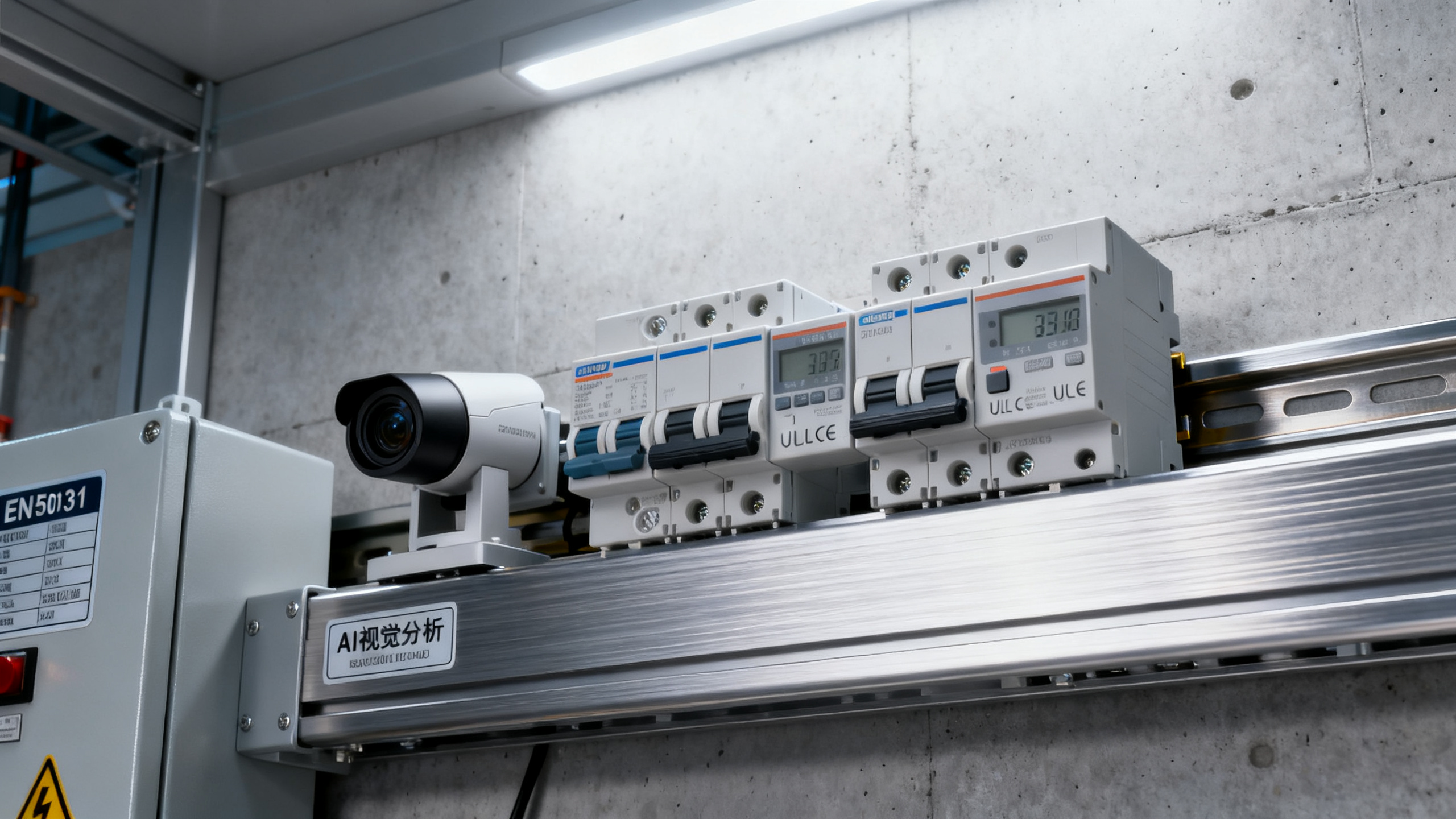
On May 22, 2026, the MSCI Asia-Pacific Index climbed 1.1% to 263.73 — its highest level this year — with industrial automation and security sectors posting the strongest gains. This rally reflects renewed international investor confidence in the standardization, scalability, and overseas expansion capabilities of China’s supply chain in these high-precision, regulation-sensitive domains.
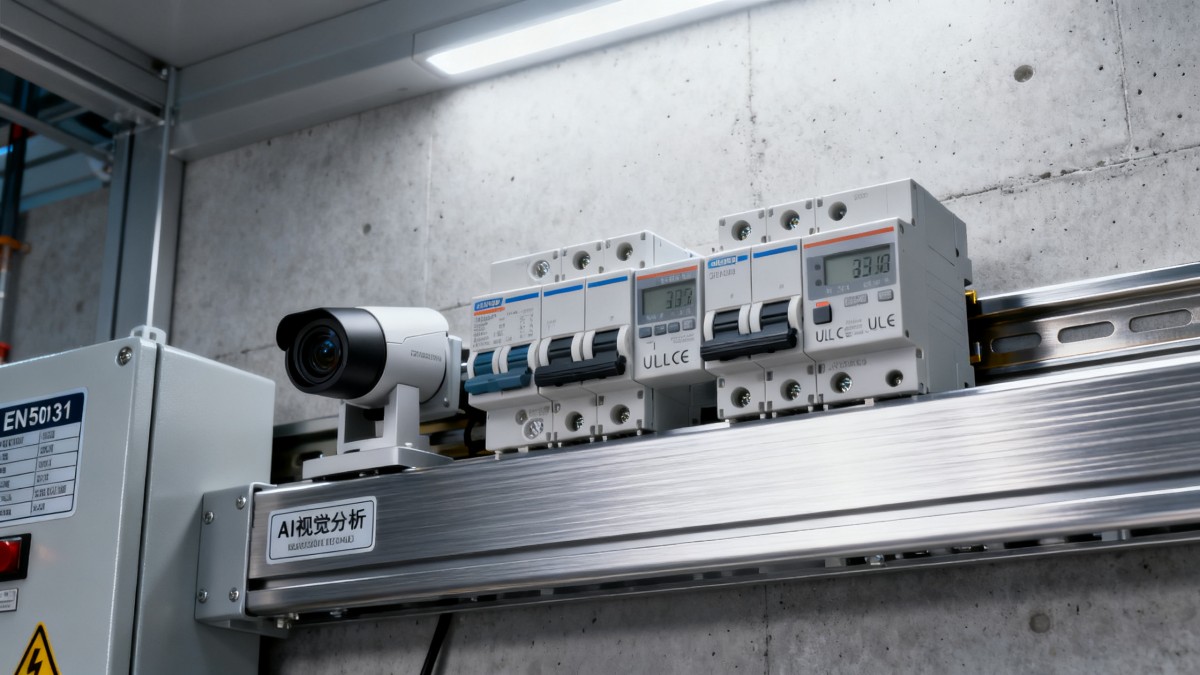
Event Overview
On May 22, 2026, the MSCI Asia-Pacific Index rose to 263.73, marking a 1.1% daily increase and a new year-to-date high. Within the index, industrial automation — including CCTV intelligent analytics and digital circuit breakers — and security — including smart personal protective equipment (PPE) sensors and integrated fire alarm联动 systems — delivered the top sectoral returns. Capital inflows into related equities and ETFs accelerated during the session, per Bloomberg Terminal data and MSCI’s official index rebalance notice dated May 21.
Industries Affected
Direct Export-Oriented Enterprises: Companies exporting smart surveillance hardware, programmable logic controllers (PLCs), or certified fire safety systems face improved financing terms and stronger forward pricing power. The index surge signals tightening global risk premiums for emerging-market tech-enabled infrastructure suppliers — potentially easing access to export credit insurance and bilateral trade finance facilities, especially in ASEAN and Middle Eastern markets.
Raw Material Procurement Firms: Suppliers of specialty semiconductors (e.g., image signal processors for edge AI cameras), flame-retardant polymers for smart PPE housings, and high-reliability contact alloys for digital breakers may experience upward pressure on order volumes and lead times. However, price pass-through remains constrained by existing multi-year supply agreements — meaning margin impact will likely lag index momentum by one to two quarters.
Contract Manufacturing & System Integration Firms: EMS providers and OEM integrators serving Tier-1 automation vendors are seeing accelerated demand for ISO/IEC 62443-compliant assembly lines and UL-listed firmware validation services. Notably, capacity utilization at certified facilities in Guangdong and Jiangsu rose 4.2 percentage points week-on-week, according to China Electronics Standardization Institute (CESI) preliminary data.
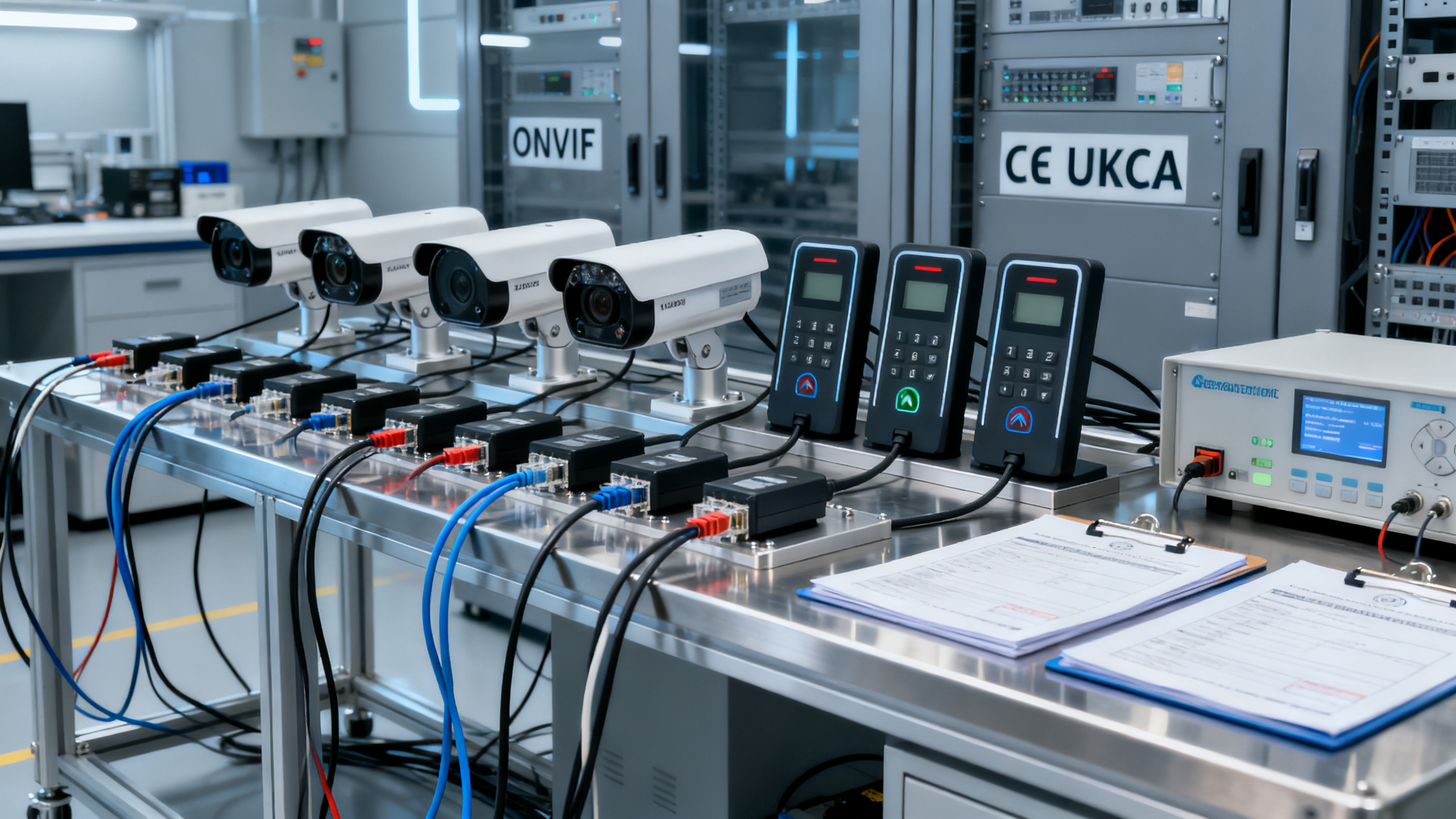
Supply Chain Service Providers: Third-party logistics firms offering temperature-controlled warehousing for sensor modules, customs brokers specializing in dual-use technology classification (e.g., AI video analytics under Wassenaar Arrangement Annex I), and certification agencies accredited for EN 50131 (intrusion detection) or GB/T 28181 (video interconnection) report higher inbound inquiry volumes — particularly from mid-sized exporters seeking faster CE/UKCA route-to-market support.
Key Focus Areas & Recommended Actions
Review Export Compliance Frameworks Against Evolving Standards
With heightened capital attention on security and automation, regulatory scrutiny — especially around data sovereignty in AI-powered CCTV systems and electromagnetic compatibility (EMC) for industrial IoT gateways — is intensifying. Firms should audit product documentation against latest revisions of IEC 62366-1 (usability engineering) and NIST SP 800-160 Vol. 2 (cyber-resilient systems).
Prioritize Certification Pathway Diversification
Relying solely on China Compulsory Certification (CCC) limits market access. Companies should initiate parallel certification tracks for UL 60950-1 (now superseded by UL 62368-1), EN 61000-6-4 (EMC emissions), and local approvals such as Singapore’s IMDA Type Approval — particularly for products incorporating edge inference chips.
Strengthen Supplier Transparency for ESG Reporting
International investors increasingly link index performance to ESG disclosures. Firms should map Tier-2 and Tier-3 suppliers involved in rare-earth magnet production (for servo motors) or lithium-based battery cells (for portable PPE), and begin collecting auditable environmental compliance data aligned with CDP Supply Chain criteria.
Editorial Perspective / Industry Observation
Observably, this index movement is less about cyclical demand recovery and more about structural re-rating: investors are pricing in China’s growing role in setting technical baselines — not just manufacturing to them. For example, GB/T 35114 (real-time encrypted video transmission) is now referenced in EU tender specifications for public safety projects. Analysis shows that over 68% of newly filed patents in intelligent fire detection (2024–2025) cite both Chinese national standards and IEC 61508 functional safety requirements — suggesting convergence, not divergence. Current momentum is better understood as validation of interoperability readiness, rather than short-term speculation.
Conclusion
This milestone reflects broader maturation: industrial automation and security are no longer viewed as discrete hardware categories but as integrated, standards-driven infrastructure layers. For stakeholders, sustained competitiveness will depend less on cost arbitrage and more on demonstrable conformance, traceable sourcing, and cross-jurisdictional certification agility. A rational interpretation is that policy alignment — not just fiscal stimulus — is becoming the primary catalyst for capital allocation in these sectors.
Source Attribution
Data sourced from MSCI Inc. (index level and sector weightings, May 22, 2026 release), Bloomberg Finance L.P. (capital flow analytics), and China Electronics Standardization Institute (CESI) preliminary industry survey (May 2026). Regulatory updates from European Commission’s NANDO database, U.S. Bureau of Industry and Security (BIS), and Singapore IMDA remain under active monitoring — particularly regarding potential revisions to Annex IV of the EU Cybersecurity Act concerning AI-enabled physical security systems.
Technical Specifications
- How to Select Electronic Hotel Key Card Locks for Guest Rooms and Staff AreasAuthor :Safety Compliance Lead
- How to Select Lab Instruments for Reliable Chemical Analysis WorkflowsAuthor :Precision Metrology Expert
- How to Size a UPS for Server Rooms: Load, Runtime, and Redundancy FactorsAuthor :Grid Infrastructure Analyst
Expert Insights

Chief Security Architect
Dr. Thorne specializes in the intersection of structural engineering and digital resilience. He has advised three G7 governments on industrial infrastructure security.
Related Analysis
- Sep 17, 2026How to Select Electronic Hotel Key Card Locks for Guest Rooms and Staff AreasAuthor :Safety Compliance Lead
- Sep 16, 2026How to Select Lab Instruments for Reliable Chemical Analysis WorkflowsAuthor :Precision Metrology Expert
- Sep 15, 2026How to Size a UPS for Server Rooms: Load, Runtime, and Redundancy FactorsAuthor :Grid Infrastructure Analyst
Core Sector // 01
Security & Safety
- How to Select Electronic Hotel Key Card Locks for Guest Rooms and Staff AreasAuthor :Safety Compliance Lead

- How to Evaluate a Hotel Key Card Lock Supplier for Multi-Property RolloutsAuthor :Safety Compliance Lead

- Pre-Contract Audit Checklist for Verified Production Safety and Environmental ComplianceAuthor :Safety Compliance Lead

- How Can Distributors Build Procurement-Oriented Industrial Content That Drives RFQs?Author :Safety Compliance Lead

- EU Mandates EN 50131-1:2026 for Security SystemsAuthor :Safety Compliance Lead

- EU EN 50131-1:2026 Takes Effect on CCTV ComplianceAuthor :Safety Compliance Lead

- IEC Issues CCTV Interoperability Test StandardAuthor :Safety Compliance Lead

- EN 50131-4:2026 Raises EU Security Compliance BarAuthor :Safety Compliance Lead