US Expands Section 232 Tariffs to Green Building Materials
Author
Date Published
Reading Time
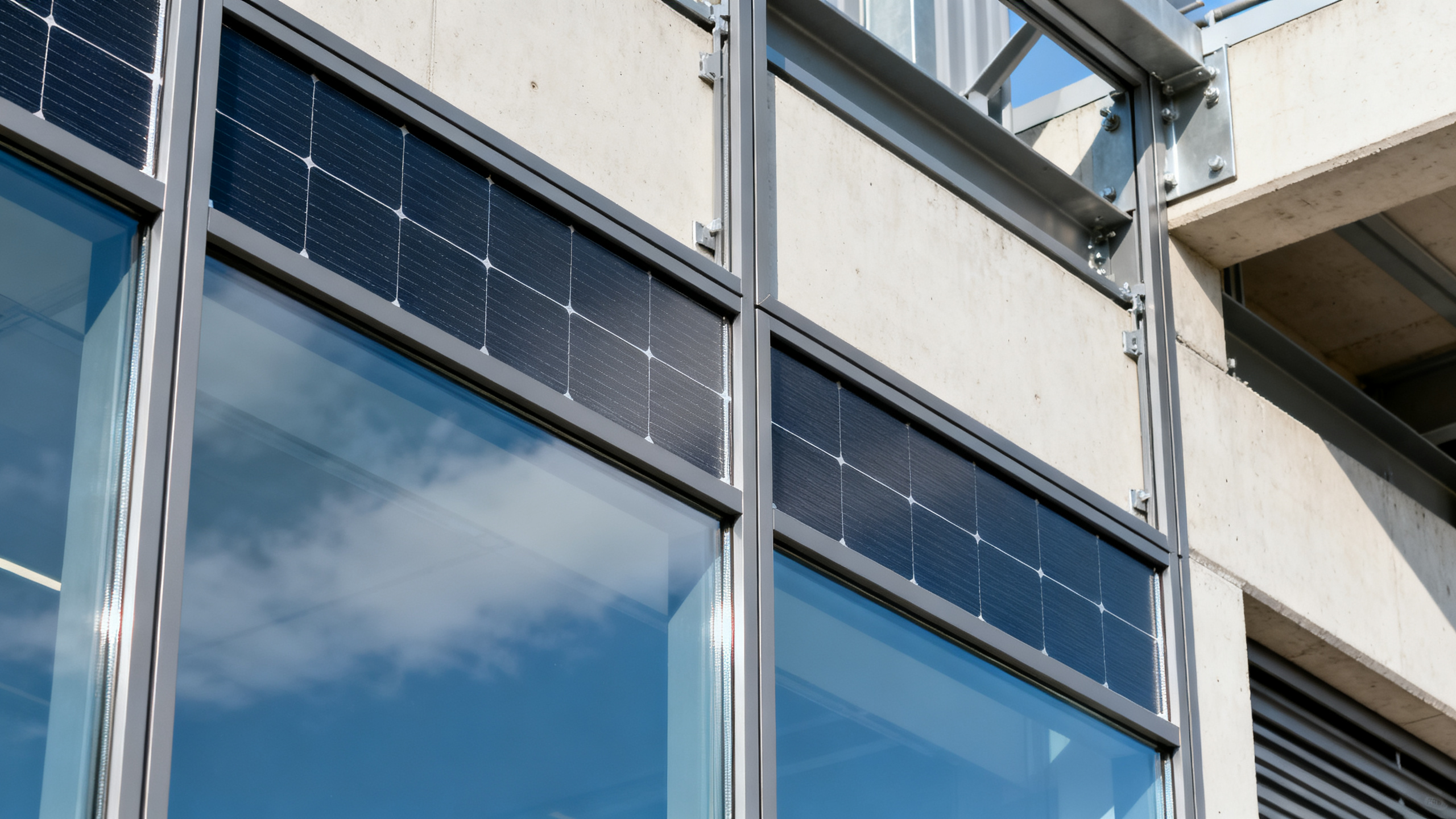
On April 6, 2026, the United States finalized revisions to its Section 232 tariff regime, extending mandatory customs verification and tightened exemption procedures to energy-efficient windows, structural steel for construction, and photovoltaic-integrated building materials—including Building-Integrated Photovoltaics (BIPV). The move directly affects export competitiveness, compliance pathways, and pricing strategies for Chinese manufacturers supplying U.S. commercial and infrastructure projects—particularly in security, fire safety, and renewable energy integration segments.
Event Overview
Effective April 6, 2026, the U.S. Department of Commerce amended the Section 232 regulatory framework to include energy-efficient windows, construction-grade steel, and photovoltaic-related building materials (including BIPV) under mandatory origin and specification verification. Approval exemptions—previously available for certain low-risk shipments—are now significantly narrowed. Products certified to ENERGY STAR standards remain eligible for the Inflation Reduction Act (IRA) 30% investment tax credit; non-certified or non-compliant items face heightened scrutiny and potential import delays.
Industries Affected
Direct Exporters: Companies exporting CCTV housings, fire-rated window frames, and PV-security integrated systems face immediate market access constraints. Customs holds, document re-submissions, and longer clearance cycles are now routine—not exceptional—for shipments falling under the newly covered categories. Profit margins on legacy, non-certified products have contracted sharply due to added compliance overhead and buyer renegotiation pressure.
Raw Material Procurement Firms: Suppliers sourcing aluminum extrusions, tempered glass, or PV encapsulants for downstream fabrication must now verify traceability back to smelters or refineries compliant with U.S. national security criteria. This adds multi-tier documentation requirements and increases lead time for material qualification—especially where upstream suppliers lack U.S.-recognized environmental or labor certifications.
Contract Manufacturers & Fabricators: Firms assembling BIPV modules, insulated glazing units (IGUs), or hybrid fire-safety/energy-efficiency window systems must realign production workflows to support dual certification: ENERGY STAR for eligibility under IRA incentives, and Section 232-origin compliance for admissibility. Product labeling, test report archiving, and factory audit readiness are no longer optional but embedded in order acceptance protocols.
Supply Chain Service Providers: Customs brokers, third-party testing labs, and certification consultants report surging demand for U.S.-specific compliance packages—including ASTM E1461 thermal performance validation, UL 972 fire frame testing, and CBP Form 5106 origin declarations. Lead times for full-cycle certification services have extended from 8 to 14 weeks on average.
Key Focus Areas and Recommended Actions
Prioritize ENERGY STAR Certification for Eligible Product Lines
Given that only ENERGY STAR–certified green building materials retain access to the IRA’s 30% tax credit, exporters should treat certification not as a marketing add-on but as a prerequisite for U.S. channel viability. Priority should be given to IGUs, BIPV cladding panels, and thermally broken framing systems with documented U-value and SHGC performance.
Map and Validate Upstream Origin Data Across Four Tiers
Section 232 enforcement now routinely traces components through raw material smelters, ingot producers, profile extruders, and final fabricators. Exporters must collect and retain verifiable documentation—including mill test reports, smelter declarations, and customs entry records—for all four tiers. Blanket supplier affidavits are no longer accepted by CBP.
Reassess Product Portfolio Against ‘Dual-Use’ Risk Profiles
CCTV housings and fire-rated window frames are now explicitly flagged in CBP guidance as “dual-use” items—i.e., possessing both civilian and critical infrastructure applications. Exporters should proactively classify such items under EAR99 or appropriate ECCN codes and implement internal screening for end-user red flags before shipment.
Editorial Insight / Industry Observation
Analysis shows this revision is less about trade protectionism per se and more about operationalizing the U.S. National Defense Strategy’s emphasis on supply chain integrity in built-environment infrastructure. Observably, the focus on BIPV and high-performance fenestration reflects growing alignment between climate policy (IRA) and industrial security (Section 232)—a convergence that reshapes how ‘green’ is defined in export markets. From an industry perspective, this is better understood not as a tariff hike alone, but as a systemic recalibration of what constitutes acceptable provenance and performance in U.S.-bound building materials.
Conclusion
This regulatory shift signals a durable pivot: compliance is no longer measured solely in tariffs paid, but in verifiable sustainability credentials, traceable origin, and functional alignment with U.S. infrastructure resilience goals. For Chinese exporters, the path forward lies not in circumvention—but in strategic certification, tiered transparency, and product differentiation anchored in measurable energy and security performance.
Source Attribution
U.S. Department of Commerce, Bureau of Industry and Security (BIS), Final Rule FR Doc #2026-07821, published March 22, 2026; U.S. Customs and Border Protection (CBP) Memorandum HQ H321957, issued April 1, 2026; ENERGY STAR Program Requirements for Fenestration Products v6.2 (2025 update). Note: Implementation guidance for BIPV-specific verification protocols remains pending and is under active review by CBP’s Trade Remedy Law Enforcement Directorate—subject to further notice.
Technical Specifications
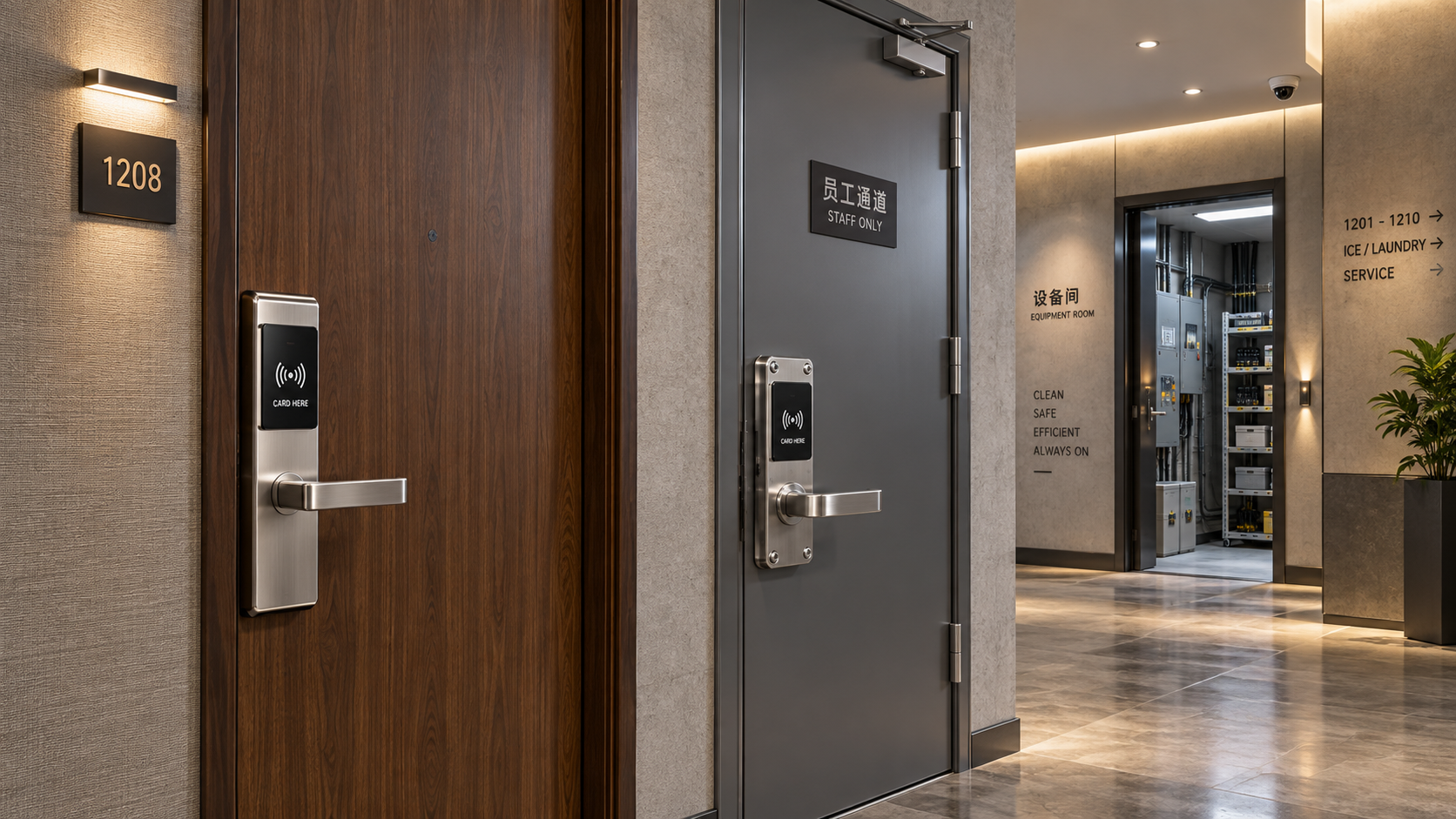
- How to Select Electronic Hotel Key Card Locks for Guest Rooms and Staff AreasAuthor :Safety Compliance Lead
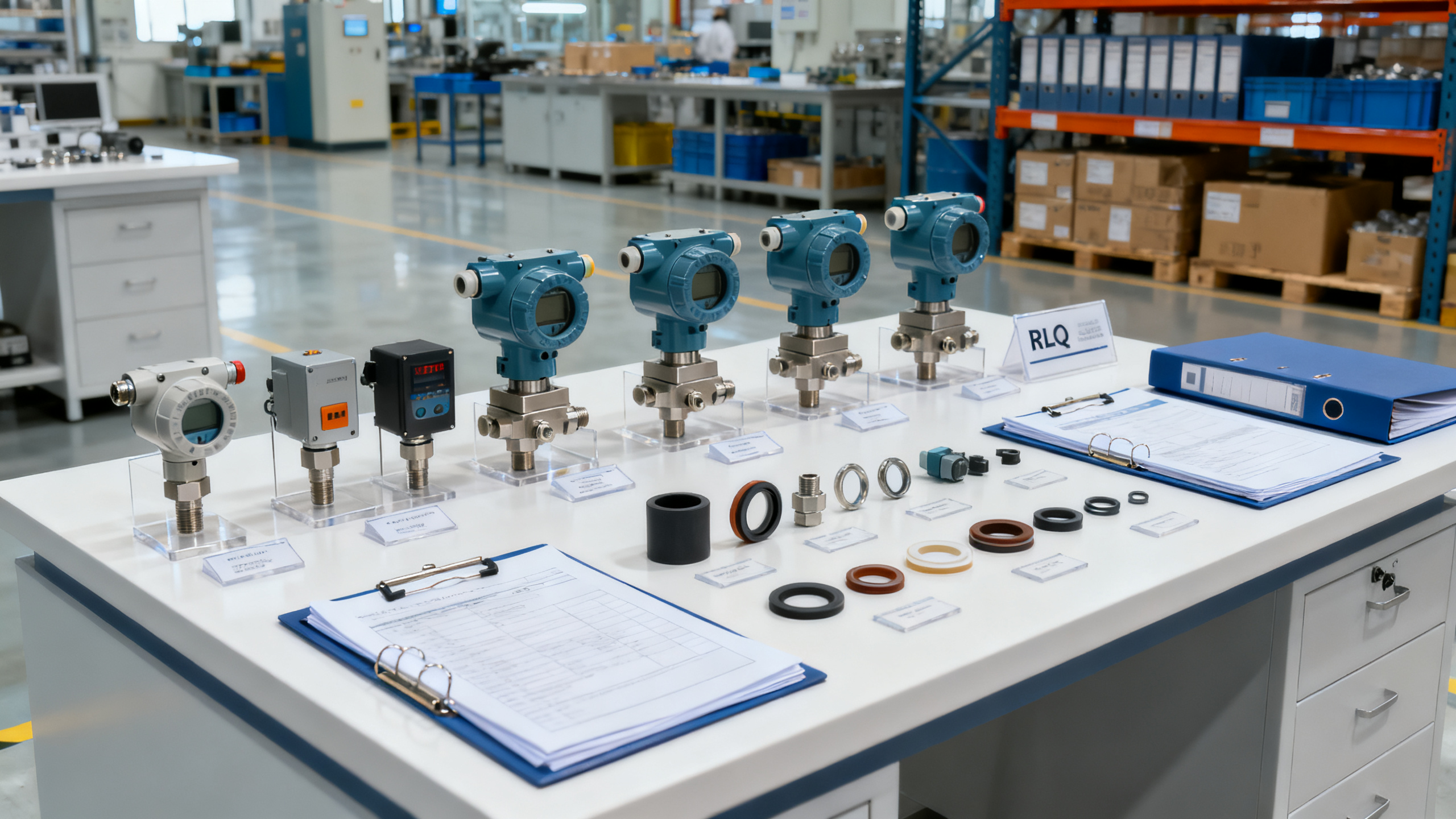
- How to Select Lab Instruments for Reliable Chemical Analysis WorkflowsAuthor :Precision Metrology Expert
- How to Size a UPS for Server Rooms: Load, Runtime, and Redundancy FactorsAuthor :Grid Infrastructure Analyst
Expert Insights

Chief Security Architect
Dr. Thorne specializes in the intersection of structural engineering and digital resilience. He has advised three G7 governments on industrial infrastructure security.
Related Analysis
- Sep 17, 2026How to Select Electronic Hotel Key Card Locks for Guest Rooms and Staff AreasAuthor :Safety Compliance Lead
- Sep 16, 2026How to Select Lab Instruments for Reliable Chemical Analysis WorkflowsAuthor :Precision Metrology Expert
- Sep 15, 2026How to Size a UPS for Server Rooms: Load, Runtime, and Redundancy FactorsAuthor :Grid Infrastructure Analyst
Core Sector // 01
Security & Safety
- How to Select Electronic Hotel Key Card Locks for Guest Rooms and Staff AreasAuthor :Safety Compliance Lead

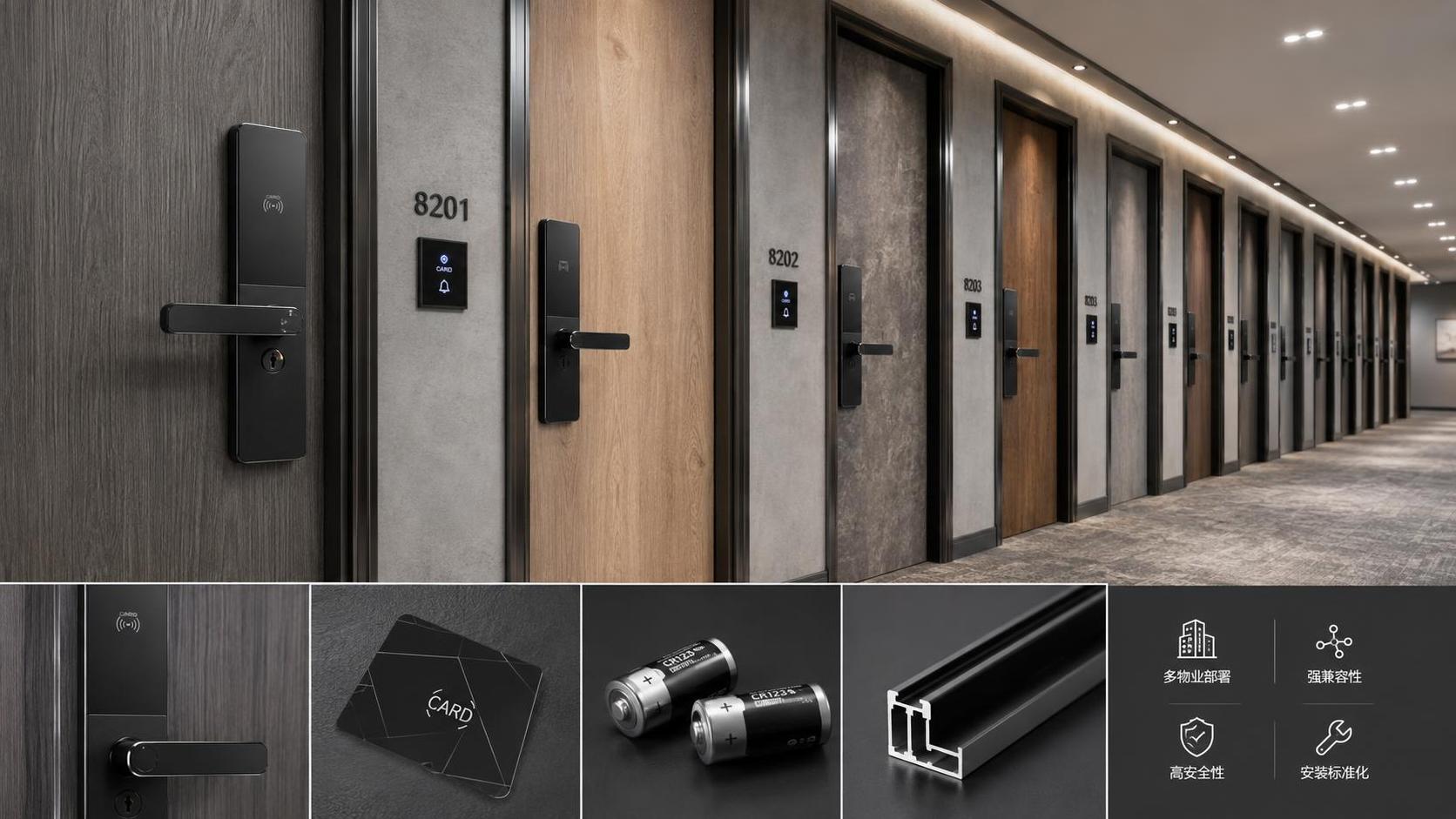
- How to Evaluate a Hotel Key Card Lock Supplier for Multi-Property RolloutsAuthor :Safety Compliance Lead

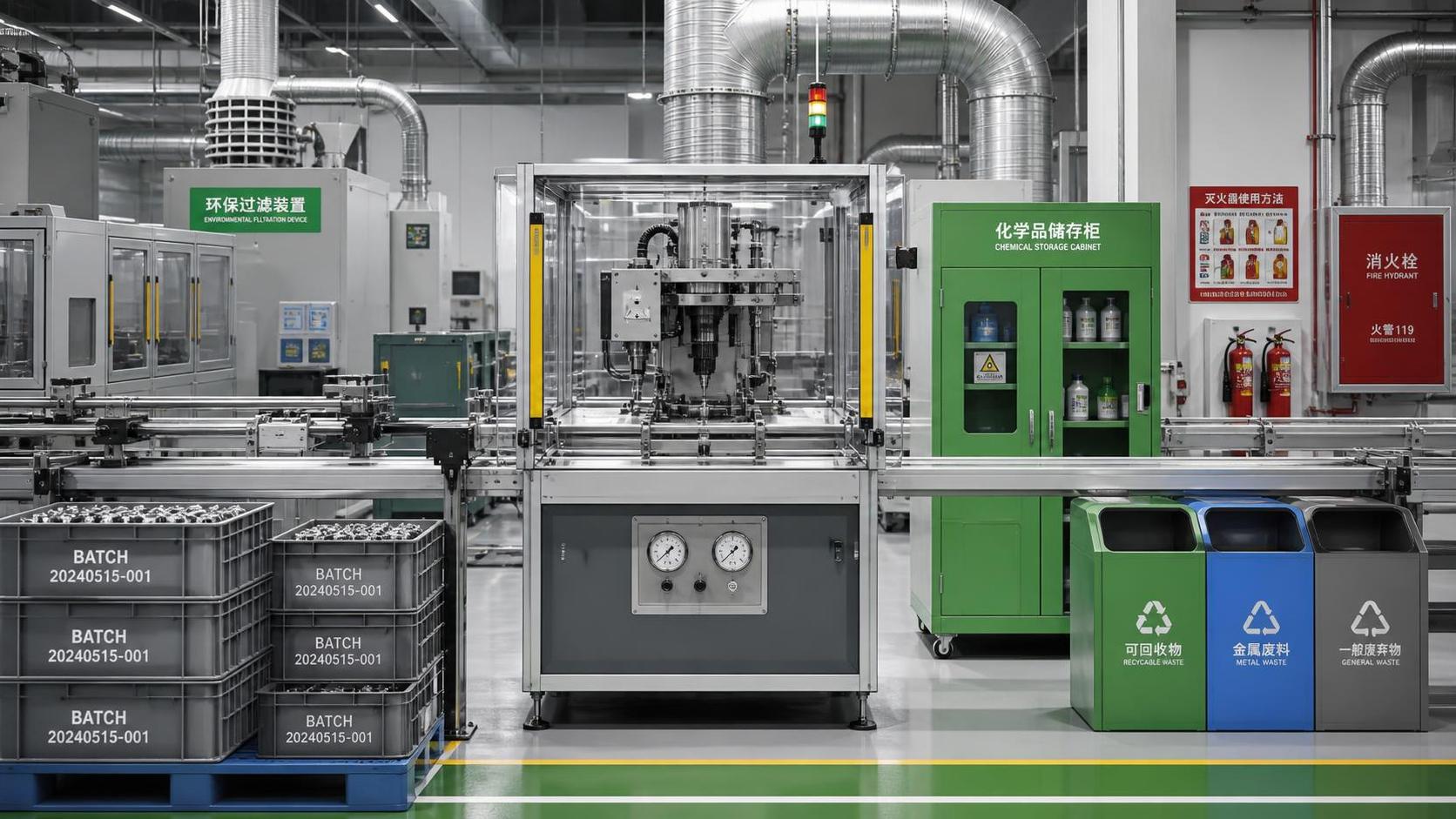
- Pre-Contract Audit Checklist for Verified Production Safety and Environmental ComplianceAuthor :Safety Compliance Lead

- How Can Distributors Build Procurement-Oriented Industrial Content That Drives RFQs?Author :Safety Compliance Lead

- EU Mandates EN 50131-1:2026 for Security SystemsAuthor :Safety Compliance Lead

- EU EN 50131-1:2026 Takes Effect on CCTV ComplianceAuthor :Safety Compliance Lead

- IEC Issues CCTV Interoperability Test StandardAuthor :Safety Compliance Lead

- EN 50131-4:2026 Raises EU Security Compliance BarAuthor :Safety Compliance Lead