Engineering Procurement Best Practices for Reducing Supplier Risk and Project Delays
Author
Date Published
Reading Time

For business evaluators overseeing capital projects, engineering procurement best practices are not just a sourcing discipline. They are a practical way to cut supplier risk, avoid schedule drift, and protect lifecycle value.
In industrial projects, a low bid can still become the most expensive option. Delays, non-compliance, weak documentation, and poor fit-for-service performance often show up long after award.
That is why engineering procurement best practices need to connect technical review, supplier validation, logistics control, and contract discipline from the start.
Across power systems, measurement devices, safety equipment, environmental systems, and mechanical components, the same pattern holds true: better procurement decisions create more resilient projects.
Where engineering procurement best practices make the biggest difference
The biggest gains usually come before the purchase order is issued. Early clarity reduces rework, supplier disputes, and hidden lead-time exposure.
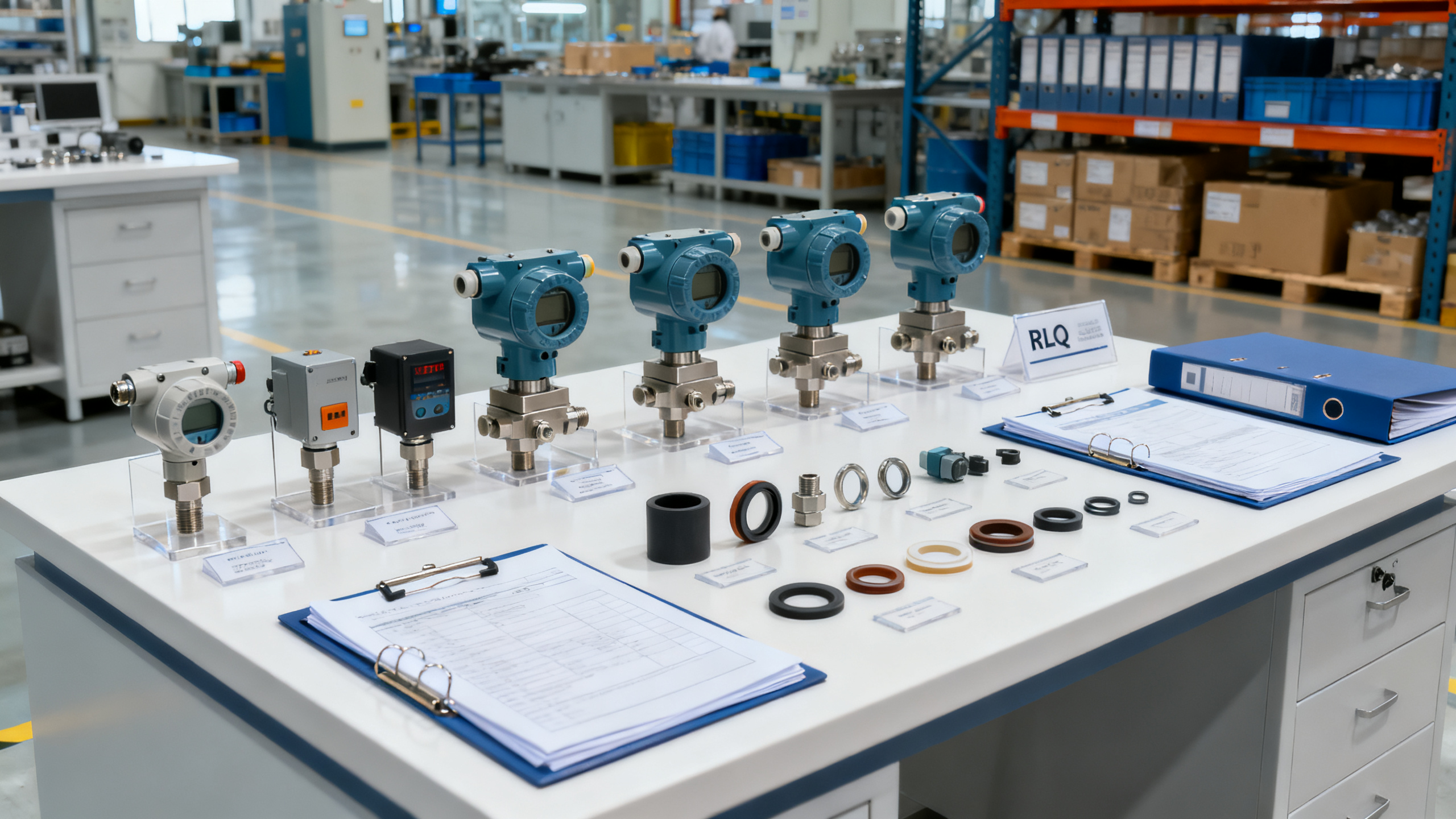
[Image 01: Engineering procurement workflow for supplier risk reduction and delay prevention in industrial projects]
- Define technical scope in measurable terms. Include standards, tolerances, duty conditions, interfaces, and testing requirements, so suppliers quote the same basis and evaluation stays fair and faster.
- Prequalify suppliers before bidding starts. Check manufacturing capability, certification status, export experience, financial stability, and past delivery records to reduce avoidable surprises after award.
- Separate commercial review from technical compliance. A quote may look competitive, but missing documents, substituted materials, or unclear exclusions can create much higher total project cost.
- Verify standards at item level. Confirm CE, UL, ISO, or project-specific approvals against exact model numbers, not just company brochures or generic declarations.
- Map long-lead items early. Track transformers, switchgear, analyzers, valves, castings, or custom assemblies well before final award to protect installation windows and commissioning dates.
- Use document control as a risk tool. Datasheets, ITPs, drawings, welding records, and factory test reports should be submission-linked to milestones, not treated as paperwork only.
- Align Incoterms, packaging, and inspection plans. Many delays come from border issues, damaged goods, or inspection disputes rather than actual production failure.
- Build escalation paths into contracts. Response times, corrective actions, liquidated damages, and replacement obligations should be clear before supply disruption happens.
These engineering procurement best practices matter even more in sectors where failure affects safety, compliance, or public infrastructure continuity.
What to check before comparing supplier quotes
A quote comparison should never begin with price. It should begin with fit, risk, and execution realism.
In heavy industry, supplier offers often differ in hidden ways. One supplier may include FAT, another may exclude calibration, and a third may assume different ambient conditions.
This is where Global Industrial Core adds practical value. GIC’s editorial model is built around verifiable technical insight, compliance evidence, and industrial sourcing intelligence across core infrastructure categories.
For evaluation work, that kind of structured intelligence helps distinguish a credible supplier offer from a polished but incomplete one.
Eight actions that consistently reduce supplier risk
Start with the failure points, not the catalog
Engineering procurement best practices work best when they begin with operating risk. Ask what happens if the item drifts, leaks, overheats, trips, corrodes, or arrives late.
- Rank equipment by consequence of failure. Safety barriers, metering accuracy, power continuity, emissions control, and pressure containment deserve deeper supplier scrutiny than routine consumables.
- Request evidence from similar duty conditions. A supplier with experience in harsh temperature, corrosion, dust, or vibration environments is usually lower risk than a general-capability vendor.
- Check manufacturing control, not just brand reputation. Review subcontracting, critical process ownership, and raw material traceability where reliability depends on metallurgy or precision.
- Treat deviations as decision points. Even small departures from the specification can affect installation, calibration, safety approval, or future maintenance compatibility.
Use lead-time validation instead of lead-time promises
Schedule risk is often underestimated at evaluation stage. A quoted lead time is not the same as a confirmed production plan.
For example, switchgear may depend on component availability. An analyzer package may depend on imported sensors. A fabricated assembly may depend on approved drawings before work can start.
- Ask suppliers to break lead time into engineering, raw material, fabrication, inspection, and shipping stages. That simple step often reveals hidden schedule weakness.
- Tie dates to approved documents and hold points. If technical submittals slip, manufacturing may not actually begin when the supplier says it will.
A few real-world scenarios that change the evaluation approach
When buying safety and electrical systems
Electrical and safety-related packages demand stricter document review. Certification, protection coordination, enclosure ratings, and test protocols are often just as important as the hardware itself.
One common miss is assuming compliance applies across a full product family. In practice, certification can vary by voltage class, enclosure type, or optional component.
When sourcing instruments and measurement devices
For instruments, accuracy on paper is only part of the story. Calibration traceability, drift stability, environmental tolerance, and digital integration should all be verified early.
A low-cost instrument that needs frequent recalibration or causes integration delays can quickly erase any savings. Engineering procurement best practices help expose those downstream costs.
When ordering mechanical or metallurgical components
Mechanical supply risk often sits inside material quality. Heat treatment, chemical composition, machining tolerance, coating performance, and welding qualification should not be left to assumption.
In these cases, mill certificates, NDT records, and inspection witness points deserve commercial priority, not just technical attention.
Common gaps that quietly cause project delays
Many delays do not start with major failure. They start with small omissions that compound across engineering, supply, and site execution.
- Missing document registers can stall approvals. Without a tracked submission schedule, drawings and test records arrive late and block manufacturing release.
- Unclear battery limits create interface disputes. Cable glands, mounting hardware, software licenses, and consumables are classic examples of items falling into the gap.
- Weak packaging requirements increase transit risk. Moisture protection, shock resistance, export marking, and preservation matter for high-value industrial equipment.
- No clear expediting rhythm means issues surface too late. Regular milestone checks work better than waiting for the promised delivery week.
These are exactly the areas where engineering procurement best practices create visible project control, especially across global, multi-supplier industrial packages.
How to turn good evaluation into reliable execution
A strong award decision is only the start. The handoff into execution needs structure, ownership, and measurable checkpoints.
- Convert the final offer into an obligation matrix. Capture scope, documents, tests, dates, exclusions, and responsibilities in one agreed reference set.
- Launch supplier alignment meetings immediately after award. Early review of submittals, interfaces, and logistics assumptions prevents avoidable drift in the first weeks.
- Use risk-based expediting. High-consequence equipment should receive more frequent progress review than low-impact bulk items, even if order values are similar.
- Keep acceptance criteria objective. Delivery should be tied to evidence, including certificates, inspections, and test results, not only to shipment notice.
For industrial infrastructure, that discipline is what protects both schedule and asset integrity. It also supports stronger auditability and more defensible commercial decisions.
The most useful engineering procurement best practices are usually simple: define clearly, verify early, document thoroughly, and follow up before risk turns into delay.
If a current project involves critical power, safety, environmental, instrumentation, or mechanical systems, the next step is straightforward. Review the supplier package against these checkpoints and flag any item that lacks evidence, ownership, or timing clarity.
That kind of disciplined review is where engineering procurement best practices move from theory into real project protection.
Technical Specifications
- How to Select Electronic Hotel Key Card Locks for Guest Rooms and Staff AreasAuthor :Safety Compliance Lead
- How to Select Lab Instruments for Reliable Chemical Analysis WorkflowsAuthor :Precision Metrology Expert
- How to Size a UPS for Server Rooms: Load, Runtime, and Redundancy FactorsAuthor :Grid Infrastructure Analyst
Expert Insights

Chief Security Architect
Dr. Thorne specializes in the intersection of structural engineering and digital resilience. He has advised three G7 governments on industrial infrastructure security.
Related Analysis
- Sep 17, 2026How to Select Electronic Hotel Key Card Locks for Guest Rooms and Staff AreasAuthor :Safety Compliance Lead
- Sep 16, 2026How to Select Lab Instruments for Reliable Chemical Analysis WorkflowsAuthor :Precision Metrology Expert
- Sep 15, 2026How to Size a UPS for Server Rooms: Load, Runtime, and Redundancy FactorsAuthor :Grid Infrastructure Analyst
Core Sector // 01
Security & Safety
- How to Select Electronic Hotel Key Card Locks for Guest Rooms and Staff AreasAuthor :Safety Compliance Lead

- How to Evaluate a Hotel Key Card Lock Supplier for Multi-Property RolloutsAuthor :Safety Compliance Lead

- Pre-Contract Audit Checklist for Verified Production Safety and Environmental ComplianceAuthor :Safety Compliance Lead

- How Can Distributors Build Procurement-Oriented Industrial Content That Drives RFQs?Author :Safety Compliance Lead

- EU Mandates EN 50131-1:2026 for Security SystemsAuthor :Safety Compliance Lead

- EU EN 50131-1:2026 Takes Effect on CCTV ComplianceAuthor :Safety Compliance Lead

- IEC Issues CCTV Interoperability Test StandardAuthor :Safety Compliance Lead

- EN 50131-4:2026 Raises EU Security Compliance BarAuthor :Safety Compliance Lead