South Korea’s May Exports Surge as China-Bound Testing and Lab Instruments Double
Author
Date Published
Reading Time

On May 1, 2026, a trade signal worth close industry attention emerged around South Korea’s export performance and China’s equipment demand. According to customs data released on June 7, South Korea’s total exports in May 2026 reached USD 58.2 billion, up 23.7% year on year, while exports to China of Testing & Measurement equipment and Lab & Analytics instruments rose 104%. For manufacturers, procurement teams, distributors, and supply chain service providers, the development matters because it points to stronger movement in high-end industrial inspection and laboratory instrumentation tied to China’s manufacturing upgrade and import substitution efforts.
What the latest customs data confirms
According to the information provided, South Korea’s total exports in May 2026 were valued at USD 58.2 billion, representing a year-on-year increase of 23.7%.
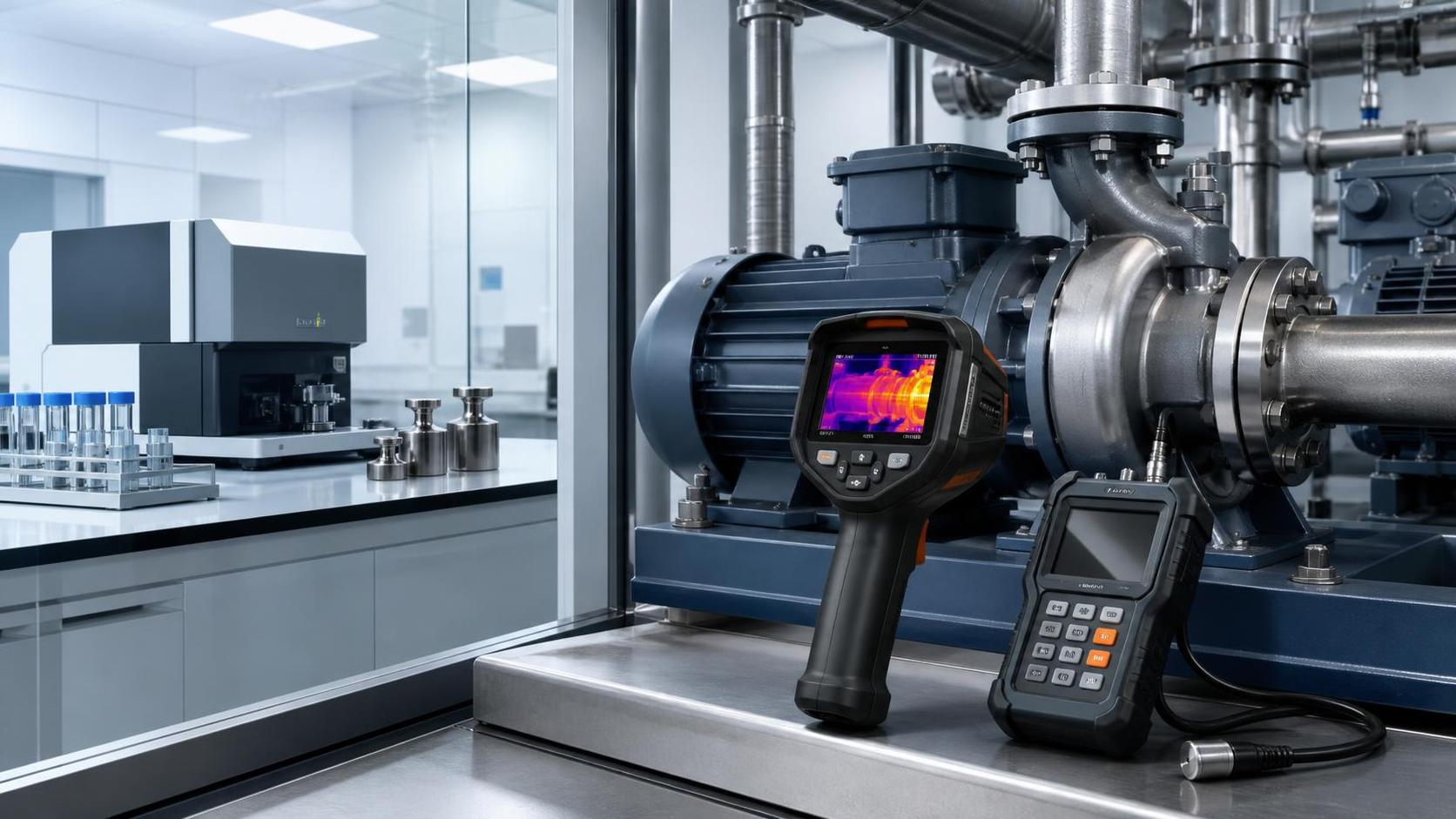
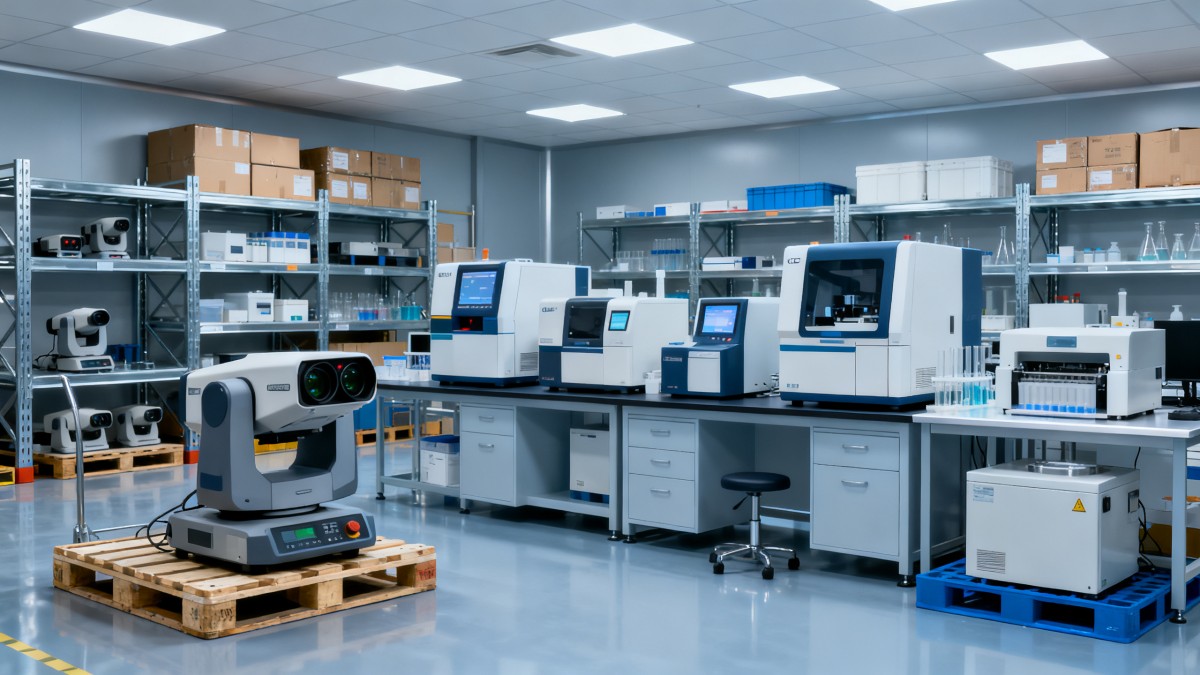
Within that broader export performance, exports to China of Testing & Measurement equipment and Lab & Analytics instruments increased 104% year on year. The product scope mentioned in the provided information includes high-precision laser distance meters and infrared thermal imagers under Testing & Measurement, as well as ICP-MS mass spectrometers and fully automated biochemical analyzers under Lab & Analytics.
The same information also states that Korean companies are accelerating warehouse deployment in China and opening ODM cooperation in response to demand linked to China’s manufacturing upgrade and the push for import substitution in high-end inspection equipment.
Where the impact may be felt first
Trade-facing equipment suppliers may see faster channel adjustments
From an industry perspective, companies directly involved in cross-border equipment trade may be affected first because the reported growth is concentrated in specific instrument categories rather than in a generic export basket. The main business impact may appear in product allocation, channel planning, and local inventory arrangements, especially where delivery responsiveness and after-sales coordination influence purchasing decisions.
Manufacturing buyers may reassess sourcing options
For industrial end users and procurement teams in manufacturing, the development may matter because it suggests stronger availability and commercial activity around imported testing and measurement tools. What deserves closer attention is whether warehousing and ODM cooperation change lead times, supplier communication, or qualification processes for equipment used in inspection, process control, and quality assurance.
Laboratory and analytical users may focus on service readiness
For buyers and operators of laboratory and analytical instruments, the relevant issue is not only product inflow but also local support capacity. Observably, if Korean suppliers expand warehousing and ODM activity in China, laboratories and channel partners may need to watch changes in documentation, installation coordination, consumables matching, and service response expectations.
Supply chain and distribution partners may need closer execution tracking
Distributors, logistics partners, and supply chain service providers may be affected through inventory turnover, customs handling, and fulfillment scheduling. Analysis shows that when demand concentrates in higher-value technical equipment, execution quality often matters as much as shipment volume, making delivery planning and product-specific handling a near-term point of attention.
What companies should monitor now
Separate headline growth from category-level execution
Companies should track the difference between South Korea’s overall export growth and the much faster rise in China-bound Testing & Measurement and Lab & Analytics products. In practical terms, category-specific momentum may matter more than aggregate trade data when making sourcing, sales, or channel decisions.
Watch how warehousing expansion changes delivery expectations
The provided information indicates that Korean companies are accelerating warehouse setup in China. Businesses dealing with these products may need to monitor whether this leads to shorter delivery cycles, different stocking models, or changes in customer expectations around replenishment and technical support.
Assess ODM cooperation with qualification discipline
Because ODM cooperation is explicitly mentioned, buyers, distributors, and manufacturing partners should pay attention to supplier qualification, product documentation, and fulfillment consistency. Analysis shows that ODM availability can create new commercial options, but operational decisions still depend on whether specifications, certificates, and delivery commitments align with customer requirements.
Keep customer communication tied to confirmed facts
For sales teams and channel managers, a practical priority is to communicate clearly about what is confirmed and what remains to be observed. The confirmed facts relate to export growth, product categories, and Korean companies’ moves on warehousing and ODM; assumptions about longer-term pricing, market share, or policy outcomes still require continued verification.
How this signal is best interpreted at this stage
Analysis shows that this development is more meaningful as a directional signal than as a fully settled market conclusion. The sharp increase in China-bound exports of industrial inspection and laboratory instruments suggests active demand and faster supplier positioning, but the current information does not by itself prove how broad, durable, or evenly distributed that momentum will be across all end markets.
It is more appropriate to understand this as a development that connects trade performance with on-the-ground commercial moves such as local warehousing and ODM openness. For the industry, the key reason to keep watching is that these actions may influence procurement patterns, localization strategies, and channel competition if they continue over time.
Why the market should keep this on the radar
The core industry meaning of this update lies in the combination of three confirmed elements: stronger South Korean export growth, a 104% rise in China-bound Testing & Measurement and Lab & Analytics equipment, and Korean companies’ faster moves on warehousing and ODM cooperation in China.
From a neutral industry reading, this is not yet a complete outcome but a relevant operating signal. It is better understood as an indicator that demand, supply positioning, and localization-related execution in high-end inspection and analytical equipment deserve closer monitoring in the near term.
About the basis of this article
This article is generated based on the user-provided news title, event date, and event summary. The confirmed factual basis includes the reported May 2026 export value, the year-on-year growth rate, the 104% increase in China-bound Testing & Measurement and Lab & Analytics equipment, and the statement that Korean companies are accelerating warehousing in China and opening ODM cooperation.
For this type of industry update, commonly relevant source categories may include official announcements, company statements, industry association materials, authoritative media reporting, and standard-setting documents. A specific official source link was not provided in the input, so further verification remains necessary. Continued attention should focus on subsequent official disclosures, category-level trade updates, and practical changes in warehousing, ODM arrangements, and delivery execution.
Technical Specifications
- How to Select Electronic Hotel Key Card Locks for Guest Rooms and Staff AreasAuthor :Safety Compliance Lead
- How to Select Lab Instruments for Reliable Chemical Analysis WorkflowsAuthor :Precision Metrology Expert
- How to Size a UPS for Server Rooms: Load, Runtime, and Redundancy FactorsAuthor :Grid Infrastructure Analyst
Expert Insights

Chief Security Architect
Dr. Thorne specializes in the intersection of structural engineering and digital resilience. He has advised three G7 governments on industrial infrastructure security.
Related Analysis
- Sep 17, 2026How to Select Electronic Hotel Key Card Locks for Guest Rooms and Staff AreasAuthor :Safety Compliance Lead
- Sep 16, 2026How to Select Lab Instruments for Reliable Chemical Analysis WorkflowsAuthor :Precision Metrology Expert
- Sep 15, 2026How to Size a UPS for Server Rooms: Load, Runtime, and Redundancy FactorsAuthor :Grid Infrastructure Analyst
Core Sector // 01
Security & Safety
- What to Check When Sourcing Vibration Meters Wholesale for Industrial MaintenanceAuthor :Precision Metrology Expert

- How to Select Process Control Instruments for Accuracy, Safety, and UptimeAuthor :Precision Metrology Expert

- What Should Standards Compliance Analysis Training Cover Before an Audit?Author :Precision Metrology Expert

- Why Do Pressure Instruments Fail in High-Vibration Sites?Author :Precision Metrology Expert

- Is FM Software Integration Needed for Overseas Instrument Maintenance?Author :Precision Metrology Expert

- What Are the Differences Between Lab and Field Testing Equipment?Author :Precision Metrology Expert

- Is Independent Testing Necessary for Critical Safety Components?Author :Precision Metrology Expert

- How to Validate Industrial Application Scenarios Before ProcurementAuthor :Precision Metrology Expert