Metrology Equipment for Industrial Measurement: Key Accuracy Specs and Use Cases
Author
Date Published
Reading Time
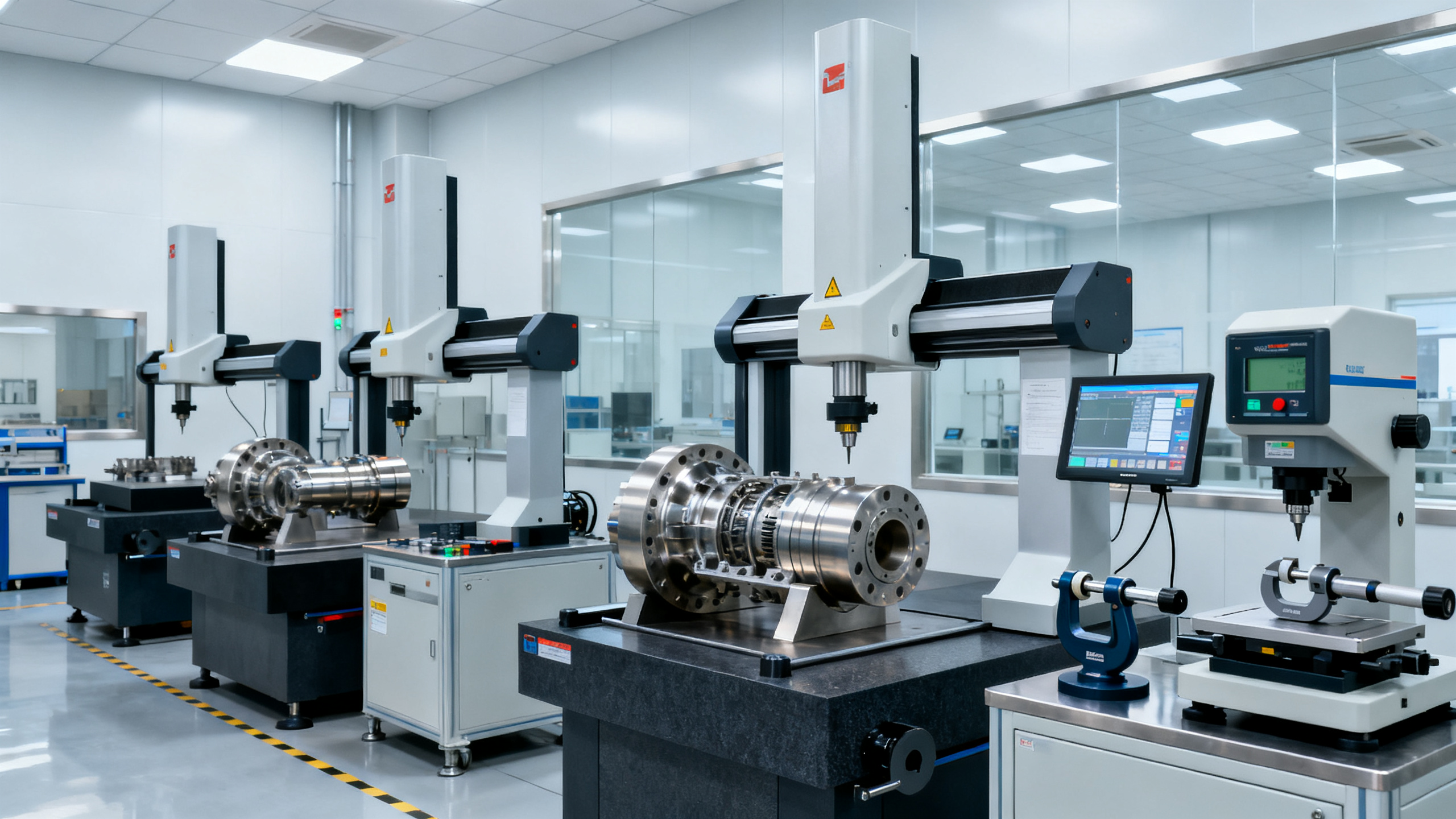
Selecting metrology equipment for industrial measurement requires more than comparing price or basic range. For technical evaluators, the real decision hinges on accuracy specs, repeatability, environmental stability, and application fit across production, inspection, and compliance workflows. This guide outlines the key performance indicators and practical use cases that matter when precision, traceability, and operational reliability cannot be compromised.
Why does metrology equipment for industrial measurement demand deeper technical review?
In industrial environments, measurement error does not stay inside the quality lab. It affects machining offsets, assembly fit, rejection rates, warranty exposure, audit readiness, and plant uptime. That is why metrology equipment for industrial measurement should be evaluated as a control point in the operating system, not as a standalone instrument purchase.
Technical evaluators in EPC, manufacturing, utilities, and heavy engineering often face mixed requirements. One project may require micron-level dimensional inspection, while another needs rugged field verification under vibration, dust, and temperature variation. The best selection process connects measurement capability to the real tolerance stack, operator skill level, calibration interval, and compliance obligation.
Global Industrial Core supports this process by framing instruments and measurement decisions in the wider context of infrastructure reliability. For buyers responsible for safety-critical or production-critical assets, the central question is simple: will the measurement system remain trustworthy across the full operating lifecycle?
- A low headline accuracy can still fail if repeatability drifts under shop-floor conditions.
- A fast system may create bottlenecks if fixturing, software, or reporting is difficult to integrate.
- A capable instrument may underperform if calibration traceability and operator methods are inconsistent.
Which accuracy specifications matter most in procurement decisions?
When evaluating metrology equipment for industrial measurement, many teams focus first on advertised accuracy. That is necessary, but incomplete. Accuracy should be reviewed together with uncertainty, repeatability, resolution, linearity, thermal behavior, and gauge capability. These parameters determine whether the instrument supports the actual decision threshold on the line or in the inspection room.
The table below summarizes the core specifications technical evaluators should request during vendor review, factory acceptance, or comparative testing.
A common mistake is to compare resolution values across instruments and assume the smaller number is the better choice. In practice, repeatability and uncertainty under real working conditions usually matter more. If your acceptance band is narrow, even a highly resolved instrument can create false confidence when vibration, part temperature, or fixturing instability is ignored.
How should you read manufacturer specifications?
Look for the test conditions behind the stated numbers. Ask whether the value applies across the full measuring volume, over a limited range, or only in a climate-controlled environment. Request information on warm-up time, probing method, software compensation, and calibration artifacts used during verification.
For industrial procurement, the useful question is not only “What is the best-case accuracy?” but also “What performance can we hold at our site, with our parts, operators, cycle times, and environmental controls?”
What types of metrology equipment fit different industrial measurement tasks?
Different measurement tasks require different metrology architectures. The right choice depends on part geometry, throughput, portability, required tolerance, reporting needs, and whether the instrument sits in the lab, near the line, or in the field. Metrology equipment for industrial measurement should therefore be mapped to the workflow before brands or models are shortlisted.
The following comparison helps technical evaluators connect common equipment categories with realistic industrial use cases.
This comparison shows why no single platform covers every scenario. A compact gauge may be ideal for repetitive checks at the machine, while a CMM or optical system may be justified for capability studies, PPAP documentation, or tolerance disputes with suppliers.
Scenario-based selection examples
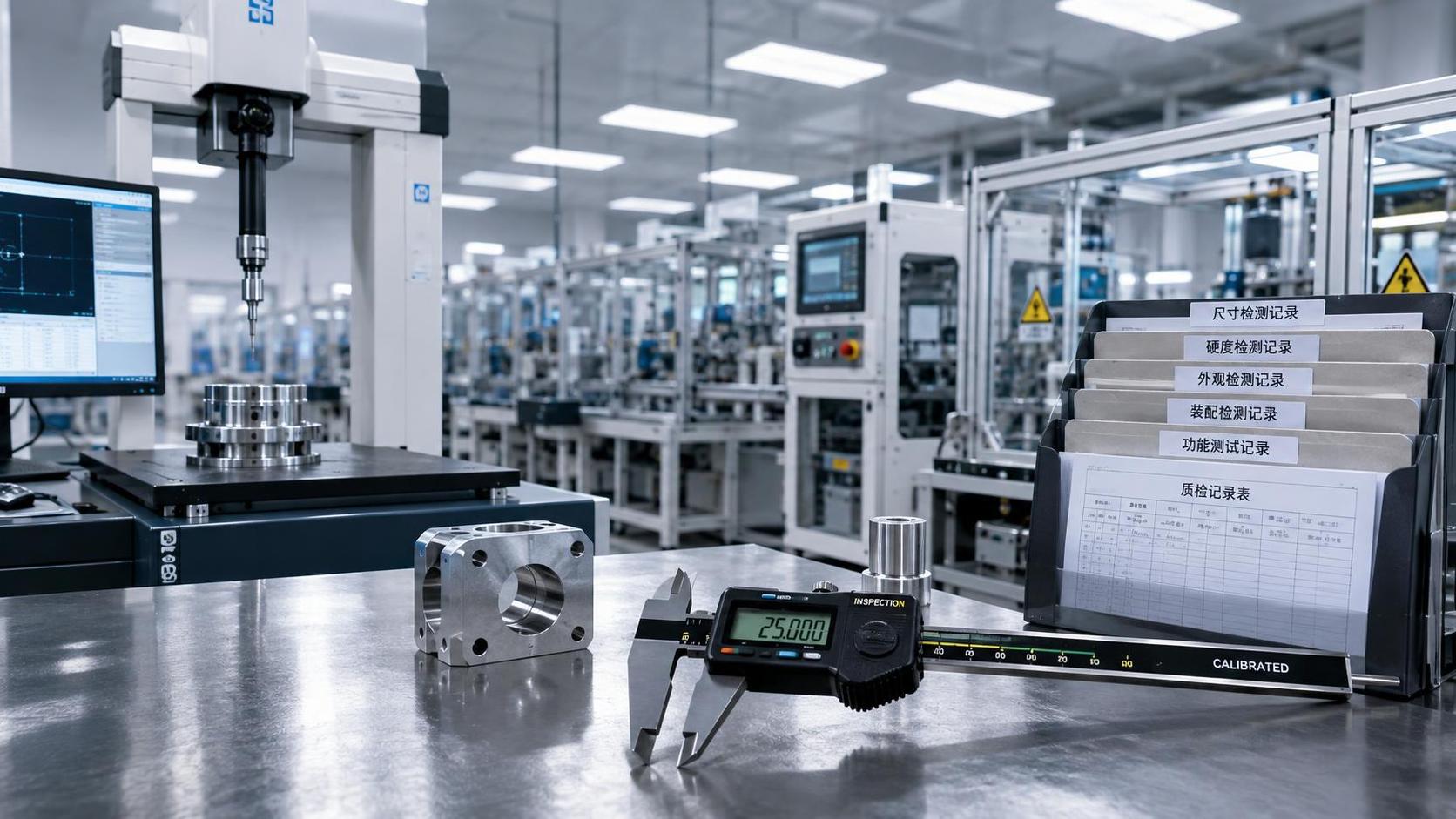
- For machined components with tight bore and flatness tolerances, a CMM or dedicated bore measurement solution often provides more reliable traceability than handheld tools.
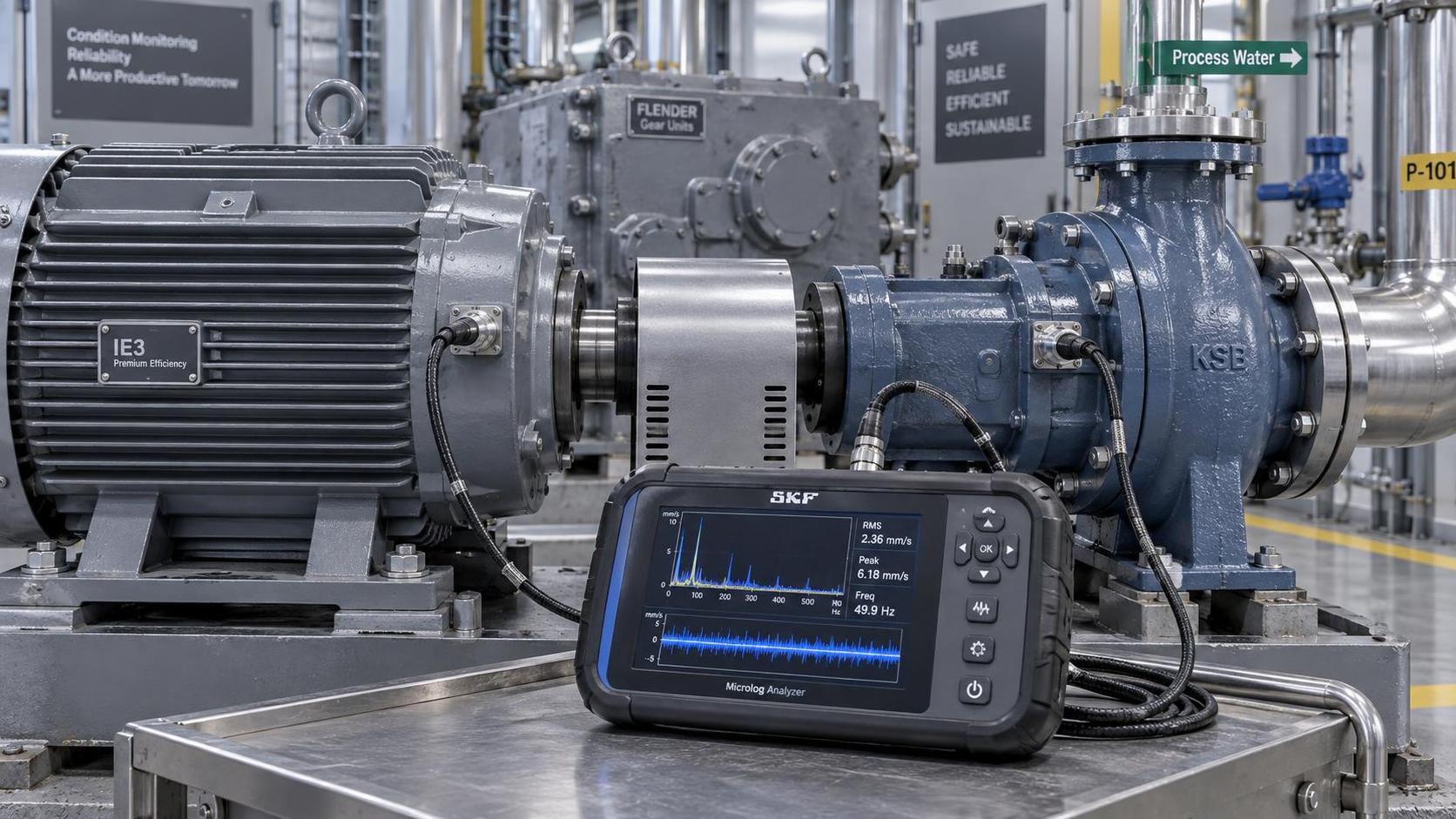
- For fabricated steel structures, portable metrology equipment for industrial measurement supports faster in-process alignment checks than fixed lab systems.
- For electronic housings, connectors, and stamped parts, optical inspection can improve speed and reduce contact-related measurement influence.
How do environment and workflow affect measurement reliability?
Even well-specified metrology equipment for industrial measurement can underperform if the operating environment is unstable. Temperature gradients, machine vibration, coolant residue, dust, fixture movement, and inconsistent part conditioning all distort results. In mixed-industry facilities, this is often the main reason data from production and the quality room do not align.
Technical evaluators should assess environmental fit before approving a purchase. A metrology plan that ignores floor reality may create rework, duplicate inspection, or disputes between manufacturing, QA, and suppliers.
Critical workflow checks before final approval
- Confirm whether the part must stabilize to a defined temperature before measurement and whether that delay is acceptable for takt time.
- Verify how fixturing will be controlled across shifts, sites, and operators to prevent setup-based variation.
- Review software compatibility with SPC, MES, QMS, or reporting formats required by customers and auditors.
- Determine whether calibration turnaround and spare equipment planning can support uptime expectations.
In many plants, the right answer is not the most advanced instrument. It is the one that delivers stable, repeatable, and documented measurements within the real process window. That distinction is especially important where compliance, contractual acceptance, or multi-site standardization is involved.
What should technical evaluators ask during sourcing and vendor comparison?
A disciplined sourcing process reduces lifecycle cost and avoids expensive misalignment between engineering intent and shop-floor execution. Global Industrial Core recommends turning broad product claims into measurable acceptance questions. This approach supports technical review, procurement comparison, and stakeholder alignment across engineering, QA, and operations.
Use the checklist below when comparing metrology equipment for industrial measurement across suppliers or solution types.
This structured review is especially useful where project teams must balance technical suitability with schedule pressure, site conditions, and budget discipline. It also creates a stronger basis for side-by-side comparison than relying on sales presentations alone.
Which standards and compliance issues should not be overlooked?
Industrial measurement decisions are often tied to contractual quality requirements, internal quality systems, and market-entry obligations. Depending on the project, technical evaluators may need to consider ISO-based calibration practices, CE-related product obligations, customer-specific documentation, and sector-specific inspection expectations.
The key is not to treat compliance as a document exercise. Traceable metrology equipment for industrial measurement supports defensible results. That becomes essential when measurement data is used for supplier qualification, final acceptance, incident investigation, or regulated asset maintenance.
- Request calibration certificates and verify the traceability path relevant to your quality system.
- Check whether software records can preserve revision history, operator identity, and result integrity.
- Align acceptance methods with drawing tolerances, GD&T interpretation, and customer audit expectations before implementation.
Common mistakes and practical FAQ for industrial buyers
Is higher accuracy always worth the added cost?
Not always. If the process tolerance is relatively wide, the environment is uncontrolled, or throughput is the dominant constraint, extreme laboratory-grade accuracy may not improve decisions. The better target is a balanced measurement system with enough capability margin, good repeatability, manageable cycle time, and stable traceability.
What is the biggest mistake when selecting metrology equipment for industrial measurement?
The most common mistake is evaluating the instrument in isolation. Buyers compare specification sheets but fail to review fixturing, operator method, software workflow, environmental control, and calibration logistics. The result is a technically impressive system that creates hidden operating cost or inconsistent results.
Are portable systems suitable for critical inspections?
They can be, if the use case supports them. Portable systems are strong for large components, field alignment, and hard-to-move assemblies. However, they require disciplined setup, trained operators, and realistic acceptance criteria. For very tight tolerances on small or highly critical features, fixed systems may still provide better control.
How should teams balance budget limits with long-term measurement needs?
Start with the cost of wrong decisions, not only the purchase price. Scrap, rework, supplier disputes, delayed acceptance, and unnecessary inspection loops can outweigh initial savings. A phased strategy often works well: deploy practical line-side tools for routine checks, then reserve advanced metrology equipment for industrial measurement tasks that require high-confidence verification or complex geometry analysis.
Why work with Global Industrial Core on sourcing and evaluation?
Global Industrial Core helps technical evaluators move from broad product research to procurement-ready decisions. Our focus on instruments and measurement sits within the wider demands of heavy industry, infrastructure reliability, compliance, and operational resilience. That perspective is valuable when measurement choices affect production quality, asset safety, and cross-border project delivery.
If your team is reviewing metrology equipment for industrial measurement, you can consult us on practical topics that directly affect project outcomes:
- Parameter confirmation for tolerance, repeatability, uncertainty, and environmental fit.
- Product selection guidance based on use case, throughput, operator skill, and reporting needs.
- Lead time and deployment planning for inspection cells, labs, or field measurement tasks.
- Certification and documentation alignment for customer, project, or internal quality requirements.
- Sample evaluation routes, comparative sourcing support, and quotation discussions for industrial programs.
When measurement reliability influences production release, supplier approval, or infrastructure acceptance, a faster buying process is not enough. A better-informed one is. Contact Global Industrial Core to discuss your measurement scope, technical constraints, and sourcing priorities before finalizing the next procurement round.
Technical Specifications
- How to Select Electronic Hotel Key Card Locks for Guest Rooms and Staff AreasAuthor :Safety Compliance Lead
- How to Select Lab Instruments for Reliable Chemical Analysis WorkflowsAuthor :Precision Metrology Expert
- How to Size a UPS for Server Rooms: Load, Runtime, and Redundancy FactorsAuthor :Grid Infrastructure Analyst
Expert Insights

Chief Security Architect
Dr. Thorne specializes in the intersection of structural engineering and digital resilience. He has advised three G7 governments on industrial infrastructure security.
Related Analysis
- Sep 17, 2026How to Select Electronic Hotel Key Card Locks for Guest Rooms and Staff AreasAuthor :Safety Compliance Lead
- Sep 16, 2026How to Select Lab Instruments for Reliable Chemical Analysis WorkflowsAuthor :Precision Metrology Expert
- Sep 15, 2026How to Size a UPS for Server Rooms: Load, Runtime, and Redundancy FactorsAuthor :Grid Infrastructure Analyst
Core Sector // 01
Security & Safety
- What to Check When Sourcing Vibration Meters Wholesale for Industrial MaintenanceAuthor :Precision Metrology Expert

- How to Select Process Control Instruments for Accuracy, Safety, and UptimeAuthor :Precision Metrology Expert

- What Should Standards Compliance Analysis Training Cover Before an Audit?Author :Precision Metrology Expert

- Why Do Pressure Instruments Fail in High-Vibration Sites?Author :Precision Metrology Expert

- Is FM Software Integration Needed for Overseas Instrument Maintenance?Author :Precision Metrology Expert

- What Are the Differences Between Lab and Field Testing Equipment?Author :Precision Metrology Expert

- Is Independent Testing Necessary for Critical Safety Components?Author :Precision Metrology Expert

- How to Validate Industrial Application Scenarios Before ProcurementAuthor :Precision Metrology Expert