Industrial Instrumentation Selection Guide: Key Parameters for Process Control Systems
Author
Date Published
Reading Time
Why industrial instrumentation selection shapes process control results
Selecting the right industrial instrumentation is critical to process control performance, safety, and long-term reliability. For technical evaluation work, the real challenge is rarely one single specification.
In most projects, industrial instrumentation must perform under heat, vibration, dust, washdown, pressure cycling, and strict compliance requirements. A sensor that looks excellent on paper can still fail in operation.
That is why parameter review should connect measurement quality, operating context, installation constraints, and lifecycle support. The goal is not only to measure correctly, but to keep measuring correctly.
Global Industrial Core (GIC) consistently frames this issue around infrastructure reliability. In heavy industry, wrong instrument choices can disrupt uptime, distort control logic, and increase compliance exposure across entire systems.
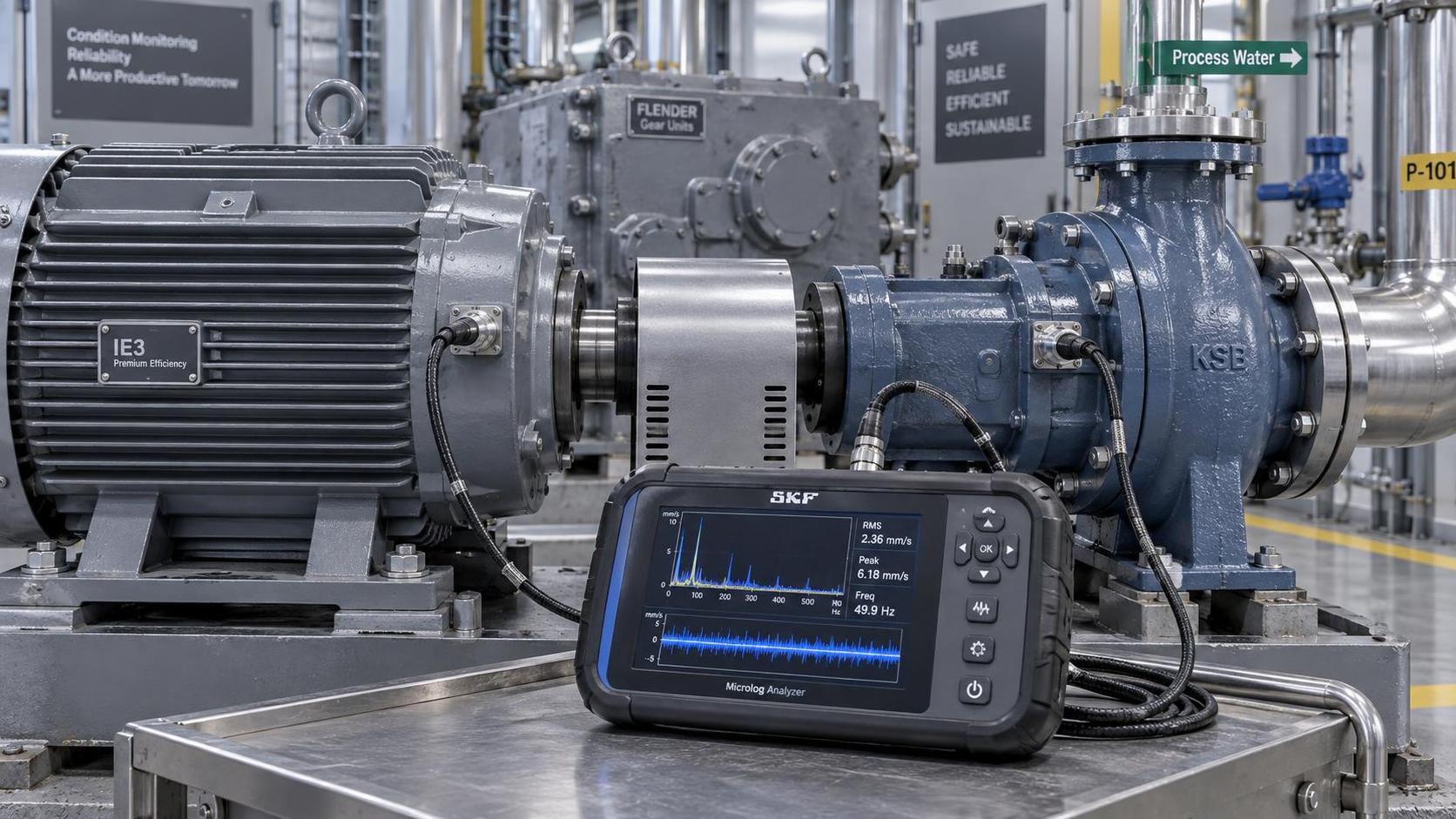
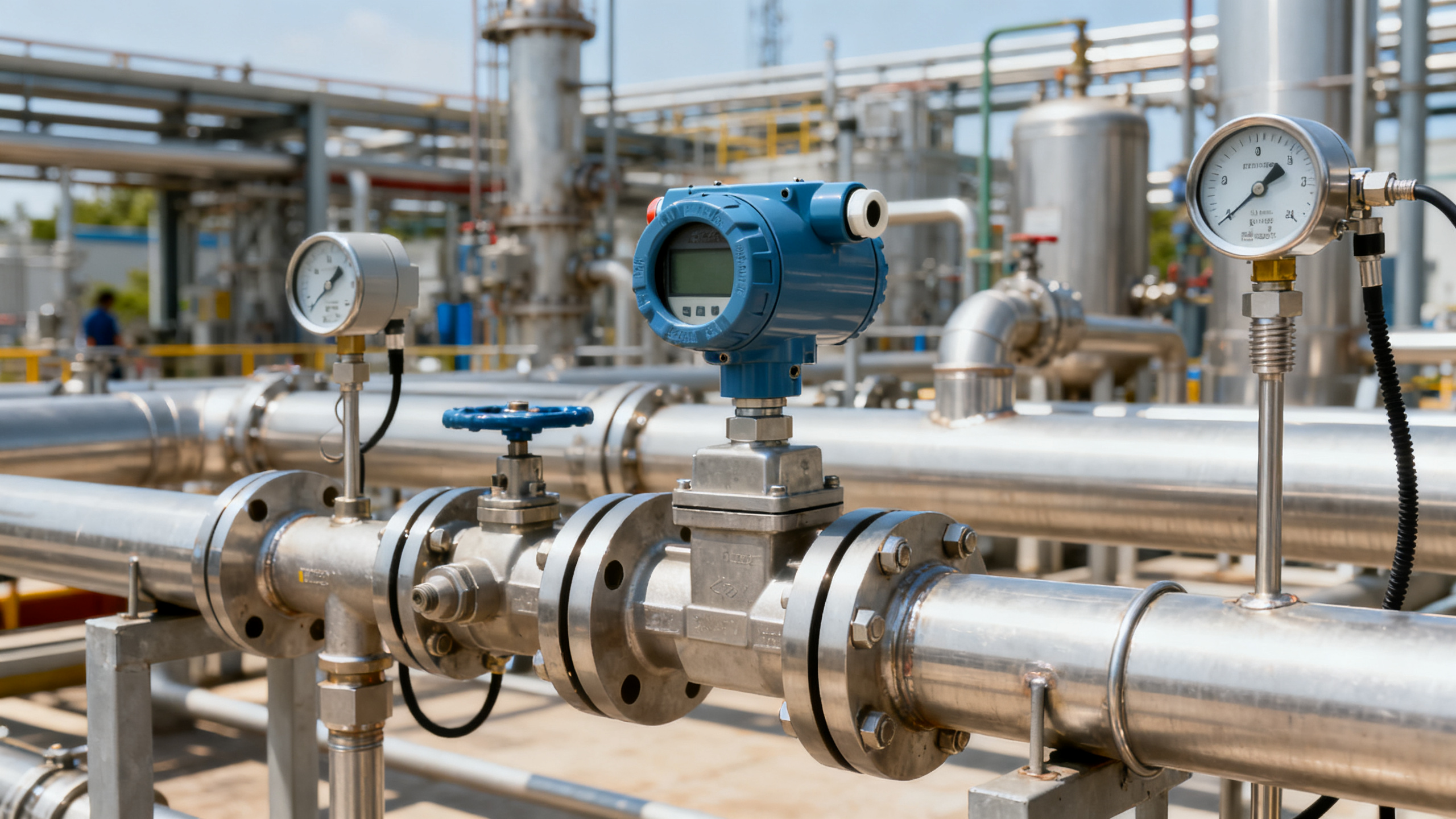
[Image Placeholder 01: Industrial instrumentation selection factors for process control systems]
A practical evaluation process starts with a few non-negotiable checks. The points below help narrow options without losing sight of field performance.
The parameters worth checking first
- Match measuring range to real operating conditions, not nameplate design values. A narrow, realistic span usually improves signal quality, control stability, and long-term usefulness of industrial instrumentation.
- Check accuracy together with repeatability and hysteresis. A highly accurate device that drifts during cycling can weaken process control far more than a slightly lower-rated but stable instrument.
- Review response time against process dynamics. Fast loops need fast industrial instrumentation, but overly fast devices can also amplify noise if damping and filtering are ignored.
- Confirm process connection, wetted materials, and seal compatibility early. Corrosion, contamination, and media attack are common reasons otherwise suitable instruments fail unexpectedly in service.
- Evaluate environmental durability, including IP rating, temperature class, vibration resistance, and EMC tolerance. Field conditions often decide actual reliability more than catalog specifications do.
- Verify output protocol and control system compatibility. Signal format, power requirements, diagnostics, and communication standards must align cleanly with the existing process control architecture.
These checks look basic, but they often reveal the largest gaps. In many industrial instrumentation reviews, the weak point is not sensing principle but system fit.
Accuracy is only useful when it stays stable
Accuracy figures are easy to compare, so they often dominate early selection. Still, a process control system depends more on consistent behavior than on a single ideal calibration point.
Ask how the instrument performs after thermal cycling, mechanical stress, and long operating hours. Stability, repeatability, and drift tolerance often separate a robust device from a short-lived one.
Rangeability affects signal quality and maintenance
Oversized industrial instrumentation is still common, especially when design teams plan for every theoretical upset case. In practice, oversizing often reduces resolution and makes troubleshooting harder.
It is usually better to define normal operation, startup behavior, and upset boundaries separately. That approach gives clearer sizing logic and reduces avoidable compromises in control performance.
What changes in different operating environments
Industrial instrumentation selection should always reflect the process environment. The same pressure transmitter may perform very differently in a clean utility room and a corrosive outdoor unit.
Continuous process lines
In continuous operations, signal stability matters more than headline precision. Small drift over time can slowly bias control loops, increase energy use, and hide developing mechanical or thermal issues.
Focus on long-term repeatability, diagnostics, calibration interval, and spare availability. For these environments, maintenance burden is often just as important as the initial instrument specification.
Harsh outdoor installations
Outdoor applications expose industrial instrumentation to moisture, ultraviolet light, ambient swings, ingress, and cable stress. A suitable enclosure alone does not guarantee reliable field performance.
Cable glands, mounting supports, impulse line routing, sunshields, and condensation control all deserve attention. Many field failures start in installation details rather than the sensing element itself.
Safety-critical loops
Where shutdown logic or hazardous-area compliance is involved, industrial instrumentation must be reviewed beyond normal control performance. Documentation quality becomes part of technical suitability.
Look closely at SIL-related data, hazardous area approvals, proof test support, and failure mode transparency. GIC regularly highlights this because missing documents can delay projects as much as missing hardware.
Common gaps that quietly create risk
- Do not separate instrument selection from installation geometry. Straight pipe length, tapping location, cable routing, and mounting orientation can materially change measurement quality.
- Treat compliance documents as part of the technical package. CE, UL, ISO-related evidence, material certificates, and hazardous-area approvals should be validated before final comparison.
- Check calibration practicality, not just calibration possibility. If field access is poor or shutdown windows are rare, maintenance complexity becomes a serious operational cost.
- Review diagnostics carefully. Basic fault indication is useful, but advanced device health information can significantly reduce troubleshooting time in complex process control systems.
- Do not underestimate spare parts strategy. Proprietary modules, long lead times, or region-specific variants can turn minor instrument failures into extended production disruption.
These issues are often missed because they sit between engineering, operations, and sourcing. GIC’s editorial approach is valuable here because it ties technical detail to real infrastructure risk.
A simple comparison structure that actually helps
When comparing industrial instrumentation options, a structured table can prevent attractive but incomplete proposals from moving forward. It also makes internal review much faster.
A table like this also helps separate “technically acceptable” from “operationally dependable.” That distinction matters a lot in industrial instrumentation decisions tied to uptime and safety.
How to judge lifecycle value, not just purchase price
Low purchase price can be misleading when industrial instrumentation requires frequent recalibration, difficult shutdown access, or specialized spares. Lifecycle cost should be estimated early, not after installation.
A slightly higher-cost device may still be the better option if it extends maintenance intervals, simplifies diagnostics, and lowers the probability of unplanned intervention.
- Ask for documented mean time data, calibration interval guidance, and recommended spare strategy. These details often reveal the real ownership profile behind similar-looking offers.
- Prioritize vendors that provide clear technical files, application support, and traceable certifications. In industrial infrastructure, documentation quality is part of product quality.
- Use pilot validation when process media, vibration, or temperature behavior is uncertain. Short field trials can prevent expensive standardization mistakes across larger systems.
This is also where GIC’s positioning becomes relevant. For global industrial programs, selection quality depends on trustworthy technical evidence, not just a polished datasheet.
A practical way to move from shortlist to decision
A strong industrial instrumentation decision usually comes from sequencing the review properly. Start with process conditions, then confirm measurement behavior, then verify integration and compliance.
After that, check maintainability, diagnostics, and supply continuity. If one option performs well across all five areas, it is usually safer than a model that wins on only one metric.
For process control systems that support critical infrastructure, the best choice is rarely the most advertised one. It is the instrument that stays accurate, communicates cleanly, survives the environment, and remains supportable for years.
Use that lens for every industrial instrumentation review, and the shortlist becomes clearer. The next step is simple: score each option against operating reality, not brochure language, and keep only the devices that hold up under both.
Technical Specifications
- How to Select Electronic Hotel Key Card Locks for Guest Rooms and Staff AreasAuthor :Safety Compliance Lead
- How to Select Lab Instruments for Reliable Chemical Analysis WorkflowsAuthor :Precision Metrology Expert
- How to Size a UPS for Server Rooms: Load, Runtime, and Redundancy FactorsAuthor :Grid Infrastructure Analyst
Expert Insights

Chief Security Architect
Dr. Thorne specializes in the intersection of structural engineering and digital resilience. He has advised three G7 governments on industrial infrastructure security.
Related Analysis
- Sep 17, 2026How to Select Electronic Hotel Key Card Locks for Guest Rooms and Staff AreasAuthor :Safety Compliance Lead
- Sep 16, 2026How to Select Lab Instruments for Reliable Chemical Analysis WorkflowsAuthor :Precision Metrology Expert
- Sep 15, 2026How to Size a UPS for Server Rooms: Load, Runtime, and Redundancy FactorsAuthor :Grid Infrastructure Analyst
Core Sector // 01
Security & Safety
- What to Check When Sourcing Vibration Meters Wholesale for Industrial MaintenanceAuthor :Precision Metrology Expert

- How to Select Process Control Instruments for Accuracy, Safety, and UptimeAuthor :Precision Metrology Expert

- What Should Standards Compliance Analysis Training Cover Before an Audit?Author :Precision Metrology Expert

- Why Do Pressure Instruments Fail in High-Vibration Sites?Author :Precision Metrology Expert

- Is FM Software Integration Needed for Overseas Instrument Maintenance?Author :Precision Metrology Expert

- What Are the Differences Between Lab and Field Testing Equipment?Author :Precision Metrology Expert

- Is Independent Testing Necessary for Critical Safety Components?Author :Precision Metrology Expert

- How to Validate Industrial Application Scenarios Before ProcurementAuthor :Precision Metrology Expert