Brazil Tightens INMETRO Rules for Industrial Optical Lenses
Author
Date Published
Reading Time

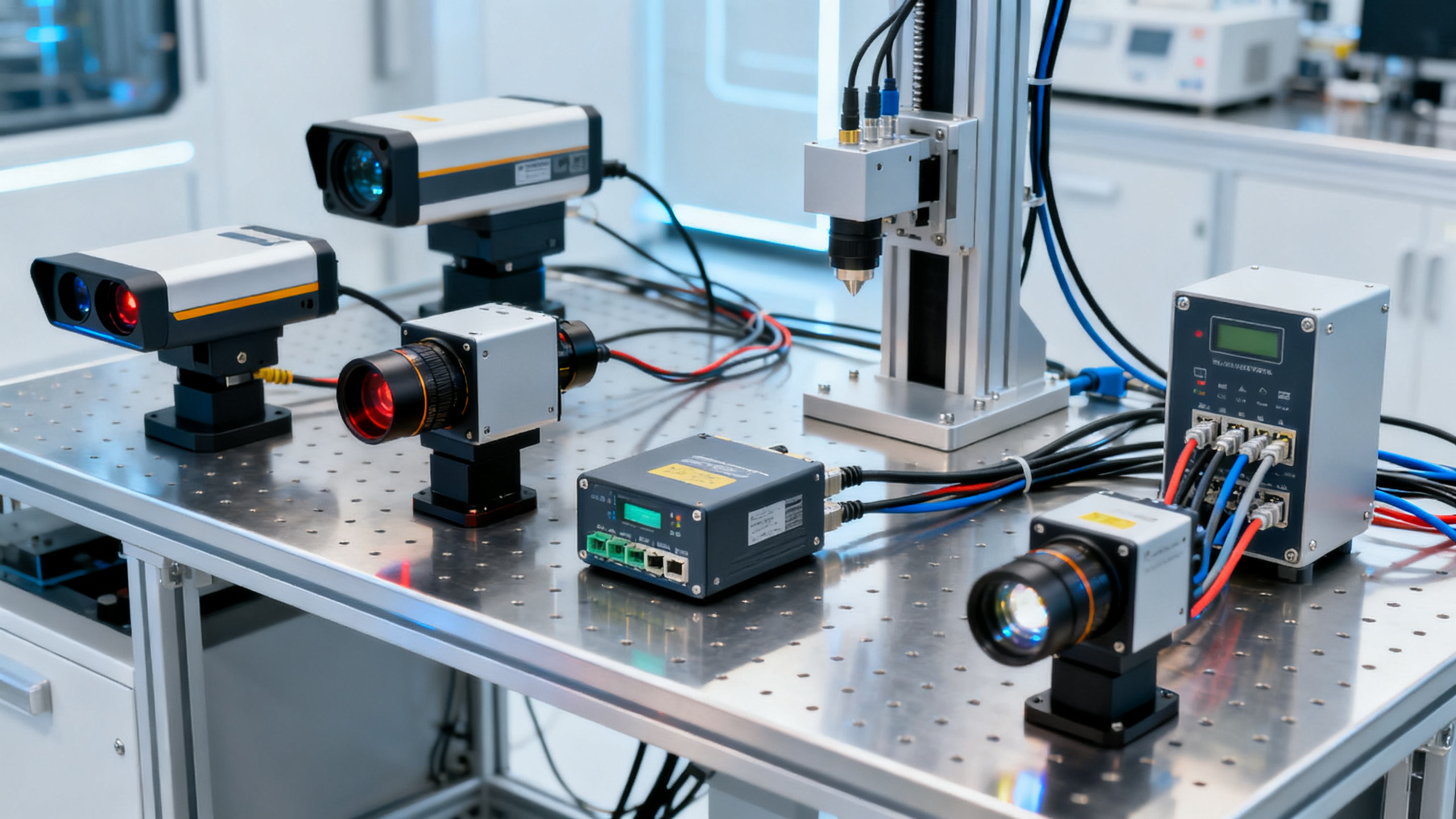
On June 17, 2026, Brazil’s INMETRO issued Technical Directive No. 142/2026, introducing a new compliance requirement for industrial optical lenses used in machine vision, industrial inspection, and laser processing systems. From an industry perspective, this is worth close attention because it directly affects lens certification access in Brazil, especially for manufacturers, exporters, importers, system integrators, and procurement teams handling telecentric lenses, zoom lenses, and UV/IR-coated lens products.

A New Certification Gate for Industrial Lenses
According to the information provided, INMETRO released Technical Directive No. 142/2026 on June 17, 2026. The directive requires that, starting October 1, 2026, all industrial optical lenses used in machine vision, industrial inspection, and laser processing systems must pass a newly added three-level Spectral Distortion Rating certification, identified as SDR-1 through SDR-3.
The scope specifically includes telecentric lenses, zoom lenses, and lenses with ultraviolet or infrared coatings. Products that do not meet the new requirement will not be able to obtain INMETRO mandatory certification, referred to in the provided information as the RCM mark.
Where the Immediate Pressure May Appear
Lens makers and cross-border suppliers face a market-access checkpoint
Analysis shows that manufacturers and trading companies supplying industrial optical lenses into Brazil may be affected first, because the new SDR grading requirement is tied to mandatory certification access. The practical impact is likely to appear in product qualification, compliance documentation, shipment planning, and Brazil-bound portfolio review.
System builders may need to recheck component selection
For companies building machine vision, industrial inspection, and laser processing systems, the issue is not only the lens itself but also whether the selected component can still move through the certification process after October 1, 2026. What deserves closer attention is whether existing lens choices for Brazil-related projects remain aligned with the new certification threshold.
Procurement and channel teams may face timing and substitution risks
Distributors, importers, and procurement teams may feel the impact in order scheduling, supplier coordination, and inventory decisions. Observably, any product line that has not completed the SDR grading process in time could create delivery uncertainty for Brazil-facing business, especially where lens specifications are tightly linked to end-use equipment configurations.
What Companies Should Monitor Now
Watch for further official wording and implementation details
From a practical standpoint, companies should pay attention to any follow-up clarification around how the SDR-1 to SDR-3 framework will be applied in certification practice. The current signal is clear on the requirement and the effective date, but implementation details often determine how smoothly products move from technical compliance into commercial delivery.
Map affected product categories early
Businesses with telecentric, zoom, UV-coated, or IR-coated lens lines should identify which products are within scope for Brazil as early as possible. This matters because the directive is category-specific and directly tied to whether a product can proceed toward mandatory certification.
Review supplier readiness and document flow
Importers, distributors, and OEM procurement teams should verify whether lens suppliers are preparing for the SDR certification requirement and whether supporting technical and certification documents can be updated in time. In operational terms, this may affect purchasing timelines, customer commitments, and internal approval steps.
Separate the policy signal from immediate business execution
It is more appropriate to understand the directive as both a regulatory instruction and an execution deadline. For many companies, the key issue is not only knowing that the rule exists, but determining which current quotations, orders, and delivery plans could be affected once the October 1, 2026 date arrives.
How This Update Is Best Interpreted
Observably, this is more than a routine wording change because it adds a new grading-based compliance requirement to a defined group of industrial optical lenses. At the same time, analysis shows it should not be overstated as a complete market reset based on the information available. What deserves closer attention is that the policy already has a stated effective date, which makes it a near-term operational issue as well as a longer-term regulatory signal for optical component compliance in Brazil.
From an industry perspective, the update is best read as a concrete compliance development with broader implications for how optical performance criteria may increasingly intersect with certification access. Whether further clarification changes the day-to-day burden still requires continued observation.
A Compliance Change With Broader Supply Chain Relevance
In summary, the June 17, 2026 INMETRO directive matters because it links market access for certain industrial optical lenses in Brazil to a new Spectral Distortion Rating certification structure. The confirmed fact is the rule change and its October 1, 2026 effective date; the broader business impact will depend on how quickly affected companies align products, documents, and delivery plans.
At this stage, it is more appropriate to understand the development as a defined regulatory change with immediate relevance for certification planning, supply coordination, and customer communication, while still leaving room for further verification of implementation details.
Basis of This Article
This article is based on the user-provided news title, event date, and event summary regarding INMETRO Technical Directive No. 142/2026 and the new SDR certification requirement for industrial optical lenses. For this type of development, commonly relevant source categories may include official regulatory notices, company announcements, industry association updates, authoritative media reporting, and standards-related documents.
A specific official source link was not provided in the input, so the exact document path still requires follow-up verification. Continued monitoring should focus on any further official clarification about the SDR-1 to SDR-3 framework, implementation wording, and certification execution requirements.
Technical Specifications
- Wholesale Borosilicate Lab Glassware: How Buyers Verify Quality, Specs, and Supply ReliabilityAuthor :Precision Metrology Expert
- How to Select Electronic Hotel Key Card Locks for Guest Rooms and Staff AreasAuthor :Safety Compliance Lead
- How to Select Lab Instruments for Reliable Chemical Analysis WorkflowsAuthor :Precision Metrology Expert
Expert Insights

Chief Security Architect
Dr. Thorne specializes in the intersection of structural engineering and digital resilience. He has advised three G7 governments on industrial infrastructure security.
Related Analysis
- Sep 18, 2026Wholesale Borosilicate Lab Glassware: How Buyers Verify Quality, Specs, and Supply ReliabilityAuthor :Precision Metrology Expert
- Sep 17, 2026How to Select Electronic Hotel Key Card Locks for Guest Rooms and Staff AreasAuthor :Safety Compliance Lead
- Sep 16, 2026How to Select Lab Instruments for Reliable Chemical Analysis WorkflowsAuthor :Precision Metrology Expert
Core Sector // 01
Security & Safety
- IEC 62443-3-3:2026 Raises Cybersecurity Bar for Industrial OpticsAuthor :Precision Metrology Expert

- EU Sets New CE Rules for Industrial OpticsAuthor :Precision Metrology Expert

- How to Evaluate a Metallurgical Microscope Exporter for Image Quality and ComplianceAuthor :Precision Metrology Expert

- UL Expands Certification Route for Hazardous-Area OpticsAuthor :Precision Metrology Expert

- Shanghai Port Delays Deepen Under Origin ChecksAuthor :Precision Metrology Expert

- CIOE 2026 to Spotlight Vision and Tactile SensorsAuthor :Precision Metrology Expert

- MWC Shanghai 2026 Opens June 24 With CPO and Industrial Security in FocusAuthor :Precision Metrology Expert

- Brazil Tightens INMETRO Rules for Industrial Optical LensesAuthor :Precision Metrology Expert