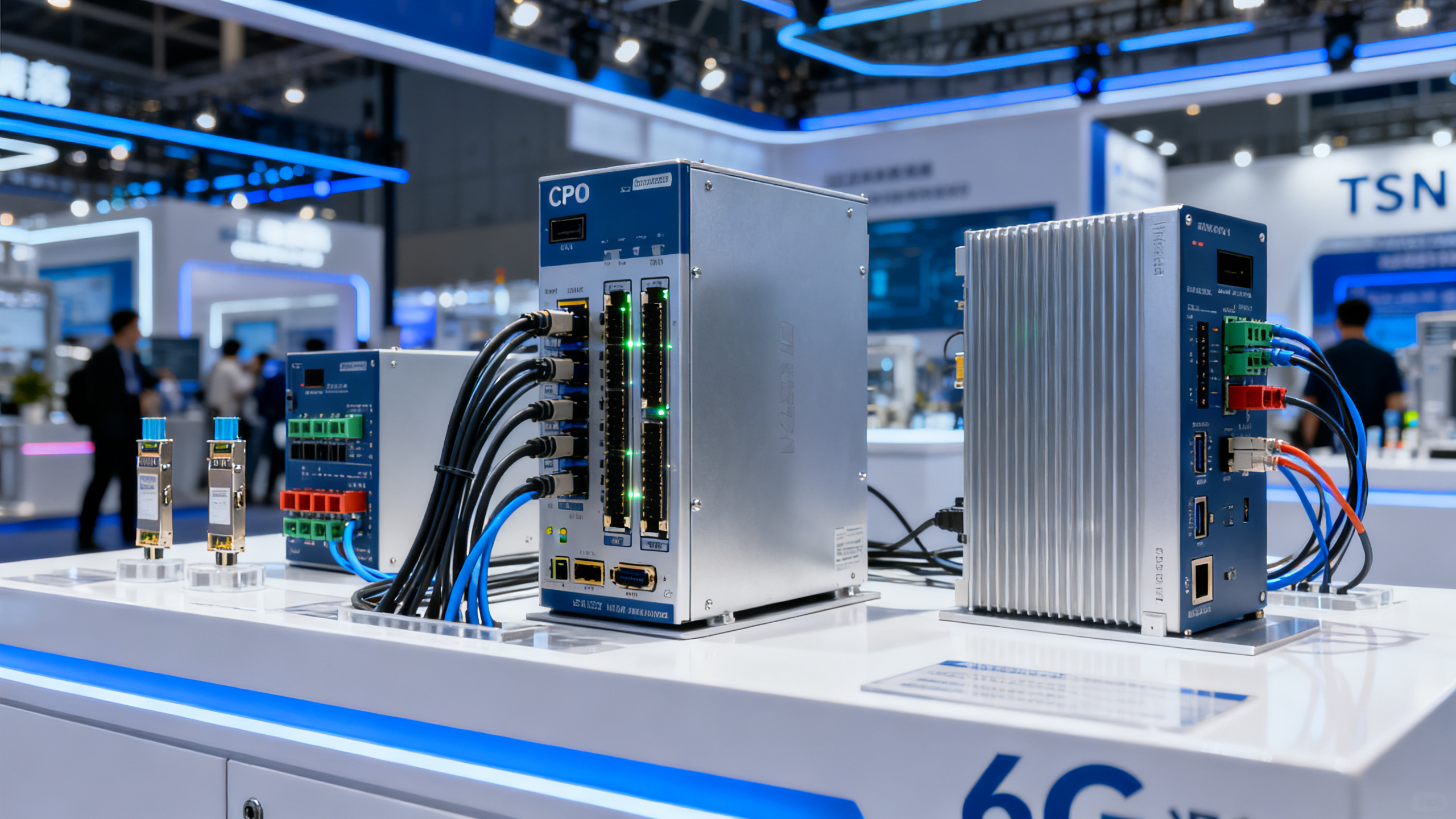
IEC 62443-3-3:2026 Raises Cybersecurity Bar for Industrial Optics
Author
Date Published
Reading Time

On July 13, 2026, the IEC formally published IEC 62443-3-3:2026, introducing mandatory SL3 cybersecurity requirements for industrial optics products and linking those requirements to certification access in multiple markets. For manufacturers of laser rangefinders, infrared thermal imaging lenses, and machine vision light source controllers, as well as buyers, certification service providers, and project delivery teams, this matters because cybersecurity is no longer only a technical feature discussion but a market entry and bidding condition tied to compliance timelines.
What the new standard formally establishes
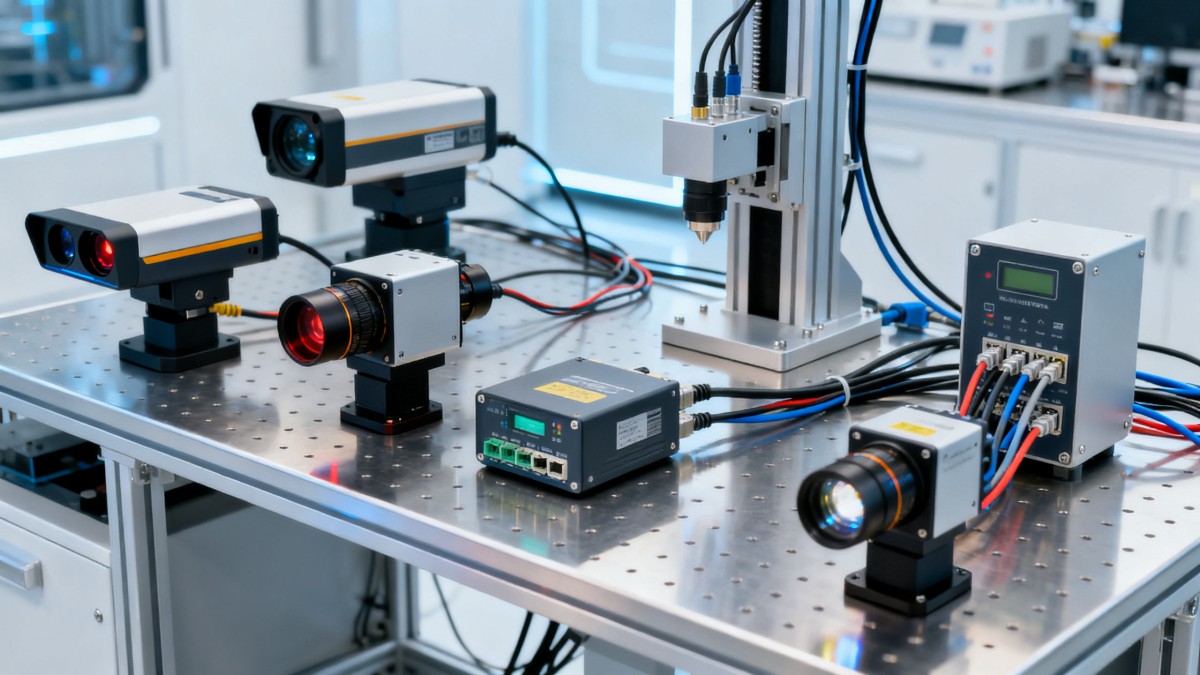
The published standard is IEC 62443-3-3:2026, released by the IEC on July 13, 2026. According to the provided event summary, it is the first standard to define mandatory SL3 cybersecurity requirements for industrial optics equipment, including laser rangefinders, infrared thermal imaging lenses, and machine vision light source controllers.
The confirmed technical requirements named in the event summary include firmware signature verification, encryption for remote configuration, and protection against denial-of-service attacks. The same summary states that the standard will be adopted in parallel by EU CE, US UL62443, and Saudi SASO.
The provided information also states that Chinese manufacturers that do not complete certification before Q1 2027 will lose eligibility to bid for critical infrastructure projects. This is the explicit compliance consequence identified in the source material.
Where the pressure will show up first
Manufacturers will face a tighter compliance gate
From an industry perspective, equipment makers are likely to feel the most direct impact because the rule change connects product cybersecurity functions to certification and project access. The practical pressure point is not only product design, but also whether firmware, remote configuration functions, and network resilience features can be documented and presented in a form that supports certification review and bid qualification.
Export and channel teams will need to recheck market access conditions
For export-facing businesses and channel operators, the relevance comes from the stated parallel adoption by CE, UL62443, and SASO. Analysis shows that any sales process relying on prior technical declarations, market access assumptions, or standard certification timing may need to be revisited. What deserves closer attention is whether existing sales documentation, product compliance files, and quotation commitments remain aligned with the new cybersecurity requirement path.
Project buyers and procurement teams may adjust qualification filters
Procurement teams, especially those linked to critical infrastructure projects, are likely to treat certification status as a more explicit pre-bid or technical evaluation condition. Observably, the immediate issue is not only whether a product performs its optical function, but whether it can still pass supplier qualification, technical bid alignment, and compliance review once the new standard is referenced in procurement documents or tender requirements.
Testing and certification service providers may see a narrower execution window
Certification-related firms and testing service institutions may be affected because the event points to a fixed compliance deadline for Chinese manufacturers seeking critical infrastructure bidding access. Analysis shows that document preparation, test scheduling, technical evidence review, and certification sequencing could become more sensitive in delivery planning, even though the detailed execution timetable beyond the stated deadline is not provided in the input.
What companies should track now
Check whether the covered product lines fall within the new requirement scope
Companies should first verify whether their product portfolio includes the industrial optics categories explicitly named in the event summary. This matters because the compliance burden described in the input is not framed as a general electronics issue, but as a requirement directly attached to specific equipment types.
Review technical files against the named cybersecurity controls
Analysis shows that the immediate document review should focus on the three requirement areas expressly mentioned in the event summary: firmware signature verification, encrypted remote configuration, and denial-of-service protection. What deserves closer attention is whether current technical files, test materials, product specifications, and bid documents clearly reflect those controls in a way that supports future certification or customer review.
Watch certification timing and bid eligibility together
For Chinese manufacturers, the stated Q1 2027 certification deadline should be read together with the risk of losing eligibility for critical infrastructure tenders. It is more appropriate to understand this as a practical coordination issue between compliance planning and commercial execution: certification progress, shipment commitments, customer qualification steps, and tender participation timing may need to be reviewed together rather than handled separately.
Monitor how adopting frameworks appear in customer and market documents
The event summary says the standard will be adopted by EU CE, US UL62443, and Saudi SASO. Observably, companies should monitor how this adoption is later reflected in certification language, customer technical requirements, tender clauses, after-sales support expectations, and supplier qualification documents. Because the input does not provide the detailed implementation wording, this remains an area for continued tracking rather than a settled execution outcome.
Why this looks like an execution signal rather than a distant policy discussion
Analysis shows that this development is more than a general standard update because the input links a published IEC standard to parallel adoption in multiple compliance frameworks and to a defined certification deadline affecting project bidding access. That combination makes the event more appropriate to understand as an execution signal for market access and procurement screening, while some details of enforcement language and market practice still require observation.
From an industry perspective, the most important unresolved point is not whether the rule exists, but how quickly certification expectations, tender references, and customer qualification criteria begin to reflect it in practice. For that reason, the market response may emerge first through certification workflows and procurement documents rather than through broad public policy explanation.
How this development should be read at this stage
At this stage, the event can be read as a concrete compliance shift for industrial optics products that are sold into regulated or infrastructure-linked projects. The confirmed facts already indicate a higher cybersecurity entry requirement and a direct link between certification completion and bid access for affected Chinese manufacturers.
At the same time, a neutral reading is still necessary. It is more appropriate to understand this as a rule change with clear commercial implications but with some downstream execution details still to be validated through certification practice, tender wording, and market adoption feedback.
Basis of this article and points still to verify
This article is based on the user-provided news title, event date, and event summary. For this type of development, relevant source categories would usually include official announcements, regulatory releases, trade or customs authority information, industry association updates, standards organization documents, and reporting by authoritative media.
No specific official source link was provided in the input, so the underlying source documents and subsequent implementation language still need to be verified on an ongoing basis. Observably, the areas that warrant continued attention include certification interpretation, implementation guidance, changes in tender documents, customer-side qualification language, industry feedback, and how affected companies execute against the stated timeline.
Technical Specifications
- How to Select Electronic Hotel Key Card Locks for Guest Rooms and Staff AreasAuthor :Safety Compliance Lead
- How to Select Lab Instruments for Reliable Chemical Analysis WorkflowsAuthor :Precision Metrology Expert
- How to Size a UPS for Server Rooms: Load, Runtime, and Redundancy FactorsAuthor :Grid Infrastructure Analyst
Expert Insights

Chief Security Architect
Dr. Thorne specializes in the intersection of structural engineering and digital resilience. He has advised three G7 governments on industrial infrastructure security.
Related Analysis
- Sep 17, 2026How to Select Electronic Hotel Key Card Locks for Guest Rooms and Staff AreasAuthor :Safety Compliance Lead
- Sep 16, 2026How to Select Lab Instruments for Reliable Chemical Analysis WorkflowsAuthor :Precision Metrology Expert
- Sep 15, 2026How to Size a UPS for Server Rooms: Load, Runtime, and Redundancy FactorsAuthor :Grid Infrastructure Analyst
Core Sector // 01
Security & Safety
- IEC 62443-3-3:2026 Raises Cybersecurity Bar for Industrial OpticsAuthor :Precision Metrology Expert

- EU Sets New CE Rules for Industrial OpticsAuthor :Precision Metrology Expert

- How to Evaluate a Metallurgical Microscope Exporter for Image Quality and ComplianceAuthor :Precision Metrology Expert

- UL Expands Certification Route for Hazardous-Area OpticsAuthor :Precision Metrology Expert

- Shanghai Port Delays Deepen Under Origin ChecksAuthor :Precision Metrology Expert

- CIOE 2026 to Spotlight Vision and Tactile SensorsAuthor :Precision Metrology Expert

- MWC Shanghai 2026 Opens June 24 With CPO and Industrial Security in FocusAuthor :Precision Metrology Expert

- Brazil Tightens INMETRO Rules for Industrial Optical LensesAuthor :Precision Metrology Expert