CIOE 2026 to Spotlight Vision and Tactile Sensors
Author
Date Published
Reading Time

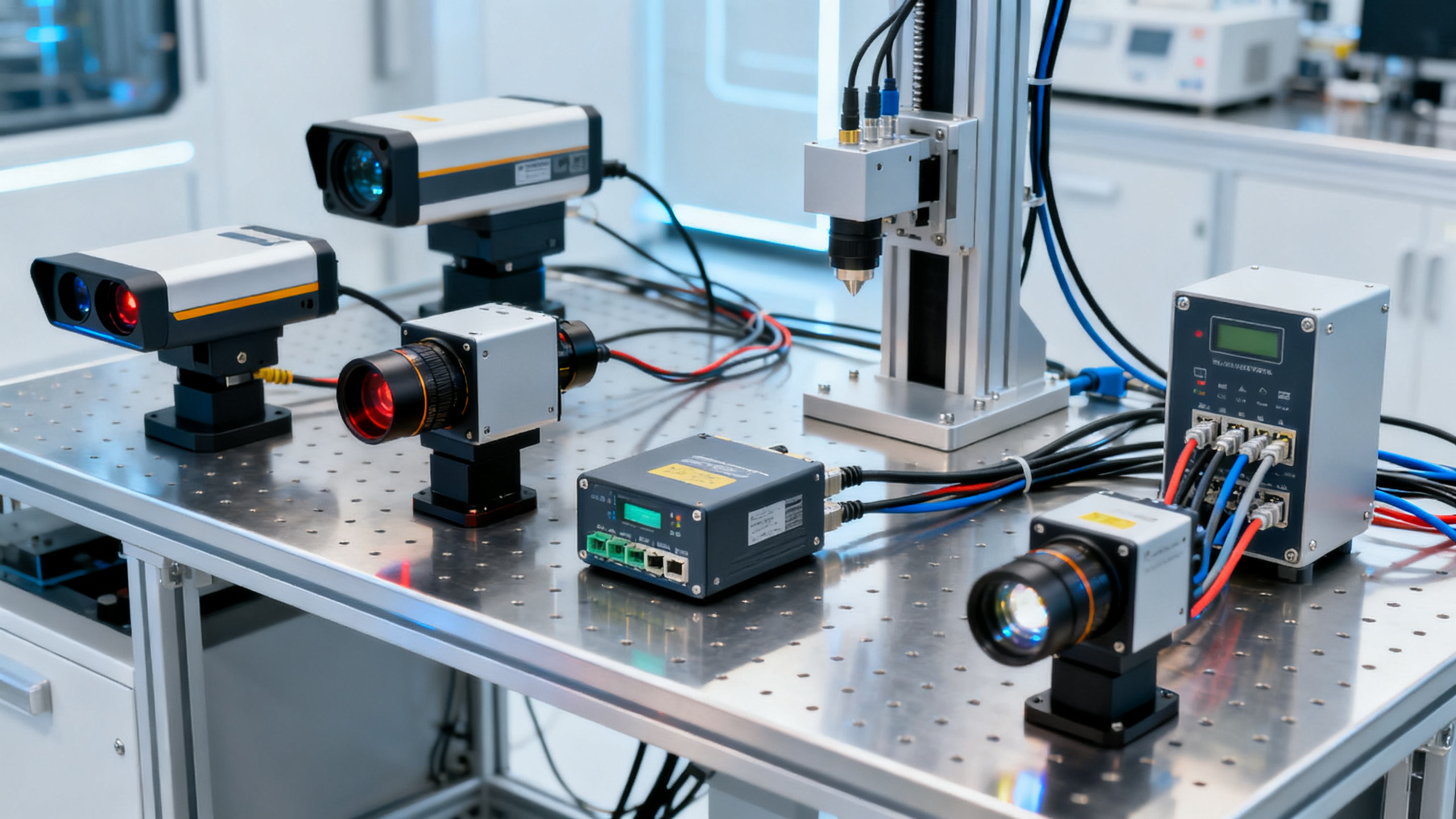
From September 9 to 11, 2026, CIOE will host a dedicated smart sensing exhibition at Shenzhen World Exhibition & Convention Center, putting micro-nano displacement sensors, flexible tactile sensors, and high-resolution vision sensors at the center of attention. For sensor manufacturers, overseas OEM-facing sales teams, channel partners, and buyers in AGV, collaborative robotics, medical devices, and semiconductor inspection equipment, the event is worth watching because it connects a policy-designated technology focus with a live procurement and market-access setting.
What the Shenzhen showcase will feature
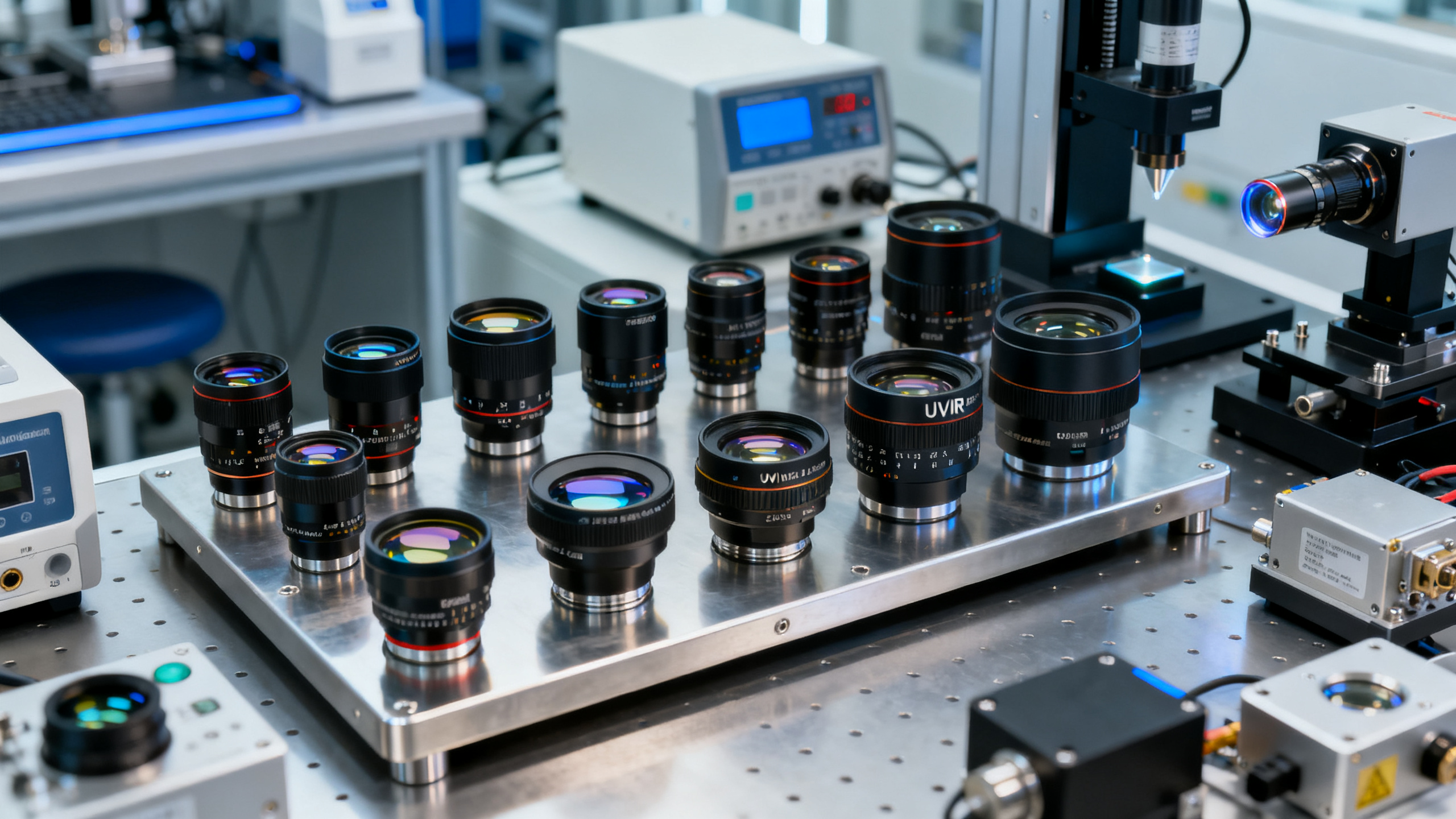
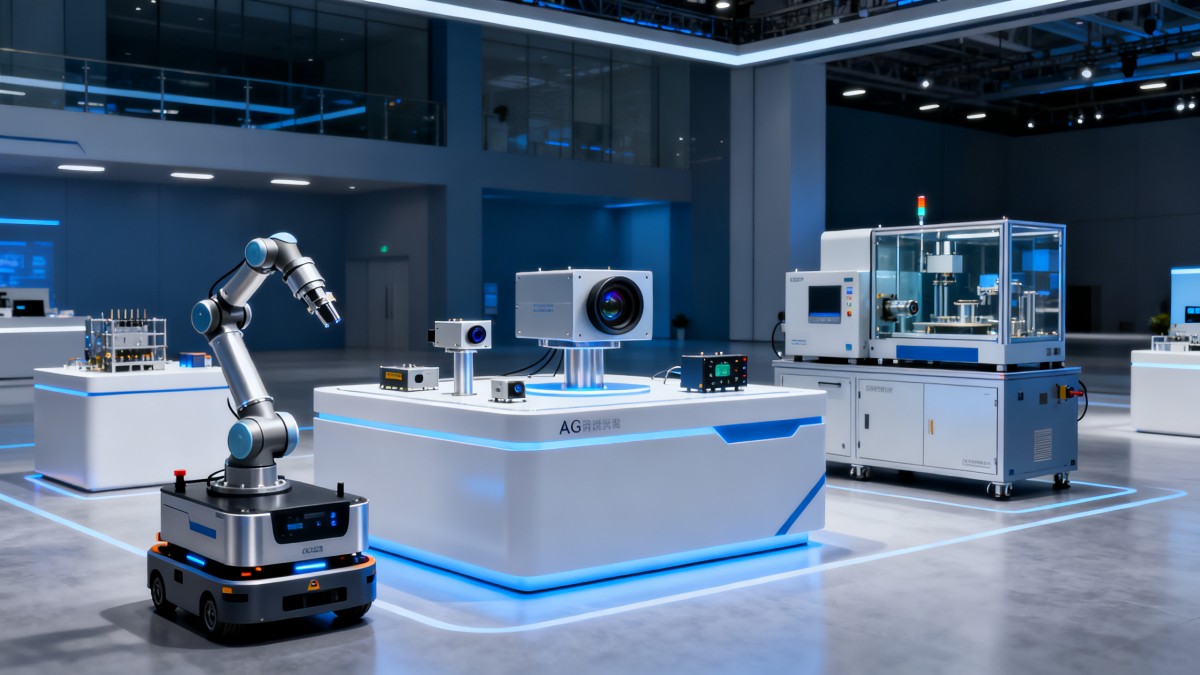
According to the provided event information, the smart sensing section of CIOE 2026 will take place during September 9–11, 2026 at Shenzhen World Exhibition & Convention Center. The exhibition will focus on three technology areas: micro-nano displacement sensors, flexible tactile sensors, and high-resolution vision sensors. The same three categories are identified as key breakthrough technologies in the Ministry of Industry and Information Technology's Action Plan for Innovative Development of the Internet of Things Industry (2026–2028). The event is also expected to attract global buyers from AGV, collaborative robot, medical device, and semiconductor inspection equipment segments, while serving as a platform for Chinese sensor companies to connect with overseas OEMs and channel partners.
Why different market participants may pay attention
Sensor suppliers may see a clearer demand-facing conversation
From an industry perspective, suppliers of the highlighted sensor categories may be affected because the exhibition brings technology display and buyer access into the same setting. The most direct impact is likely to be on product positioning, customer outreach, and export-oriented business development. What deserves closer attention is whether buyer interest concentrates around specific application requirements from robotics, medical, or inspection equipment procurement teams.
Equipment manufacturers may use the event to compare fit by application
For AGV, collaborative robot, medical device, and semiconductor inspection equipment participants, the relevance lies in supplier screening and component matching. Analysis shows that the main business impact is likely to appear in procurement evaluation, technical communication, and early-stage sourcing decisions rather than in any immediate market conclusion. These buyers may pay closer attention to how the showcased sensing technologies align with their own integration priorities.
Channels and overseas business teams may focus on partner readiness
For channel operators and teams working with overseas OEM opportunities, the event may matter because it is positioned as an efficient connection point for Chinese sensor companies and external commercial partners. The practical effect is most likely to appear in partner identification, sales pipeline development, and distribution discussions. Observably, the key variable is not only product exposure, but also whether suppliers can present a business-ready offering to international counterparts.
What companies should monitor around this event
Separate policy signaling from immediate commercial results
Analysis shows that being named in a policy action plan and being featured at a major exhibition are not the same as confirmed order conversion. Companies should watch how official wording, product emphasis, and buyer attention develop, while avoiding the assumption that visibility automatically leads to near-term business outcomes.
Prepare around the three highlighted sensor categories
What deserves closer attention is the practical weight given to micro-nano displacement sensors, flexible tactile sensors, and high-resolution vision sensors. For participating companies, this affects product communication, meeting preparation, and the way they frame application relevance for robotics, medical, and semiconductor inspection customers.
Review cross-border business materials before engagement
Because the event is described as a platform for connecting with overseas OEMs and channel partners, companies pursuing international discussions should focus on the business basics behind partner engagement. In practical terms, this includes whether supplier credentials, product documentation, delivery-related communication, and customer-facing materials are ready for external review.
Track procurement-side feedback by end-use segment
Observably, buyer interest may not be uniform across AGV, collaborative robotics, medical devices, and semiconductor inspection equipment. Companies should therefore pay attention to which end-use segments generate the most concrete discussions, since that may shape follow-up prioritization in sales, channel development, and supply coordination.
How this development is best understood at this stage
It is more appropriate to understand this as a combined policy-and-market signal rather than as a confirmed shift in competitive outcomes. The event indicates that several sensor categories are receiving both official strategic attention and dedicated exhibition exposure. At the same time, the actual impact on orders, partnerships, and supply-chain decisions still depends on what happens during and after buyer engagement. From an industry perspective, this is a development that merits continued observation rather than a basis for definitive conclusions.
A near-term event with longer-term implications to watch
The immediate significance of CIOE 2026's smart sensing focus is that it puts three policy-highlighted sensor technologies in front of relevant global buyers in one place. The broader takeaway is more cautious: this is a useful indicator of where industry attention is being organized, but not yet proof of commercial outcomes. Current industry interpretation is better anchored in watchfulness around procurement direction, partner matching, and application-specific demand signals.
Basis of this article and what still needs verification
This article is based on the user-provided news title, event date, and event summary. For developments of this kind, commonly relevant source types may include official event announcements, company statements, industry association updates, authoritative media coverage, and standards or policy documents. No specific official source link was provided in the input, so the underlying official link and any subsequent updates still require ongoing verification. Areas that warrant further follow-up include any later official event disclosures, changes in exhibition emphasis, and post-event signals from buyer participation and cross-border partnership activity.
Technical Specifications
- Selecting High-Temperature Gaskets for Steam, Flanges, and Thermal CyclingAuthor :Heavy Industry Strategist
- How to Select an Emissions Monitoring System Analyzer for Compliance ReportingAuthor :Precision Metrology Expert
- How to Select an Access Control Management System for Multi-Site FacilitiesAuthor :Safety Compliance Lead
Expert Insights

Chief Security Architect
Dr. Thorne specializes in the intersection of structural engineering and digital resilience. He has advised three G7 governments on industrial infrastructure security.
Related Analysis
- Sep 22, 2026Selecting High-Temperature Gaskets for Steam, Flanges, and Thermal CyclingAuthor :Heavy Industry Strategist
- Sep 21, 2026How to Select an Emissions Monitoring System Analyzer for Compliance ReportingAuthor :Precision Metrology Expert
- Sep 20, 2026How to Select an Access Control Management System for Multi-Site FacilitiesAuthor :Safety Compliance Lead
Core Sector // 01
Security & Safety
- IEC 62443-3-3:2026 Raises Cybersecurity Bar for Industrial OpticsAuthor :Precision Metrology Expert

- EU Sets New CE Rules for Industrial OpticsAuthor :Precision Metrology Expert

- How to Evaluate a Metallurgical Microscope Exporter for Image Quality and ComplianceAuthor :Precision Metrology Expert

- UL Expands Certification Route for Hazardous-Area OpticsAuthor :Precision Metrology Expert

- Shanghai Port Delays Deepen Under Origin ChecksAuthor :Precision Metrology Expert

- CIOE 2026 to Spotlight Vision and Tactile SensorsAuthor :Precision Metrology Expert

- MWC Shanghai 2026 Opens June 24 With CPO and Industrial Security in FocusAuthor :Precision Metrology Expert

- Brazil Tightens INMETRO Rules for Industrial Optical LensesAuthor :Precision Metrology Expert