TÜV Rheinland Updates EMC Guidelines for Industrial Optical Lenses
Author
Date Published
Reading Time
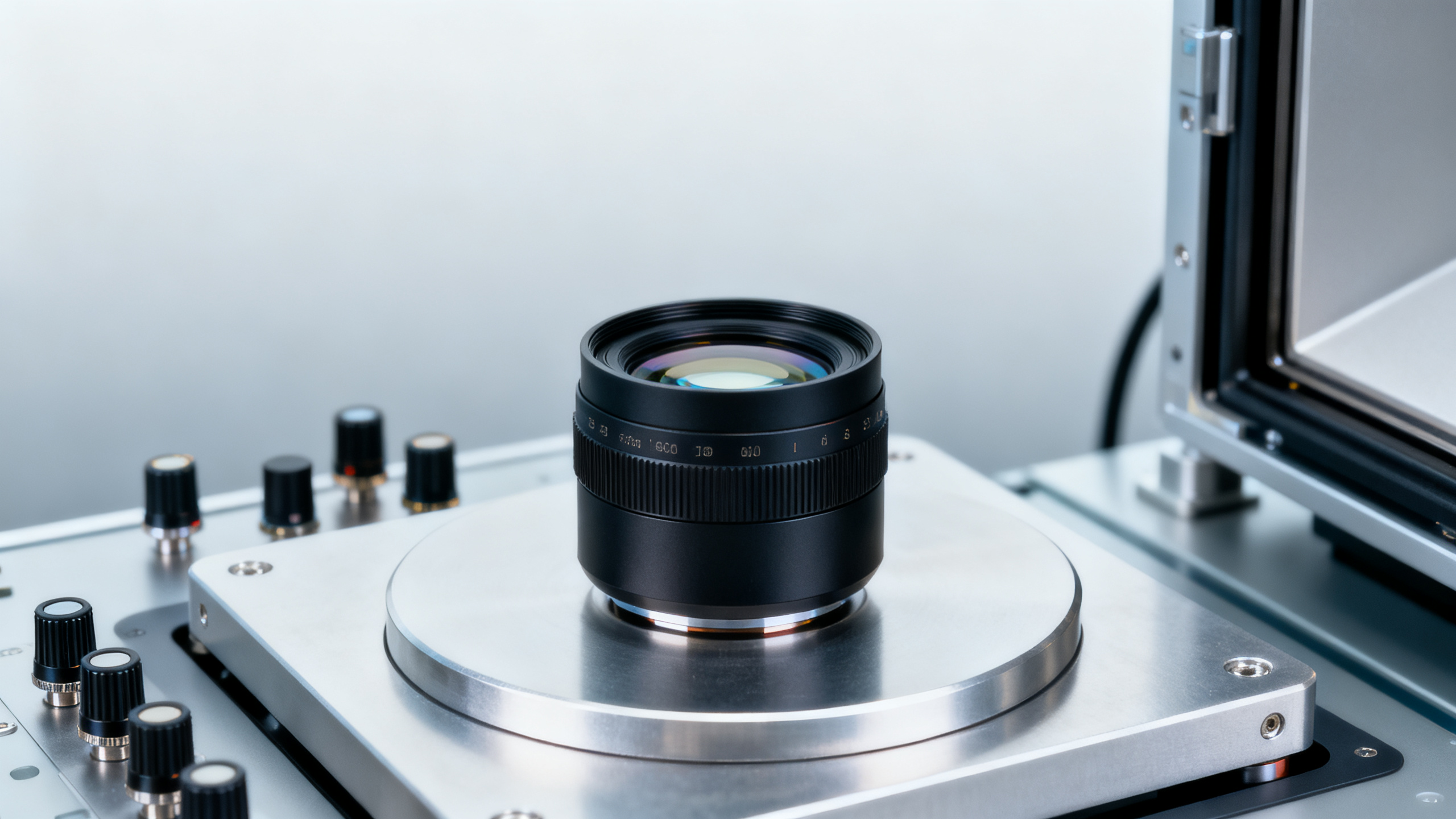
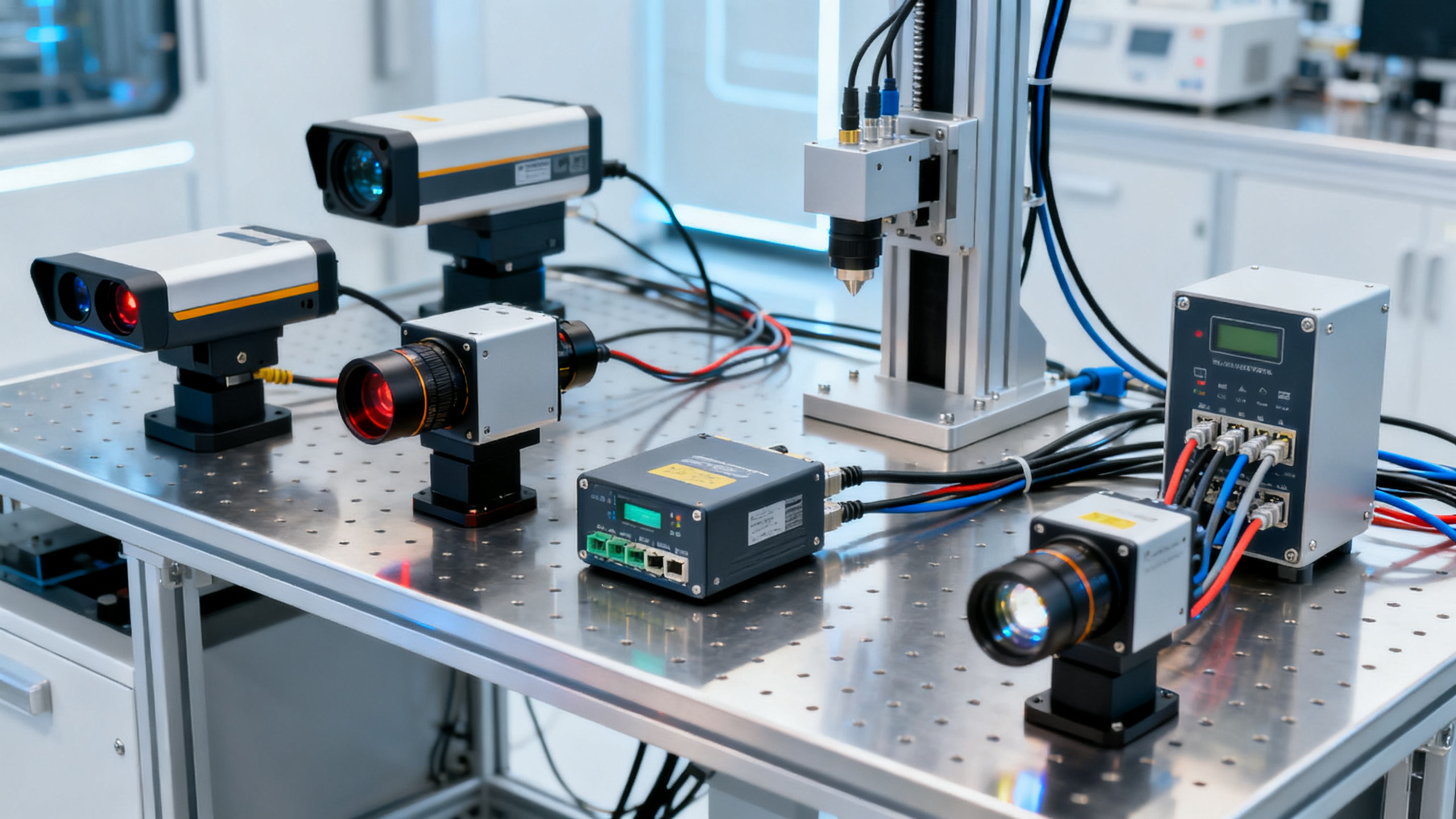
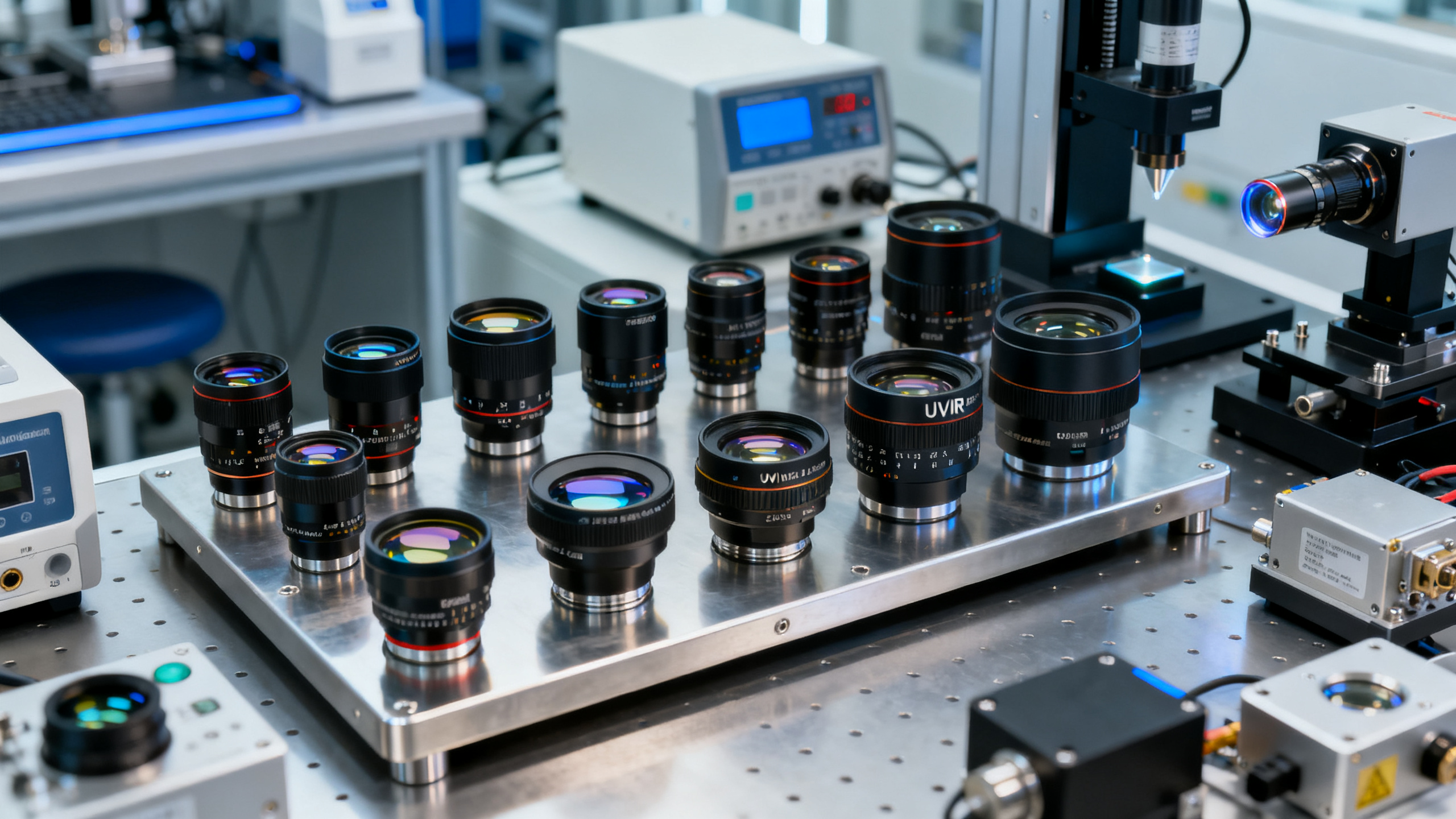
On May 15, 2026, German certification body TÜV Rheinland released the updated Industrial Optics EMC Test Guideline v3.2, introducing new electromagnetic compatibility (EMC) requirements for industrial optical lenses used in lab and analytics equipment—including spectrometers, microscopic imaging systems, and precision metrology devices. This update directly affects manufacturers and exporters of such components, particularly those supplying into EU markets, and signals a tightening of technical access conditions for high-precision optical hardware.
Event Overview
On May 15, 2026, TÜV Rheinland published Industrial Optics EMC Test Guideline v3.2. The revision adds two key test requirements for industrial optical lenses: (1) near-field radiated immunity testing per IEC 61000-4-20, and (2) EMC stability verification under mechanical vibration conditions. According to publicly reported feedback from Chinese lens manufacturers, certification pass rates have declined by approximately 17%, and average certification lead times have extended by five weeks.
Industries Affected
Manufacturers of Industrial Optical Lenses
These companies are directly subject to the revised test criteria. The addition of near-field immunity and vibration-based EMC validation increases both test complexity and equipment calibration demands—especially for lenses integrated with active electronics or motorized focusing mechanisms.
Suppliers of Lab & Analytics Equipment (OEMs)
OEMs integrating third-party optical lenses into spectrometers, digital microscopes, or coordinate measuring machines must now revalidate system-level EMC compliance if previously qualified lenses no longer meet v3.2. This may trigger redesign, retesting, or supplier qualification reassessment.
Exporters and Distributors Serving EU Markets
Entities responsible for CE marking and EU market access must confirm that lens subcomponents satisfy the updated guideline—particularly where lenses are declared as integral to the device’s EMC performance. Documentation gaps or outdated test reports may delay customs clearance or post-market surveillance.
What Relevant Enterprises or Practitioners Should Monitor and Do Now
Track official interpretations and implementation timelines
TÜV Rheinland has not yet published transitional provisions or grandfathering rules for existing certifications. Enterprises should monitor official updates via TÜV’s dedicated industrial optics portal and confirm whether legacy test reports remain acceptable for devices placed on the EU market before or after specific cut-off dates.
Review lens integration points in high-risk product categories
Focus first on lenses used in analyzers operating in electromagnetically sensitive environments (e.g., clinical labs, semiconductor cleanrooms) or those incorporating embedded controllers, USB/USB-C interfaces, or wireless modules—these are most likely to require full re-evaluation under v3.2.
Distinguish between guideline applicability and regulatory enforcement
The guideline itself is not a legal requirement but informs conformity assessment under the EU EMC Directive (2014/30/EU). Its adoption by notified bodies like TÜV Rheinland strongly influences de facto market access—yet enforcement remains tied to device-level CE declarations, not component-only certificates.
Adjust supply chain planning and internal test scheduling
Given the reported +5-week average extension in certification cycles, manufacturers should revise procurement lead times for critical optical components, allocate additional buffer for EMC revalidation in new product development schedules, and initiate early dialogue with accredited test labs offering IEC 61000-4-20 and vibration-coupled EMC services.
Editorial Observation / Industry Perspective
Observably, this update reflects a broader shift toward system-aware EMC evaluation—not just for standalone electronics, but for opto-mechanical subsystems increasingly reliant on digital control and real-time data transmission. Analysis shows the inclusion of vibration-based EMC stability suggests growing recognition of mechanical-electrical coupling effects in high-precision instrumentation. While the guideline does not constitute new legislation, its adoption by a leading notified body signals an emerging expectation among EU importers and end users. From an industry perspective, it functions less as an immediate compliance deadline and more as a forward-looking signal: EMC validation is evolving from static lab testing toward dynamic, context-sensitive assessment.
Conclusion
This guideline revision marks a measurable increase in technical due diligence for industrial optical components entering regulated analytical equipment markets. It does not introduce new legal obligations—but it does raise practical barriers to market entry through heightened test expectations and extended certification timelines. Currently, it is more appropriately understood as a procedural tightening aligned with advancing instrumentation complexity, rather than a sudden regulatory pivot.
Source Attribution:
• TÜV Rheinland: Industrial Optics EMC Test Guideline v3.2 (published May 15, 2026)
• Publicly reported feedback from Chinese industrial lens manufacturers (aggregate pass-rate and timeline data, as cited in the input information)
Note: Transitional arrangements, scope clarifications, and applicability to legacy products remain pending official confirmation and are subject to ongoing observation.
Technical Specifications
- How to Select Electronic Hotel Key Card Locks for Guest Rooms and Staff AreasAuthor :Safety Compliance Lead
- How to Select Lab Instruments for Reliable Chemical Analysis WorkflowsAuthor :Precision Metrology Expert
- How to Size a UPS for Server Rooms: Load, Runtime, and Redundancy FactorsAuthor :Grid Infrastructure Analyst
Expert Insights

Chief Security Architect
Dr. Thorne specializes in the intersection of structural engineering and digital resilience. He has advised three G7 governments on industrial infrastructure security.
Related Analysis
- Sep 17, 2026How to Select Electronic Hotel Key Card Locks for Guest Rooms and Staff AreasAuthor :Safety Compliance Lead
- Sep 16, 2026How to Select Lab Instruments for Reliable Chemical Analysis WorkflowsAuthor :Precision Metrology Expert
- Sep 15, 2026How to Size a UPS for Server Rooms: Load, Runtime, and Redundancy FactorsAuthor :Grid Infrastructure Analyst
Core Sector // 01
Security & Safety
- IEC 62443-3-3:2026 Raises Cybersecurity Bar for Industrial OpticsAuthor :Precision Metrology Expert

- EU Sets New CE Rules for Industrial OpticsAuthor :Precision Metrology Expert

- How to Evaluate a Metallurgical Microscope Exporter for Image Quality and ComplianceAuthor :Precision Metrology Expert

- UL Expands Certification Route for Hazardous-Area OpticsAuthor :Precision Metrology Expert

- Shanghai Port Delays Deepen Under Origin ChecksAuthor :Precision Metrology Expert

- CIOE 2026 to Spotlight Vision and Tactile SensorsAuthor :Precision Metrology Expert

- MWC Shanghai 2026 Opens June 24 With CPO and Industrial Security in FocusAuthor :Precision Metrology Expert

- Brazil Tightens INMETRO Rules for Industrial Optical LensesAuthor :Precision Metrology Expert