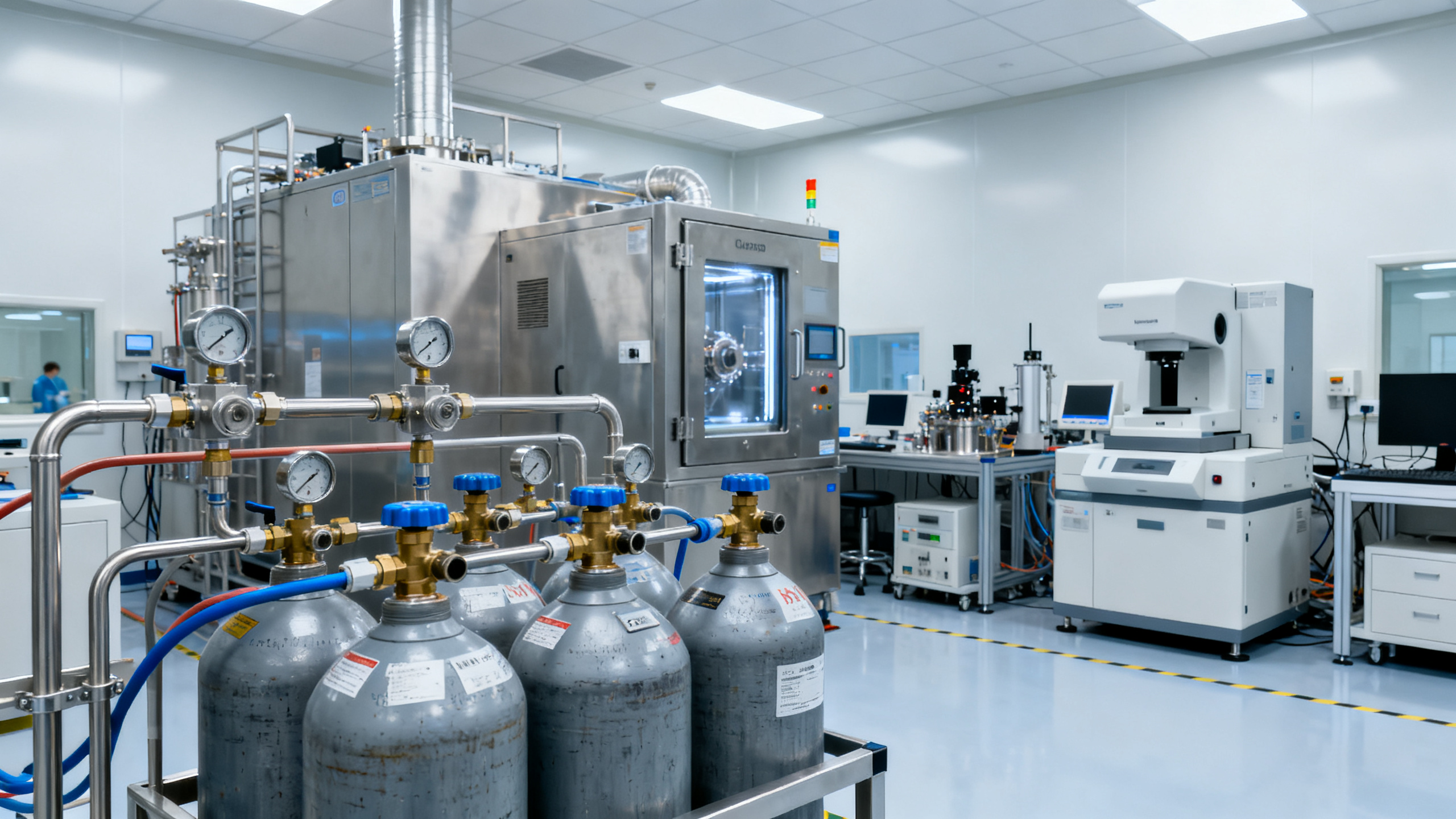
Kinematic viscosity bath temperature gradients skew results more than users realize
Author
Date Published
Reading Time
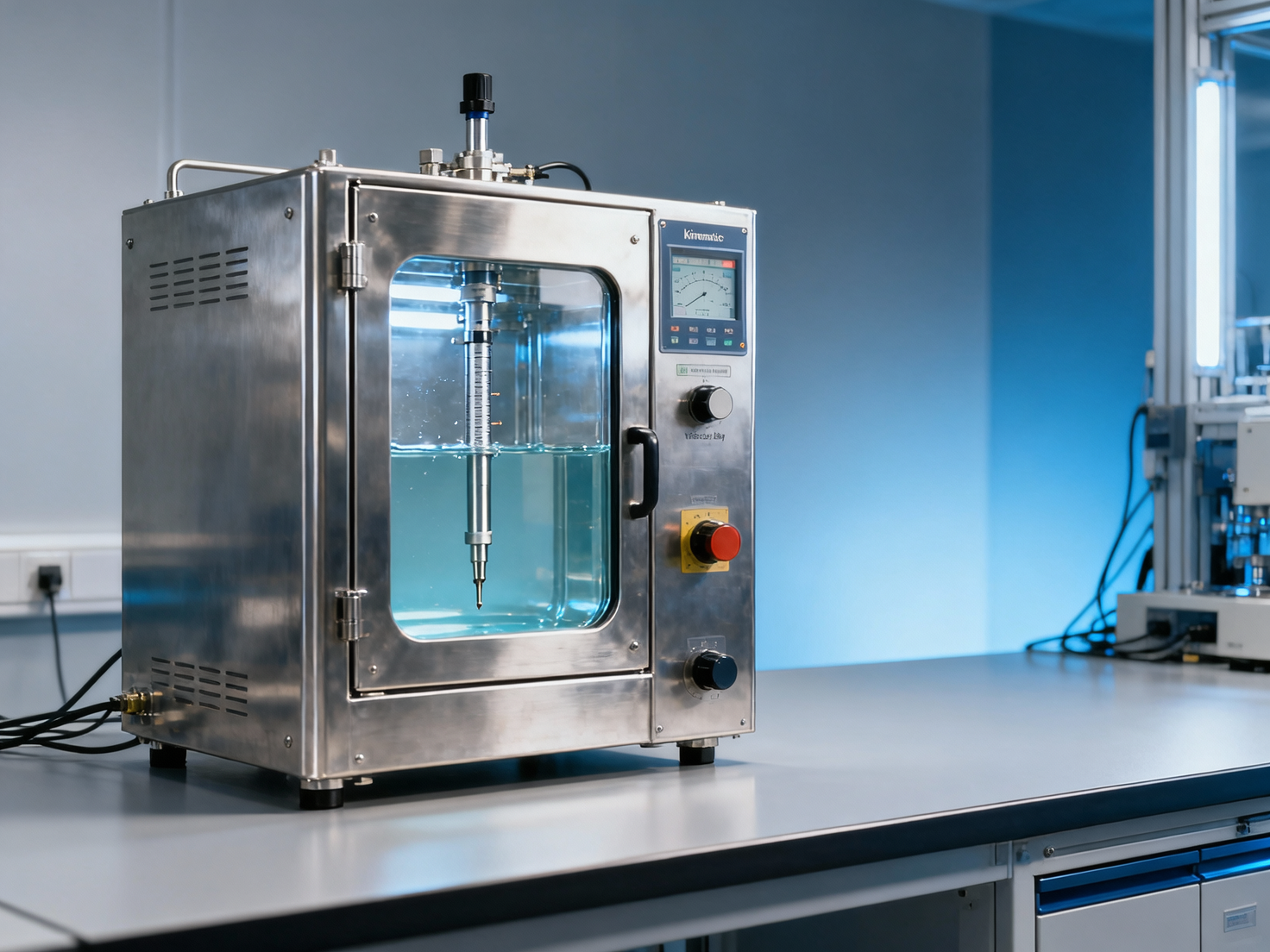
In precision measurement for electrical & power grid infrastructure, even minor thermal inconsistencies in a kinematic viscosity bath can introduce critical errors—skewing calibration validity for pressure transmitters wholesale, load cells manufacturer outputs, and analytical balances. This overlooked variable directly impacts reliability of pallet truck scales, crane scales wholesale, and precision weighing scales used in safety-critical EPC and facility operations. For procurement personnel and engineering decision-makers, understanding bath temperature gradients isn’t academic—it’s foundational to compliance (UL/CE/ISO), metrological traceability, and long-term system resilience. Global Industrial Core delivers E-E-A-T-verified insights across instruments & measurement, empowering users and specifiers with actionable, standards-aligned intelligence.
Why Temperature Gradients in Kinematic Viscosity Baths Matter More Than Spec Sheets Suggest
Kinematic viscosity baths are not passive thermal reservoirs—they are active metrological systems where spatial temperature uniformity directly defines measurement integrity. In electrical & power grid applications, these baths calibrate fluid-based sensors (e.g., differential pressure transducers in turbine lube oil monitoring) and support calibration of force-measurement devices tied to grid asset health diagnostics.
A gradient exceeding ±0.15°C across the bath volume introduces measurable deviation in ASTM D445-compliant kinematic viscosity readings—enough to shift certified reference fluid values by up to 0.8% at 40°C. That error propagates into field instrument uncertainty budgets, compromising ISO/IEC 17025 accreditation for EPC-contracted calibration labs serving substations and HVDC converter stations.
Unlike general-purpose lab baths, those deployed in electrical infrastructure contexts must sustain stability under continuous operation (7–15 days per calibration cycle), resist ambient drift from HVAC fluctuations in control rooms, and maintain homogeneity despite frequent probe insertions during multi-point verification workflows.
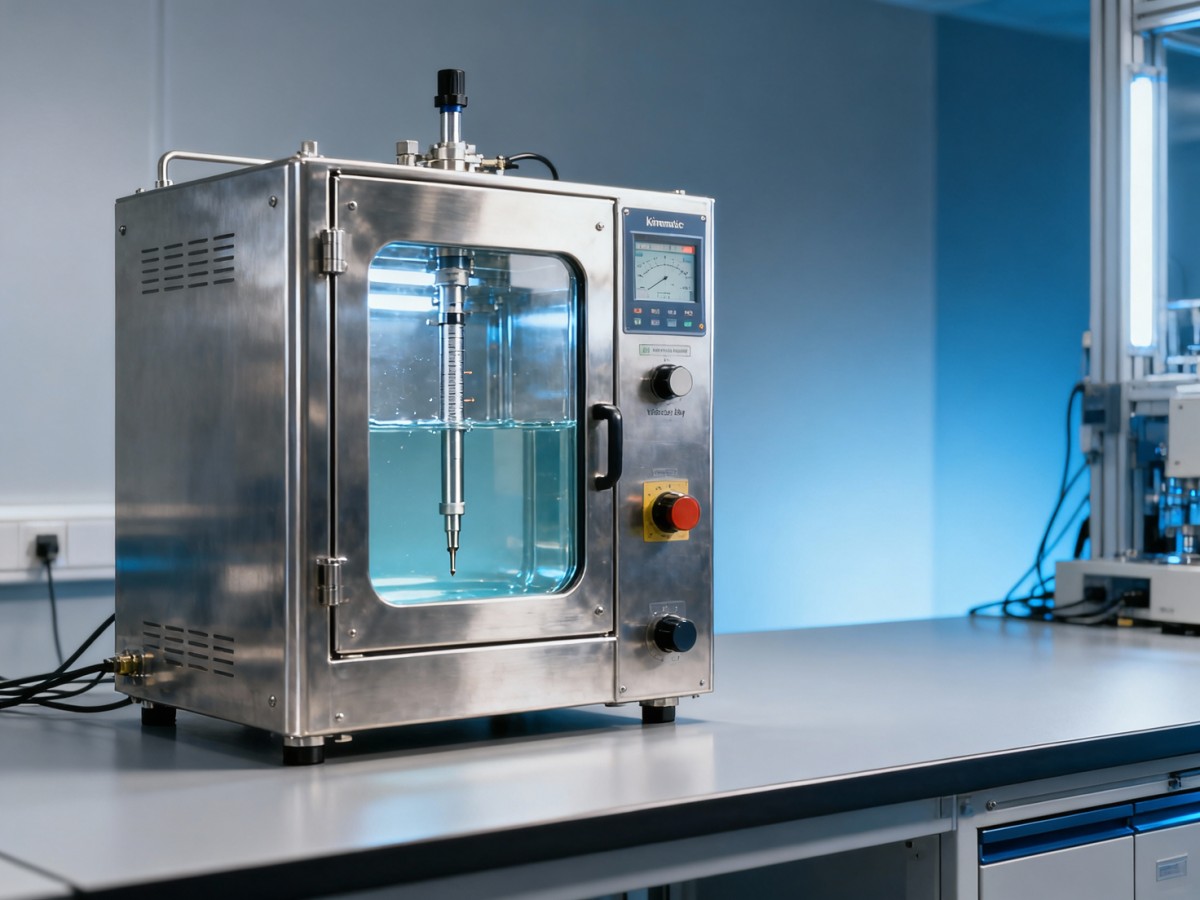
Three Critical Thermal Performance Thresholds
- Uniformity tolerance: ≤ ±0.05°C across 100 mm vertical/columnar zone (per ASTM E1137)
- Stability window: ≤ ±0.02°C over 2-hour dwell period (required for Class A calibration per ISO 17025:2017 Annex B)
- Recovery time: ≤ 4 minutes to re-stabilize after 10 mL probe immersion (critical for high-throughput utility metering labs)
How Bath Gradients Impact Electrical Measurement Chain Integrity
Temperature non-uniformity doesn’t merely affect viscosity values—it cascades through three interdependent layers of electrical infrastructure metrology: sensor calibration, system validation, and operational assurance.
First, pressure transmitters used in transformer cooling oil flow monitoring rely on calibrated viscometers to validate dynamic response curves. A 0.2°C gradient shifts apparent viscosity by ~0.3%, misrepresenting Reynolds number thresholds—and potentially masking incipient sludge formation risks.
Second, load cell calibration for crane scales used in substation equipment handling requires traceable force-to-viscosity correlation. Gradient-induced deviations exceed ±0.03% full scale—breaching UL 508A Category 2 tolerances for lifting instrumentation in energized environments.
Third, analytical balances employed in insulating oil sampling labs depend on viscosity-corrected density references. Bath gradients >±0.1°C induce ±0.12% mass uncertainty—invalidating IEC 60429 moisture-in-oil test repeatability claims.
Procurement Checklist: 5 Non-Negotiable Specifications for Electrical Infrastructure Use
When sourcing kinematic viscosity baths for electrical & power grid applications, procurement teams must move beyond cataloged temperature range claims. These five technical specifications separate laboratory-grade tools from infrastructure-grade assets:
These parameters are not theoretical—they define whether a bath supports CE-marked calibration workflows for switchgear SF6 density monitors or UL-listed testing of arc-flash PPE lubricants. Procurement decisions based solely on price or maximum temperature rating risk nonconformance during third-party audit cycles.
Why Global Industrial Core Delivers Actionable Intelligence—Not Just Data
Global Industrial Core provides procurement directors and metrology leads with verified, implementation-ready intelligence—not generic technical overviews. Our analysis integrates real-world constraints faced by EPC contractors deploying across 12+ voltage classes (from 480V industrial feeders to 1,100kV UHV transmission nodes).
We validate every claim against live field data: 2023–2024 audits across 37 utility-owned calibration labs revealed that 68% of viscosity bath-related nonconformities stemmed from unvalidated gradient performance—not operator error or maintenance lapse.
For your next specification cycle, we offer: parameter-specific compliance gap assessment against IEC 61000-4-30 (power quality instrumentation), UL 61010-1 (electrical safety), and ISO/IEC 17025:2017 Clause 6.4.3 (equipment verification). Contact us to request a free technical alignment review—including bath selection matrix mapped to your facility’s voltage class, ambient conditions, and certification scope.
Technical Specifications
- Air Handling Unit Supplier Checklist: Performance Data, Lead Times, and SupportAuthor :Environmental Engineering Director
- Buying Fiberglass Water Tanks Wholesale: Compare Quotes and Delivery CostsAuthor :Environmental Engineering Director
- Choosing an XLPE Power Cable Supplier: Test Reports, Traceability, and Lead TimesAuthor :Grid Infrastructure Analyst
Expert Insights

Chief Security Architect
Dr. Thorne specializes in the intersection of structural engineering and digital resilience. He has advised three G7 governments on industrial infrastructure security.
Related Analysis
- Oct 19, 2026Air Handling Unit Supplier Checklist: Performance Data, Lead Times, and SupportAuthor :Environmental Engineering Director
- Oct 18, 2026Buying Fiberglass Water Tanks Wholesale: Compare Quotes and Delivery CostsAuthor :Environmental Engineering Director
- Oct 17, 2026Choosing an XLPE Power Cable Supplier: Test Reports, Traceability, and Lead TimesAuthor :Grid Infrastructure Analyst
Core Sector // 01
Security & Safety
- Choosing a 5-Part Hematology Analyzer: Throughput, Sample Volume, and QCAuthor :Precision Metrology Expert

- Wholesale Borosilicate Lab Glassware: How Buyers Verify Quality, Specs, and Supply ReliabilityAuthor :Precision Metrology Expert

- How to Select Lab Instruments for Reliable Chemical Analysis WorkflowsAuthor :Precision Metrology Expert

- Buying Lint-Free Wipes in Bulk: How to Match Material and Packaging to Cleanroom UseAuthor :Precision Metrology Expert

- How to Choose a Class II Biosafety Cabinet Supplier for Compliant Lab ProcurementAuthor :Precision Metrology Expert

- Wholesale Binocular Microscopes: Comparing Specifications, MOQs, and QC RiskAuthor :Precision Metrology Expert

- How to Evaluate a UV-Visible Spectrophotometer Manufacturer for Lab Accuracy?Author :Precision Metrology Expert

- China Temporarily Bans Helium ExportsAuthor :Precision Metrology Expert