Global Lab Analyzer Chip Shortage: ADI AD7177-2 ADC Lead Time Extended to 36 Weeks
Author
Date Published
Reading Time
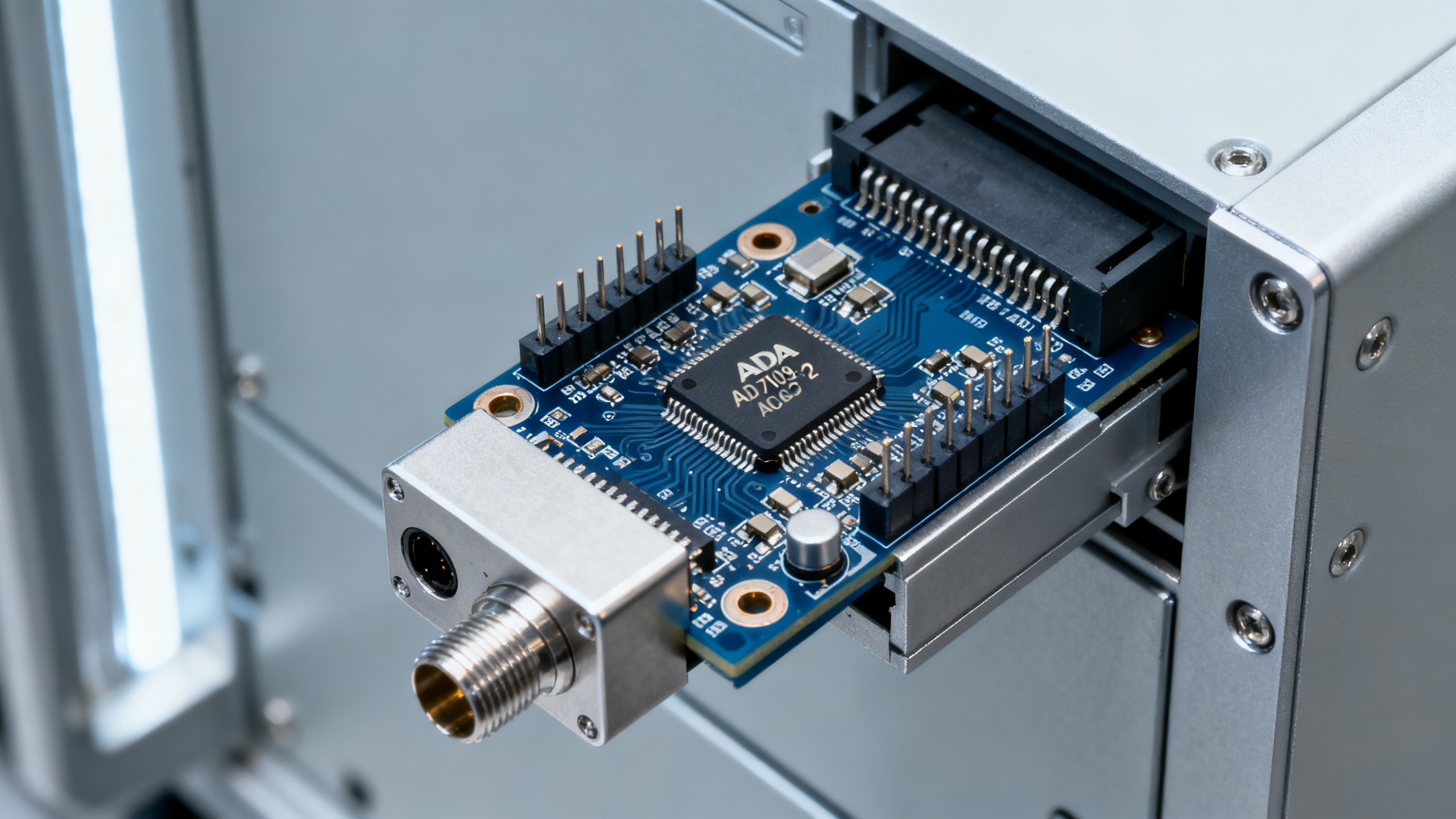
On May 8, 2026, Analog Devices, Inc. (ADI) announced an extension of the lead time for its industrial-grade high-precision ADC chip AD7177-2 to 36 weeks, citing reallocation of wafer fab capacity toward automotive-grade IC production. This component serves as a core signal-conversion element in over 90% of premium laboratory analyzers—including pH meters, ion chromatography systems, and front-end modules for mass spectrometers—making the delay highly consequential for laboratory informatics system (LIMS) vendors, especially those in China, whose compatibility certification timelines with such instruments are now delayed.
Event Overview
On May 8, 2026, ADI issued an official notification stating that the delivery lead time for the AD7177-2 analog-to-digital converter (ADC) has been extended to 36 weeks. The stated reason is a strategic shift in wafer fabrication capacity allocation toward automotive-grade semiconductor production. The AD7177-2 is confirmed to be a critical component in the signal acquisition chain of high-end laboratory analysis equipment globally. As a result, LIMS system vendors—particularly in China—have reported synchronized delays in completing hardware compatibility certification for these analyzers.
Industries Affected by Segment
Laboratory Instrument Manufacturers
These companies rely on the AD7177-2 for precision analog signal digitization in pH, ion chromatography, and mass spectrometry frontend modules. The 36-week lead time directly constrains new product development cycles and volume ramp-up schedules, especially for analyzers requiring regulatory-compliant validation workflows.
LIMS Software Vendors
Compatibility certification with physical analyzers is a prerequisite for integration into clinical, pharmaceutical, and environmental testing labs. With AD7177-2–based instruments delayed, Chinese LIMS vendors face extended validation timelines, potentially affecting customer deployment commitments and revenue recognition in Q3–Q4 2026.
Industrial Component Distributors & Authorized Resellers
Distributors handling ADI’s industrial portfolio report constrained allocation visibility and reduced ability to support just-in-time procurement for lab equipment OEMs. Inventory planning and channel forecasting models are now misaligned with actual supply availability.
Contract Electronics Manufacturing Services (EMS) Providers
EMS firms engaged in turnkey assembly of lab analyzers must revise build schedules and manage customer expectations around firmware validation dependencies tied to hardware availability. Delays also trigger secondary impacts on test fixture design and calibration protocol updates.
Key Considerations and Recommended Actions for Stakeholders
Monitor Official ADI Supply Status Updates and Allocation Policies
Stakeholders should subscribe to ADI’s official component status portal and distributor bulletins. Any revision to the 36-week lead time—or introduction of priority allocation tiers for specific end markets—will directly affect procurement prioritization.
Review Hardware Certification Dependencies in LIMS Integration Pipelines
LIMS vendors should audit current certification roadmaps to identify which analyzer models depend on AD7177-2–based signal chains. Where feasible, flag alternative hardware paths (e.g., legacy-compatible variants or pre-certified reference designs) to maintain parallel validation tracks.
Engage Early with Tier-1 Analyzers OEMs on Build Schedule Adjustments
Downstream software and service providers should initiate proactive alignment calls with top-tier analyzer manufacturers to understand revised shipment windows and associated certification milestone shifts—especially for instruments undergoing ISO/IEC 17025 or FDA 21 CFR Part 11 validation.
Assess Buffer Stock Requirements for Critical Reference Designs
For organizations maintaining evaluation kits or field-deployed reference platforms using AD7177-2, evaluating minimal buffer stock levels—within non-speculative inventory guidelines—is advisable to avoid interruption in technical support and pilot deployments.
Editorial Perspective / Industry Observation
Observably, this shortage reflects broader structural pressure on industrial-grade semiconductor supply amid competing demand from automotive and AI infrastructure sectors. Analysis shows the AD7177-2 delay is not an isolated component issue but a symptom of tightening capacity for high-accuracy, low-noise, low-drift ADCs—a niche segment with limited alternative suppliers. From an industry perspective, this event functions less as a transient bottleneck and more as a stress test for supply chain resilience in regulated analytical instrumentation. Current lead times suggest the constraint will persist through at least Q3 2026, making forward-looking procurement coordination—not reactive firefighting—the more viable operational posture.
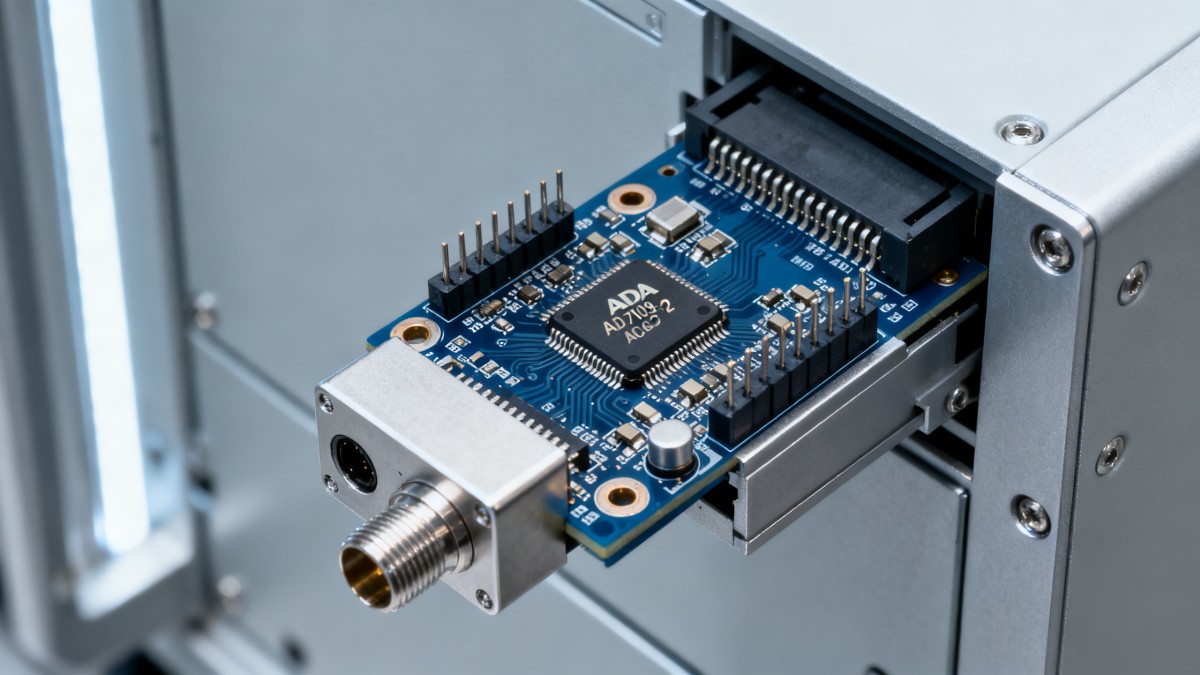
In summary, the AD7177-2 lead time extension signals a tangible constraint in the hardware foundation of modern laboratory data acquisition—and therefore a dependency point for digital lab infrastructure. It does not indicate systemic failure, but rather highlights where vertical integration, certification agility, and supplier transparency matter most. For now, it is better understood as a supply-constrained inflection point than a long-term market shift.
Source: Analog Devices, Inc. (ADI) official supply notice, dated May 8, 2026.
Subject to ongoing observation: Potential revisions to ADI’s allocation policy, emergence of qualified second-source alternatives, and regional distributor-level allocation adjustments.
Technical Specifications
- Air Handling Unit Supplier Checklist: Performance Data, Lead Times, and SupportAuthor :Environmental Engineering Director
- Buying Fiberglass Water Tanks Wholesale: Compare Quotes and Delivery CostsAuthor :Environmental Engineering Director
- Choosing an XLPE Power Cable Supplier: Test Reports, Traceability, and Lead TimesAuthor :Grid Infrastructure Analyst
Expert Insights

Chief Security Architect
Dr. Thorne specializes in the intersection of structural engineering and digital resilience. He has advised three G7 governments on industrial infrastructure security.
Related Analysis
- Oct 19, 2026Air Handling Unit Supplier Checklist: Performance Data, Lead Times, and SupportAuthor :Environmental Engineering Director
- Oct 18, 2026Buying Fiberglass Water Tanks Wholesale: Compare Quotes and Delivery CostsAuthor :Environmental Engineering Director
- Oct 17, 2026Choosing an XLPE Power Cable Supplier: Test Reports, Traceability, and Lead TimesAuthor :Grid Infrastructure Analyst
Core Sector // 01
Security & Safety
- Choosing a 5-Part Hematology Analyzer: Throughput, Sample Volume, and QCAuthor :Precision Metrology Expert

- Wholesale Borosilicate Lab Glassware: How Buyers Verify Quality, Specs, and Supply ReliabilityAuthor :Precision Metrology Expert

- How to Select Lab Instruments for Reliable Chemical Analysis WorkflowsAuthor :Precision Metrology Expert

- Buying Lint-Free Wipes in Bulk: How to Match Material and Packaging to Cleanroom UseAuthor :Precision Metrology Expert

- How to Choose a Class II Biosafety Cabinet Supplier for Compliant Lab ProcurementAuthor :Precision Metrology Expert

- Wholesale Binocular Microscopes: Comparing Specifications, MOQs, and QC RiskAuthor :Precision Metrology Expert

- How to Evaluate a UV-Visible Spectrophotometer Manufacturer for Lab Accuracy?Author :Precision Metrology Expert

- China Temporarily Bans Helium ExportsAuthor :Precision Metrology Expert