Instruments & Measurement suppliers and lead time risk
Author
Date Published
Reading Time
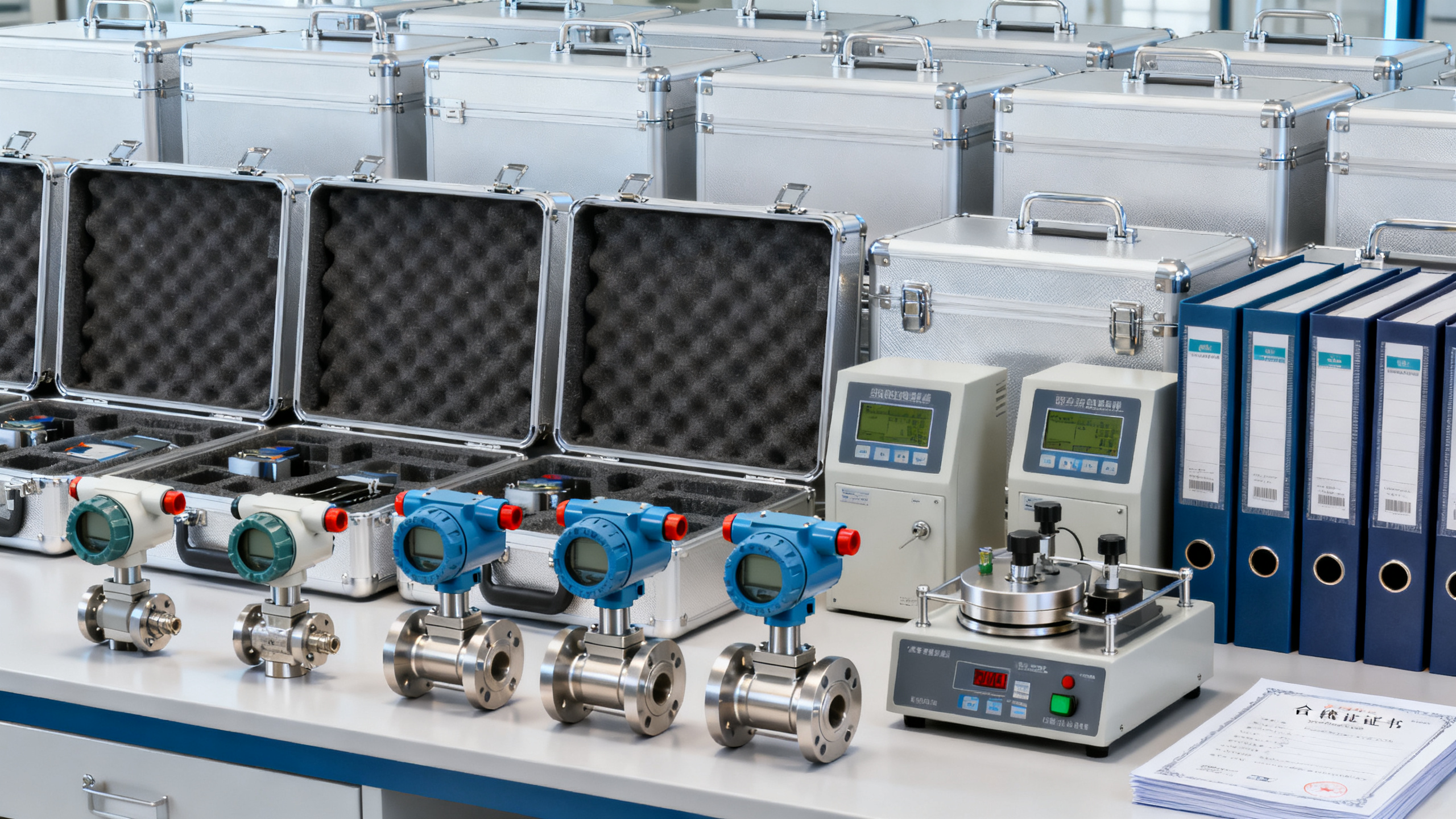
For project managers and engineering leads, choosing the right Instruments & Measurement supplier is not just about price—it is about controlling lead time risk, protecting project schedules, and ensuring compliance in critical industrial environments.
In a market shaped by disruption, qualification gaps, and volatile logistics, a capable Instruments & Measurement supplier becomes a risk-control partner, not only a vendor.
This guide answers the most important questions about lead time risk, supplier evaluation, compliance, and sourcing strategy across general industry applications.
What does lead time risk mean for an Instruments & Measurement supplier?
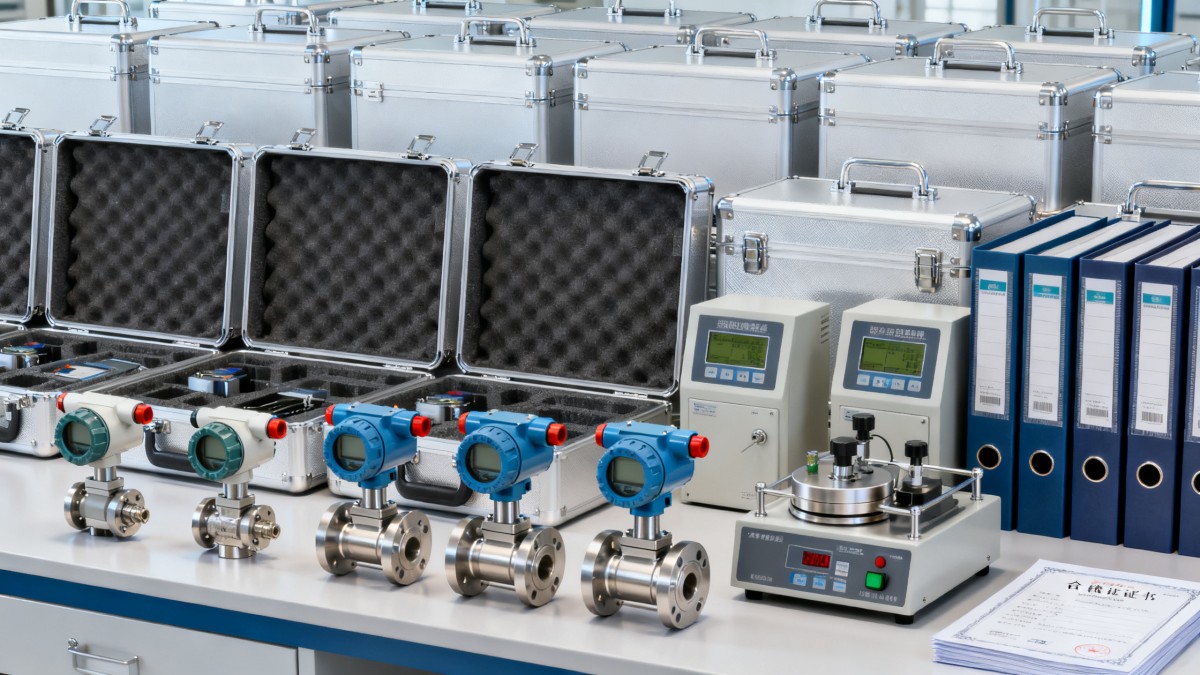
Lead time risk is the probability that delivery takes longer than planned, creating schedule pressure, installation delays, or commissioning gaps.
For an Instruments & Measurement supplier, this risk often starts long before shipping. It begins with design review, parts availability, calibration capacity, and certification release.
In industrial projects, even a small delay can stop larger systems. A missing pressure transmitter may block piping tests, control loop checks, and start-up approval.
Lead time risk also varies by product category. Standard gauges move faster than SIL-related devices, analyzers, flowmeters, or custom panel-mounted assemblies.
A reliable Instruments & Measurement supplier should provide more than a quoted date. It should explain manufacturing steps, document dependencies, and risk points.
Useful warning signs include vague availability statements, missing certificate timelines, and no distinction between factory lead time and delivered lead time.
The practical goal is not zero delay. The real goal is predictable delivery with early visibility, so engineering and site teams can adjust without costly disruption.
Why do some Instruments & Measurement suppliers create more schedule risk than others?
Two suppliers may offer similar devices, yet their delivery reliability can differ sharply. The difference usually comes from process maturity, not only factory size.
Some suppliers depend heavily on one source for sensing elements, chips, enclosures, or connectors. Single-source dependency increases exposure to upstream shortages.
Others lack internal calibration resources. If calibration is outsourced, bottlenecks can appear during peak demand or when special traceability is required.
Documentation discipline matters too. A weak document control process often delays packing lists, material certificates, test reports, and customs clearance files.
For hazardous areas, the risk becomes higher. ATEX, IECEx, UL, CE, and ISO-related records must match the delivered configuration exactly.
An experienced Instruments & Measurement supplier usually maintains clear revision control. It knows how to avoid mismatches between datasheets, tags, and approved drawings.
Regional service capability also affects schedule stability. Local stock, technical support, and replacement handling reduce recovery time when field changes occur.
How can you evaluate an Instruments & Measurement supplier before placing an order?
A strong evaluation method combines technical review, operational review, and risk review. Price should be one factor, not the first screen.
Start with technical fit. Confirm measuring range, process connection, environmental limits, signal output, ingress protection, and application-specific approvals.
Then verify compliance depth. A qualified Instruments & Measurement supplier should provide traceable certificates, test records, and standard references without delay.
Next, assess delivery credibility. Ask whether quoted lead time includes calibration, inspection, export packing, and final documentation release.
Review communication quality during quotation. Fast and precise responses often indicate disciplined internal coordination and stronger order execution later.
Past project evidence is valuable. Case studies, repeat references, and industry-specific supply records show whether the supplier performs well under real constraints.
Use the checklist below for a practical comparison.
Which products and applications carry the highest lead time risk?
Not every device has the same sourcing profile. High-specification items usually create the longest and least flexible procurement windows.
Examples include Coriolis flowmeters, gas analyzers, custody transfer instruments, safety-certified switches, and custom control instrumentation packages.
Projects in oil and gas, power, water treatment, mining, pharmaceuticals, and heavy manufacturing often require detailed quality records and specialized calibration.
That means an Instruments & Measurement supplier must align both technical and documentary lead times, not only assemble the hardware.
Custom cable glands, exotic wetted materials, high-accuracy sensors, and hazardous area approvals all increase review cycles and approval dependencies.
Imported equipment can face extra delay through trade controls, destination-specific labeling, and destination inspection requirements.
For critical paths, split instruments into three sourcing groups:
- Standard items with local alternatives
- Project-specific items needing document review
- Long-lead critical items needing early release
This grouping helps an Instruments & Measurement supplier prioritize expediting and allows better sequencing with construction and commissioning plans.
How do you reduce lead time risk without sacrificing compliance or quality?
The best mitigation starts at specification stage. Clear, stable requirements reduce quotation ambiguity and prevent late engineering changes.
Avoid over-specifying where not required. Excess approvals or extreme accuracy classes can limit options and extend the supplier pool’s response time.
At the same time, never compromise on safety or legal compliance. The answer is precise specification, not reduced control.
Ask the Instruments & Measurement supplier for milestone-based delivery visibility. Key milestones may include raw material lock, assembly start, calibration, FAT, and dispatch.
Where possible, preapprove equivalent models or secondary brands. This creates a recovery path if one item becomes unavailable.
Framework agreements can help for repeat demand. They support reserved stock, agreed documentation formats, and faster order release.
Digital tracking also matters. A mature Instruments & Measurement supplier should provide order status updates linked to actual production stages, not generic promises.
Consider these practical safeguards:
- Release long-lead tags before full bulk ordering.
- Freeze datasheets early and control revisions tightly.
- Validate certificate requirements before purchase order issue.
- Build approved alternates into the procurement plan.
- Track logistics and customs readiness separately from production.
What common sourcing mistakes increase risk with an Instruments & Measurement supplier?
One common mistake is comparing quotes only by unit price. A lower quote may exclude calibration, certificates, or final testing.
Another mistake is assuming all compliant-looking documents are equal. Missing traceability or outdated approvals can delay site acceptance.
Late technical clarifications also create avoidable problems. Small unresolved points can stop production release inside the supplier’s system.
Some teams buy complex devices from a distributor with limited application support. That approach can work for stock items, but not always for engineered packages.
Another risk is treating all lead times as fixed. A strong Instruments & Measurement supplier can often shorten part of the cycle through staged approvals.
The table below summarizes frequent mistakes and better responses.
How should supplier decisions balance cost, speed, and long-term reliability?
The best decision balances total ownership value, not only procurement speed. Fast delivery is useful only when the equipment arrives correct and accepted.
A dependable Instruments & Measurement supplier reduces hidden cost through fewer revisions, lower site troubleshooting, and stronger lifecycle support.
That matters across general industry because the same instrument often influences automation quality, maintenance planning, and process safety over many years.
Short lead times are valuable for urgent projects. However, repeatable quality, stable availability, and support responsiveness create the larger long-term advantage.
Global Industrial Core emphasizes a disciplined sourcing approach: verify compliance, test delivery credibility, and map risk before issuing orders.
When evaluating any Instruments & Measurement supplier, use a structured scorecard, request milestone transparency, and prioritize documented reliability over optimistic promises.
The next practical step is simple: identify critical instrument tags, rank them by lead time exposure, and engage suppliers early with complete technical and compliance requirements.
That approach improves schedule resilience, strengthens quality control, and helps every project move from reactive expediting to planned delivery confidence.
Technical Specifications
- Air Handling Unit Supplier Checklist: Performance Data, Lead Times, and SupportAuthor :Environmental Engineering Director
- Buying Fiberglass Water Tanks Wholesale: Compare Quotes and Delivery CostsAuthor :Environmental Engineering Director
- Choosing an XLPE Power Cable Supplier: Test Reports, Traceability, and Lead TimesAuthor :Grid Infrastructure Analyst
Expert Insights

Chief Security Architect
Dr. Thorne specializes in the intersection of structural engineering and digital resilience. He has advised three G7 governments on industrial infrastructure security.
Related Analysis
- Oct 19, 2026Air Handling Unit Supplier Checklist: Performance Data, Lead Times, and SupportAuthor :Environmental Engineering Director
- Oct 18, 2026Buying Fiberglass Water Tanks Wholesale: Compare Quotes and Delivery CostsAuthor :Environmental Engineering Director
- Oct 17, 2026Choosing an XLPE Power Cable Supplier: Test Reports, Traceability, and Lead TimesAuthor :Grid Infrastructure Analyst
Core Sector // 01
Security & Safety
- Choosing a 5-Part Hematology Analyzer: Throughput, Sample Volume, and QCAuthor :Precision Metrology Expert

- Wholesale Borosilicate Lab Glassware: How Buyers Verify Quality, Specs, and Supply ReliabilityAuthor :Precision Metrology Expert

- How to Select Lab Instruments for Reliable Chemical Analysis WorkflowsAuthor :Precision Metrology Expert

- Buying Lint-Free Wipes in Bulk: How to Match Material and Packaging to Cleanroom UseAuthor :Precision Metrology Expert

- How to Choose a Class II Biosafety Cabinet Supplier for Compliant Lab ProcurementAuthor :Precision Metrology Expert

- Wholesale Binocular Microscopes: Comparing Specifications, MOQs, and QC RiskAuthor :Precision Metrology Expert

- How to Evaluate a UV-Visible Spectrophotometer Manufacturer for Lab Accuracy?Author :Precision Metrology Expert

- China Temporarily Bans Helium ExportsAuthor :Precision Metrology Expert