What an Environment & Ecology impact assessment should reveal
Author
Date Published
Reading Time
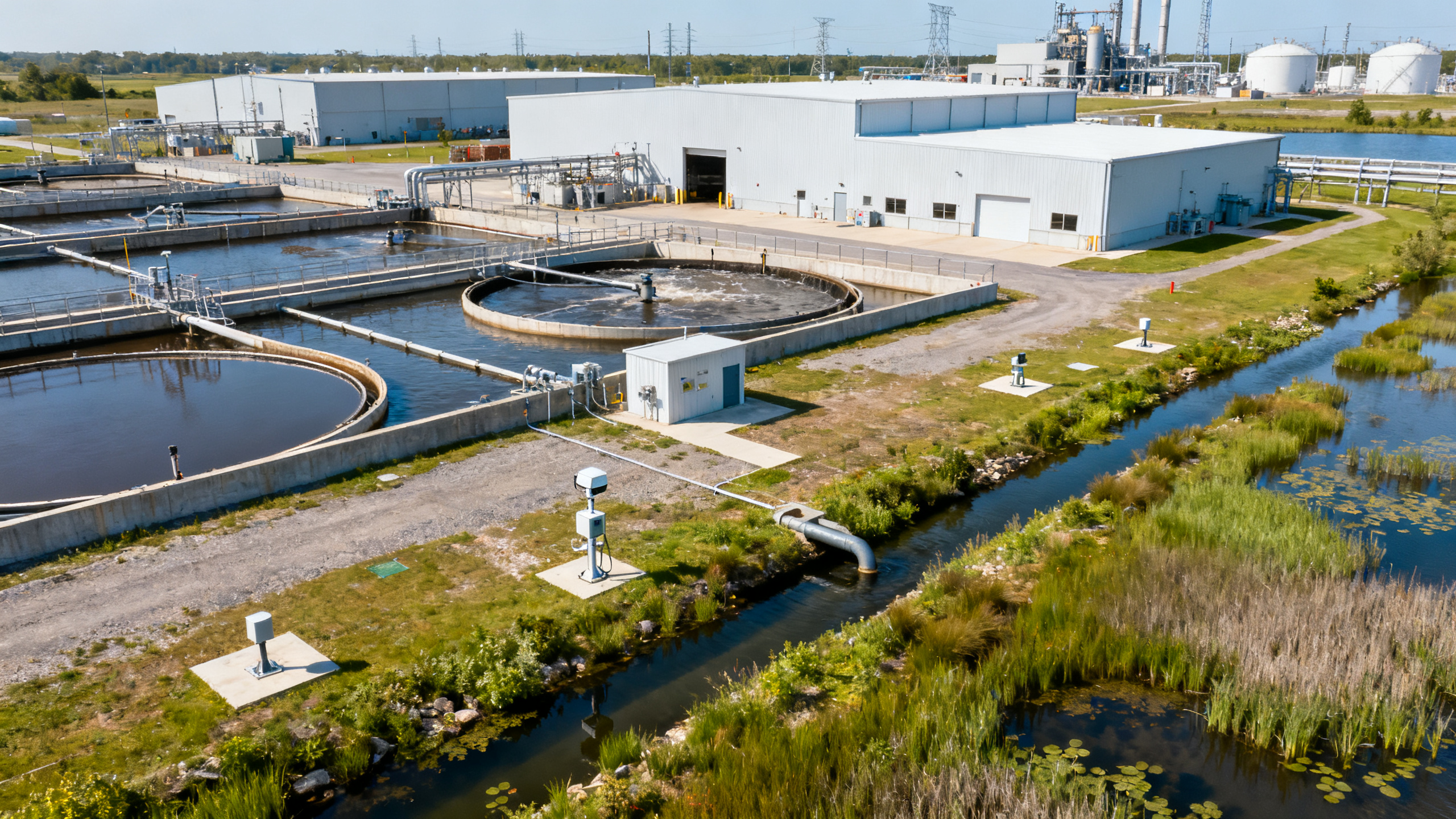
An effective Environment & Ecology impact assessment should reveal far more than baseline risks. For business evaluators, it uncovers regulatory exposure, ecosystem sensitivity, long-term operational constraints, and the hidden cost drivers that can affect project viability, stakeholder approval, and supply chain resilience. This article outlines the critical findings a credible assessment must deliver.
In industrial, infrastructure, energy, manufacturing, and large-site development contexts, an Environment & Ecology impact assessment is not a box-ticking document. It is a decision tool that helps commercial reviewers judge whether a project can move from concept to construction without triggering avoidable delays, redesigns, fines, permit revisions, or reputational damage. For EPC teams, procurement leaders, and business evaluators, the practical question is simple: what should the assessment actually reveal for the investment case to remain sound over a 10-, 15-, or 25-year operating horizon?
A credible assessment should produce actionable findings in at least 6 dimensions: regulatory compliance, site sensitivity, resource demand, emissions and discharges, operational constraints, and mitigation cost. It should also show whether the project can be delivered within typical approval windows of 3–12 months, whether seasonal ecological restrictions may compress construction into a 12–20 week work window, and whether environmental obligations could alter sourcing, maintenance, or lifecycle cost assumptions.
What a business-ready assessment must reveal at the earliest stage
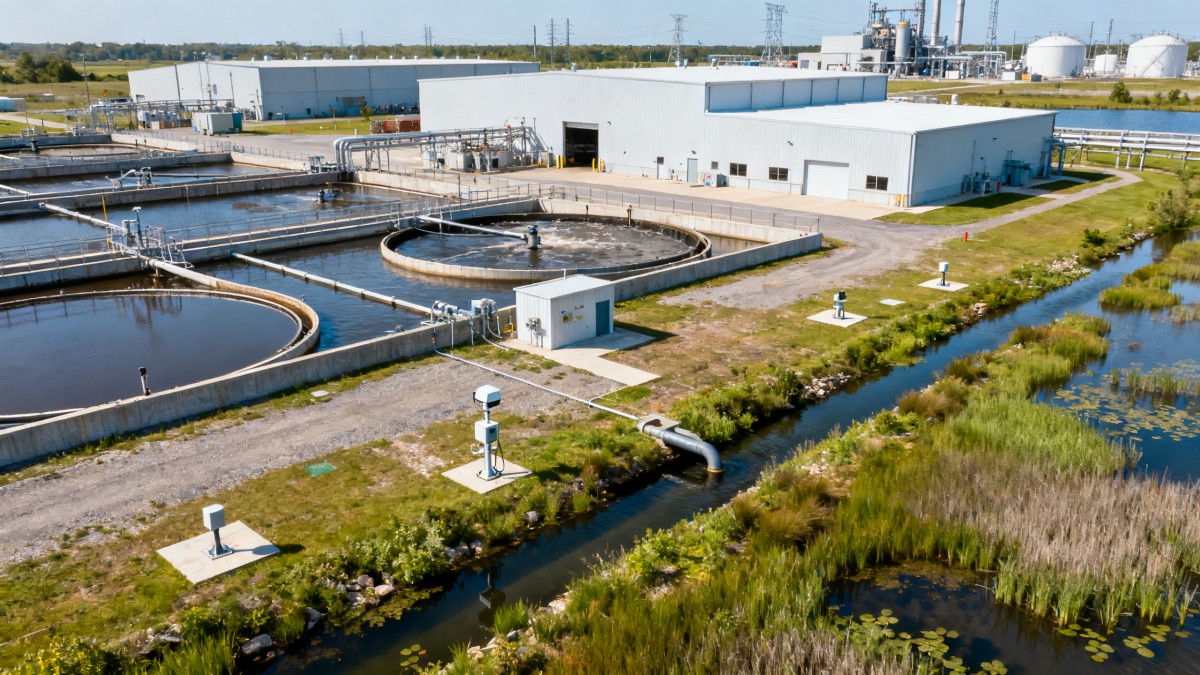
For business evaluators, the first value of an Environment & Ecology impact assessment lies in early-stage clarity. Before capital is committed, the document should identify whether the site falls within a low, moderate, high, or critical sensitivity category and whether the project faces 4 common exposure types: permitting complexity, habitat conflict, water stress, and community scrutiny. If these factors are discovered late, design changes can multiply cost and add 8–24 weeks to pre-construction schedules.
At this stage, the assessment should not stop at narrative descriptions. It should map receptors, define thresholds, and show where impacts are temporary, recurring, or permanent. A strong report allows decision-makers to compare a preferred site against at least 2 alternatives or layout options, especially where access roads, drainage paths, storage yards, discharge points, or transmission routes could shift the environmental profile significantly.
1. Regulatory exposure and approval complexity
A reliable Environment & Ecology impact assessment should clearly indicate which approvals are likely, which are mandatory, and which may be conditional. In practice, business teams need to know whether the project requires only standard environmental review or whether it may trigger specialist studies for wetlands, protected species, floodplain disturbance, groundwater abstraction, noise, odor, or air dispersion. The difference between a routine review and a multi-agency review can affect cash flow timing, contract sequencing, and procurement release dates.
The report should also translate legal complexity into commercial terms. For example, if permit conditions require continuous monitoring, quarterly reporting, or seasonal shutdown measures, those obligations become operating expenditures rather than abstract compliance notes. A commercially useful assessment links each obligation to likely cost centers such as instrumentation, laboratory testing, treatment upgrades, or contractor supervision.
Key red flags in approval risk
- Protected habitat or buffer zone overlap within 100–500 meters
- Water discharge dependency on third-party treatment capacity
- Noise-sensitive receptors such as schools, hospitals, or housing within 250–1,000 meters
- Construction footprint expansion beyond the originally screened boundary
- Need for more than 1 seasonal survey cycle before approval
2. Baseline environmental conditions that affect project economics
A baseline section should do more than confirm that air, soil, water, and ecology were reviewed. It should show whether current site conditions increase risk, reduce mitigation flexibility, or create legacy liabilities. If groundwater quality is already compromised, discharge standards and remediation obligations may become stricter. If background noise is low, even moderate plant noise may generate objections. If the site has poor drainage or highly erodible soil, civil works and stormwater controls may require additional budget lines from day 1.
For business evaluators, the commercial importance of baseline data is simple: it defines the starting point against which future compliance is judged. Weak baseline work increases the risk of disputes later, because operators cannot distinguish project impacts from pre-existing conditions. This is especially relevant for projects with phased build-outs over 2–5 years.
The table below shows how typical baseline findings influence commercial review priorities in an industrial or infrastructure setting.
The main takeaway is that baseline information is not technical background alone. It directly influences capex assumptions, construction methodology, site logistics, and even lender confidence. When the baseline section is thin, business evaluators should treat cost estimates as provisional rather than bankable.
What the assessment should reveal about long-term operational constraints
A project may be technically buildable and still commercially weak if long-term environmental constraints are underestimated. An Environment & Ecology impact assessment should therefore extend beyond the construction phase and model what happens during 5, 10, or 20 years of operation. This includes utility demand, waste generation, emission controls, spill scenarios, maintenance outages, and cumulative impacts from future expansion.
For industrial facilities, environmental obligations often become more expensive after commissioning than during permitting. Monitoring equipment calibration, wastewater treatment optimization, sludge handling, stormwater inspection, biodiversity management, and reporting compliance can create recurring costs every month, quarter, or year. A sound assessment reveals those burdens early enough for finance and procurement teams to plan accordingly.
3. Resource intensity: water, energy, land, and materials
A credible report should quantify expected resource demand using realistic operating ranges, not idealized averages. Business evaluators should look for daily or monthly consumption ranges, peak-load scenarios, and stress conditions. For example, water demand should be broken into process use, cooling, cleaning, sanitation, and emergency reserve. Land demand should distinguish between permanent footprint, temporary laydown area, access routes, and buffer requirements.
This matters because resource intensity affects both resilience and supplier strategy. If a site depends on constrained municipal water, the project may need storage, reuse, or treatment systems that alter both capex and procurement timelines. If imported fill material, liner systems, or erosion-control products are required in large volumes over 6–10 weeks, that can affect contractor packaging and sourcing risk.
Questions evaluators should ask
- Are utility assumptions based on normal load only, or do they include peak and upset conditions?
- Does the assessment show annual demand as well as daily maxima?
- Can resource use be reduced through design changes within the first 2 design iterations?
- Are critical consumables available locally within acceptable lead times?
4. Emissions, discharges, and waste streams
An Environment & Ecology impact assessment should clearly identify all significant outputs: air emissions, wastewater, stormwater runoff, solid waste, hazardous residues, noise, vibration, heat, and light spill where relevant. Just as important, it should separate normal operations from abnormal events such as start-up, shutdown, maintenance, cleaning, or spill conditions. Many commercial disputes arise because only steady-state performance was assessed, while intermittent but material impacts were ignored.
The assessment should also connect output volumes to treatment or containment capacity. A wastewater stream is not low risk simply because average flow appears modest; if contaminant spikes occur during cleaning cycles, pretreatment requirements may become much more demanding. Likewise, dust or noise controls that work at 70% output may fail when the plant operates at full throughput for consecutive 12-hour shifts.
The following table helps evaluators translate environmental outputs into operational and procurement review points.
When these streams are quantified properly, procurement teams can define equipment specifications, service contracts, and monitoring plans more accurately. When they are left vague, environmental cost tends to surface later as variation orders or compliance retrofits.
5. Ecosystem sensitivity and biodiversity constraints
For many sectors, biodiversity is the most underestimated commercial variable in an Environment & Ecology impact assessment. The issue is not only the presence of protected species. It is the way ecological sensitivity can change project sequencing, access routes, lighting plans, drainage design, vegetation management, and offset obligations. If surveys identify breeding, migration, or roosting patterns, construction may need to avoid specific periods of 6–16 weeks per year.
From a business perspective, the assessment should reveal whether ecological constraints are manageable through design and timing or whether they fundamentally reduce developable capacity. A site may appear attractive on land cost alone but become less competitive if buffer zones reduce usable area by 10%–25% or if compensatory habitat measures require long-term land management commitments.
Common biodiversity findings with direct commercial impact
- Habitat fragmentation risk that affects road alignment or utility corridor routing
- Protected vegetation requiring micro-siting rather than bulk clearance
- Wetland or riparian buffers that reduce storage or staging area availability
- Ecological enhancement obligations extending 3–5 years beyond construction
How to judge whether the assessment is decision-grade or merely procedural
Not every Environment & Ecology impact assessment supports high-value business decisions. Some are prepared only to satisfy minimum filing requirements and do not answer the questions commercial reviewers actually need. A decision-grade assessment is transparent about assumptions, explicit about uncertainty, and practical about mitigation. It does not hide major issues inside generic language such as “manageable impact” or “limited significance” without defining what that means in cost, schedule, or operational terms.
Business evaluators should review both content quality and implementation readiness. If key field data are seasonal and only one survey round has been completed, the report should say so. If mitigation depends on future engineering not yet designed, that dependency should be flagged. If compliance depends on third-party utility upgrades, the timing risk should be assigned, not glossed over.
6. Signs of a robust assessment
A strong report usually contains 5 practical features. First, it defines the project boundary precisely. Second, it uses baseline data recent enough to reflect current conditions, often within the prior 12–24 months depending on the topic. Third, it assesses both construction and operation. Fourth, it compares mitigation options rather than assuming one fixed solution. Fifth, it converts environmental findings into implementable control measures, responsibilities, and monitoring frequencies.
These points matter because an assessment only creates value when it can be used by project managers, procurement teams, environmental engineers, and operators at different stages of the asset lifecycle. If the report cannot be translated into scope packages, permit calendars, inspection routines, and budget categories, it is incomplete for commercial use.
Checklist for commercial review
- Does the report identify no-build, redesign, or alternative layout scenarios?
- Are mitigation costs estimated as one-time and recurring items?
- Does it state monitoring frequency, such as weekly, monthly, or quarterly?
- Are environmental constraints linked to construction milestones and procurement packages?
- Does it identify residual risks after mitigation rather than only gross impacts?
7. Common gaps that should trigger deeper due diligence
Several weaknesses should prompt caution. One is overreliance on desktop review where field validation is necessary. Another is failure to distinguish temporary disturbance from permanent ecological loss. A third is omission of cumulative impact, especially where nearby industrial, logistics, mining, or utility projects already pressure the same watershed or habitat network. A fourth is the absence of operational monitoring plans even when the project clearly creates measurable outputs.
Commercially, these gaps mean the project may still carry unresolved liabilities. They can also affect supplier selection. For example, if sediment control, water treatment, odor control, or acoustic containment requirements are underdefined, procurement may receive bids that are difficult to compare or technically non-equivalent.
8. Turning assessment findings into procurement and investment decisions
The best Environment & Ecology impact assessment supports action. For procurement teams, that means using its findings to shape scope definitions, material specifications, contractor qualifications, and monitoring requirements. For investment reviewers, it means adjusting financial models for mitigation capex, compliance opex, schedule contingency, and lifecycle resilience. In large industrial projects, even a 2%–5% environmental cost variance can materially affect payback if margins are tight or commissioning is time-sensitive.
This is where structured interpretation matters. A good assessment should allow teams to identify which controls must be installed before construction, which can be phased, and which require ongoing service agreements. It should also show whether environmental risk is concentrated in one area, such as wastewater, or spread across multiple systems including drainage, storage, noise, and biodiversity management.
For organizations evaluating projects across multiple regions, consistent review criteria are essential. Using the same 4-part lens—approval risk, ecological sensitivity, operational burden, and mitigation cost—makes it easier to compare sites and avoid decisions based solely on land price or headline capex.
Final decision focus for business evaluators
A credible Environment & Ecology impact assessment should reveal whether a project is merely permissible or genuinely viable. It should show the true boundary of risk, the cost of staying compliant, the constraints that shape construction and operation, and the environmental conditions that influence long-term asset performance. For business evaluators in industrial and infrastructure markets, the most useful reports are the ones that convert environmental complexity into clear decision inputs.
Global Industrial Core supports decision-makers who need practical, high-trust insight across environment, engineering, compliance, and strategic sourcing. If you are reviewing a project, comparing supplier pathways, or refining an environmental due diligence framework, now is the right time to get a more decision-grade view of the risks and controls involved.
Contact us to discuss your assessment priorities, request a tailored review framework, or explore broader Environment & Ecology solutions for procurement, compliance, and resilient industrial operations.
Technical Specifications
- How to Select an Emissions Monitoring System Analyzer for Compliance ReportingAuthor :Precision Metrology Expert
- How to Select an Access Control Management System for Multi-Site FacilitiesAuthor :Safety Compliance Lead
- Portable Gas Monitor Calibration: How Often Is It Needed for Safe Confined-Space Work?Author :Precision Metrology Expert
Expert Insights

Chief Security Architect
Dr. Thorne specializes in the intersection of structural engineering and digital resilience. He has advised three G7 governments on industrial infrastructure security.
Related Analysis
- Sep 21, 2026How to Select an Emissions Monitoring System Analyzer for Compliance ReportingAuthor :Precision Metrology Expert
- Sep 20, 2026How to Select an Access Control Management System for Multi-Site FacilitiesAuthor :Safety Compliance Lead
- Sep 19, 2026Portable Gas Monitor Calibration: How Often Is It Needed for Safe Confined-Space Work?Author :Precision Metrology Expert
Core Sector // 01
Security & Safety
- Wholesale Borosilicate Lab Glassware: How Buyers Verify Quality, Specs, and Supply ReliabilityAuthor :Precision Metrology Expert

- How to Select Lab Instruments for Reliable Chemical Analysis WorkflowsAuthor :Precision Metrology Expert

- Buying Lint-Free Wipes in Bulk: How to Match Material and Packaging to Cleanroom UseAuthor :Precision Metrology Expert

- How to Choose a Class II Biosafety Cabinet Supplier for Compliant Lab ProcurementAuthor :Precision Metrology Expert

- Wholesale Binocular Microscopes: Comparing Specifications, MOQs, and QC RiskAuthor :Precision Metrology Expert

- How to Evaluate a UV-Visible Spectrophotometer Manufacturer for Lab Accuracy?Author :Precision Metrology Expert

- China Temporarily Bans Helium ExportsAuthor :Precision Metrology Expert

- What to Check Before Buying a Digital Lab Incubator Wholesale OrderAuthor :Precision Metrology Expert